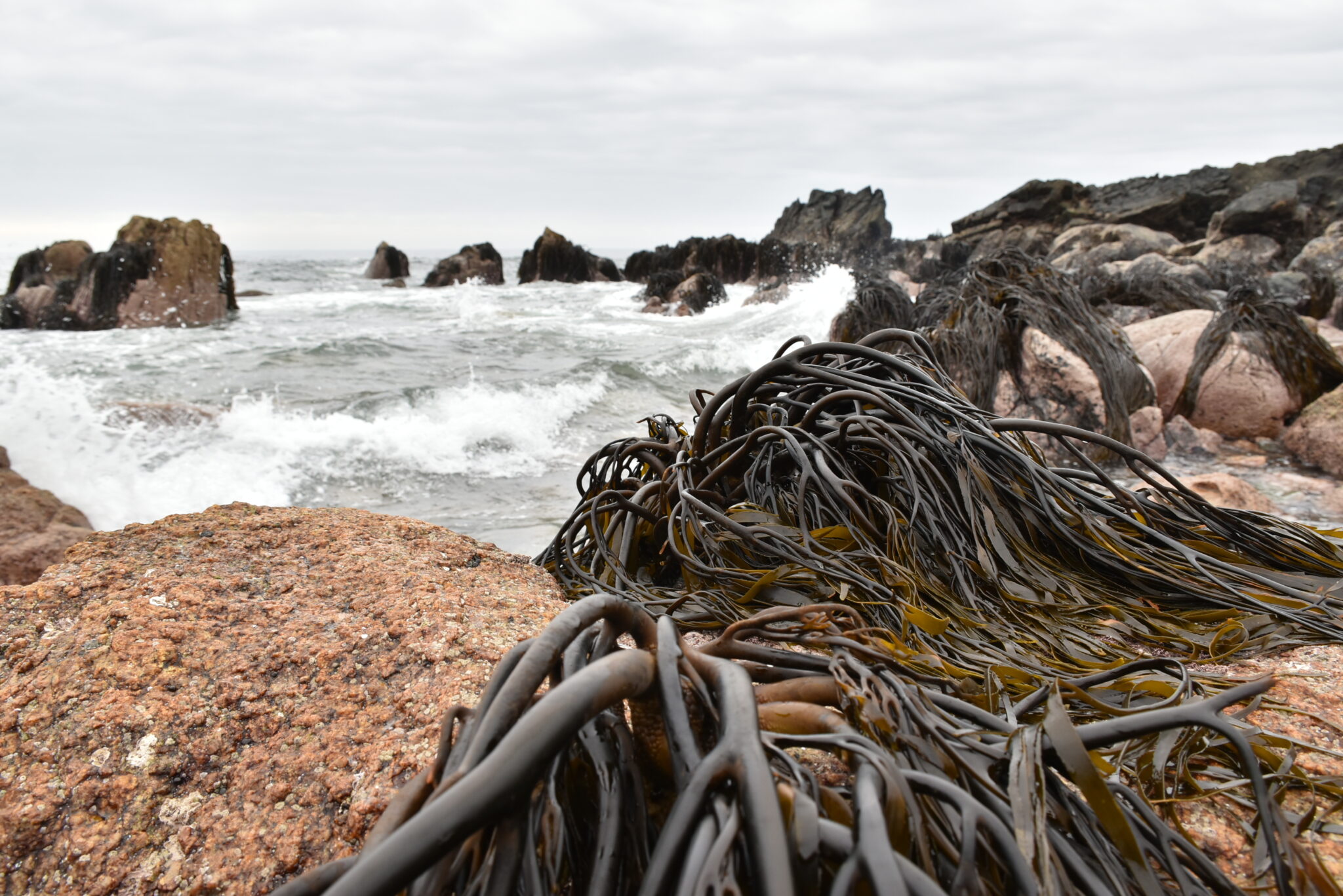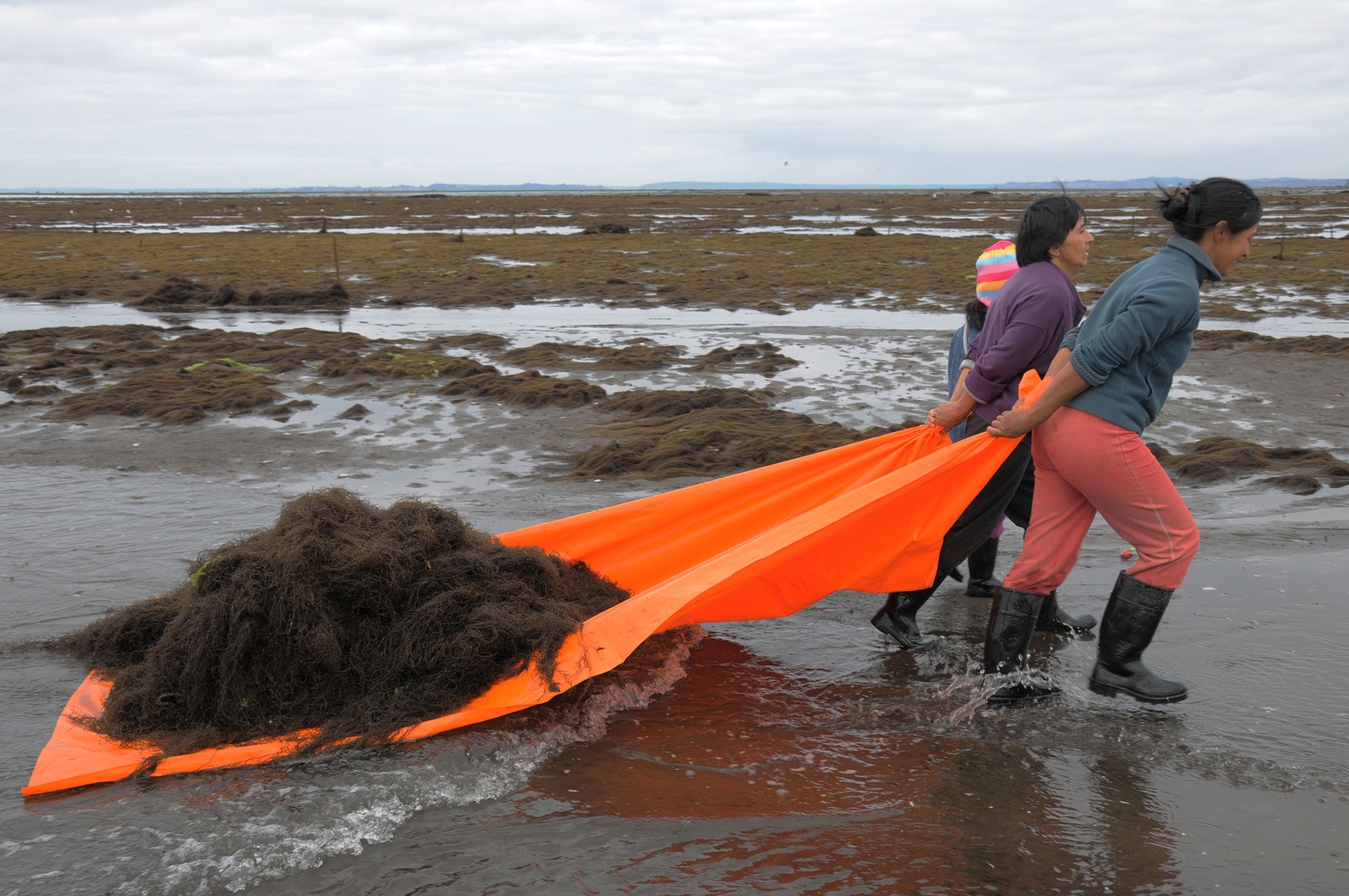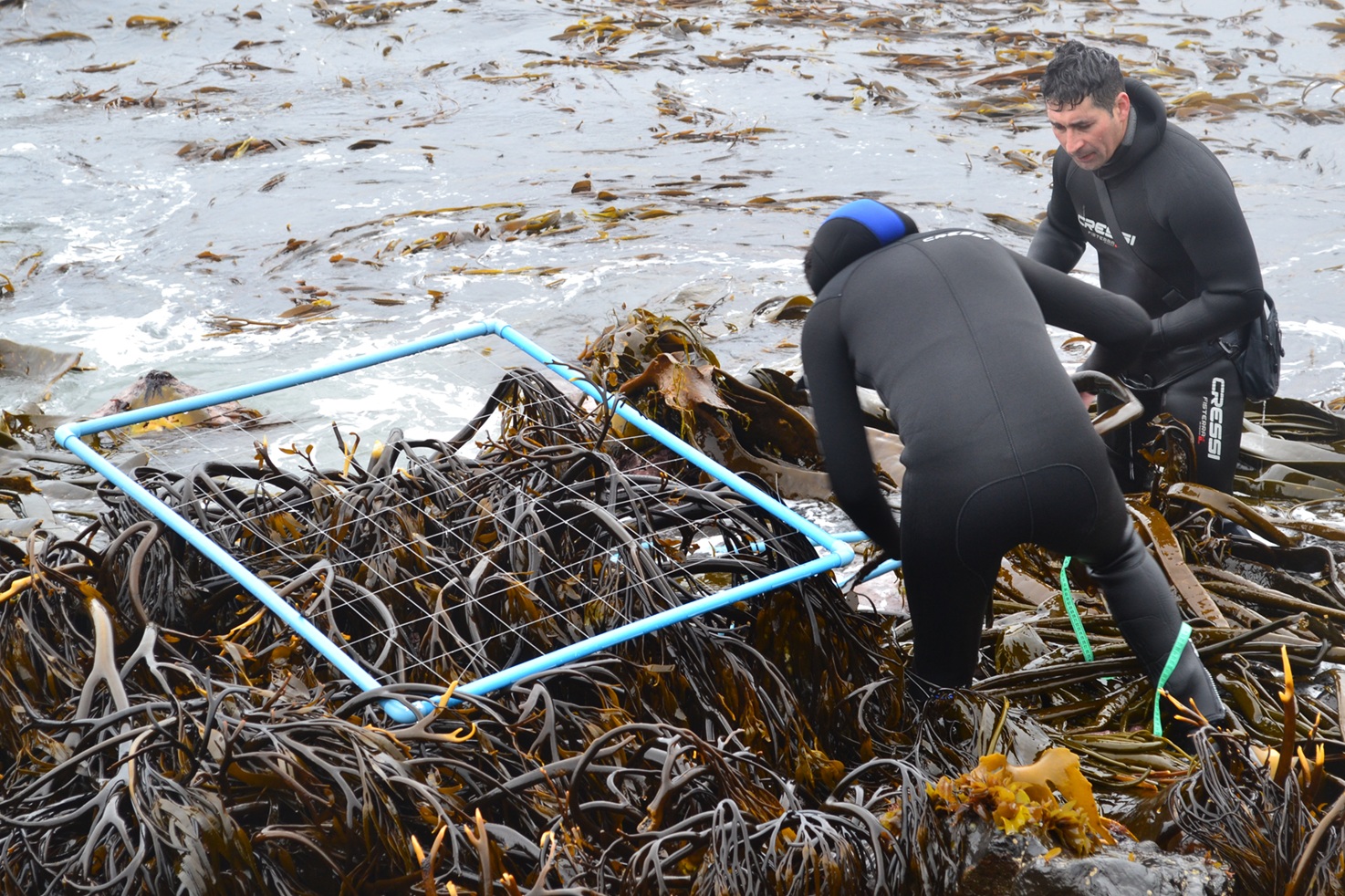
Currently, the algae sector is of great economic importance in Chile and, although there are challenges in terms of production risks and access barriers, the opportunity for growth and development is enormous. Since most of this production - 91 per cent - comes from wild crops, this production can range from 300,000 to 500,000 tons, depending on the year. The economic value of this production is relevant and represents 11% of fishing landings, with volumes varying between these figures, highlighting the economic importance of aquaculture and its potential for expansion.
Algae cultivation is active in Chile, but production is still low. Most of the potential area for algae production is not fully cultivated. These characteristics, together with the growing exports of algae, the need for imports into the industrial sector and seasonal and fluctuating production, suggest a high potential for small-scale algae aquaculture in Chile; however, the It's still underexploited.
In this context, a group of researchers from the University of Biobío, of the University of Concepcion, of the University of Florida and of Interdisciplinary Center for Aquaculture Research (INCAR) published the study “Risk perception and production risk in seaweed aquaculture” (Perception of the risk and risk of production in algae aquaculture) in which they deepen the potential of algae cultivation considering the high incidence of the risk to its low production.
“Risk is an inherent feature of aquaculture production. For a more holistic understanding of risk, the risk assessment process should take into account the subjective and objective dimensions of risk. This paper studies empirically the role of risk perception in aquaculture and the risk properties of inputs used in aquaculture to explain the low rates of adoption of algae cultivation in Chile. We propose a framework for estimating risk production with selectivity to explore the role of both types of risk. In addition, a sample selection correction procedure can be very useful in coastal marine aquaculture, where authorisations (mainly in the form of concessions on marine areas) are a precondition for developing this activity, although many of these concessions remain totally or partly unexploited”, explains the authors César Salazar, Marcela Jaime, Roberto Cárdenas and Francisco Hernández in the article published by the Journal Aquaculture Economics & Management.
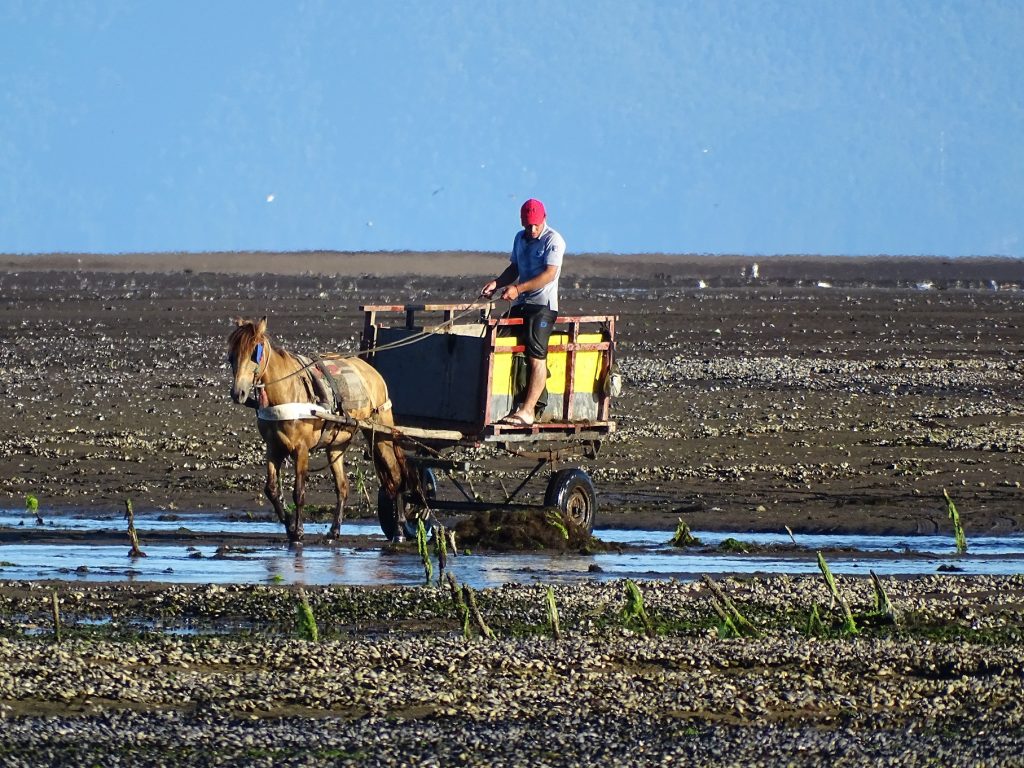
Researchers found that farmers are more likely to produce algae when they receive greater access to finance compared to other income-generating activities. This sheds light on the importance of ensuring support mechanisms to help producers overcome a significant entry barrier in the sector.
In this sense, experts anticipate a positive effect on public policies based on economic incentives such as the “Law of Bono for the Cultivation or Repopulation of Algae”, enacted in 2016. This law established a general legal framework for designing economic incentives to partially promote financing projects that have a positive impact on the increase and recovery of algae populations.
According to the study, exposure to theft has become one of the greatest socio-economic risks of algae aquaculture. This situation appears to be one of the main causes of production losses in the sector. On the other hand, for researchers, the necessary labour force and energy costs are resources that cannot always be used efficiently or effectively. Especially if the labor isn't right able to handle adverse environmental events or if the increase of energy is used to intensify surveillance without improving production.
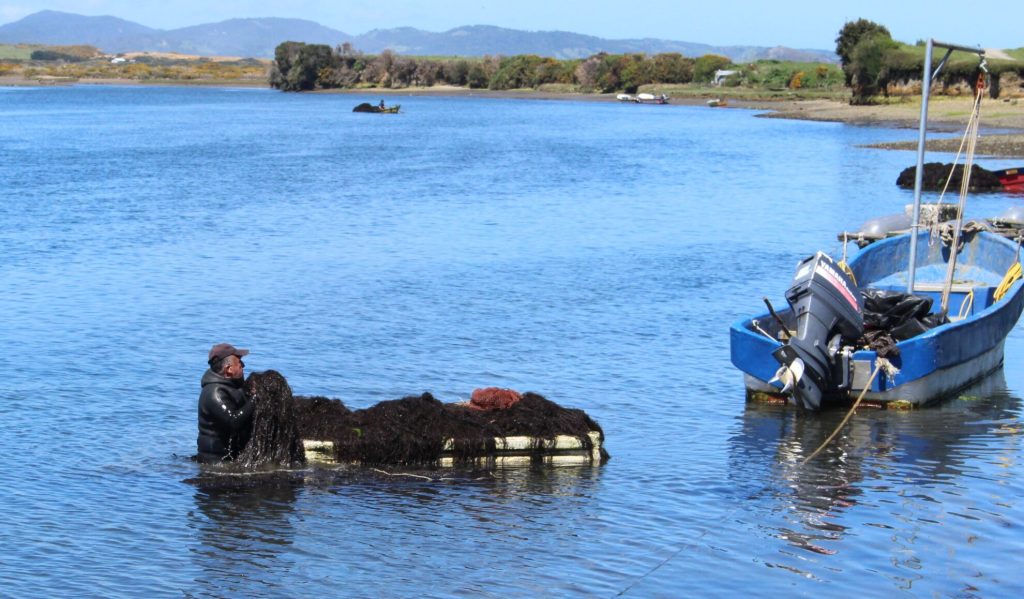
Other factors that may reduce the viability of production are the size of the farm and investment in equipment and technology. “A larger farm size is associated with lower production variability, which may be due to the fact that larger farms can better handle fluctuations in crop conditions. In addition, greater investment in equipment and technology can allow more effective control over the production, helping to maintain stability during each production cycle and therefore reducing risks”, explained the authors.
Researchers have a moderately optimistic view of the expansion of seaweed aquaculture in the country. As they point out, there are great opportunities for this growth, particularly because many concessional areas are not being fully exploited.
“Algae cultivation is an aquaculture activity that shares common characteristics in various environments, especially in developing countries. For example, unlike the cultivation of fish and molluscs, algae cultivation employs family labour and is developed mainly in coastal marine areas. Although capital needs may be lower than those of other economic activities, seaweed producers face serious challenges credit restrictions. There are also gender aspects that it is important to consider. These characteristics are present in both Latin America and Asia, which makes it more likely that our findings can be applied globally,” concluded the experts.
You can access the document in this link: https://www.tandfonline.com/doi/full/10.1080/13657305.2024.2342270