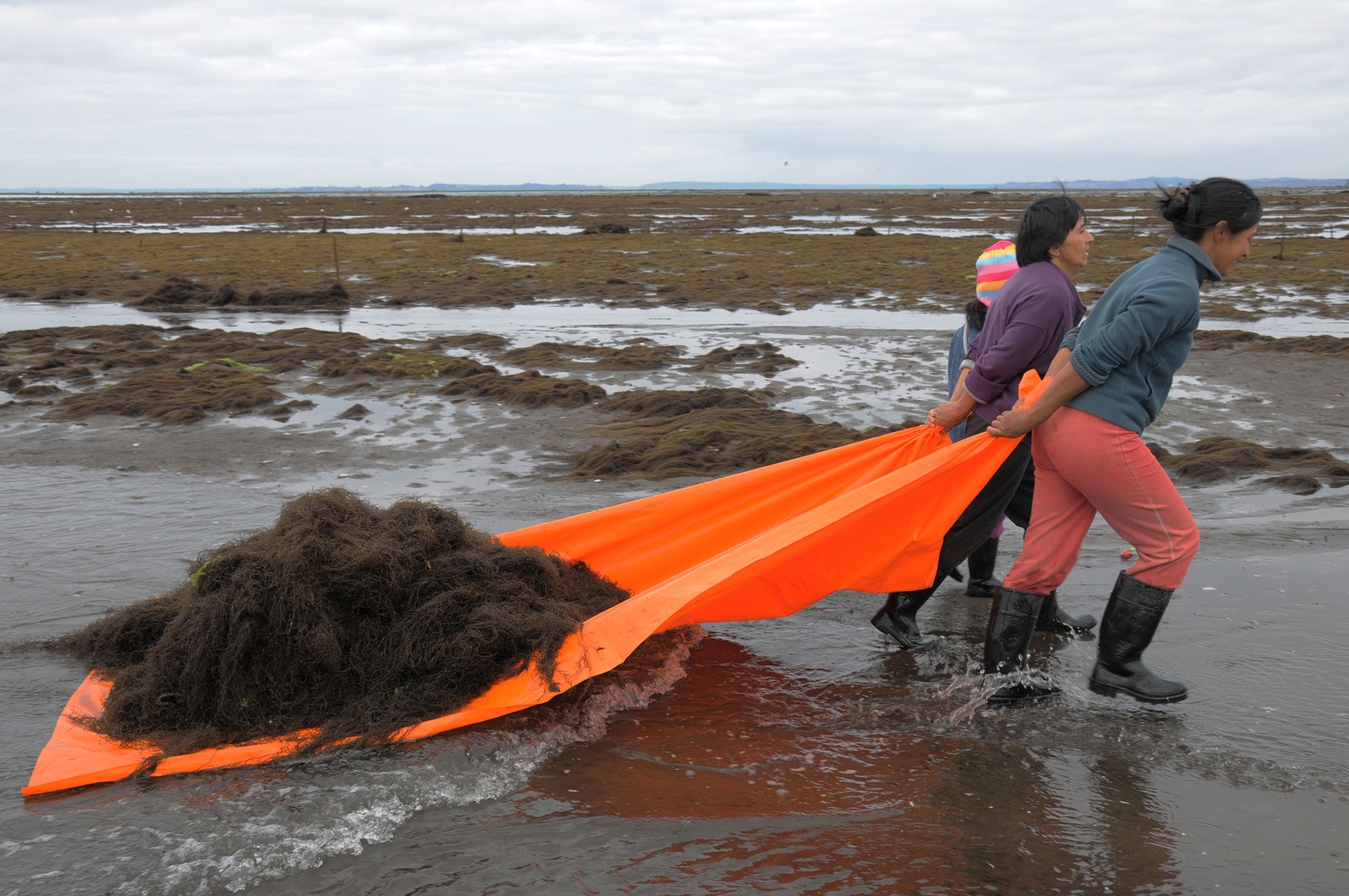
Research carried out by scientists from the MASH Millennium Nucleus (Austral University of Chile, Puerto Montt campus and the i~mar center of the University of Los Lagos) together with the Catholic University of Temuco, confirmed that different algae and pest animals would influence the production of kelp, one of the most important commercial macroalgae for the national aquaculture. The work was mainly funded by the Global Seaweed Coalition, in the framework of the BASILISK project.
The mussels (Gracilaria chilensis, one of the most cultivated algae in Chile and mainly used to produce agar, faces significant challenges due to the increase in pests and organisms that damage the crops in the south of the country.
Thus was revealed by a study recently published in the scientific journal Algae Researchled by the researcher from MASH and teacher at UACh Puerto Montt campus, Pedro Murúa and developed by an interdisciplinary team from the MASH Millennium Nucleus of the i~mar centre of the University of Los Lagos (Puerto Montt campus) together with the Catholic University of Temuco.
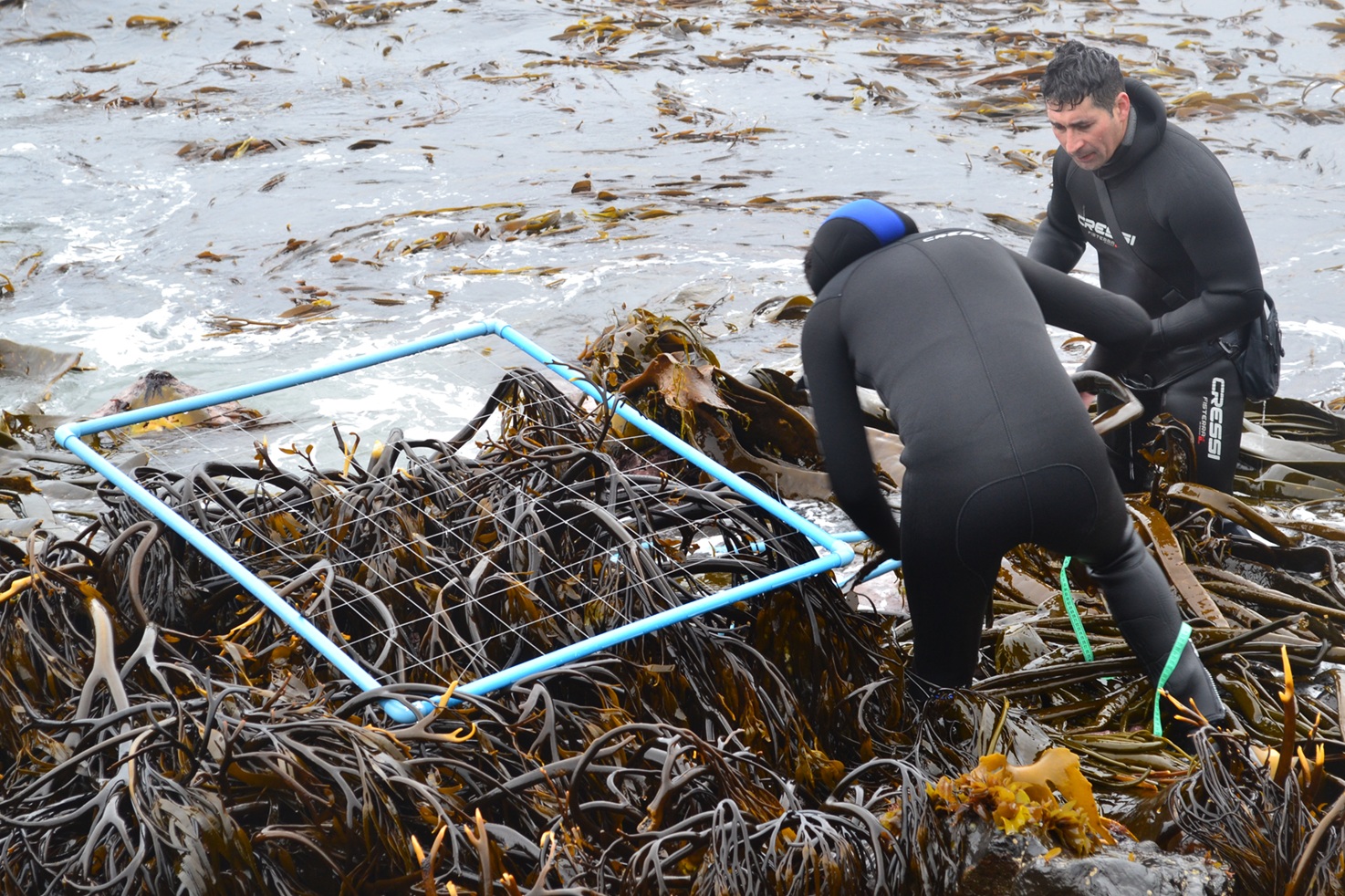
The study was carried out in Maullin, Los Lagos Region, where for more than a year different systems of hair cultivation were monitored to understand how factors such as depth, time of year and type of culture influence the appearance of epiphytes (invasive organism) on Gracilaria.
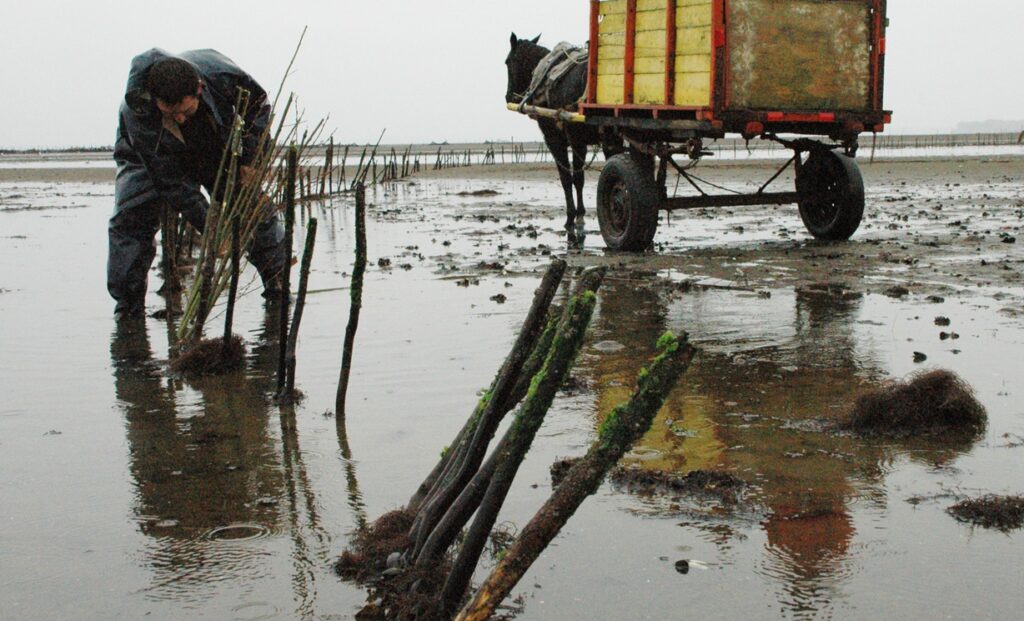
The results showed that the hair grows better during spring, when the presence of pests is less. However, during summer and autumn, the proliferation of epiphyte algae and incrustant organisms covering the algae of cultivation increases sharply, reducing their growth and final biomass.
Among the main problems identified are small filamentous red algae (Ceramials), able to completely cover the hair and compete directly for space and light. There are also plagues that are sessile animals (hydrozoa), which are usually associated with more peaceful environments, such as at the bottom of the estuary, and whose outbreaks are slower, but equally worrying.
“In general, the study shows that pests appear more strongly depending on the season and the type of crop used, so understanding these patterns is key to preventing losses,” explains researcher Pedro Murúa, principal author of the study.
Ranges on the cultivation of hair
Research also found that some more superficial cropping systems are much more vulnerable to these outbreaks, while more depth-based crops manage to remain more stable in the face of biological pressure. However, these background crops are generally less productive.
It also gives the impression that there are small crustaceans that would feed on some epiphyte algae, but that they do not manage to control pests effectively because they appear at different times of the year.
Therefore, the study proposes to implement preventive measures based on the seasonality of these systems and their potential pests, such as sowing in spring, reducing cultivation times during summer, and determining the optimal depth of cropping systems.
The research was funded by the Global Seaweed Coalition under the BASILISK project “Characterization and bioBanking of economically-relevant pestS and pathogens of hair” (Gracilaria chilensis), for biosecurity riSK management tool development” in addition to the support of national scientific initiatives such as Millennium Core MASH, Fondecyt and INCAR2.
The work provides background information to strengthen sustainable macroalgae production in Chile and support coastal communities that historically depend on the cultivation of hair as a source of work and income.