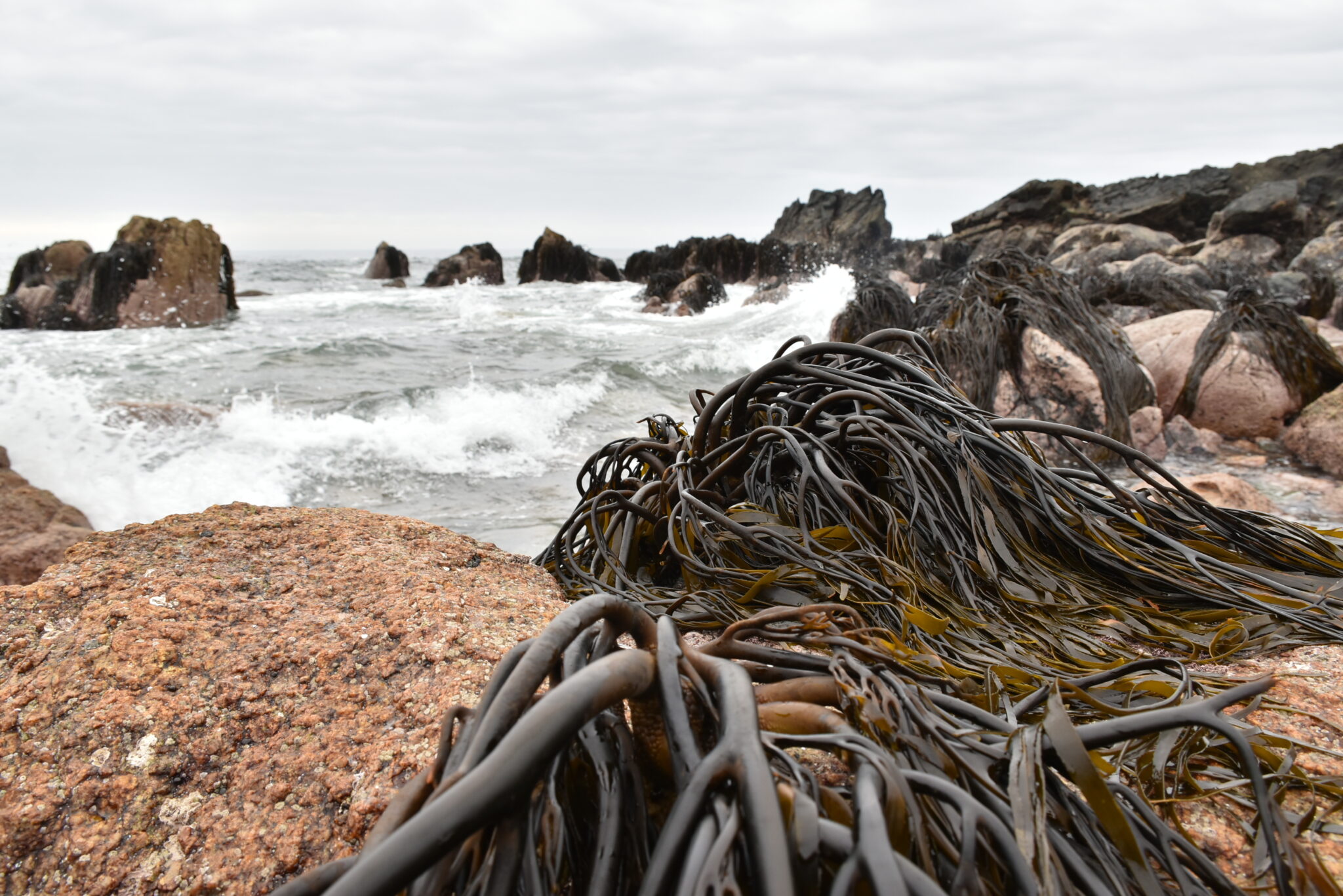
Research by the Universidad Católica del Norte and the Milenio Institute SECOS studied the interactions between ecosystems, coastal communities, public policies, climate change and international markets that influence the production of seaweed in Chile. The work identifies opportunities to strengthen the sector's resilience through adaptive governance, greater added value and a more equitable distribution of benefits.
Chile holds an undisputed leading position globally in the fishing sector, but not only because of fish or seafood, as the country has consolidated itself as the main producer of seaweed on the continent. In 2025, national production reached 426,543 metric tonnes, of which nearly 85% came directly from extraction in natural environments.
However, behind these million-dollar export figures lies a complex system of high ecological and socioeconomic vulnerability. This is demonstrated by a recent study published in the Chilean Journal of Natural History by a research team from the Millennium Institute in Coastal Socio-Ecology (SECOS) and the Universidad Católica del Norte.
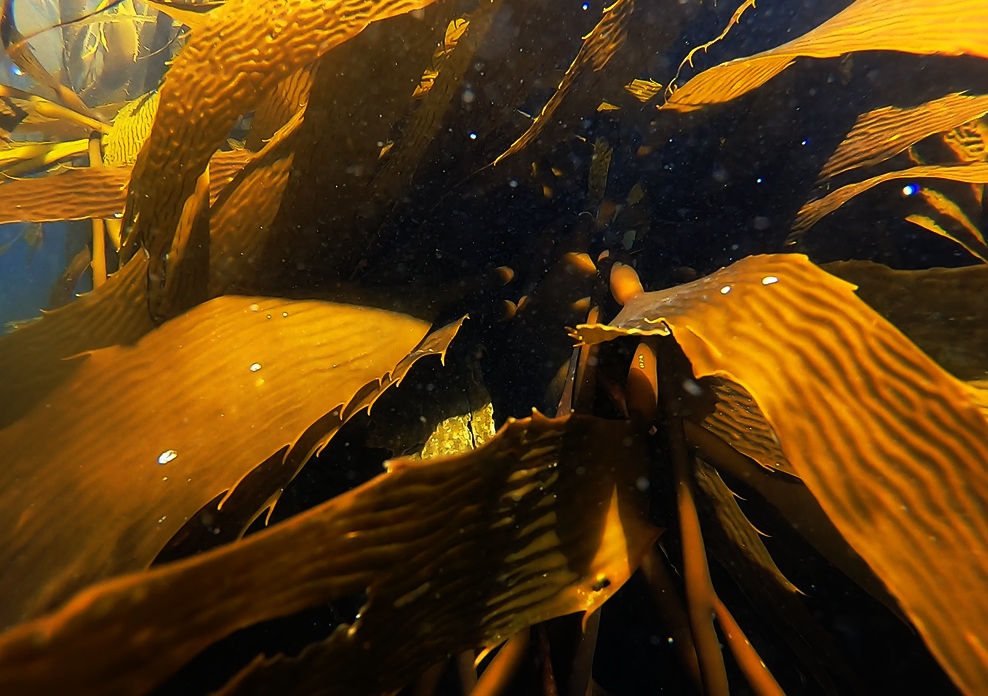
The article analyses the activity through the framework of Social-Ecological Systems (SES), to analyse how interactions influence resilience, vulnerability and sustainability, demonstrating that the survival of kelp forests (such as huiro) and the quality of life of coastal communities do not depend on a single factor, but on a complex interconnected network where ecosystems, climate fluctuations and governance interact. fishing and the demand of international markets.
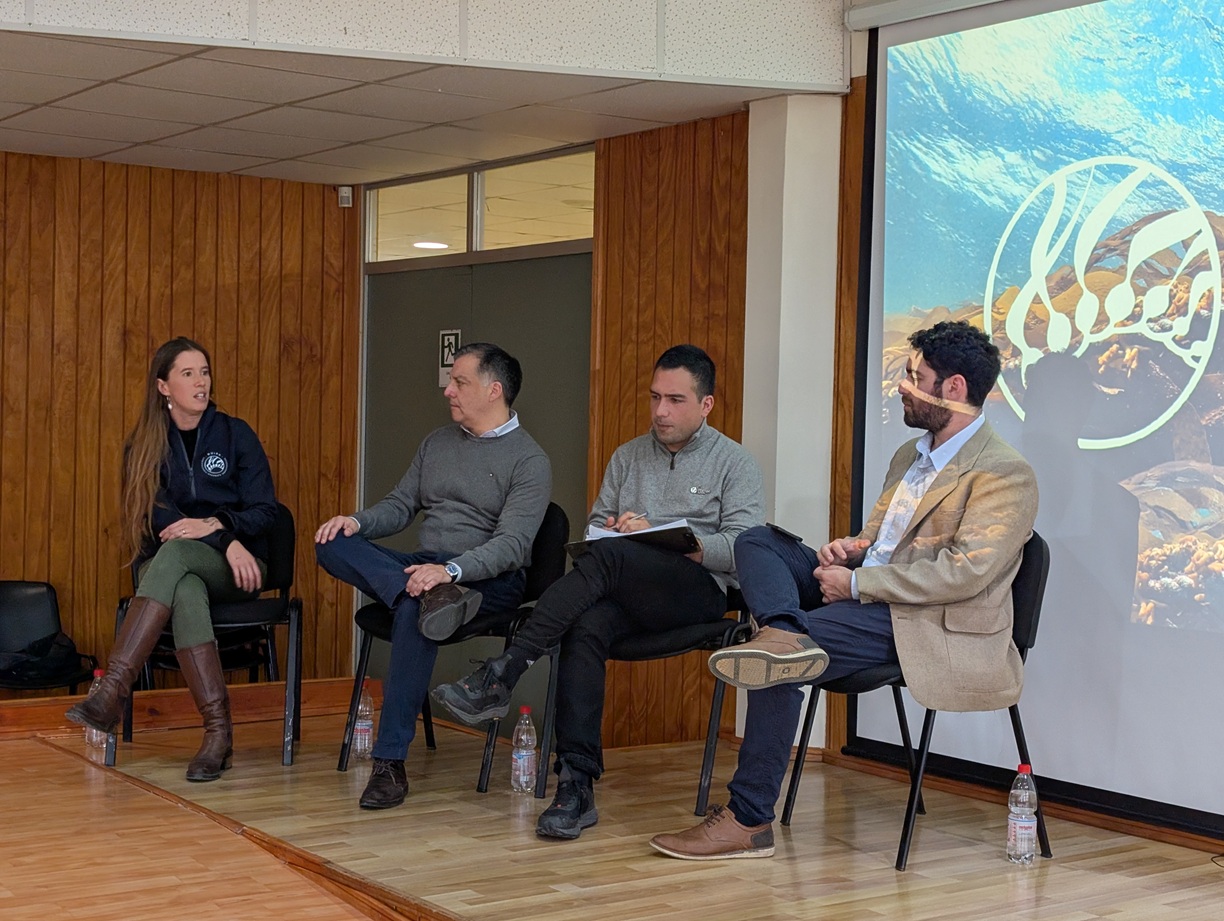
Regarding this, the alternate director of the Millennium Institute SECOS and academic from the Department of Marine Biology of UCN, Pilar Haye, explains that this work analyses the activity in its entire complexity, addressing from the biological and geographical characteristics of the resources, to the role of the involved actors and the current scientific gaps. «An integrative work applying a socio-ecological framework as a prism for analysis of the Algae extraction in Chile provides us with an integrated view of the system. By synthesizing scientific evidence, government information and institutional and local knowledge, we are able to generate foundations that can inform future public policies and management strategies," highlights.
The ‘Copper Effect’ and the pressure on the sea
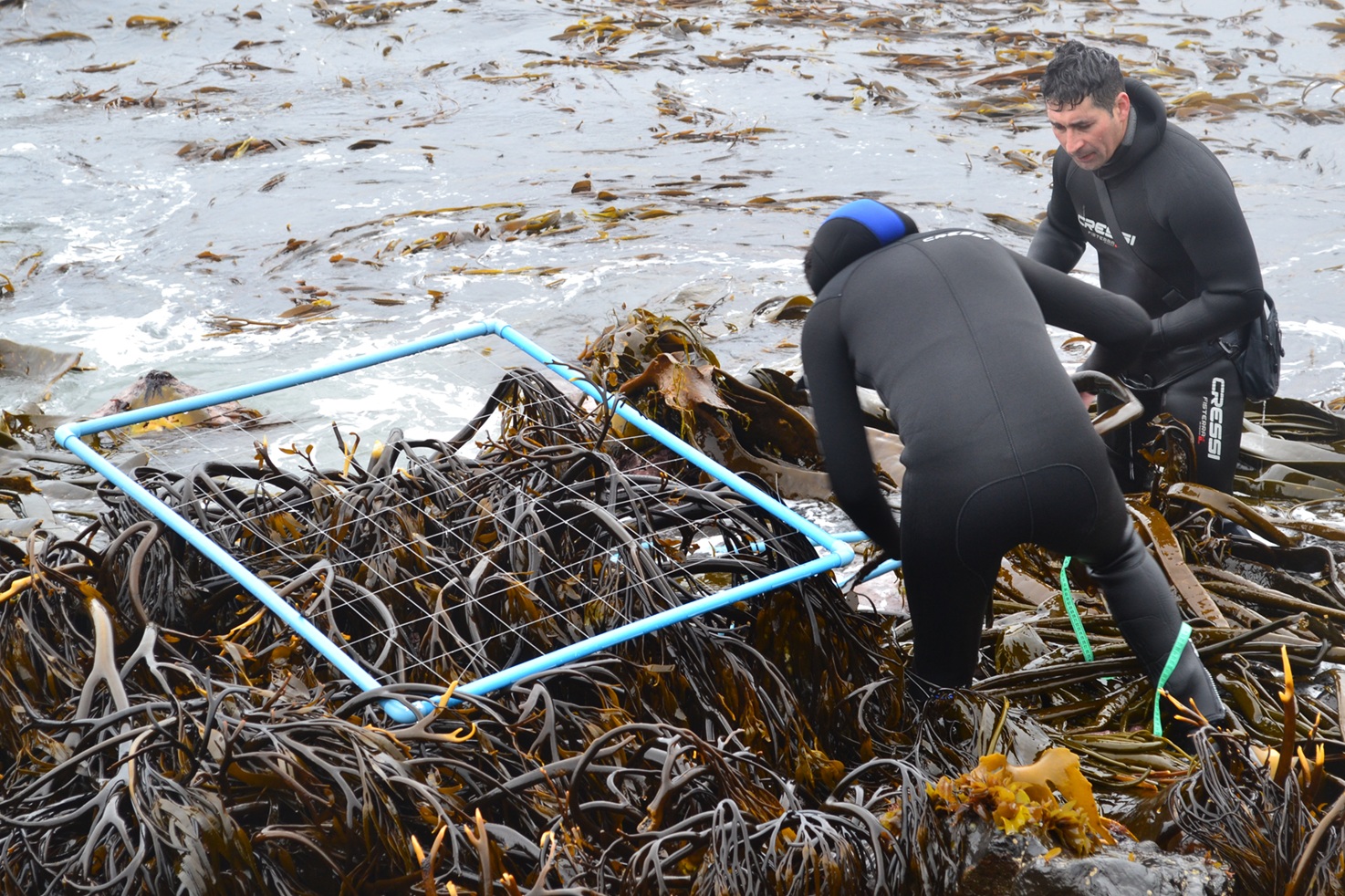
One of the most striking features of the review identifies how land macroeconomic dynamics directly impact the coastal zone. In a study previous, the researchers identified a historical correlation between the price of copper and the intensity of the extraction of brown algae in northern Chile.
When the price of red metal falls, unemployment increases in mining regions, pushing local workers and migrants to collect and sweep away as a temporary economic "saves" . On the contrary, when copper picks up, the extraction pressure on the underwater forests decreases, allowing the ecological recovery of the resource.
The postdoctoral researcher UCN and the Instituto Milenio SECOS, Nicolás Latorre, explains this phenomenon, saying that "the economy generates many social movements and mining, which is the most powerful income in the country, is no exception. This shows that the management of algae depends not only on what is happening on the coast and in local communities, but also on distant economic factors. That's why it's important to have a look more holistic, considering both ecological and socio-economic aspects.’
Blue Justice, who gets the value of the seaweed?
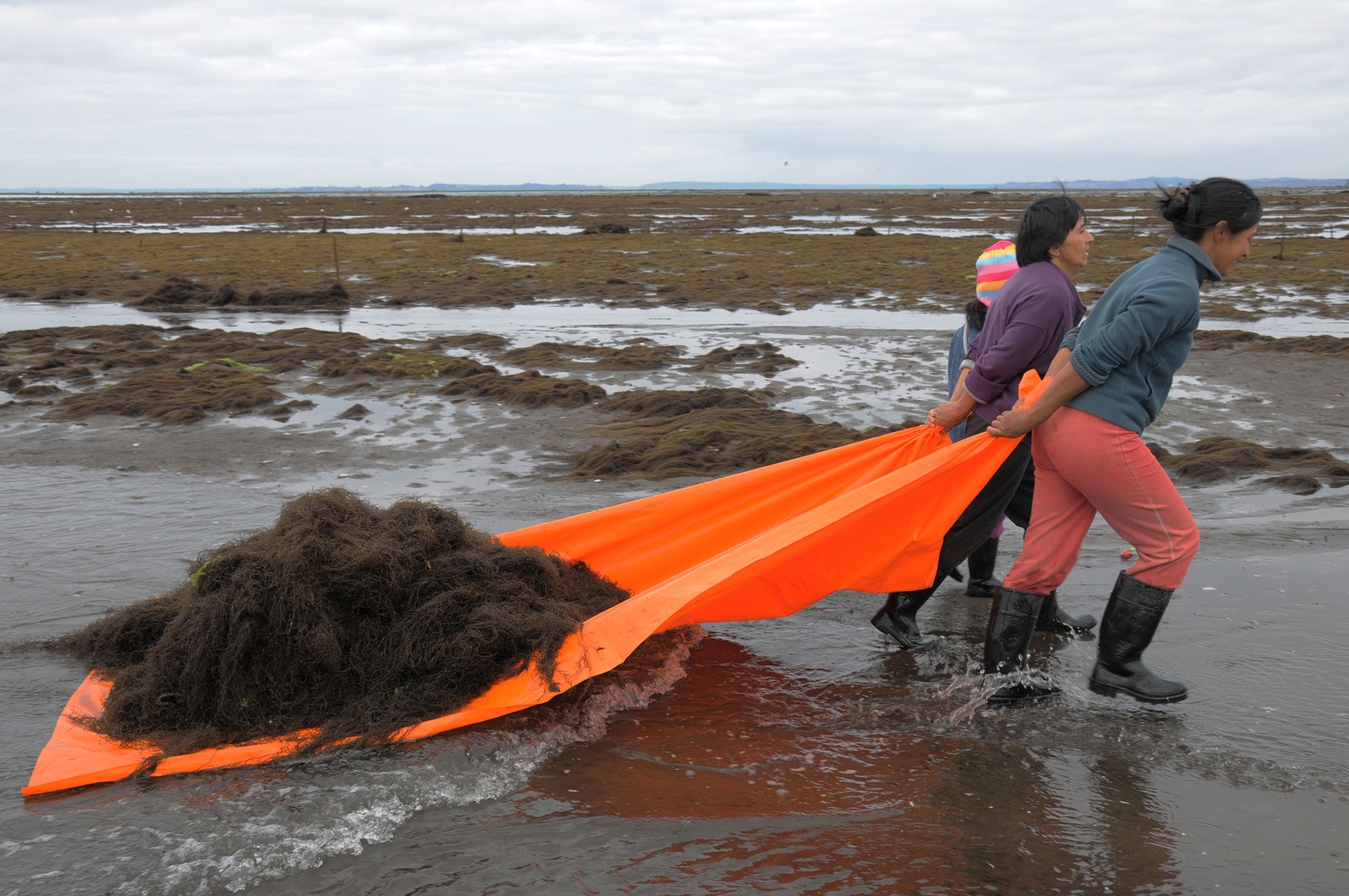
The study also focuses on a critical challenge in relation to the unequal distribution of profits along the value chain. At present, about 84,000 people are registered in the artisanal fishing register linked to alguera activity. Despite the fact that it is the seaweeds, algueras and divers who assume all the labor risk and price volatility, they are the link that receives the least economic benefit.
The Chilean market operates mainly as an exporter of commodities (dry, minced raw material with low added value), intended for Asian powers such as China, the Philippines and Indonesia, where it is processed for the phycocholoids industry (heavy and gels for food and cosmetics). Trade power and increased profits are concentrated in intermediaries and large exporting companies, perpetuating the vulnerability in craft calets, of which more than 90% still present conditions of underdevelopment.
"In Chile we export mainly algae as raw material, with very little processing," warns Pilar Haye. He adds that "this means that much of the economic value is generated after extraction, during industrial processing and product processing, stages that are often carried out outside the coves and in many cases outside the country. For a greater part of that value to remain in coastal communities, it is important promote local processing, develop value-added products and diversify local markets, including domestic consumption."
The invisible motor of the shore and the gender gap
The research also reveals the reality of gender on the Chilean coasts. Although women make up 29% of the artisanal collecting force at the national level, they have historically faced "gender-blind" policies that have excluded them from public funds and technical training. Today, however, women are leading innovation in the sector through value-added products such as snacks, jams and cosmetics. seaweed base as the Durvillaeaand have taken over the banners of governance, currently occupying about 1,190 managerial positions in artisanal fisheries organizations.
"The main challenge is to recognize and make visible the work of the algueras, as well as to ensure more equitable access to public financing," Haye emphasizes. "Many of them are already developing products with higher added value, such as food, cosmetics and other bioproducts. It is therefore important to strengthen these initiatives through financing, training and support to access new markets. This doesn't just help reduce gender gaps, but they also diversify the economy of coastal communities,” he adds.
The path to sustainability is diversifying
In the face of climate change, marked by more intense waves and heat waves, the Chilean extractive model faces a crossroads. While powers such as China base their success on massive aquaculture, in Chile commercial cultivation stagnates almost exclusively on the hair (Gracilaria chilensis), depending on the rest of the industry collecting natural populations.
To ensure the sector's resilience, the study proposes to strengthen adaptive governance by enhancing "Whale Tables" and Management Areas (AMERBs), integrating traditional ecological knowledge with science. It also proposes to review spatial rotation strategies in open access areas, as in Norway, and to promote aquaculture of native species such as green algae. Ulva spp., of great presence on the coast. Finally, reduce dependence on the Asian market by stimulating local industry, domestic consumption and the creation of high value-added biomaterials.
In this regard, Nicolás Latorre warns that cultivation technologies exist in Chile, but they face challenges: "Historically it has been cheaper to extract algae from natural populations than to cultivate them. In addition, obtaining concessions is a long process and our oceanographic conditions are complex. The challenge today is to create incentives to make cultivation an economically attractive alternative."
Faced with the climate threat, the researcher adds a cautionary quota: "The forests of flight have demonstrated resilience, but climate change and events like El Niño can slow this process. Adding unsustainable extraction increases their vulnerability. Management measures must be adapted to these new conditions to protect the ecosystem and the communities that depend on it."
In this way, the study concludes that the future of algae lies in building an equitable and inclusive system, working side by side with the grassroots communities. “Local knowledge and the scientist complement each other,” Haye says. “Today more than ever we need to co-produce knowledge to make better decisions. The experience of fishing communities and the changes they observe provide very valuable information that, together with scientific knowledge, it would enable more effective management strategies to be developed", he concludes.