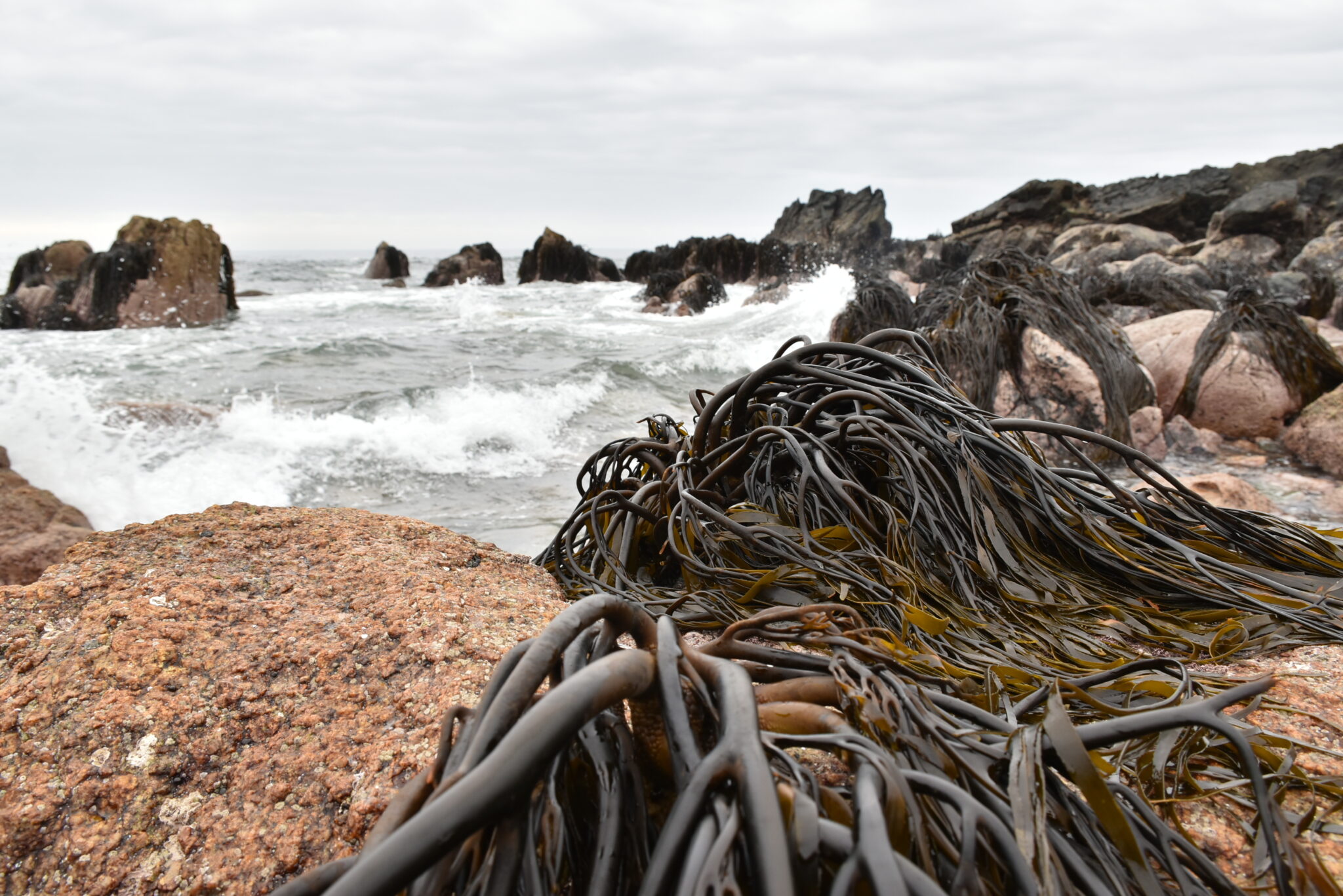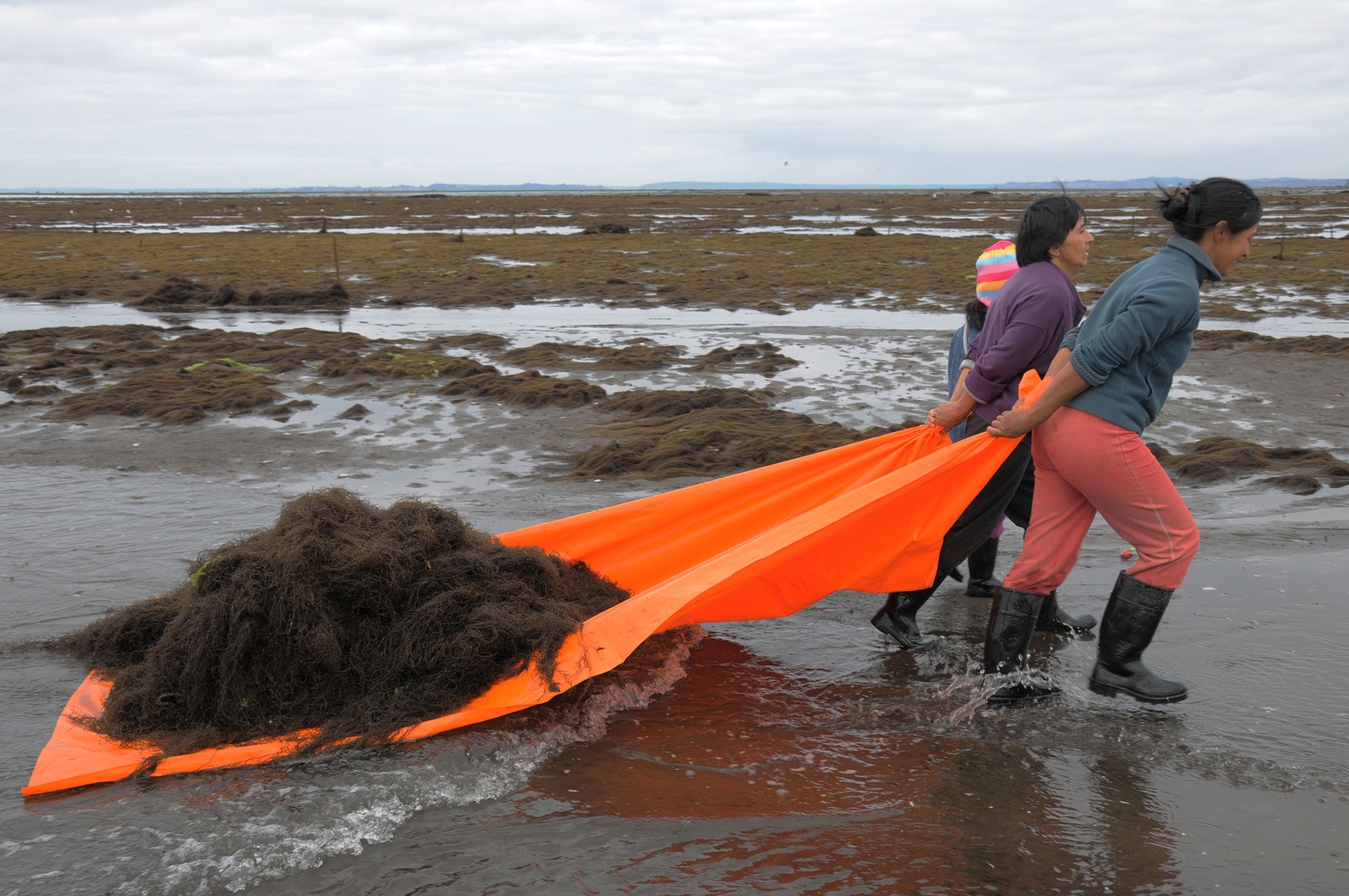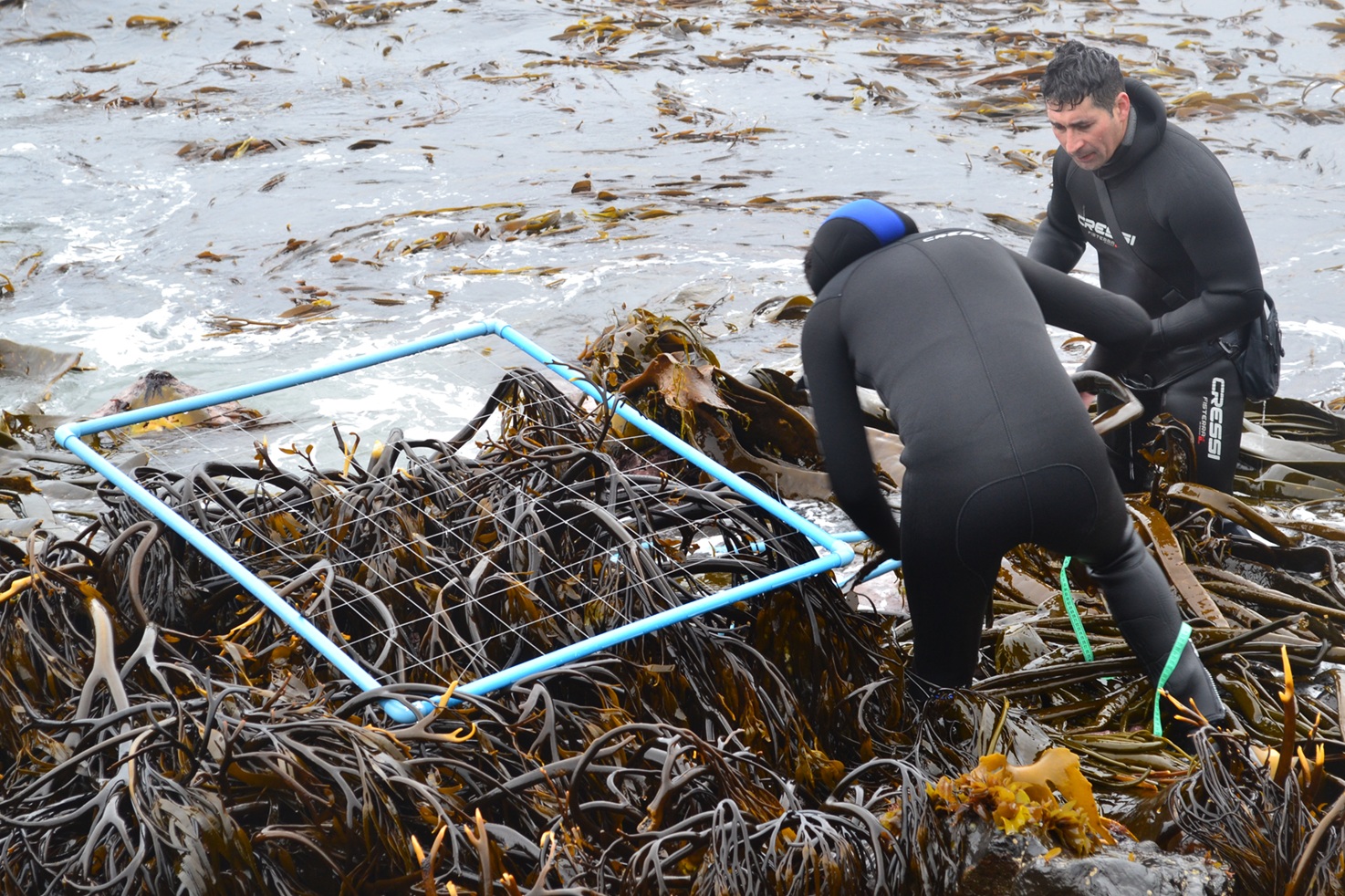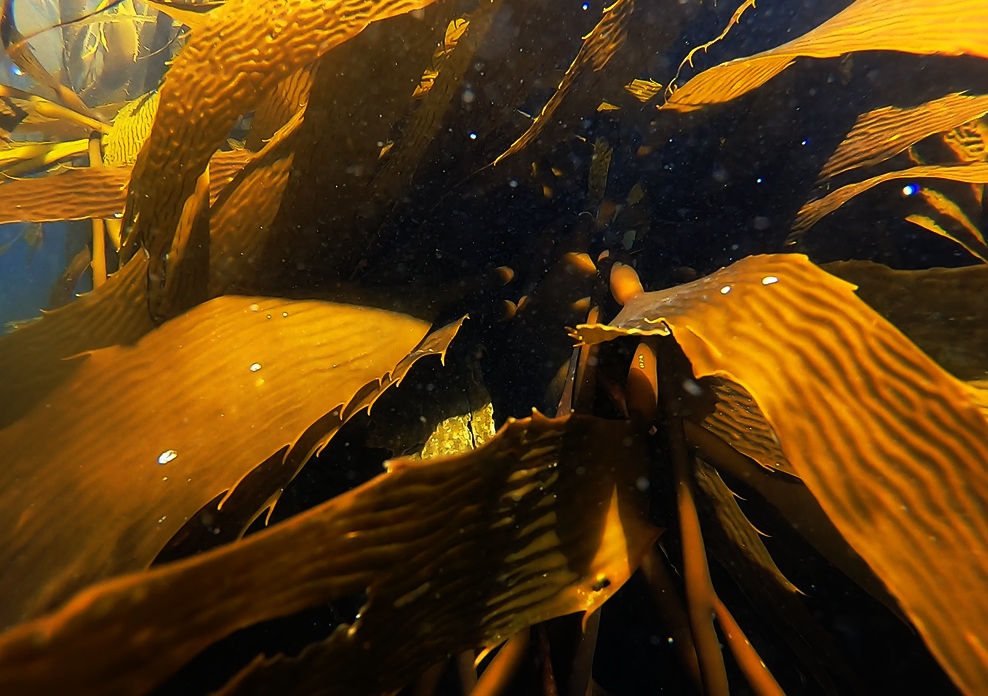
The initiative is planned with a six-year implementation horizon, during which the entire value chain of the cultivation will be addressed in an integrated way: from its early stages in the hatchery to achieving its optimal industrial transformation.
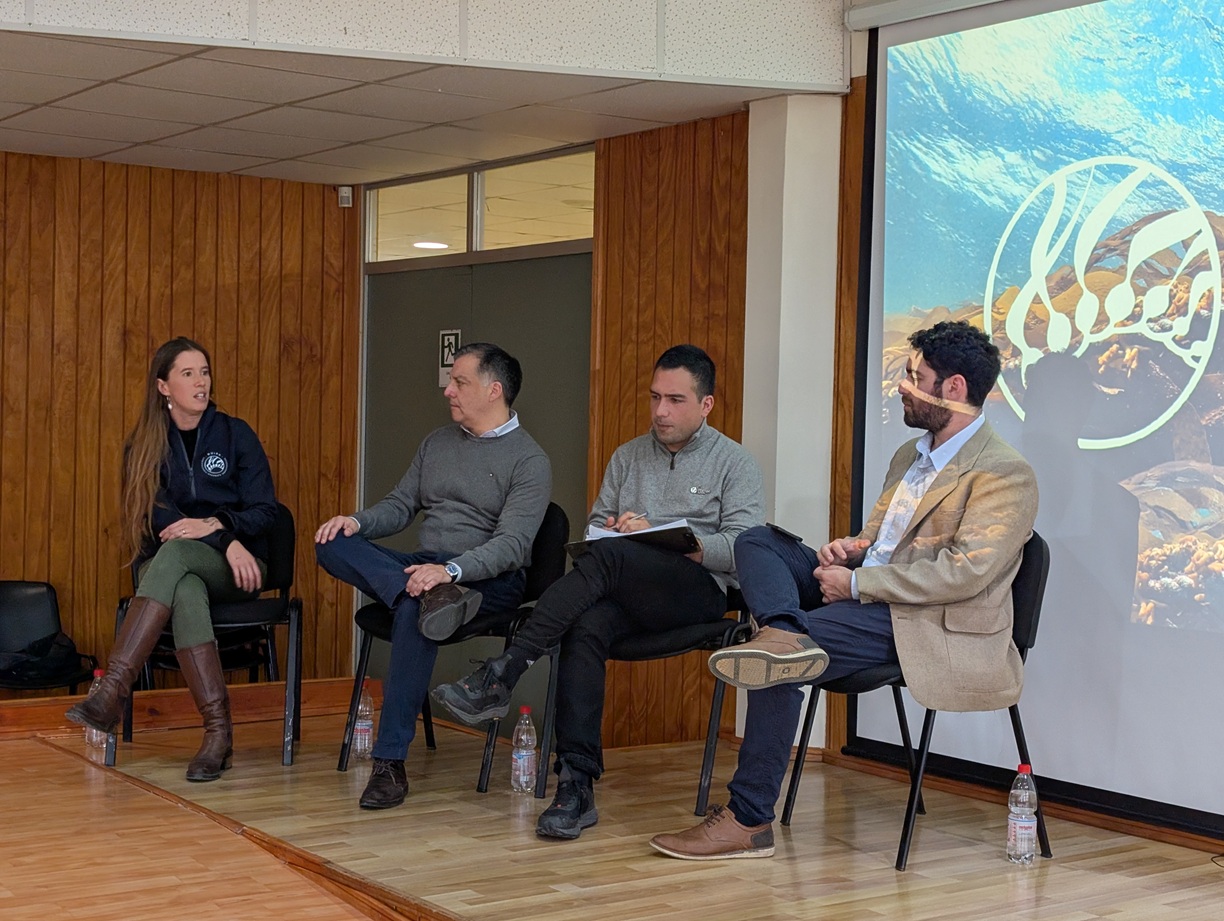
With the aim of providing concrete solutions that contribute to the conservation of marine ecosystems as well as productive development, today the first "Huiro Day" was held. This unique meeting positions itself as the first major reference dedicated exclusively to the cultivation of regenerative seaweed, marking a clear technological and commercial advance for southern Chile.
The event is part of the CORFO "Technological Programs" instrument, which is aimed at closing technological gaps and developing enabling capabilities for strategic industries through high-impact collaborative initiatives. Specifically, the event served as a platform to highlight the progress of the PTEC IPMAPY programme, whose main objective is to consolidate and scale the regenerative cultivation of Macrocystis pyrifera. The initiative seeks to integrate technological development, productive validation and value generation
added to boost a new industry in the country.
With strong state support amounting to around 3,000 million pesos through a subsidy from CORFO, this program is led by Regenerative Ocean Agriculture SpA in conjunction with various strategic partners. The initiative is planned with a six-year implementation horizon, during which the entire value chain of cultivation will be addressed in an integrated manner: from its early stages in the hatchery to achieving its optimal industrial transformation.
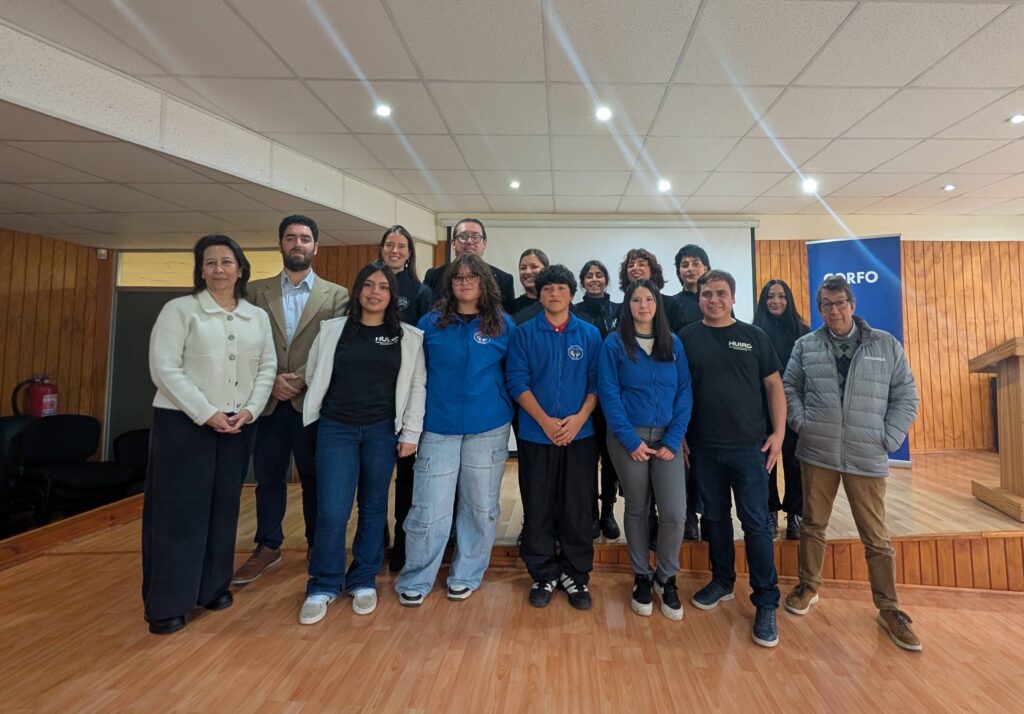
The meeting reaffirmed the mission of continuing to contribute as a company to the blue economy and the development of regenerative farming in coastal territories, integrating the vision of the State, the private sector and academia.
During the day, María José de la Fuente, General Manager of Huiro Regenerativo, highlighted the transformative vision of the project: "Through our collaborative farming network, we not only ensure high-quality biomass, but we are transforming historical paradigms: we restore marine ecosystems that have been impacted and open up new and better economic opportunities for coastal communities and the industry."
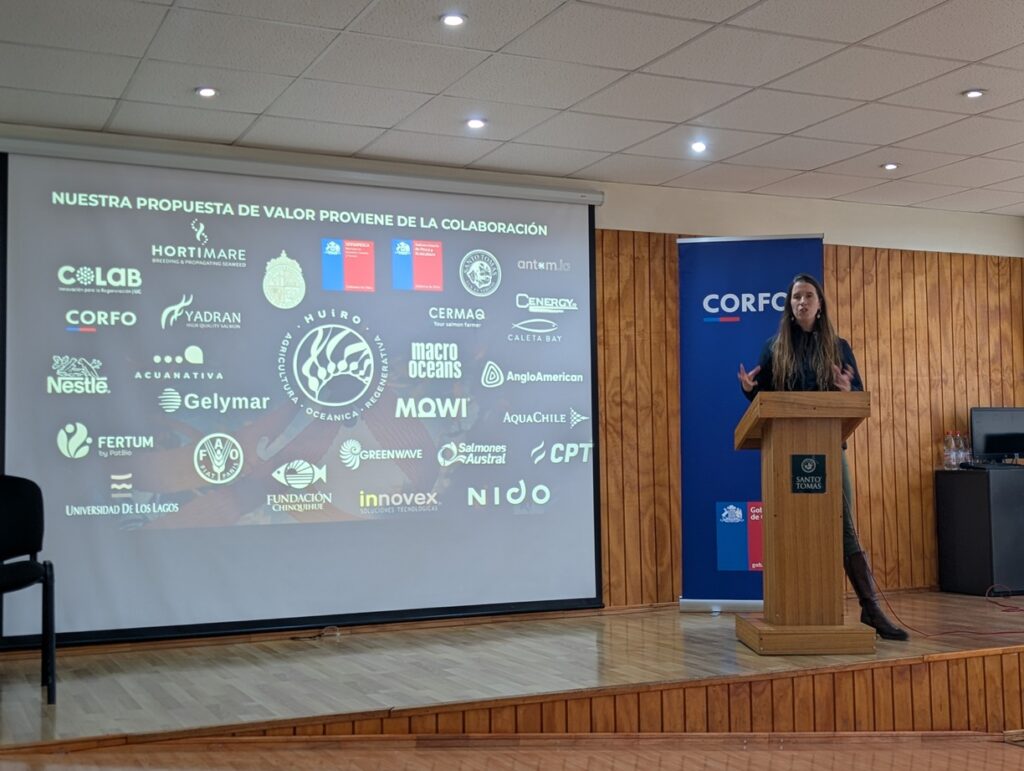
On the other hand, from the public sector, David Espinoza, Regional Director (s) of Corfo Los Lagos, emphasized the future projection of the initiative: "Our major challenge today is scalability and marketing. Therefore, we have focused our efforts on making the production process more efficient and less costly together with coastal communities, in order to obtain a truly sustainable and scalable product."
The academy played a fundamental role through the Aquaculture and Fisheries Center of Applied Research (CAPIA) of the Santo Tomás University, which acts as a strategic ally of this project. In this context, the work of the Director of ICSC, Marcela Ávila Lagos, who actively participates in the Technical Advisory Committee of the initiative was highlighted.
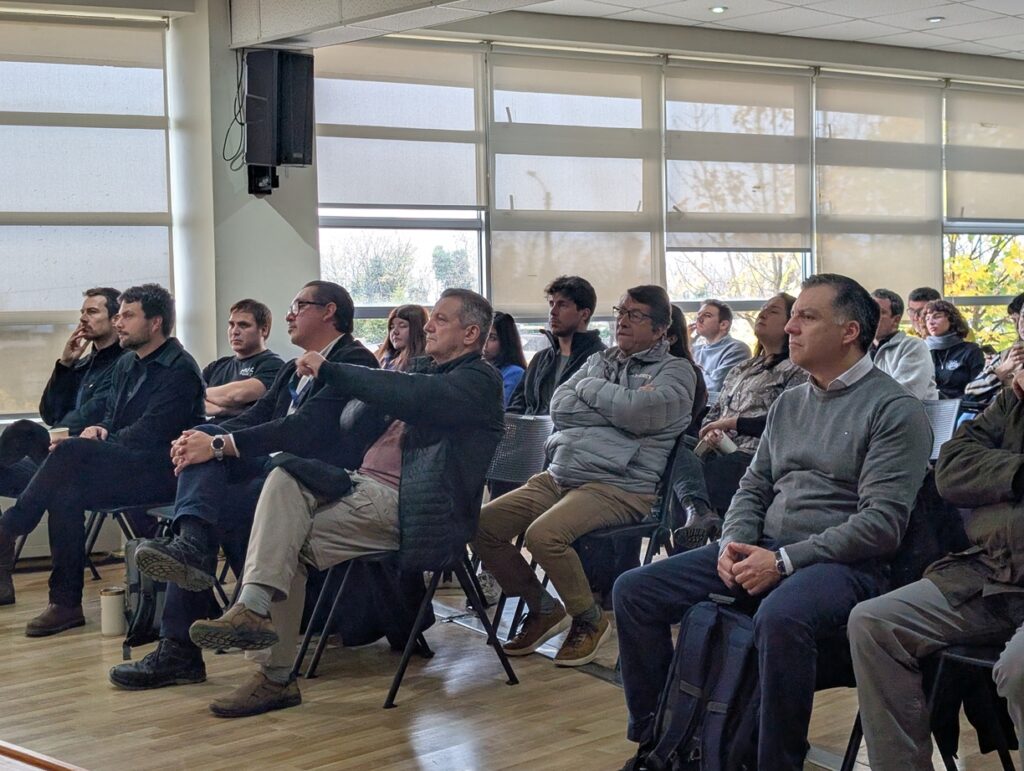
In this regard, Alberto Augsburger B., Academic Director of the Puerto Montt headquarters of the Santo Tomás University, shared a heartfelt reflection on the progress of this industry: "I was commissioned to show you what ICSC is doing, but first I want to tell you that I am deeply excited to participate in this Huiro Day. I had the fortune, 25 years ago, to leave with this technology in the cultivation of algae in Fundación Chile, so to see This level of development and maturity today is very significant," he said.
To crown the day, the attendees had the opportunity to tour an immersive show that interactively graphed the whole production process of the algae. This exhibition allowed visitors to experience the complete biological and industrial cycle: starting with the collection of sporophites from natural forests and the release of spores, moving towards the meticulous process of cultivation in hatchery, and ending with the cultivation and harvesting directly at sea. The tour showed the high technical level and the deep commitment
environmental support of the Huiro Regenerative cultivation model.