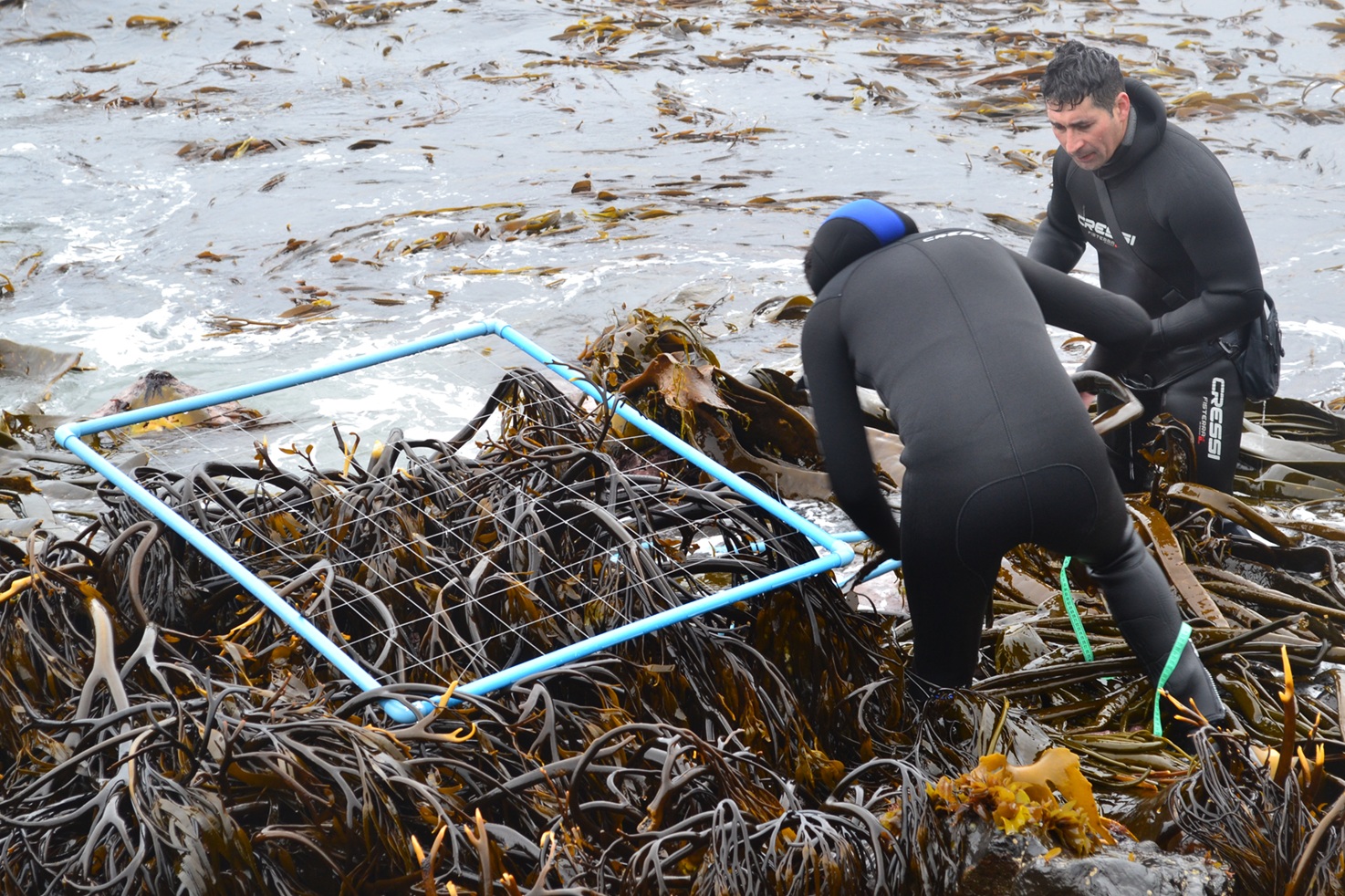
The event - developed by the MASH Millennium Nucleus and co-funded by the French collaboration GDRI fund - will be a unique opportunity for free advanced training in algal pathology, aimed at undergraduate and postgraduate students and professionals in marine biology and related areas. Only 16 places are available.
The International PHYCOPAT Course: Algal Pathology Training Programme It opens its call for students interested in deepening the study of diseases affecting algae and their impact on marine ecosystems, a theme little visible but critical for sustainable production.
The activity will take place between the 27 and 30 January in the Coastal Marine Research Station (ECIM) of the Pontifical University of Chile, in the commune of El Tabo. The course will be held partly in English due to having an international professor and only 16 places, which reinforces its intensive and specialized nature
Another of the strengths of the course is the national and international academic alliance that supports it. The exhibitors and collaborators belong to the Austral University of Chile (Puerto Montt Campus), the Los Lagos University (i-mar Center), the Pontifical University of Chile and the Roscoff Marine Biology Station, affiliated institution to French National Centre for Scientific Research (CNRS)This inter-institutional collaboration allows for the offering of high-level training, integrating complementary perspectives from basic research to applications in conservation and sustainable production.
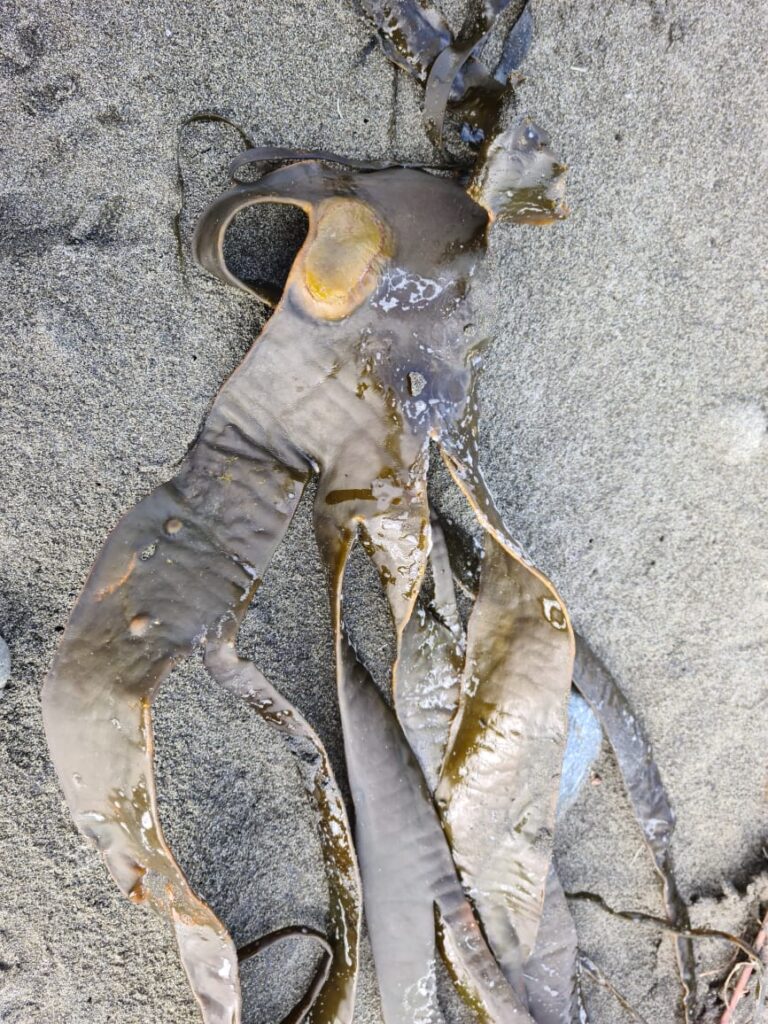
The program combines theoretical classes with practical sessions in laboratory and field. Over four days, participants will address topics such as: epidemiology and biogeography of algae pathogens, cell biology of host-pathogen interaction, algal holobion, genomic approaches and gene editing and their application in phycopathology, in addition to carrying out field sampling, pathogen isolation and microscopic diagnosis. The applied approach of the course seeks to deliver key conceptual and methodological tools for the training of future researchers and professionals in the area.
According to the researcher and organizer of the course, Pedro Murúa, “diseases in macroalgae are an emerging issue, with direct implications for biodiversity, aquaculture and food security. Training students in this area not only strengthens research, but also allows us to anticipate future problems and move towards a more sustainable production of algae based on scientific evidence.”
Those interested in applying or requesting more information can contact the mail pedro.murua@uach.cl.