"Applied research in this sector is essential to face current challenges," emphasized -among other things- Dr. Alfonso Gutiérrez from ULagos.
Looking for more sustainable practices in the world of mussel farming, it is the environmental engineering career of the University of Los Lagos (Lagos) participated in IX Seminar on Applied Research for Mussel Farming (SIAM), organized by the Chilean Mussel Farmers Association (AmiChile) together with the Institute for Mussel Farming (Emit it) in the Events Hall Enjoy Castro, province of Chiloe, Los Lagos region, where various issues were discussed, among which the management of waste from clams and the availability of the seeds of mussel (more commonly known as chorito in the national market).
Read more » The conclusions that SIAM 2024 left
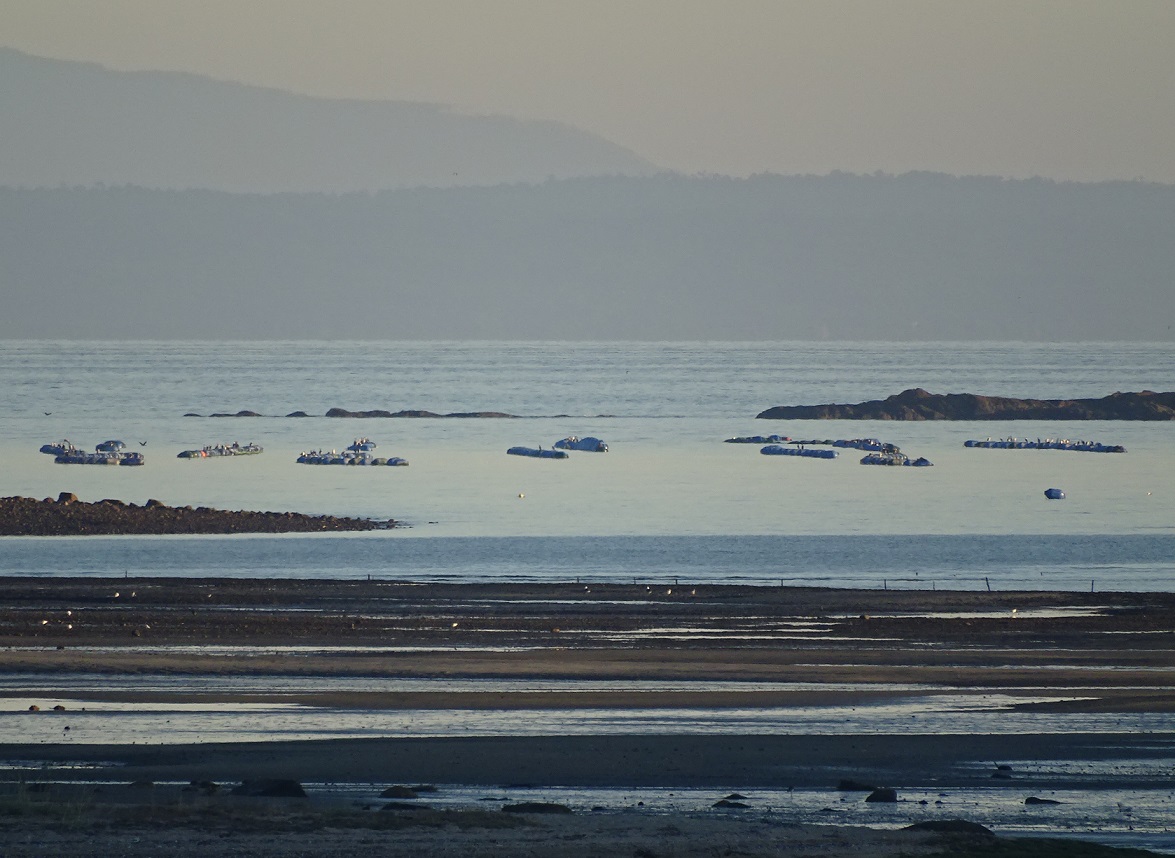
Mussel farming, also known as mussel farming, is an industry of great relevance in the south of the country and has a direct impact in marine and coastal ecosystems.
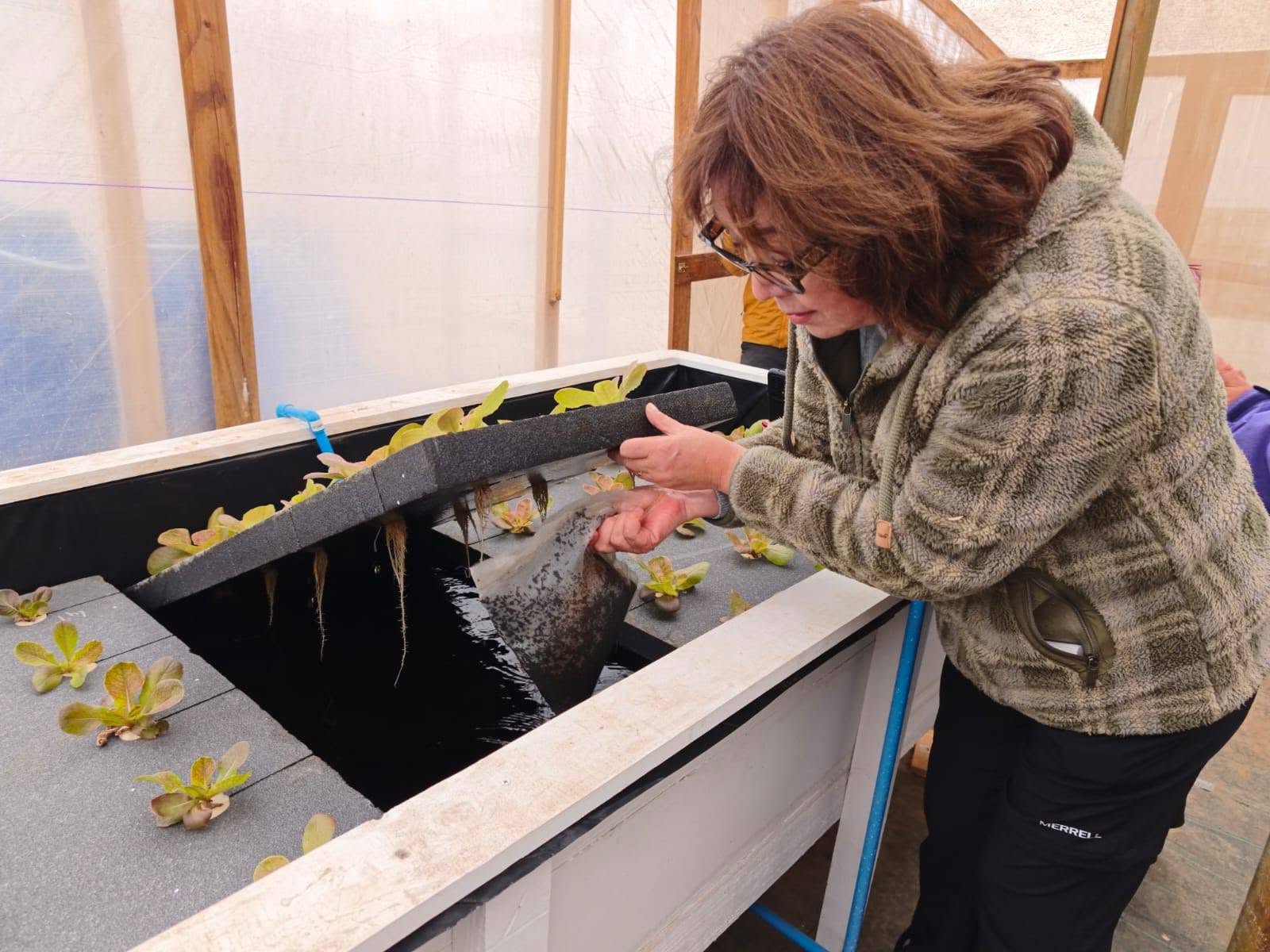
For this reason, the academic doctor Alfonso Gutierrez of the Department of Natural Resources and Environment, and Denise Silva, an environmental engineering student, both from the ULagos, emphasized the importance of sustainability in the world of local mussel cultivation.
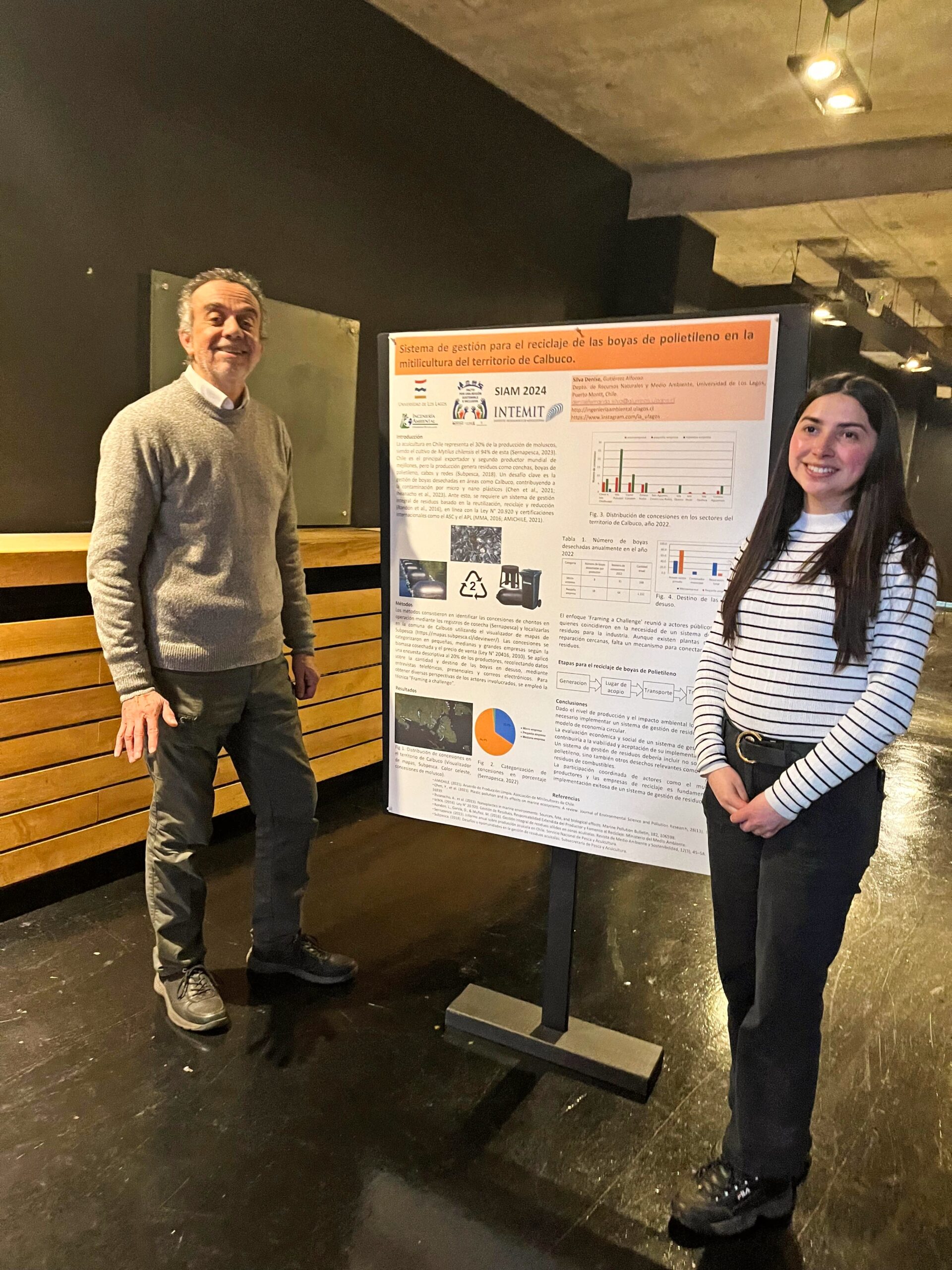
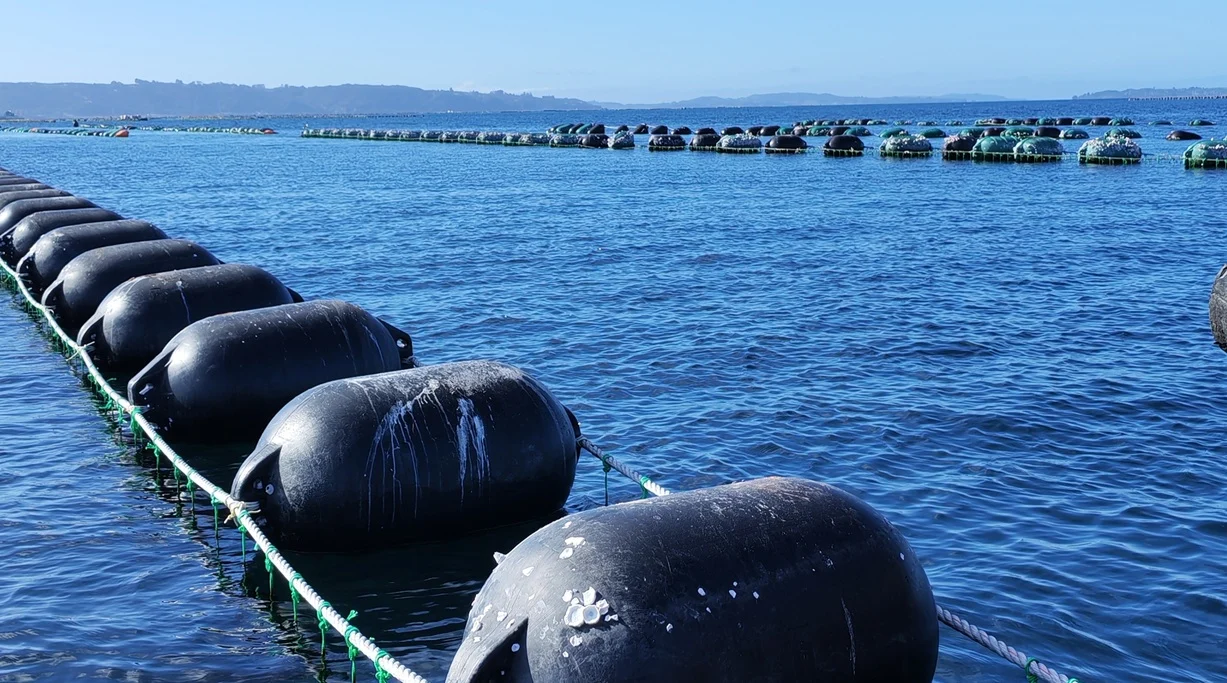
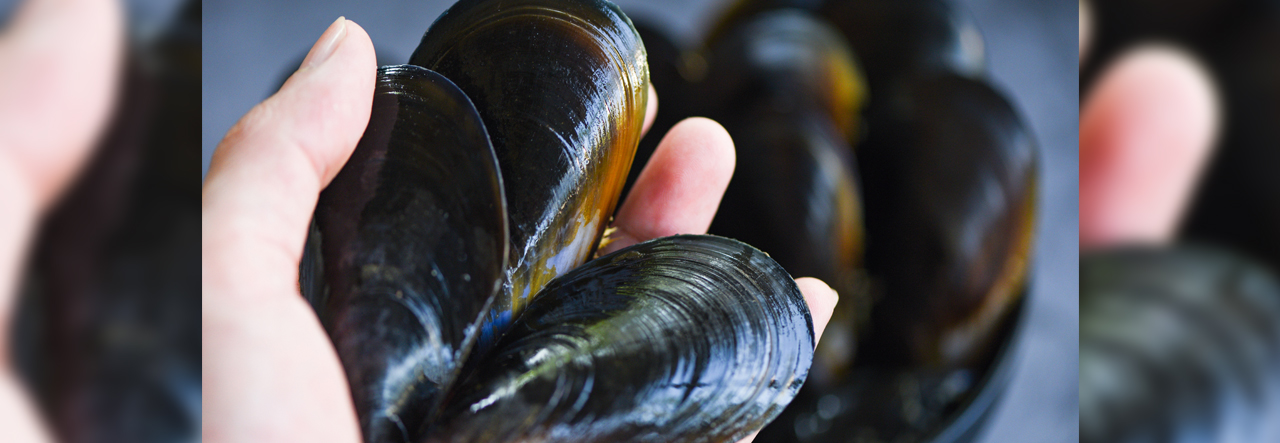
In the instance they presented the poster entitled "Management system for the recycling of polyethylene buoys in the cultivation of mussels in the territory of Calbuco"; besides the presentation of the Dr. Marco Yévenes of the Department of Biological Sciences and Biodiversity entitled "Genetic variability of natural mussel banks, origin of seeds and traceability".
"It is essential to highlight the urgency to implement sustainable practices in the mining industry to mitigate its environmental impact. This implies not only proper waste management, but also the adoption of circular economy promote the reuse of by-products and reduce the ecological footprint of operations. The research applied in this sector is essential to face current challenges, such as crop optimization and waste treatment. Technological advances and scientific knowledge emerge as key pillars to improve production efficiency, reduce costs and minimize impacts on the marine ecosystem," Dr. Gutierrez.
In turn, the academic emphasized that mussel cultivation exemplifies how environmental engineering can contribute significantly to relevant productive sectors, such as aquaculture: "The implementation of sustainable practices, responsible waste management and mitigation of impacts on marine ecosystems are aspects Increasingly needed in the millicultor industry."
Later, the academic said that participating in this seminar provided students with the opportunity to learn about current research and vanguardia in mussel cultivation, some of which can be applied to environmental management, such as impact reduction, waste management and development of cultivation techniques sustainable.
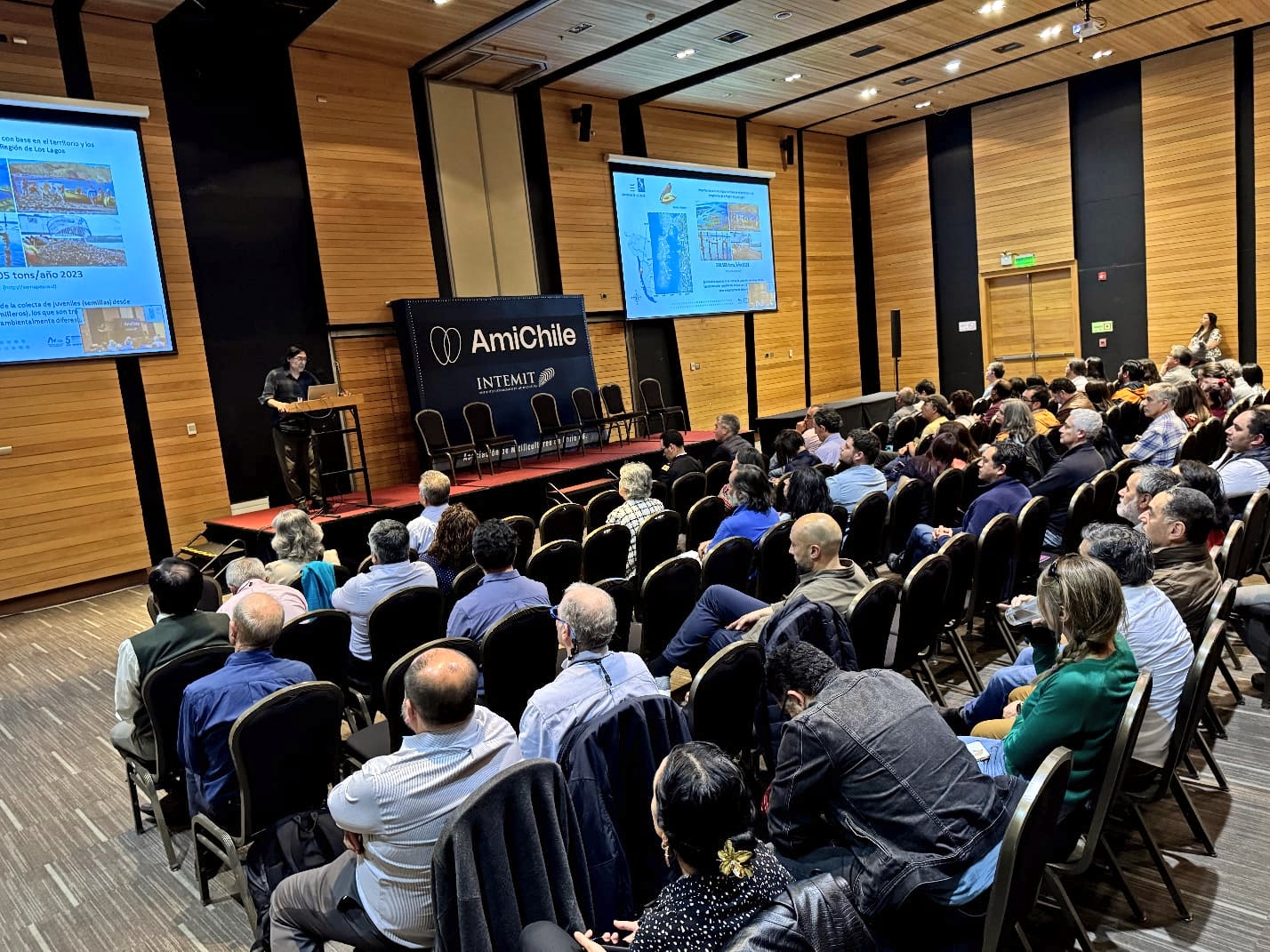
The participation of the ULagos in this seminar is part of the contribution made through the Pact for a Sustainable and Inclusive Region that the University of Los Lagos coordinates in conjunction with the Regional Government (GORE) The Lakes.
*Photo credits: courtesy of ULagos.