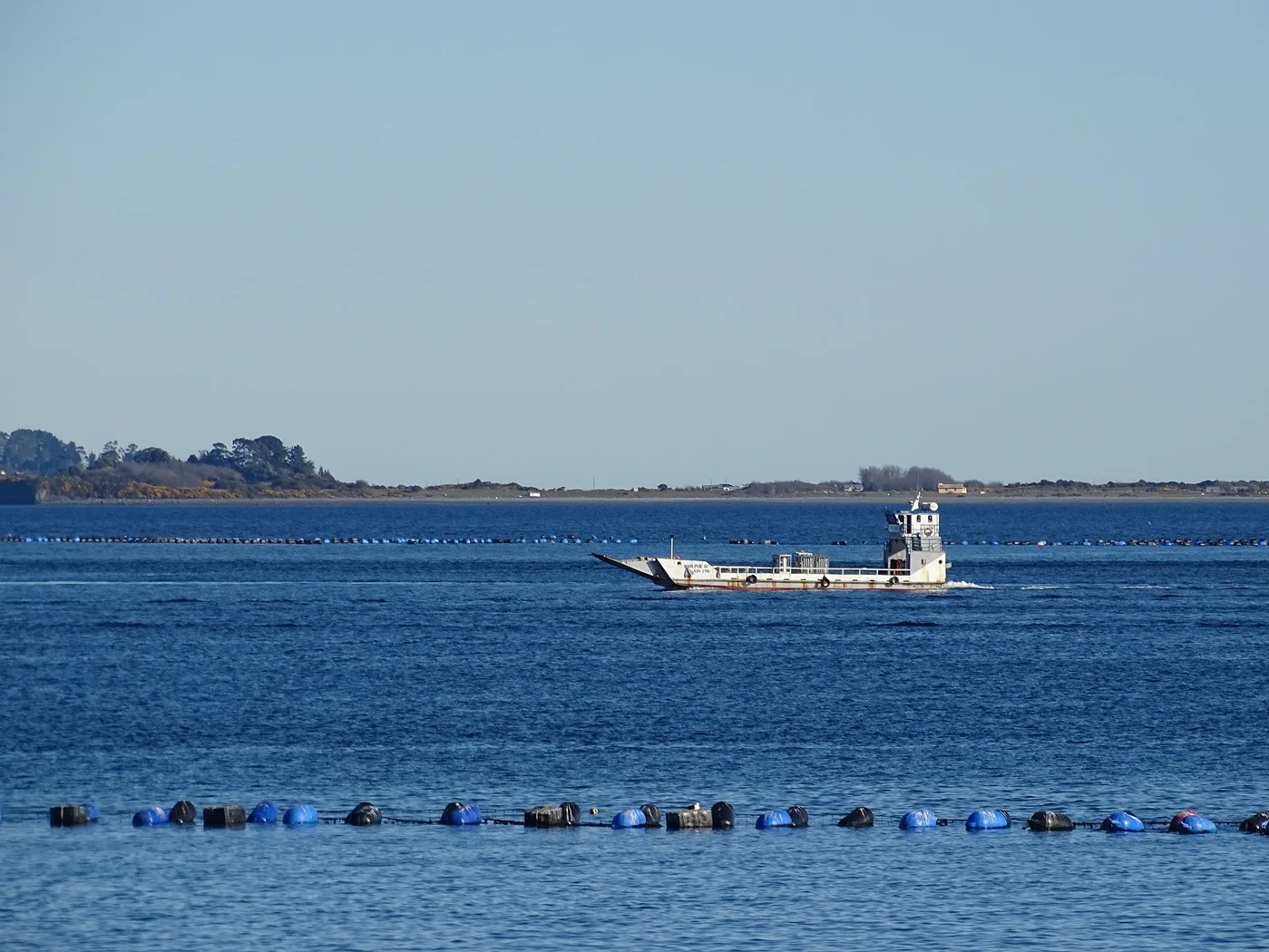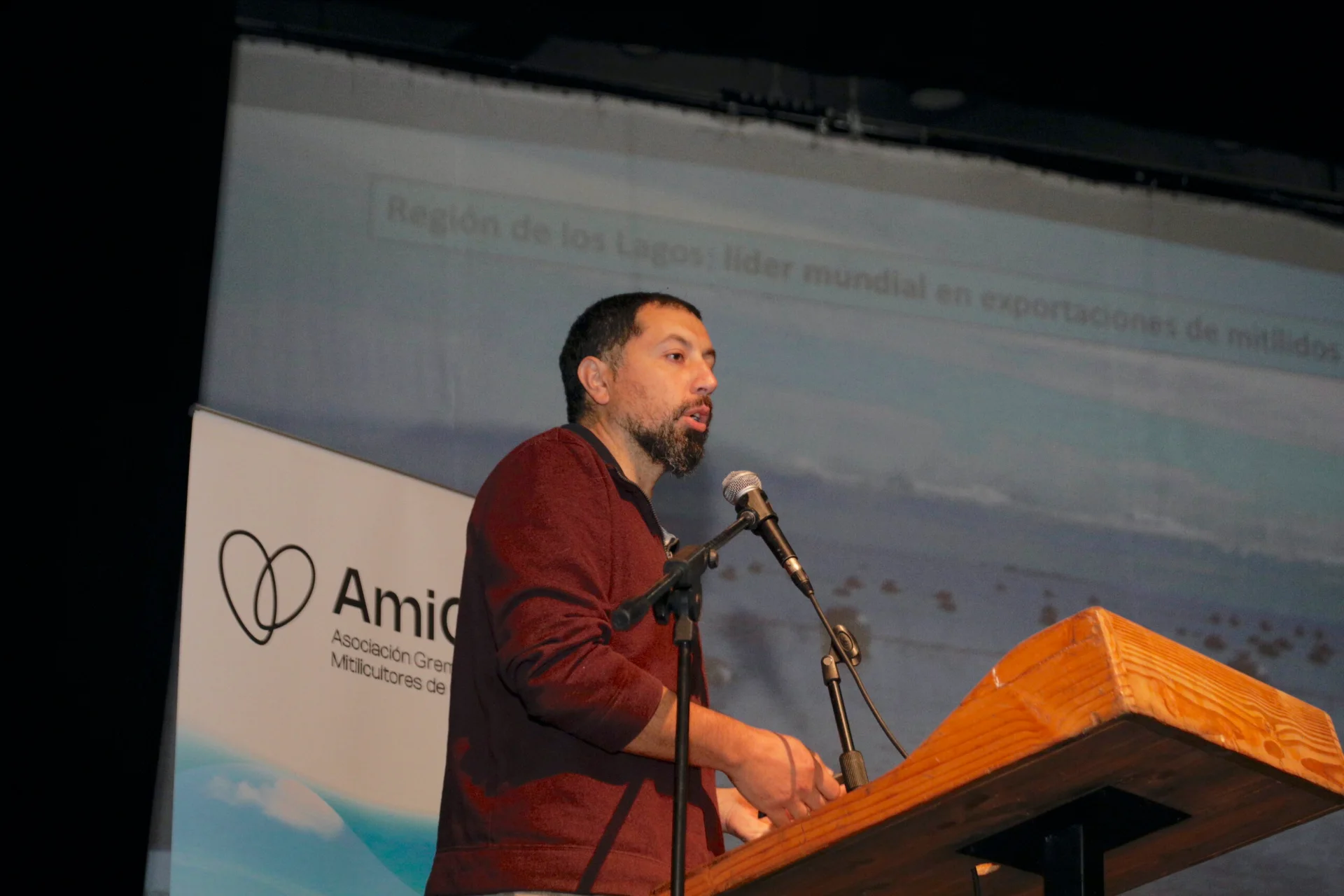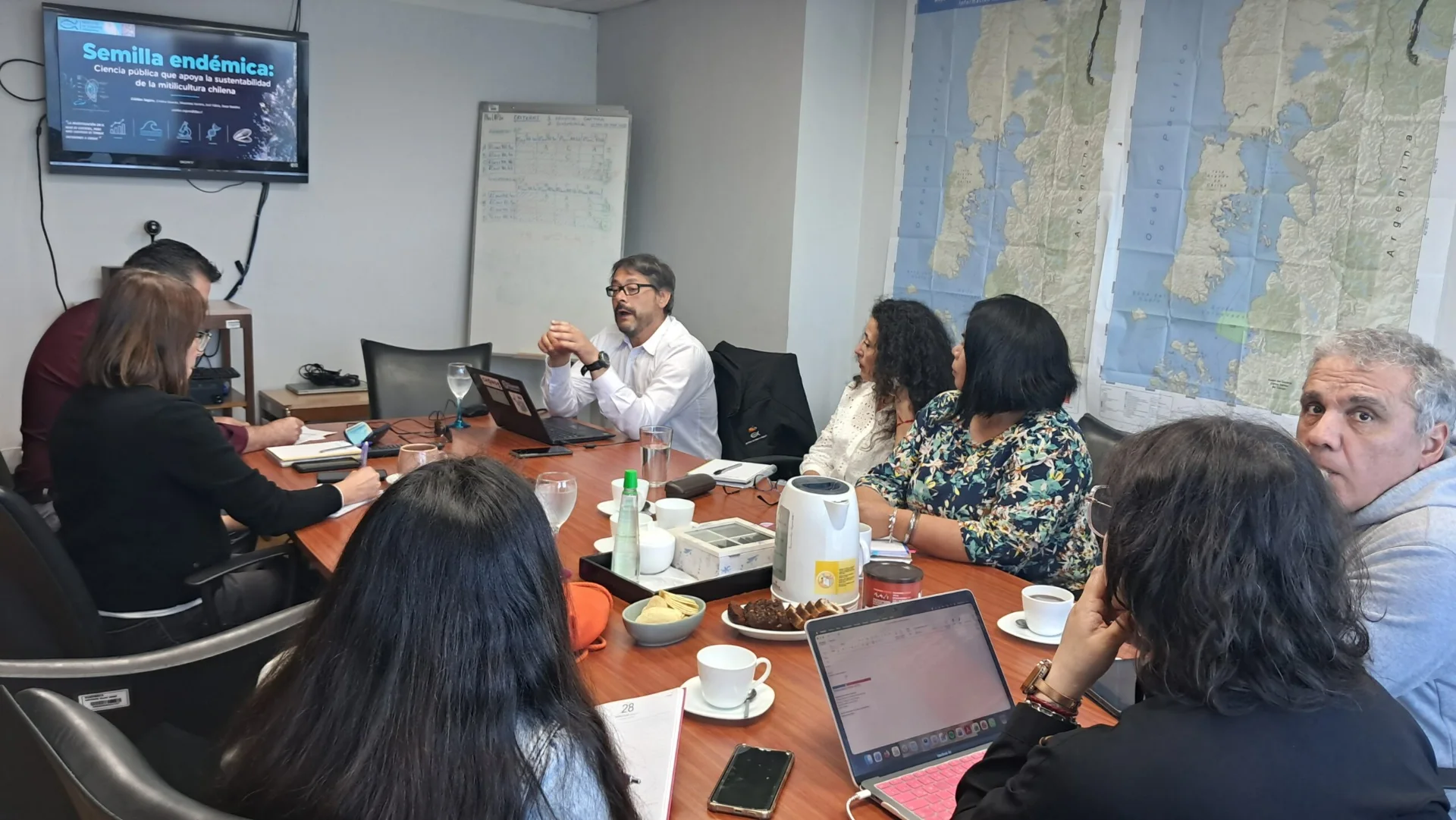
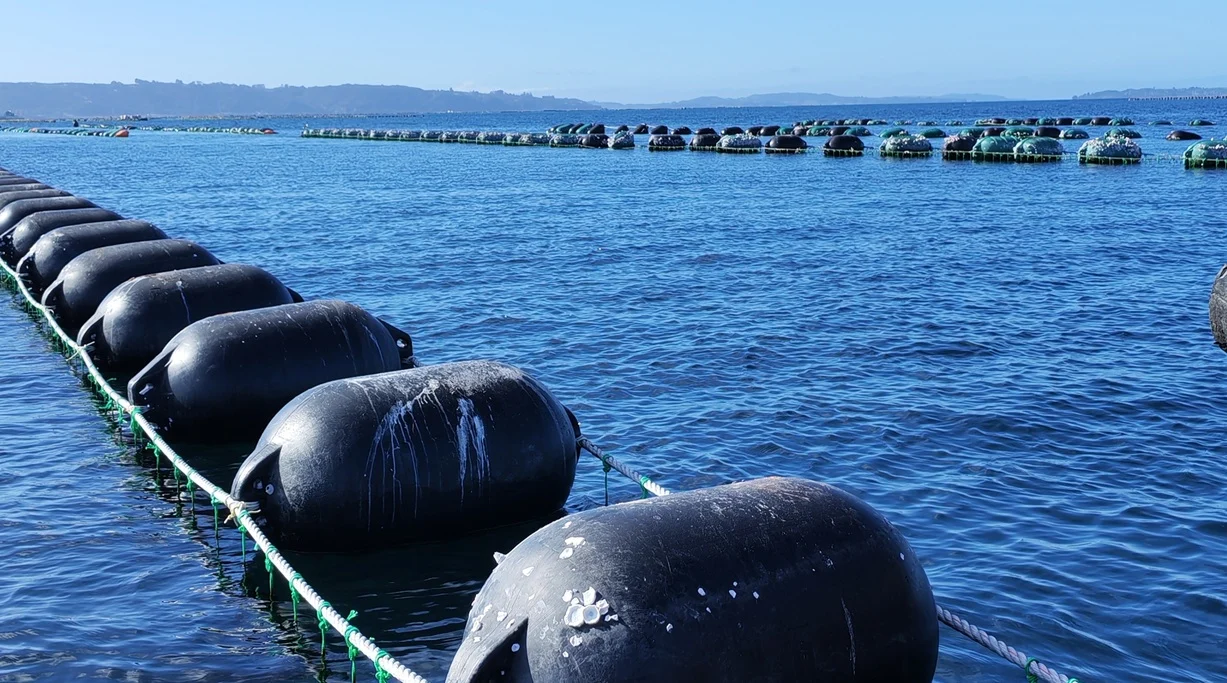
The XI Seminar on Research and Applied Innovation for Mussel Farming will take place on 30 October in Castro and will bring together researchers, specialists and industry actors to analyse key topics such as seed availability, the genetics of the Chilean mussel, marine biotoxins and new tools to strengthen the sustainability of the sector.
A little more than a week since its realization, Chiloé is preparing to host a new edition of the Research and Applied Innovation Seminar for Mussel Farming (SIIAM 2026), organized by the Institute of Mussel Farming (INTEMIT) belonging to the Chamber of Mussel Farmers of Chile A.G. (AmiChile), a meeting that seeks to bring science closer to the productive challenges of one of the most relevant economic activities in southern Chile.
The eleventh version of the seminar will take place next 30 of October at the Castro Cultural Center, calling on researchers, experts and representatives from the mussel farming sector around a day dedicated to sharing knowledge, presenting scientific advances and exploring innovative solutions for the cultivation of the Chilean mussel (Chilean mussel).
Considered an meeting place between research, innovation and productive activity, the SIIAM 2026 will place special emphasis on some of the main challenges facing the industry, with a focus on the availability and supply of seeds, the environmental conditions that influence the presence of larvae, the genetics of the species and the factors that affect its development and survival.
Seeds, larvae and environmental conditions: keys to mussel farming
One of the central axes of the programming will be the research associated with seeds, a fundamental resource for the continuity and development of Chilean mussel farming.
In this context, the researcher Bernardo O. Broitman will present advances on the monitoring and prediction of the availability of wild seedlings of Chilean mussel in northern Patagonia. Likewise, Oscar Ramírez will address the variability in D larval density of mussels and the associated environmental signals in the inner sea of Chiloé and the fjords of southern Chile.
The scientific agenda will also include the presentation by Patricio Díaz on marine biotoxins and their potential impacts on the life cycle of the Chilean mussel, along with the presentation by Marco A. Lardies, who will analyze the relationship between the seedbed and the juvenile mortality of this species.
These topics will allow for a deeper analysis of factors affecting the availability of seed and the performance of the cultivation, contributing to the discussion on research tools that respond to the current and future needs of the mussel farming industry.
The seminar will also provide a space for reflection on the relationship between the industry and society. In this context, César Salazar will present the presentation "Debunking public perception and strengthening the social license of the mussel industry", focused on the challenges of engagement and social legitimacy of the sector.
One of the key topics will be the genetics of the mussel and its importance for the sustainability of aquaculture in Chile. Regarding this, Cristian Gallardo will address the implications of understanding the genetics of Chilean mussel, relevant knowledge for advancing the development of mussel farming.
Genetics and innovation to strengthen the cultivation of Chilean mussels
During the afternoon, the schedule will focus on innovation and strengthening the industry, with activities including the launch of INCAR2 and a specialized seed workshop led by Dr. Carlos Molinet.
Similarly, the program considers the signing of an agreement with INCAR 2, scheduled for the end of the morning block.
Chiloe, meeting point for science and industry
A few days before its implementation, SIIAM 2026 is projected as an opportunity to share knowledge and experiences around the challenges of mussel farming, promoting dialogue between those who research the Chilean mussel and those who are part of its production chain.
The meeting will take place between the 08:30 and 16:00 hours, at the Centro Cultural de Castro, located in Serrano 320.
People interested in participating can register through the form enabled by the organization.
XI Seminar on Research and Applied Innovation for Mussel Farming (SIIAM) 2026: Fill in the form
The invitation is to be part of this scientific and technological meeting in Chiloé, where research, innovation and collaboration will be the main themes of the conversation about the future of Chilean mussel farming.