Emphasis was placed -among other things- on the opportunities that science generates for innovation in the industry.
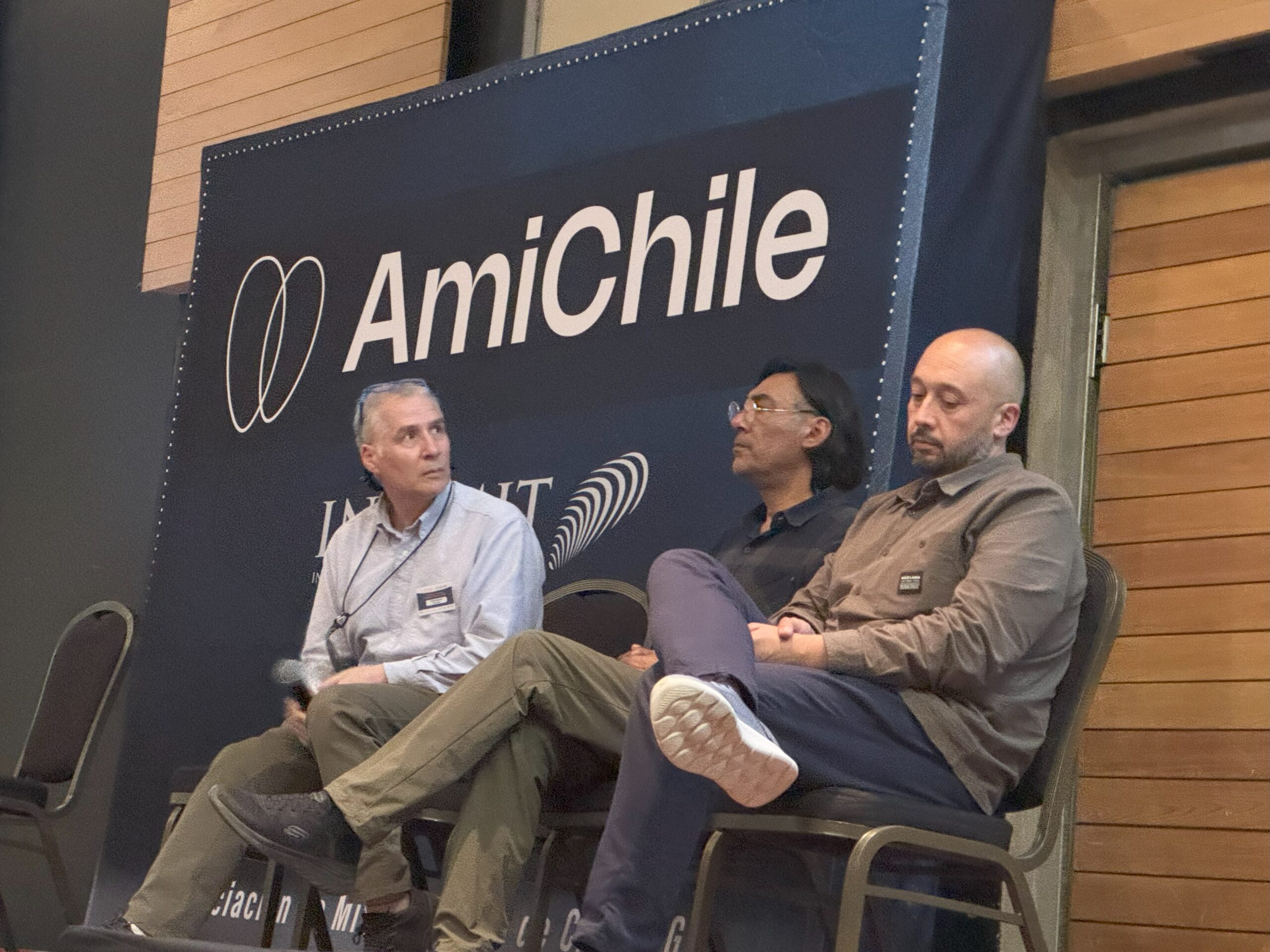
This week, in the Events Hall Enjoy Castro, province of Chiloe, region of Los Lagos, the much-anticipated was held IX Applied Research Seminar for Mussel Farming (SIAM), instance organized by the Chilean Mussel Farmers Association (AmiChile) together with the Institute for Mussel Farming (Emit it).
The meeting featured the participation of outstanding national and international researchers around two issues main: circular waste management of clams the cultivation of mussels and the sustainability of seeds.
The president of the board of directors of AmiChile welcomed the day, Laura Espinoza, who highlighted the relevance of Research, Development and Innovation (R & D & I), always taking into account environmental care. "Central industrial themes can be reviewed from various perspectives. Research and technological development can open spaces for innovation in the face of climate change," he emphasized.
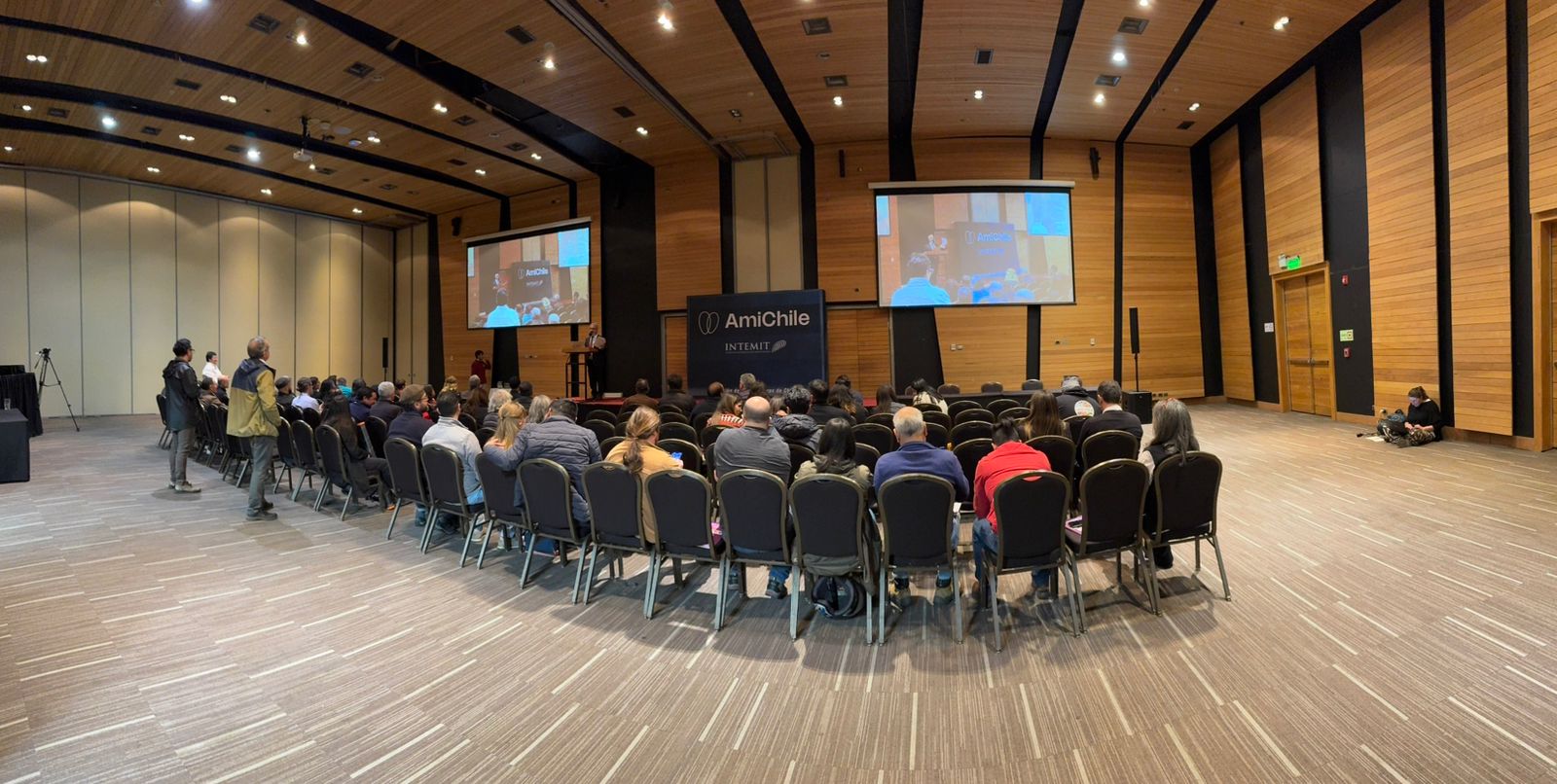
The first exhibition was in charge of Dr. Andrew Jeffs, academic and researcher at the Institute of Marine Sciences and School of Biological Sciences of the University of Auckland and Sponsorship Programme for Collaborative Research of the OECD, New Zealand, who, together with the researcher Emilee Benjamin, addressed New Zealand's experience in ecological restoration of mussel benches.
About nature-based solutions as a strategy to strengthen the management of mussel cultivation exposed Nelson Lagos, of the Center for Research and Innovation for Climate Change - CiiCC, Universidad Santo Tomás and Instituto Milenio en Socio-Ecología Costera – SECOS, Chile. "Some attributes of nature-based solutions are their ecological value and the ecosystem benefits they provide," the researcher commented in his presentation.
Alvaro Navarrete, for its part, addressed mechanical analysis in materials derived from waste clams of mussel cultivation. "Mechanical study is important to evaluate biomaterials"the researcher of the Doctorate of Engineering Sciences Program of the University of Santiago de Chile pointed out (USACh).
In the meantime, Dr. Begoña Peceñoof the Catholic University of the North (UCN)presented his research on reef development using waste the cultivation of mussels, detailing that further progress is required in the development "on a laboratory scale of materials to produce artificial reefs; to evaluate in subtidal environment the ecological performance and persistence of prototypes of artificial reefs on a pre-industrial scale"; and that further research should be carried out on the "Environmental and economic impact of artificial reefs that maximize their resistance and ecological performance in the marine environment."
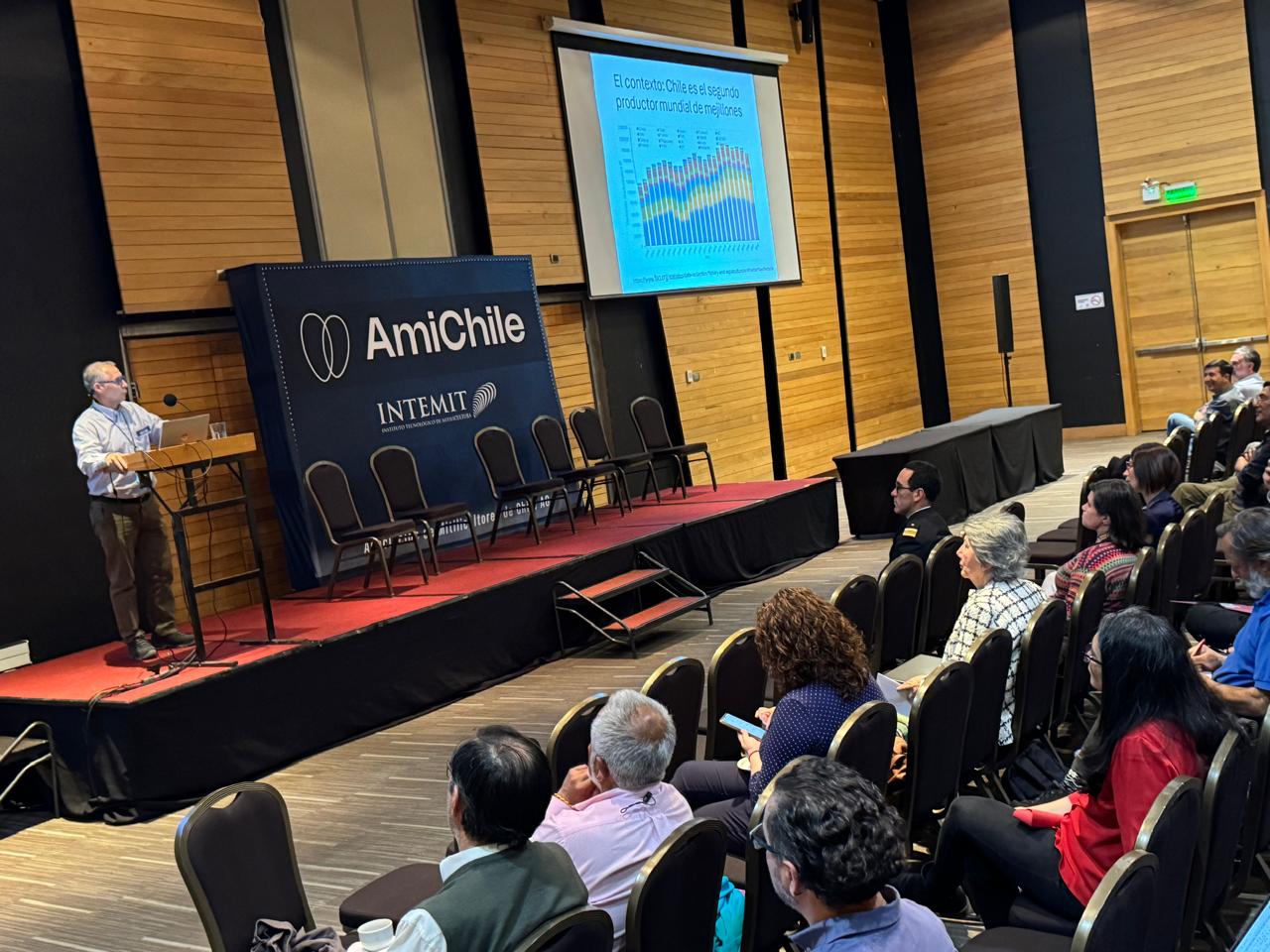
Afterwards, all the exhibitors went up to the stage to participate in a conversation that sought to answer questions about their presentations and/or to delve into new aspects related to artificial reefs, marine habitat recovery or the impacts of climate change in the mussel industry.
The Dr Carlos MolinetAssistant Research Fellow at the Interdisciplinary Centre for Aquaculture Research (INCAR) Director of the Institute for Aquaculture and the Environment (IACUI) from the Austral University of Chile (University of Chile), referred to the production of mussel seeds in Galicia (Spain) and Lake Region (Chile) and specifically how mollusk seeds have been moved from sectors such as Cochamo (Llanquihue province) or Hualaihué (province of Palena) towards other communes, pointing to the genetic mixture of the production species.
In turn, Dr. Molinet referred to scientific studies regarding the state of the mollusk banks in the Reloncaví fjord, determining its location, density and depth. Among his conclusions he explained that the mentioned body of water "appears to be the area most important to maintain seed training Chilean mussel as is done so far", adding that "the cultivation of Chilean mussels He still has space for handling, before having to resort to hatchery". However, he warned those present that the monitoring of banks training partners.
Next, the Dr. Marco Yévenes, associate researcher of the INCAR Aquaculture Genomics Program and researcher of the Laboratory of Genetics, Aquaculture and Biodiversity, University of Los Lagos (Lagos), addressed the genetic variability of natural mussel banks, concluding that "when considering the genome in its entirety, the analyses fail to clearly differentiate some population structure given the homogenicity genetics of the seeds of Reloncaví, Castro and Hualaihué."
In turn, the specialist of the ULagos emphasized that today there are new molecular markers useful to evaluate genetic and epigenetic variability, which also serve the traceability of the seeds of M. chilensis.
The last presentation was made by the Dr. Jorge León, academic of the Faculty of Sciences of the Catholic University of Santa Concepción (UCSC) and associate researcher of the Integrative Program of INCAR, who addressed the advances in interdisciplinary research on the impact of climate change on coastal systems that support national mussel cultivation.
In this context, Dr. Leon formulated an energetic call for "the valorization of watersheds and their protection."
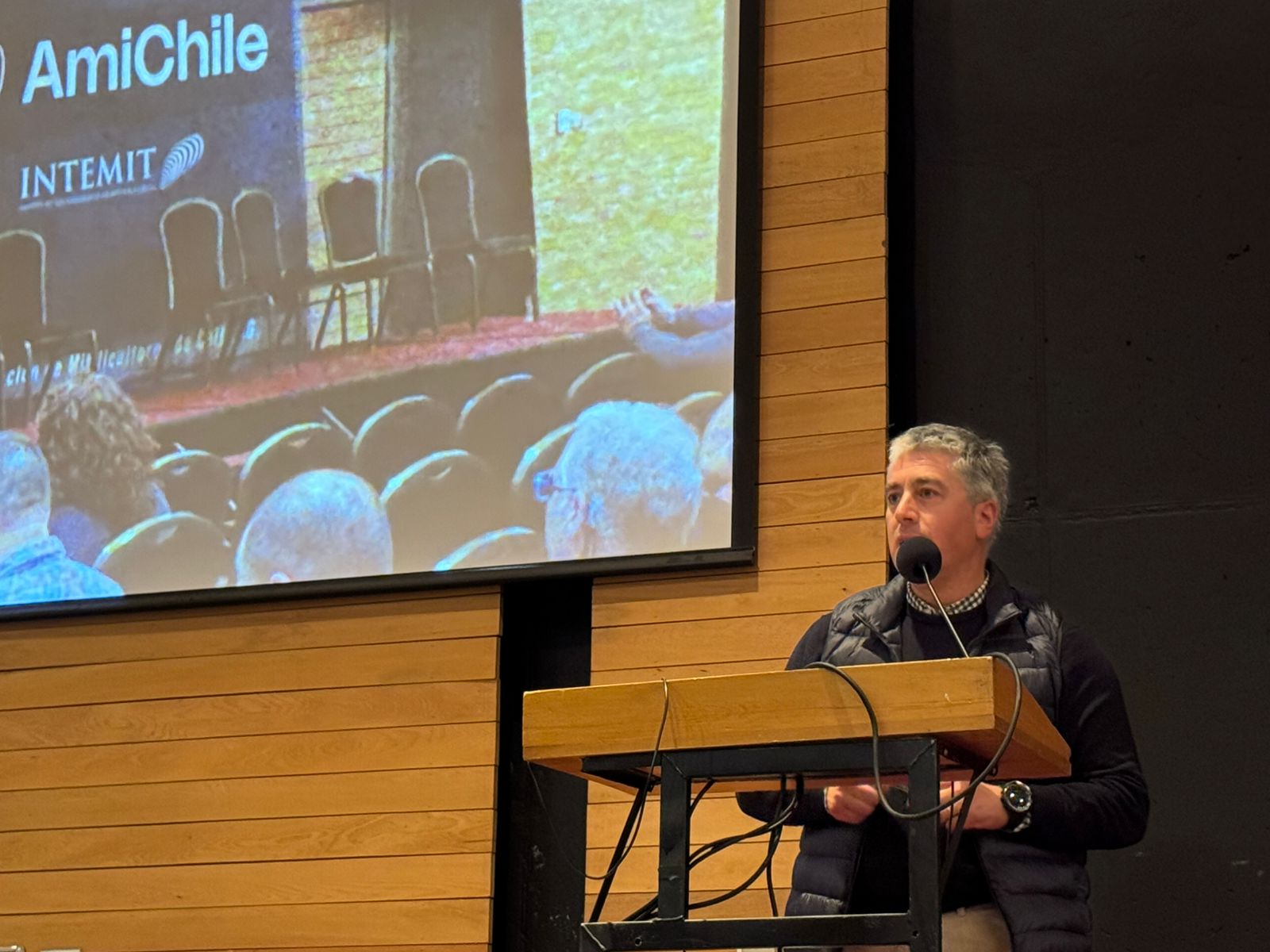
The Executive Director of AmiChile, Rodrigo Carrascothe opportunity generated by these researches for innovation in industry.
The seminar organized by the mussel producer association included the participation and collaboration of the Pact for a Sustainable and Inclusive Region; INCAR; Universidad Santo Tomás and its Research Center for Climate Change and Aquaculture and Fisheries Centre; Universidad de Santiago; Universidad Católica del Norte; Universidad Austral; Universidad de Los Lagos; Universidad de Concepción; Instituto Millenio de Socioecología Costera - SECOS, the Catholic University of the Holy Conception; University of Auckland; and the Gremial Association of Mussel Producers Reloncaví Sur A. G.
*Photos: courtesy of AmiChile.