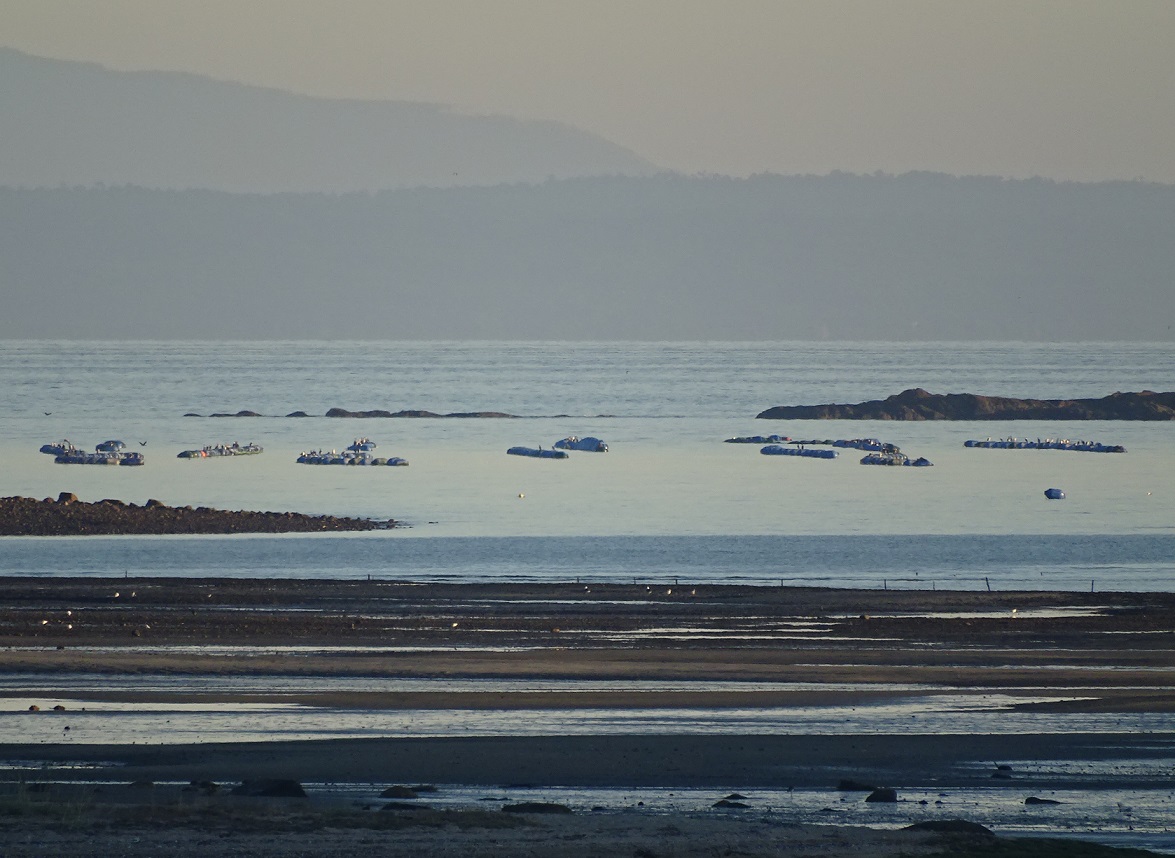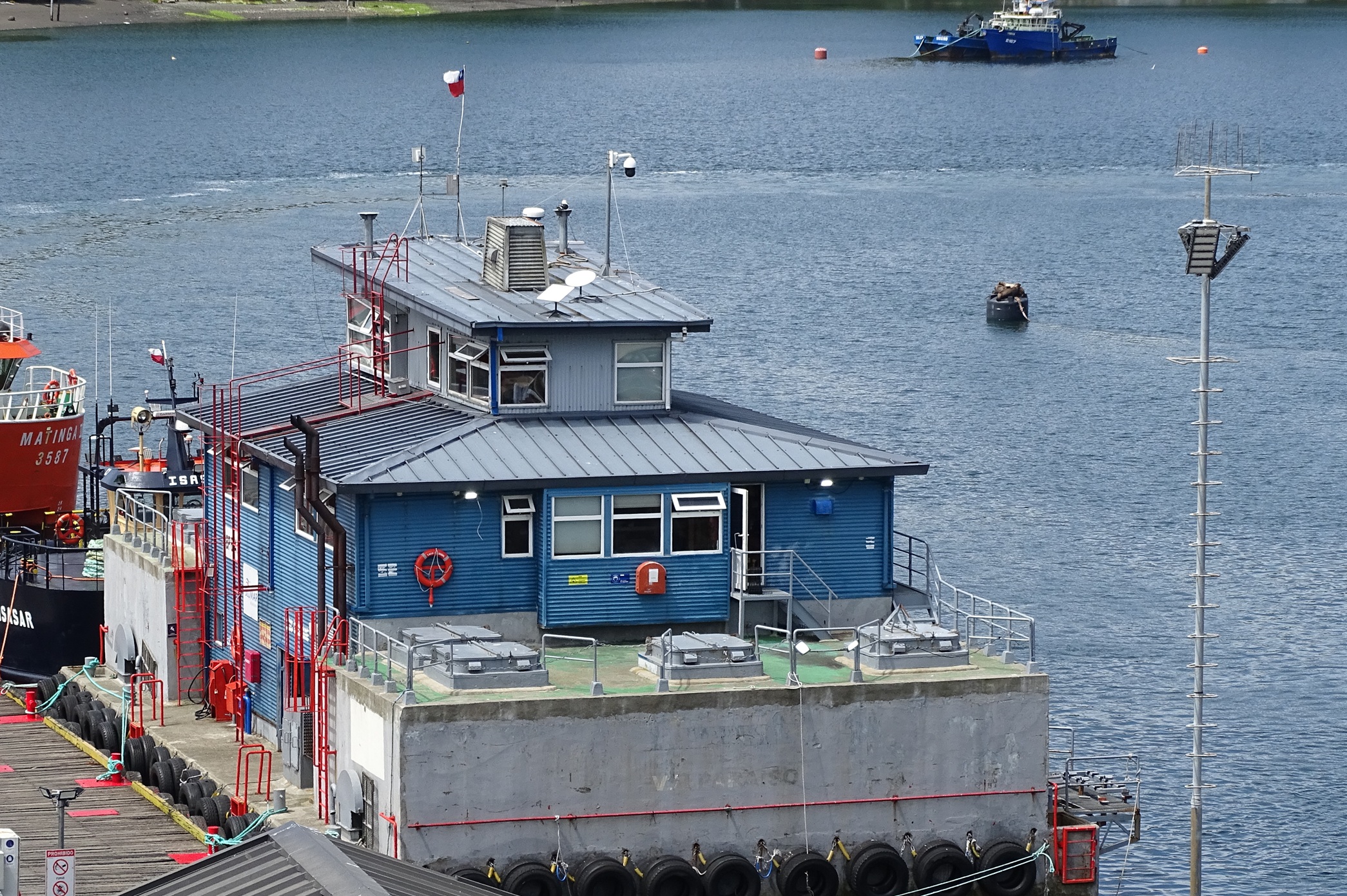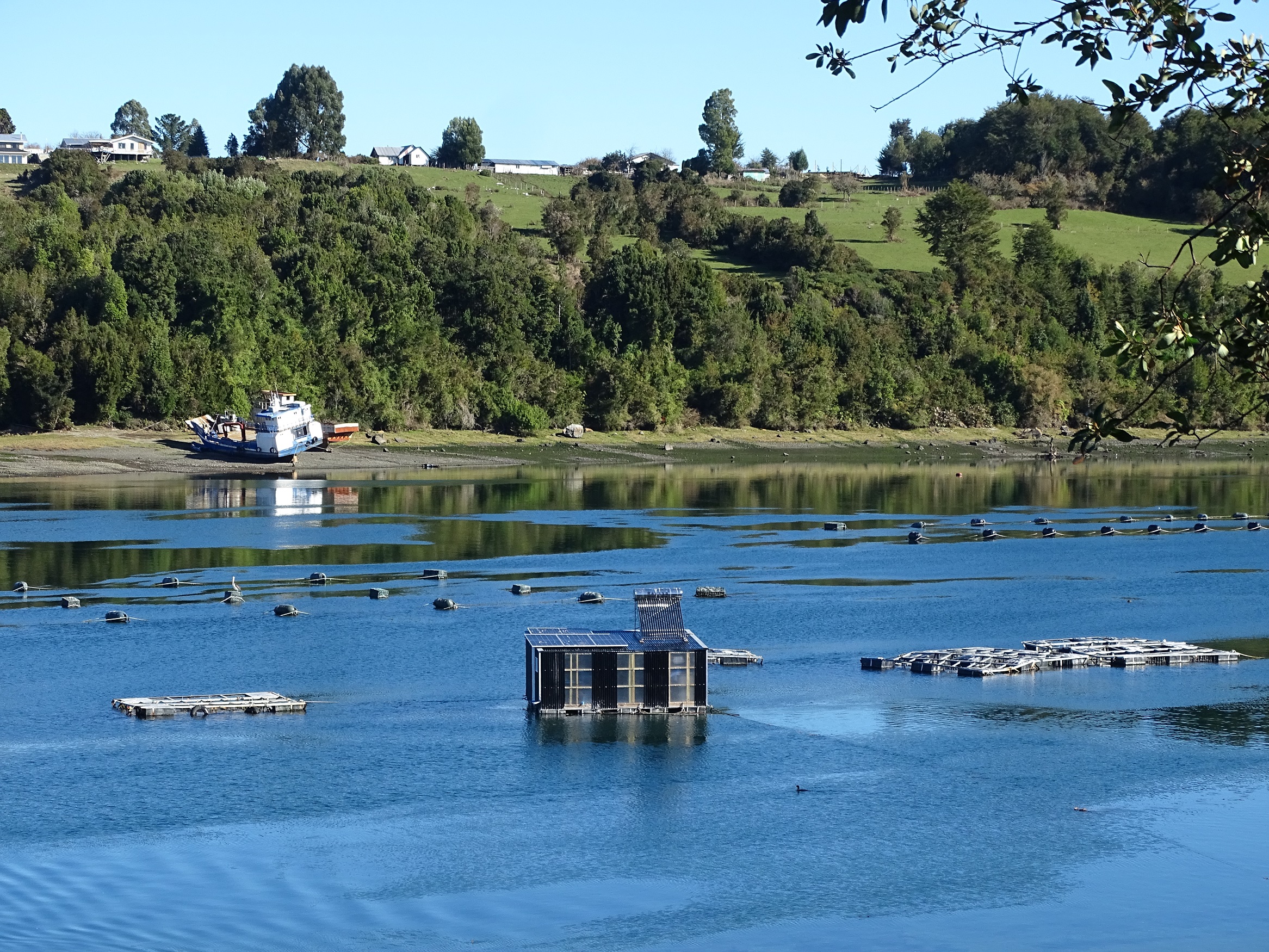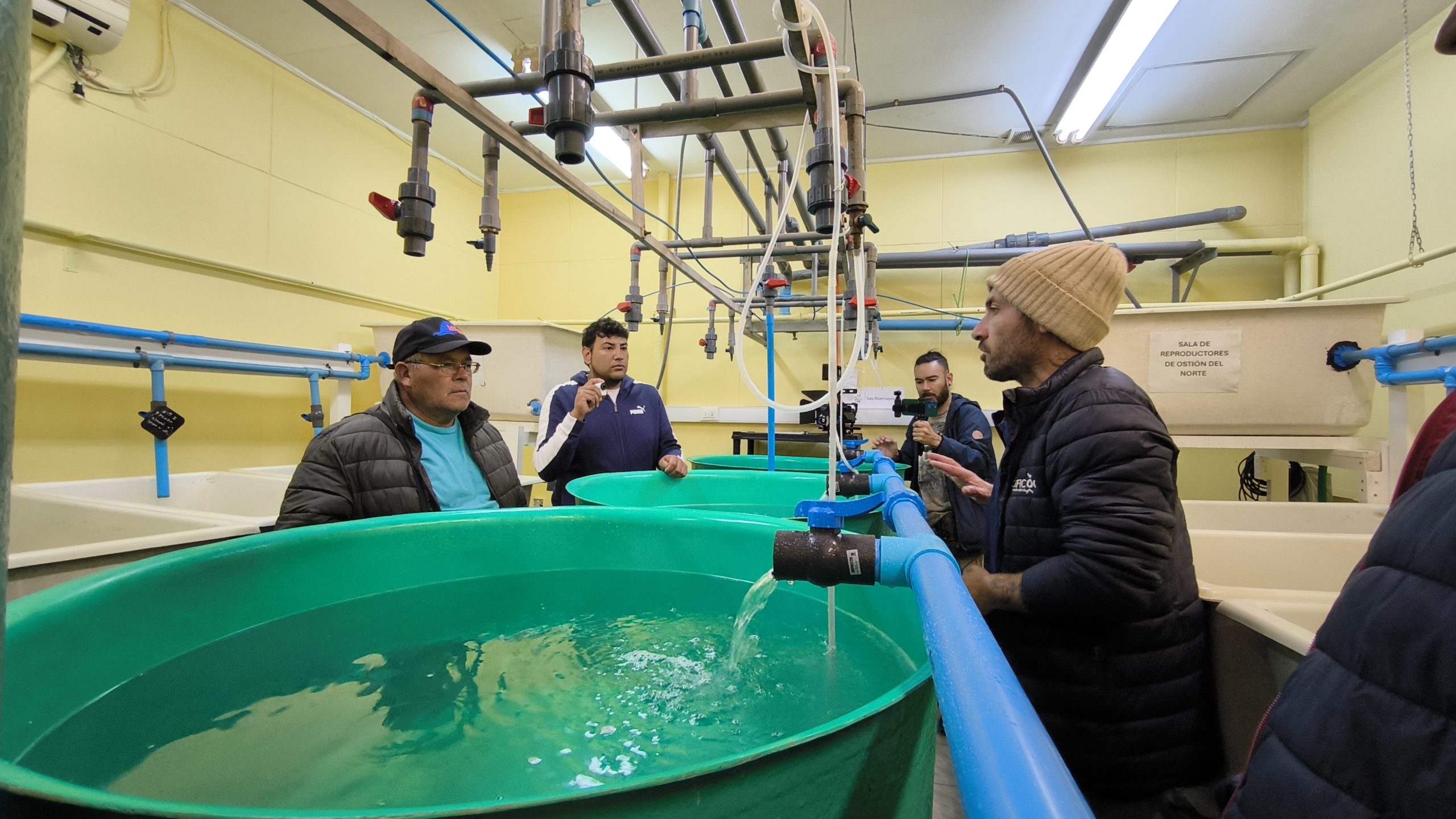
A knowledge transfer day on new technologies to improve the production and availability of oyster seed from the north, is what AquaPacífico carried out with small aquaculturists from Tongoy.
One of the main goals of local pectiniculture is to solve a problem that has accompanied them for years and is related to the seasonal dependence for the production of oyster seed, mainly caused by the natural reproductive cycle of this species, which is concentrated annually between spring and summer.
This is how the project "Technology for the continuous production of northern oyster seeds" was born, an initiative funded with the Competitiveness Innovation Funds (FIC) from the Coquimbo Regional Government, awarded to Aquaculture Innovation Center - AquaPacífico and led by Dr. Hernán Pérez, coordinator of Research and Development (R&D) of the center.
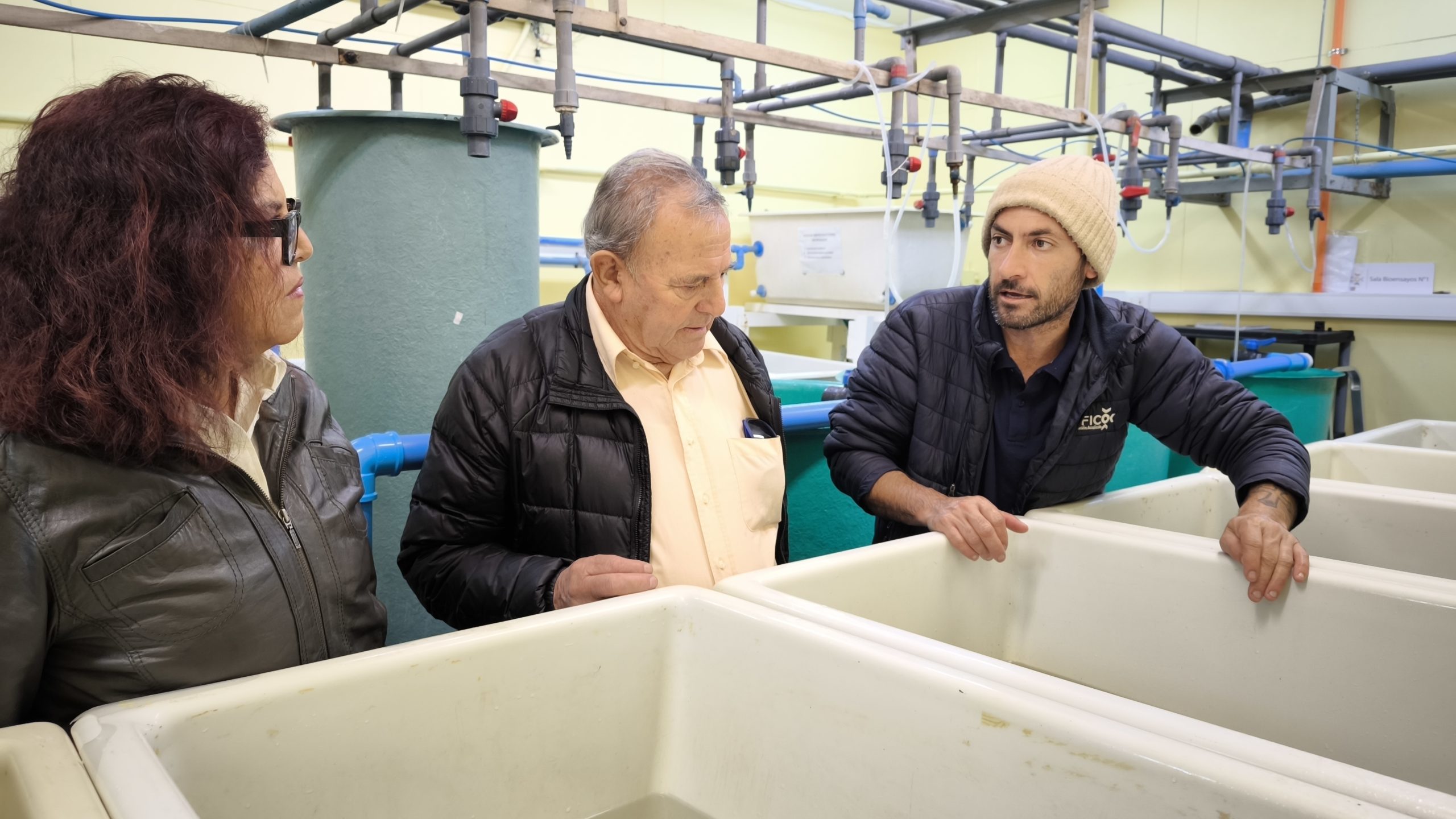
The project aims to generate a technological process that allows to resolve the productive seed gap of the northern oyster (Purple scallop) through continuous production in controlled cultivation conditions during the low production period, that is, between the months of April and September.
Dr. Hernán Pérez explains that unlike the oyster industry in Tongoy in the 90s and early 2000s, the number of oysters in Tongoy bay has decreased significantly, which causes, among other factors, a decrease in the capture of seed oysters, therefore their availability is scarce or variable.
“In this sense, the contribution of the project is that through innovative technologies it is possible to regulate, to a certain extent, the production of seeds, being able to count on them in a more continuous way. The quantities could be lower than those normally obtained from natural harvesting, however, these seeds produced in low availability periods are more valuable and may have a higher price on the market," he explains.
Workshop to APEs Partners
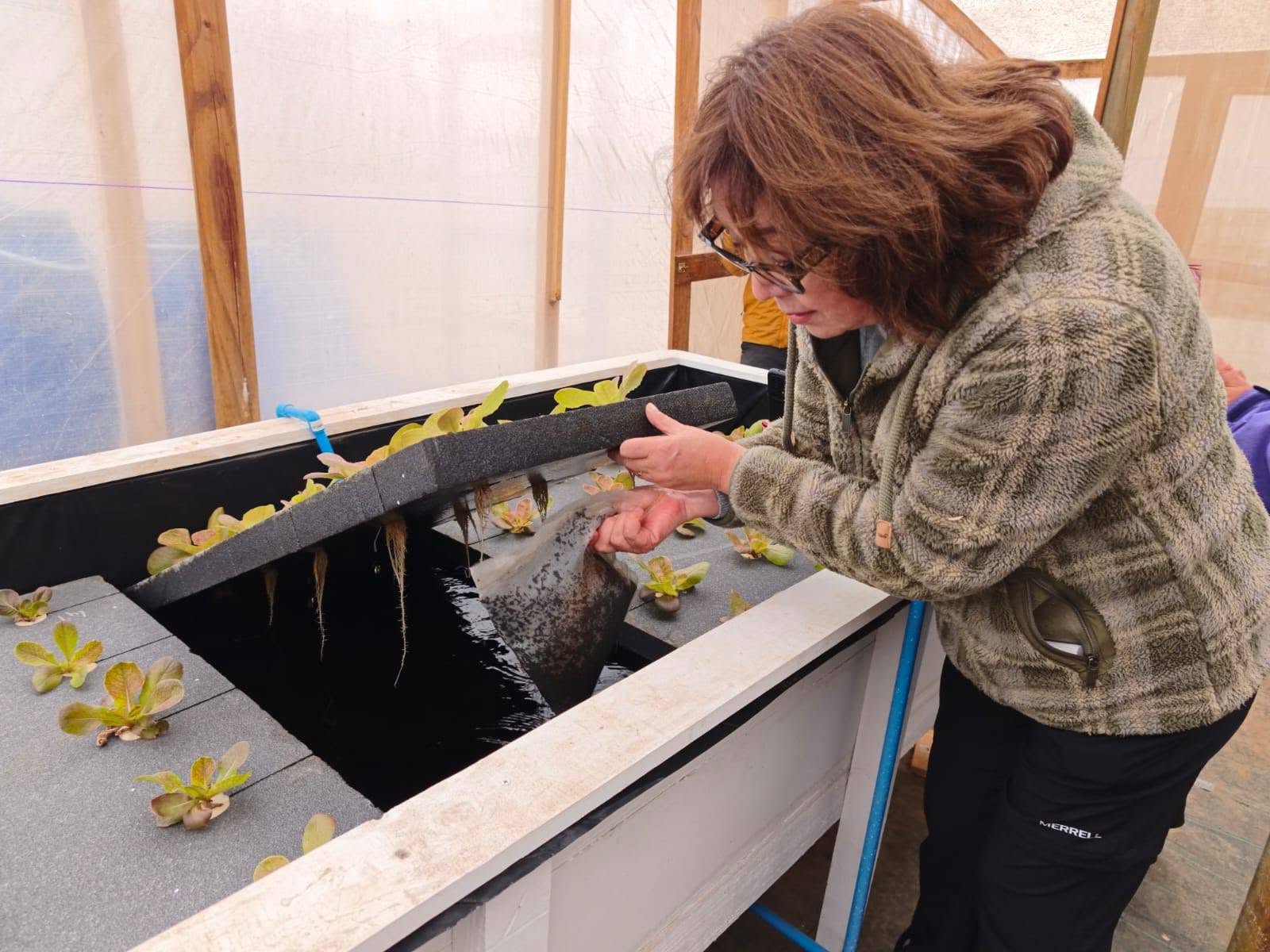
In this context, the workshop entitled “Transfer of knowledge to APE producers for the continuous cultivation of North osthion seeds” was recently developed, a meeting aimed at small-scale aquaculture farmers (SMEs) associated with the project, who were able to meet in situ the aquaculture infrastructure implemented for the production of oyster seeds in the winter months.
The activity sought to increase the linkage of organizations with aquaculture production capacities associated with state-of-the-art technologies, such as recirculation and microalgae production systems in photobioreactors, hoping to demonstrate that these technologies are not far from their productive environment and will soon be of regular use for aquaculture.
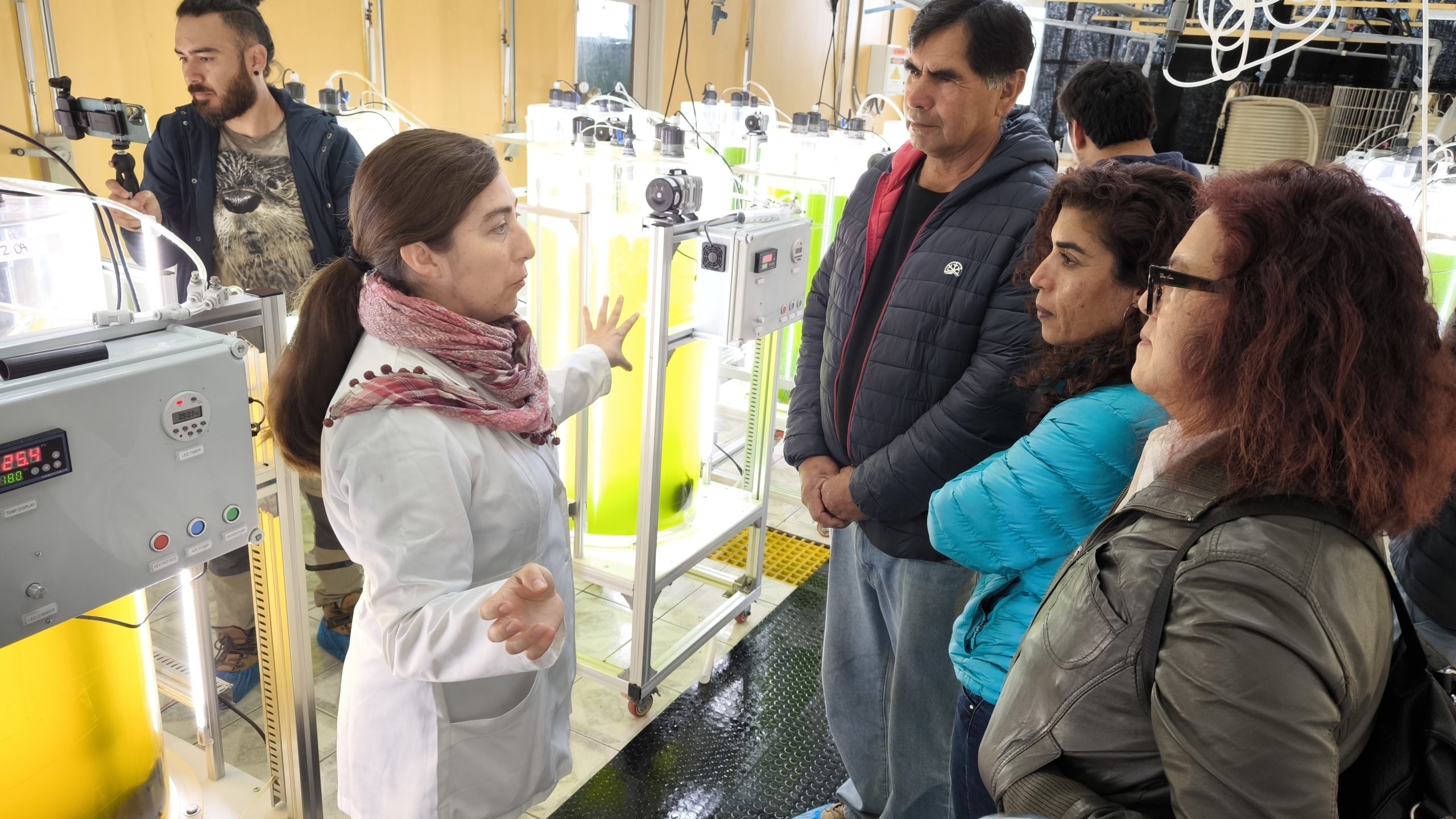
"The representatives of these groups were shown the functioning of photobioreactors, their characteristics and advantages in relation to what currently exists. In addition, a recirculation system was shown for the maintenance and maturation of reproducers. Associated with this, it was also described the use of a recirculation system for the cultivation of larvae and osthion postlarvas from the north," explains the project director.
For her part, the Administrator of the Sociedad Comercial Pescamar S.A., Tania Cerda, reported that during the years of work within the organization has seen how the environmental dynamics in the Bay of Tongoy have changed and with this the availability of osthion seeds.
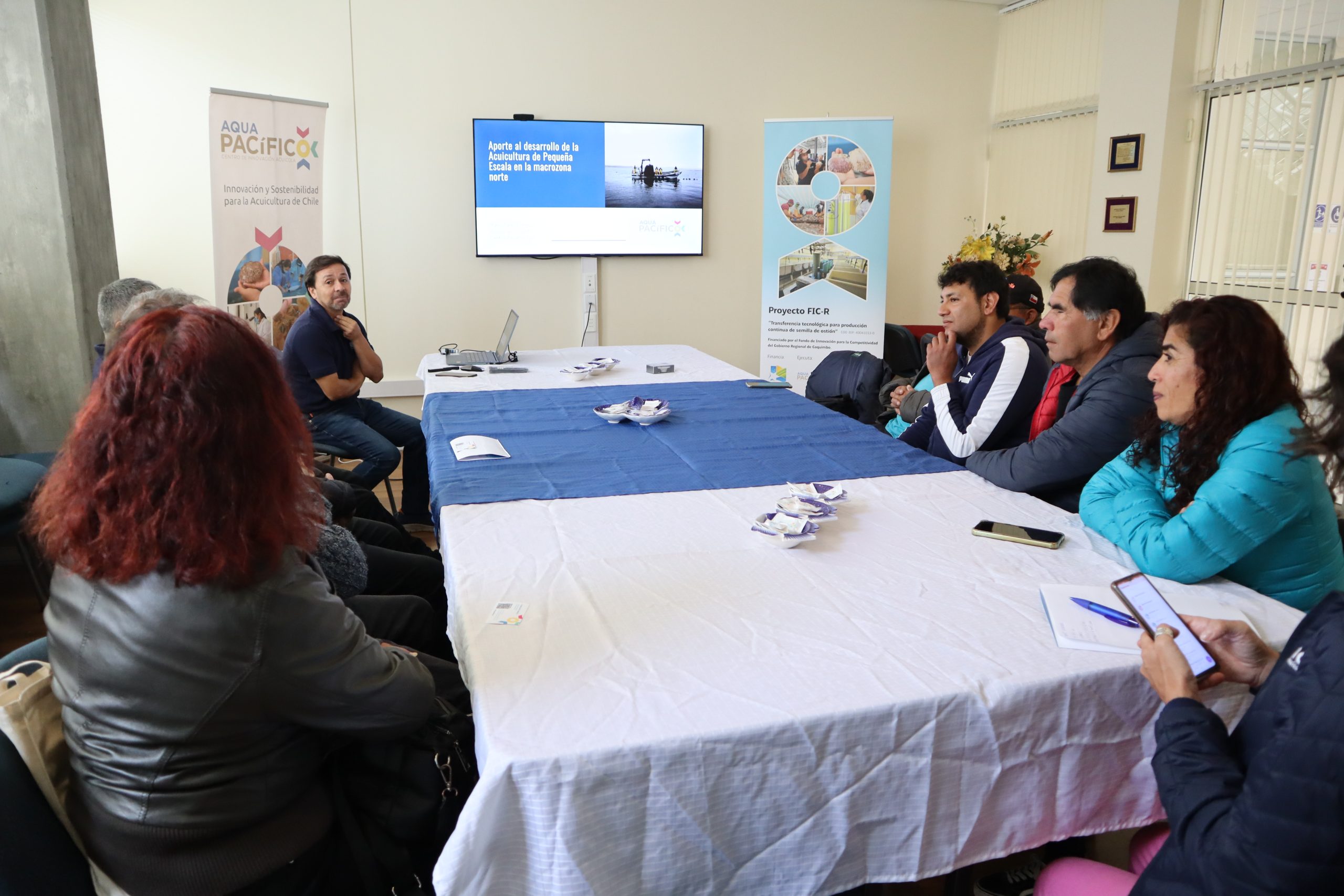
"Today to provide ourselves with seeds we have had to buy them in the north of the country, this has caused some mortalitys to be generated by moving them (because of stress) and also the production process is becoming more expensive. Therefore, it would be a great contribution if you could gain access to ostion seeds locally and in the most complex months," he emphasized.
*Photo credits: courtesy of AquaPacific.