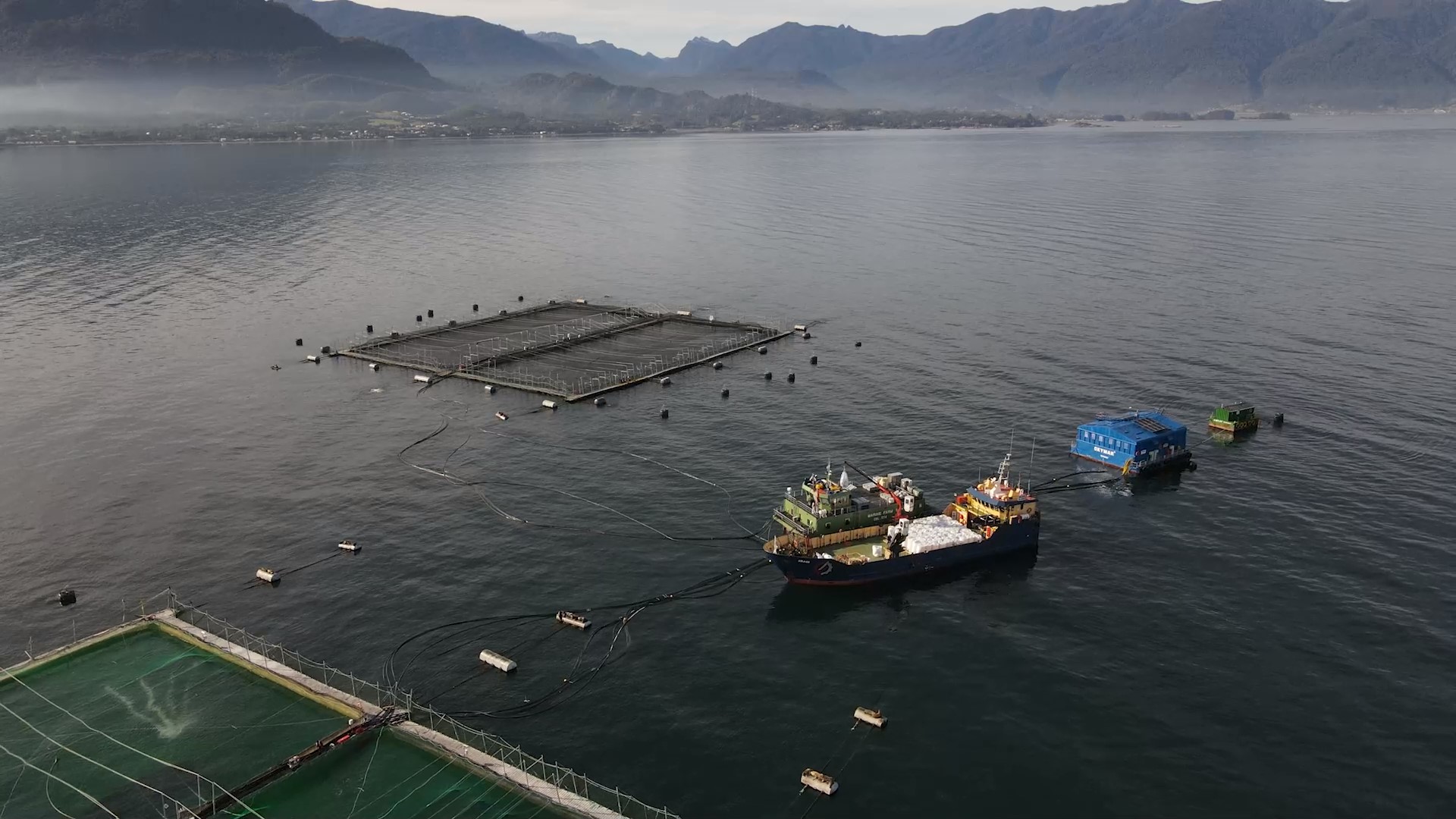
During the Summit Aquaculture 2022 highlighted the presentation of the director of PETEAO, Dr. Daniel Nieto, who said that in the salmon farming centers where technologies are being validated, have observed that oxygenation tends to be better, also registering higher growth rates, conversion and positive indicators of animal welfare.
With virtual assistance from more than a hundred peoplethe morning of this Thursday 26 May was held on sixth edition of the Aquaculture Summit organized by the Production Development Corporation (Corpho) and that this year led by title “Aquaculture diversification: A solution to the food crisis in the face of climate change”.
And not only the adaptation of aquaculture to climate change was the topic of the day, but also the development of Corfo-led strategic programmes (PTECs) and seeking to promote the creation of new technologies with strong territorial link. It is that one of the focus of the current Government is the economic, productive and social development of the regions by articulating the so-called success triad: State, private and academia.
The regional director(s) of Corfo Los Lagos, Claudia Huber, underlines that TECs linked to aquaculture diversification have helped to develop and develop small and medium-sized enterprises (SMEs) related to the sector in areas or regions where they did not exist or had a level of basic and unspecific development, such as navigation services and personalized marine inputs, net cleaning, construction of ROVs (English acronym Remotely Operated Vehicle), development and repair of marine and underwater structures, diving services, home automation, gastronomic area companies, transport companies, logistics and distribution. At the same time, there is a link with the coastal edge community through the development of restocking of endemic species and cross-sectional developments in small-scale aquaculture (SSA).
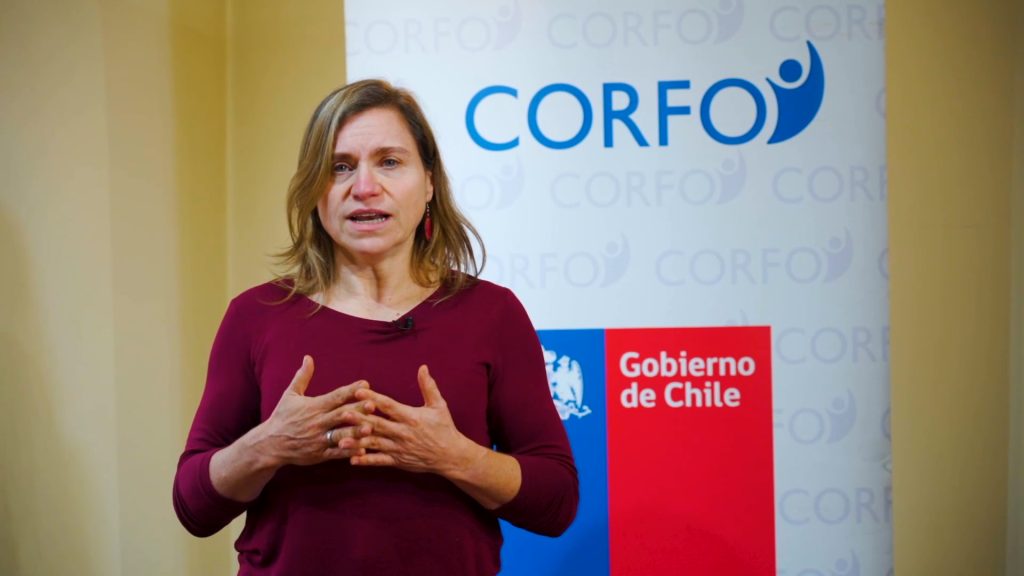
“At present, the labor and economic impact of the TECs is small, considering that they are developments in the driving stage; however, have an auspicious projection of productive and commercial scale-up, which would increase its scope and impact at both regional, national and international levels.”said Claudia Huber, mentioned that, in the case of the initiatives that have shown the greatest projection is the Strategic Technology Program for the Development of Ocean Aquaculture (PTECAO)which, in the words of the regional director(s) of Corfo Los Lagos, “is contributing to the strengthening not only of the primary industry (producers), but also of its associated secondary industry (suppliers), making it possible for, within a period of six to ten years, the cultivation areas currently used in Chile can be expanded in order to increase the supply of goods, services and exportable products, thus being inserted in a business area that relates to the economy of knowledge and the production of goods under the concept of intelligent industries.”
High-energy areas
In line with the words of Claudia Huber, the director of PETEAO, Dr. Daniel Nieto Díaz-Muñoz, who was one of the outstanding exhibitors of the Summit Acuícola 2022 (his presentation was titled “Technology development to meet the challenges of sustainable aquaculture in a climate change scenario and the need to create new ways to produce healthy foods”), explained that this program “has considered clear technological developments that can be adapted or incorporated in the medium term (three to five years) by industry and, in turn, conceive new contributions and technologies that will become more widespread in the medium to long term (six years to a decade)”.
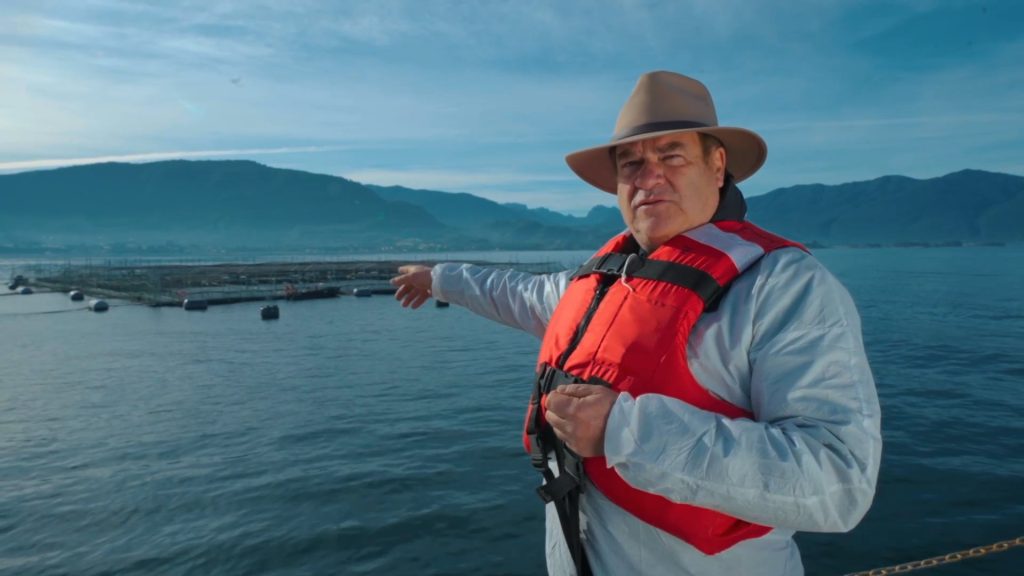
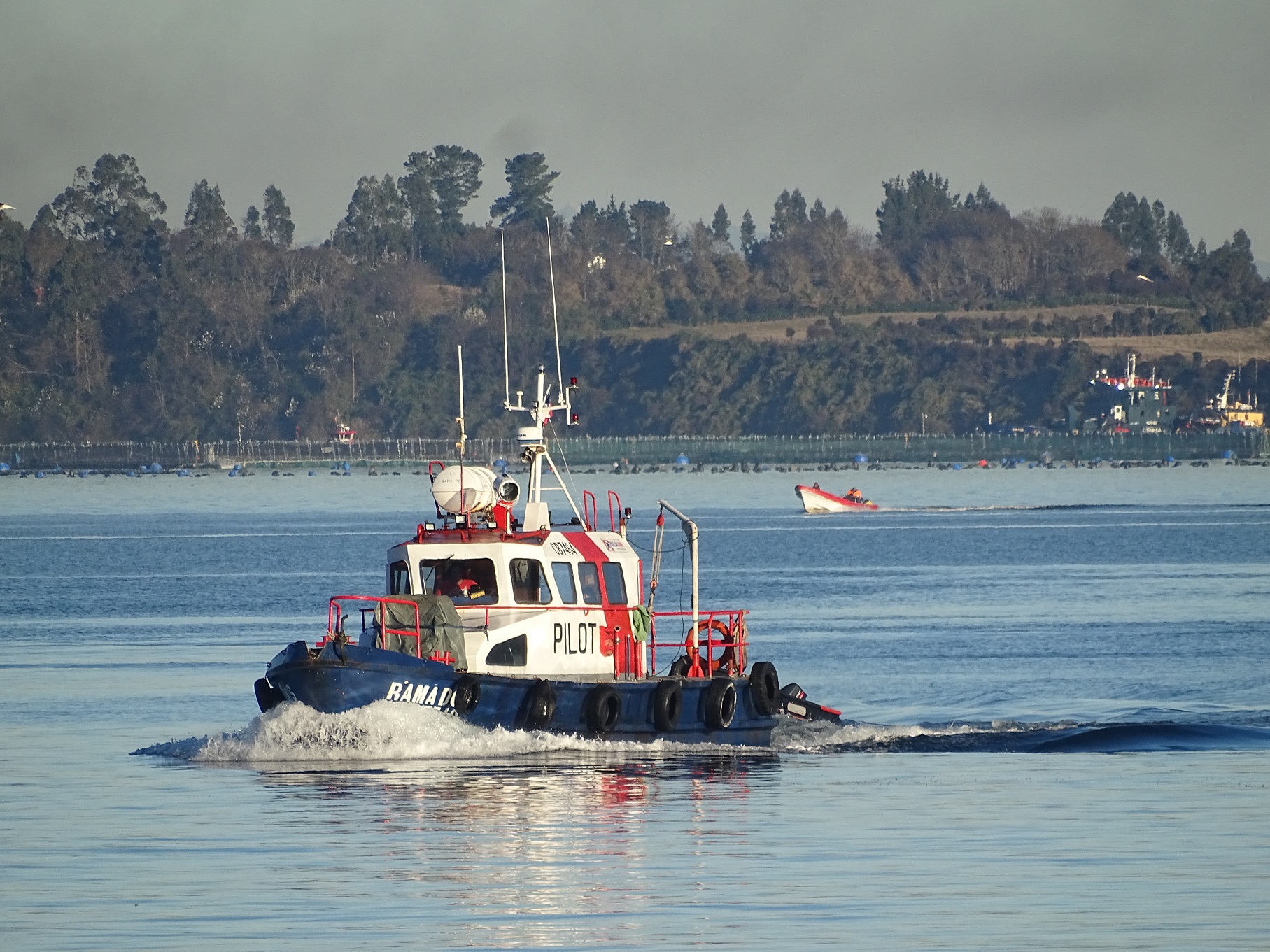
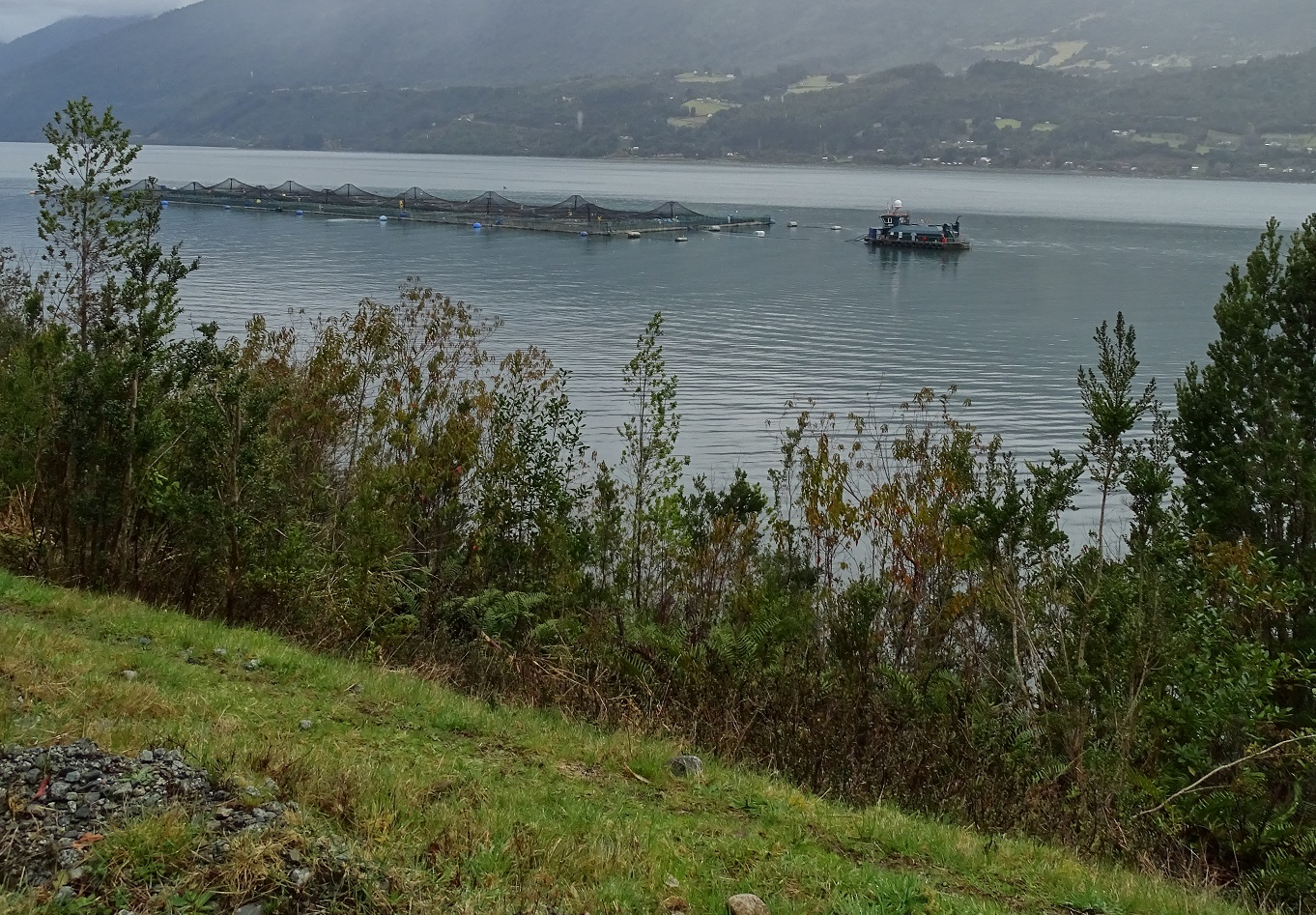
Then he explained that PETECAO is already validating its technologies (developed by co-executive companies Walbusch, Aquarov and AST Networks) in two centers of the salmonicultora Granja Marina Tornagaleones (GMT – Marine Farm) located in exposed areas or high-energy calls (Pirén and Quillaipe, in the Lakes region).
“The breeding centers where technologies are being validated are located in a high-energy area in terms of currents and waves. And We have observed that oxygenation in these places tends to be better. In turn, we have recorded very good rates of growth, conversion and animal welfare indicators are very positive“ ” said Dr. Grandson.
To close, the representative of PETEAO valued this public-private articulation that has served as the basis for the development of the cultivation of various fish species at national and/or international level, “fomenting, in turn, the long-awaited diversification of Chilean aquaculture, always having as its axis sustainability, and helping in a very significant way that the industry can adapt to the impacts of climate change.”
Gender value chains and equity
After the event, the Executive Vice President of Corfo, José Miguel Benavente, appreciated that this Summit, aimed at the public, private and academic aquaculture sector, among others, puts in value the developments and advances of the technological programs promoted by Corfo in diversification and aquaculture in exposed and/or high energy areas.
“Advance this agenda for the productive transformation of the aquaculture industry and the value chains associated with the sector allows us to have a concrete alternative to achieving food security in the face of climate change“ He pointed out Corpho’s helmsman.
José Miguel Benavente also stressed that another of the concerns of this Aquaculture Summit 2022 has been consideration of the gender equity component in the formation of the meeting membershighlighting among them Constance Silvawho is the deputy director(s) of Sernapesca Aquaculture; Gladys Donoso, representative of the Independent Trade Union of Artisanal Fishermen, Mariscador Divers, Algae Extractors and Caleta Las Conchas Grill Collectors; Gabriela Vera, general manager of Veterinary Histopathology Center (VeHiCe) SpA; and Claudia Osorio, who is a researcher at the Agricultural Research Institute (INIA) and a representative of the PTEC-INVA.
Other advances presented in the Summit
Congrio Colorado Program (Coquimbo): the manager of Operations of Colorado Chile SpA, Spartaco Magnolfi, presented the technology of cultivation on land that has been designed considering guidelines of circular economy and efficiency of water resources (productive transformation against climate change) through the reuse and use of residual water for activities related to agriculture.
Seriola programme: the technical director of Acuinor, Gustavo Parada, referred to the cultivation of Seriola lalandi in the Atacama desert using RAS technology (recirculation systems) on land, 100% national, for sustainable and circular production, efficient and competitive for the long term.
Corvina programme in northern Chile (Tarapacá, Atacama and Coquimbo): the director of the Corvina Program - Chilean Foundation, Jorge Lizardi, highlighted the productive developments in aquaculture diversification in the corvine species (Cilus gilberti) considering both the production stages on land and the stage of sea fattening (Iquique), becoming a real alternative to national and international aquaculture diversification to address food security in the face of climate change.
PTEC-INVA programme (from La Araucania region to Magellan region and Chilean Antarctic region): Claudia Osorio (INTA – INVA) and Gabriela Vera (VeHiCe) referred to the enabling platform for the production and use of nutritional vegetable inputs from rotational crops of the country's macro-zone and southern region as a sustainable source of effective proteins and oils for use in the preparation of diets in the aquaculture and salmon industry.
Oceanic Aquaculture Program – Ecosea Farming (Los Lagos): its director, Fabián Avilés, presented on the technological developments for the validation of cultivation systems (circular submersible cages, smart aquaculture in productive, environmental and health control) in exposed and high-energy areas, addressing from technology the challenges imposed by climate change to aquaculture.
Both EcoSea and PETECAO have a monitoring and validation link with the Undersecretary for Fisheries and Aquaculture (Subpesca) and the National Fisheries and Aquaculture Service (Sernapesca) to ensure the normative and environmental compliance that these developments require.
*Source of images: Studio Rein. José Miguel Benavente's, on time, belongs to Corfo's archive.