The Climate Change Adaptation Diploma in Fisheries and Aquaculture (ACCPA), designed by the University of Concepción, aims to provide comprehensive training for professionals in the field.
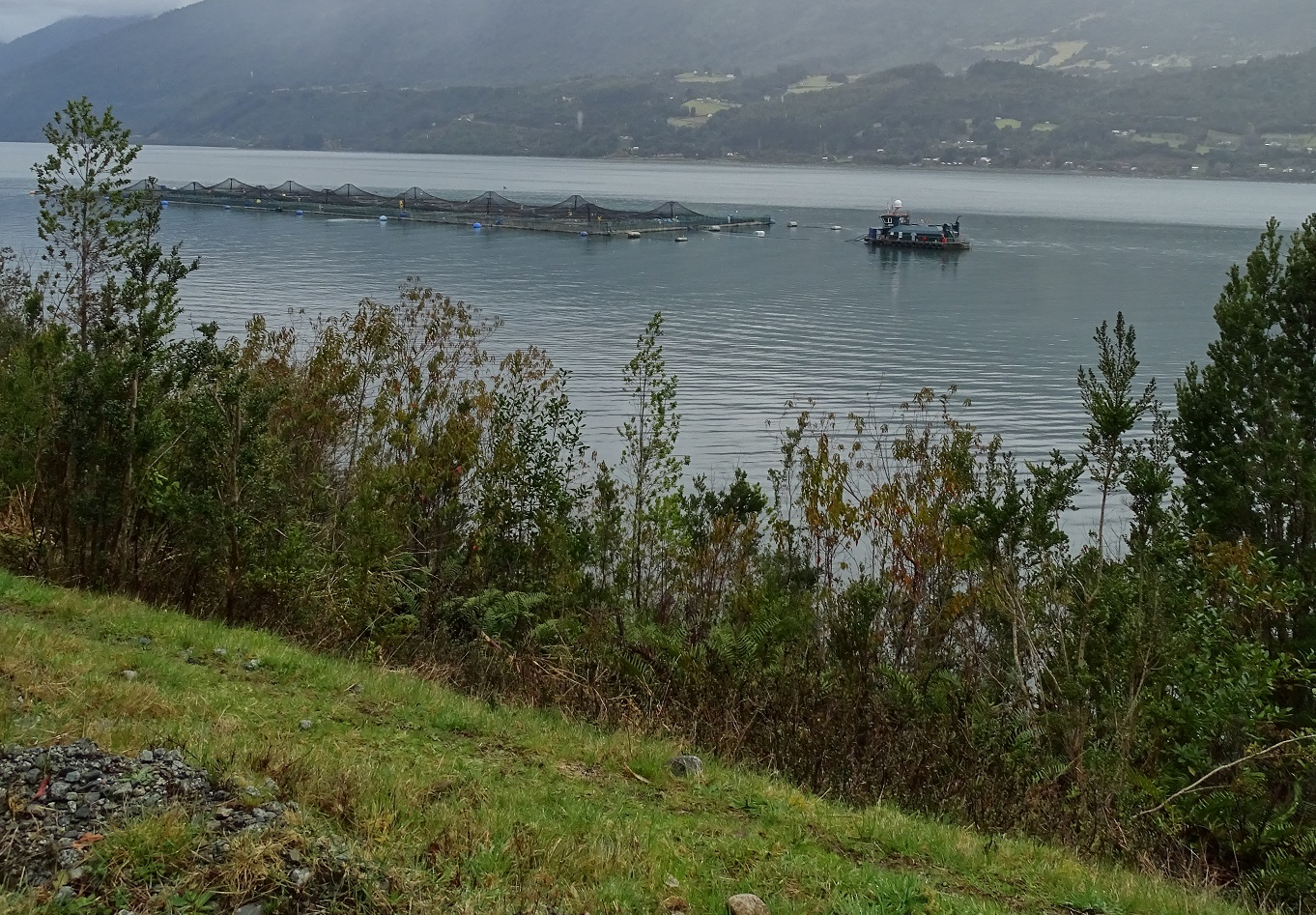
Climate change is the major global problem facing current generations, both because of its alteration of ecosystems, and because of its subsequent effect on people's lives. A very close example can be found along our own coasts: fishing and aquaculture, being the most relevant economic activities in the coastal area of Chile, are affected by processes such as the intensification of the coastal upwelling, which creates areas of low oxygen concentration in the habitats of different populations of marine species that are being fished or farmed. It is a problem that requires action plans from the public and private sectors within these areas.
Considering that the observations of the ocean and atmosphere that we can carry out today are very important, it is also important to estimate what the future climate scenarios will be and how the ecosystems, including human activities, will adapt to these scenarios. For this, it is necessary to generate capabilities that integrate all the necessary aspects to face these changing scenarios. This is what is proposed by the Climate Change Adaptation Diploma in Fisheries and Aquaculture (ACCPA) developed by the Copas Coastal centers and the Interdisciplinary Center for Aquaculture Research (Incar) of the University of Concepción (UdeC), and which in a few days will complete its application process.
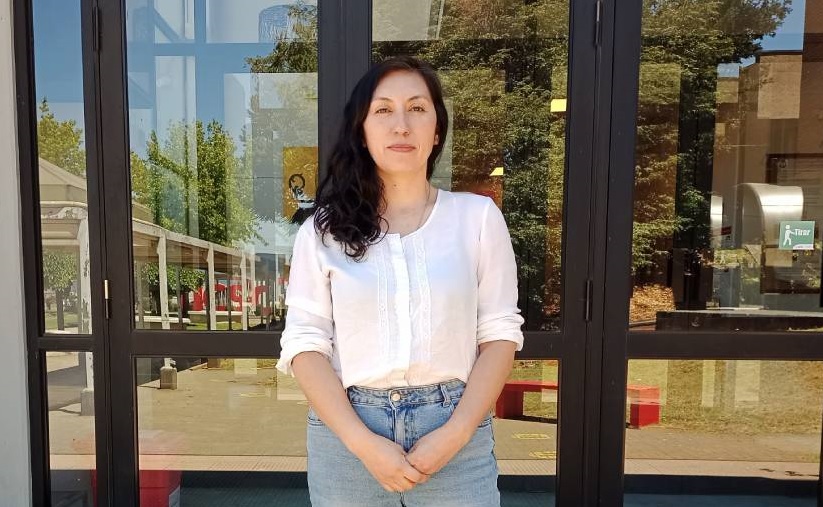
The coordinator and professor of the program, Ricardo Norambuena Cleveland, he explained that adapting to climate change from fisheries and aquaculture is a complex process, since it is necessary to analyze and integrate many scientific and professional disciplines, such as physical oceanography, fishing biology, ecology and political science, among others. An integration that, currently, no curricular mesh of races associated with the area possesses. “This Diploma offers the opportunity to approach this integration of multidisciplinary knowledge and being more able to analyze and propose from public and private management policies, to actions and measures to adapt to climate change in fisheries and aquaculture,” he said.
Anticipate extreme scenarios
In addition to the above, one of the main reasons why this Diploma is an enriching learning opportunity lies in the nature of climate change: it is an ongoing process that requires the relevant and timely preparation “in times of peace” to face the “times of contingencies” ahead.
“Based on available information and future climate modelling, changes are expected in some key environmental variables for marine life and associated human activities (e.g. increased or decreased temperature, reduced dissolved oxygen in sea water, increased salinity in the austral fjords, increased frequency and intensity of extreme events, among others) and directly affecting processes key factors such as the growth and reproduction of resources, as well as fishing and cultivation operations,” says Ricardo Norambuena.
In this context, the marine biologist adds that there is a need for relevant and timely analysis of threats in the future climate scenario, associated risk factors, our adaptive capacity and, of course, what risks losing, for example, landings of fish resources and crop harvests. With that said, those who have already lived the experience of the ACCPA Diplomate before today are, directly or indirectly, integrating the acquired knowledge into their respective fields of work.
Program Details and How to Apply
The ACCPA Diploma is aimed at persons with an academic, professional or technical professional degree in the field of natural resource management, fisheries or aquaculture, in marine and/or environmental productive management for conservation or related careers. In total, it has 25 places and the applications are open until Friday, July 18, 2025.
The classes will begin in August and will be conducted online, covering five subjects: “Introduction to climate change in fisheries and aquaculture”, “Climate system”, “General aspects of governance applied to climate change”, “Risk and vulnerability” and “Risk and vulnerability in fisheries and aquaculture”. In addition, these will be complemented by talks and participatory workshops and the presentation of a seminar, which will consist of: in a case study on a fishery or type of marine or freshwater cultivation.
In order to apply, interested or interested parties must enter the UdeC Permanent Training website, where you will find more information about enrolment, application requirements and teachers who will share their knowledge in an integrated way throughout the program.