Group of researchers from the INCAR Centre will travel to Normandy, France to develop different research activities Université de Caen Basse-Normandie.
A group of researchers from the Interdisciplinary Center for Aquaculture Research (INCAR) the contest Program of Scientific Cooperation ECOS ANID 2024 has been awarded, with the research proposal “Understanding the Effects of Climate Change on Shellfish Aquaculture through Hologenomics/Comprendre les Effets du Changement Climatique sur la Conchyliculture par l’Hologenomique (BivalOMICS)”.
The initiative of the researchers of the "Aquaculture Genomics" line, Dr. Cristian Gallardo-Escape, Dr. Valentina Valenzuela-Muñoz and Dr. Diego Valenzuela-Miranda will seek to understand the impacts of climate change on marine microbiome and its contribution to the critical processes of ecosystems, in order to develop sustainable strategies for the management of bivalve cultivation and contribute to aquaculture diversification.
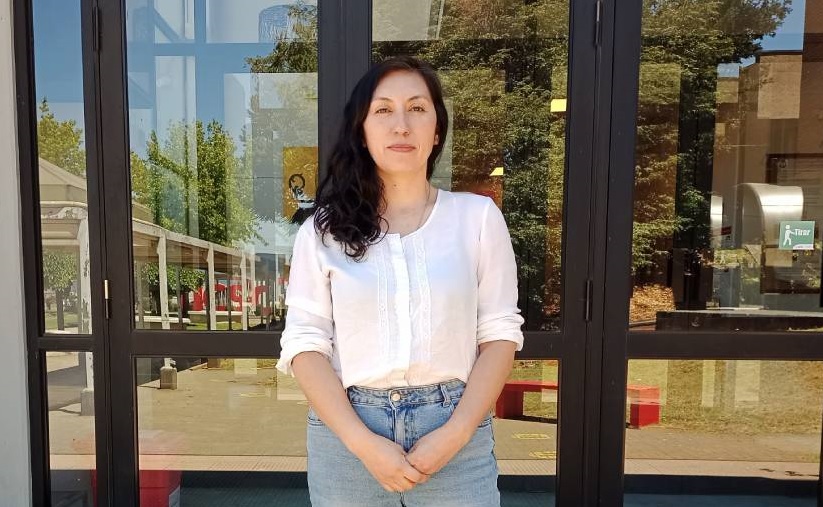
In the proposal for international collaboration developed by INCAR, Dr. Yeny Leal-Acosta as Postdoctoral Researcher and Graduate Students Constance Sáez-Vera (Doctorate) and Marcelo Muñoz-Troncoso (Magister), who will travel to Normandy, France to develop different research activities Université de Caen Basse-Normandie.
Hologenomic approach
The research uses the theory of the Holobionte (Lynn Margulies, 1990), understanding this concept as the entity that would encompass both the animal or plant, and the set of microorganisms that constitute its microbiota.
This term is commonly associated with Hologenoma, which is defined as the set of genomes of all organisms that make up the ecological or holobion unit. Because marine organisms constantly interact with microbial environmental communities, researchers will use the hologenous approach to understand the impact of climate change on marine microbiota associated with bivalve populations.
"The hologenous approach integrates different levels of biological and molecular complexity of organisms with respect to the environment. Among them, the microbiota plays a key role in adapting marine invertebrates to the impact of climate change," explained INCAR Deputy Director Dr. Cristian Gallardo-Escape.
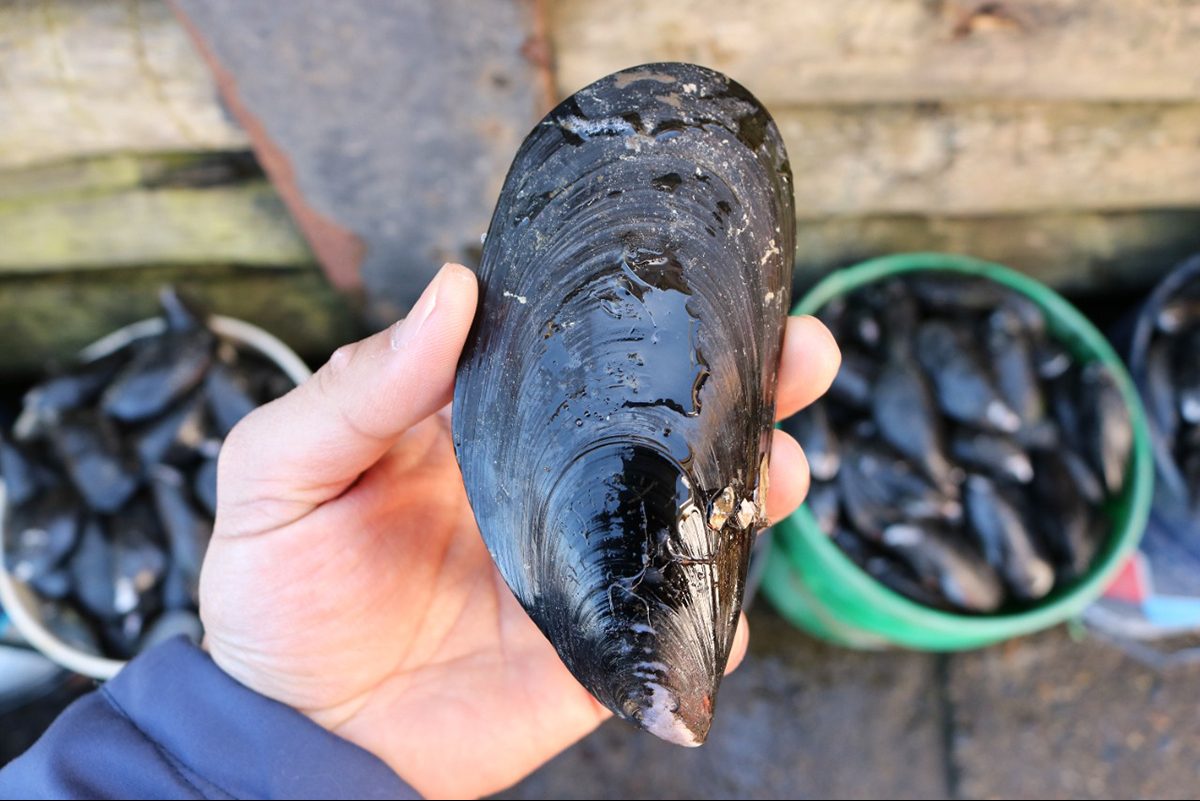
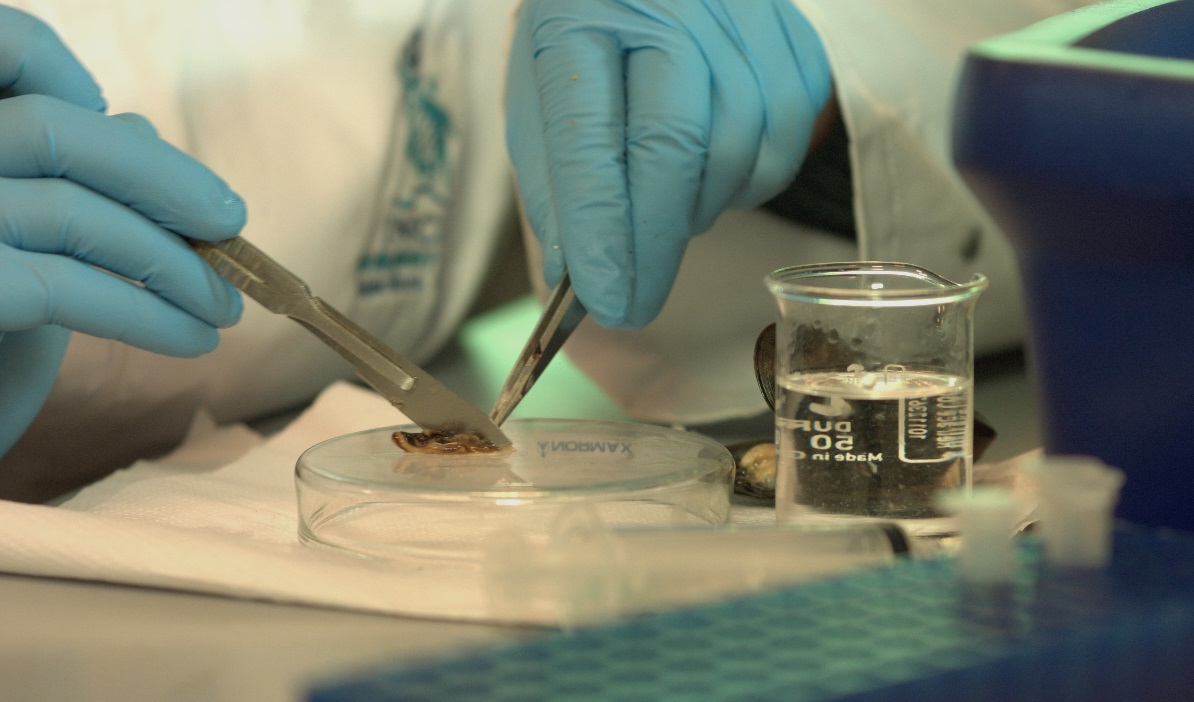
For the project will be used as models of study, mussels “Chilean mussel“ (Chilean mussel) andBlue mussel” (North Atlantic blue mussel) and oysters “Pacific oyster“ (Japanese oyster) and “Chilean oyster“ (Chilean oyster), species of economic importance and considered key to the balance of the ecosystem, for their filtering function, the contribution of nutrients to the environment and for contributing to benthic diversity.
The research is expected to yield important results to compare the microbial communities associated with different host species under different marine environmental conditions and to determine how the microbiota affects the process of settlement of larvae in artificial collectors for these bivalves.
ECOS-ANID Competition
ECOS-ANID is an initiative that emerged in 2021 with the aim of promoting scientific cooperation and links between universities, research centres and research institutes, public and/or private, in Chile and France. To this end, ANID finances the mobility of researchers, postdoctoral teachers and students (master and/or doctorate), with a focus on the formation of advanced human capital.
The initiative will finance four scholarships a year for students from partner institutions, which will result in extended research stays abroad and the development of bootcamps during the summer, in which an international team of researchers will train graduate students and young researchers on genomic tools and their applications.
The project begins its execution this 2025, will last for 3 years and has Dr. Guillaume Rivière, from the University of Caen Basse-Normandie.