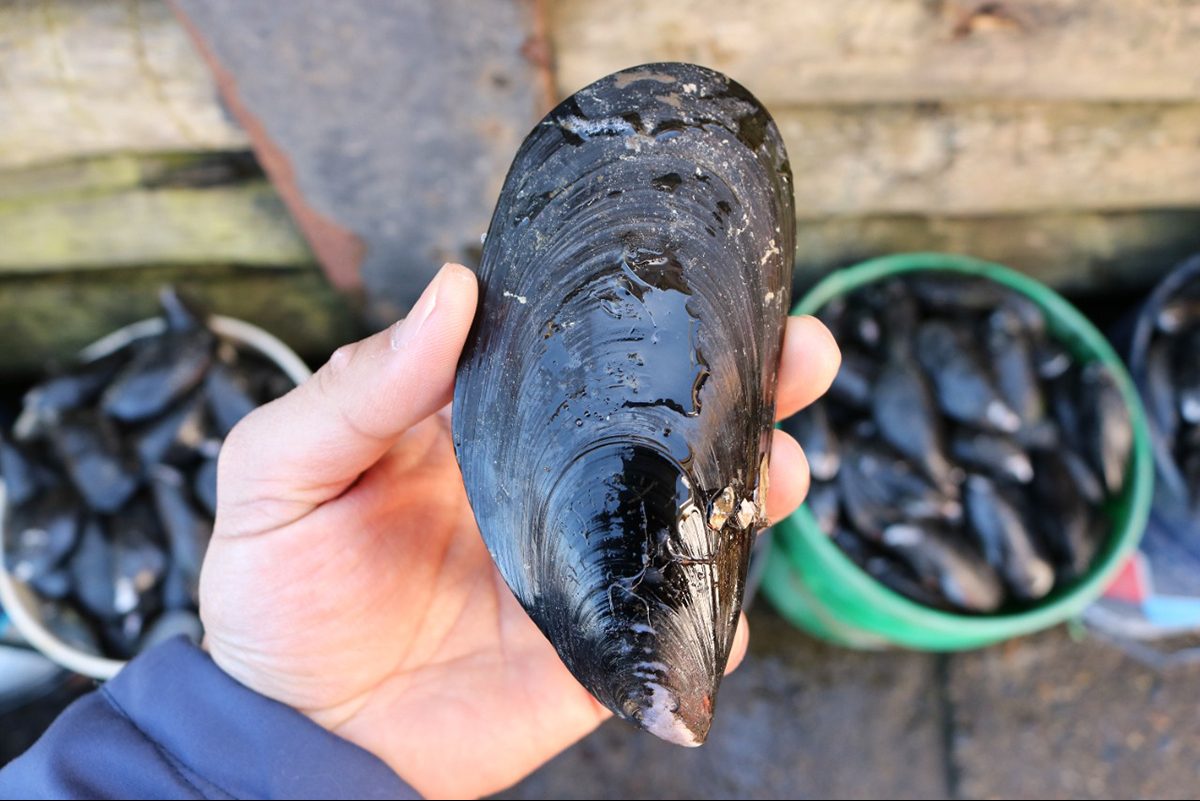
Research led by the Millennium Institute SECOS, with the participation of UdeC academic Cristian Vargas, revealed that this species shows a notable tolerance to acidification and global warming, positioning it as a resilient alternative for aquaculture in southern Chile.
Endemic bivalve of great ecological and economic importance and with a wide distribution along the Chilean coast - from southern Peru to Tierra del Fuego - the choro zapato is a species that shows rapid growth, a great diversity of habitats and is harvested by artisanal fishing along much of the Chilean coast, mainly for domestic consumption. The species is also farmed on a small scale in some areas between the Biobío and Magallanes.
But like other species, its cultivation could be affected by factors arising from global change, such as the increase in ocean temperatures, acidification, pollution and the increased occurrence of coastal upwelling events, which bring deep, cold, low-oxygen and nutrient-rich waters to the surface and directly impact coastal biodiversity and aquaculture.
In this regard, a recent study by researchers from the Millennium Institute in Coastal Socio-Ecology (SECOS) and the U. Adolfo Ibáñez among other institutions and published in the journal Aquaculture Reports, analyzed the capacity of the shoe clam (Choromytilus chorus) to adapt to a marine scenario with high temperatures and higher acidity.
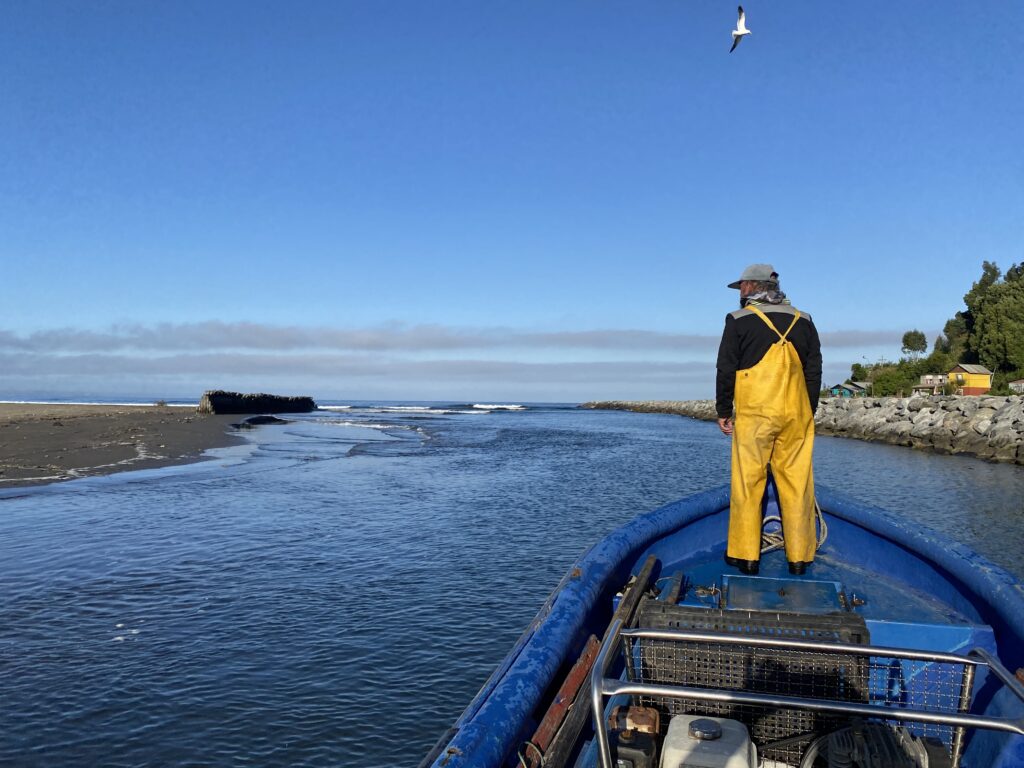
“The study showed that choro shoe can adapt well to the impacts of climate change such as ocean warming and acidification, through its great physiological and morphological plasticity. In addition, the physiological capacity it presents is well aligned, at least in principle, with the possible future problems of mollusc cultivation in southern Chile,” he says. Marco Lardies, co-author of the paper and academic of the Faculty of Liberal Arts of the U. Adolfo Ibáñez and researcher SECOS.
Resilience and markets
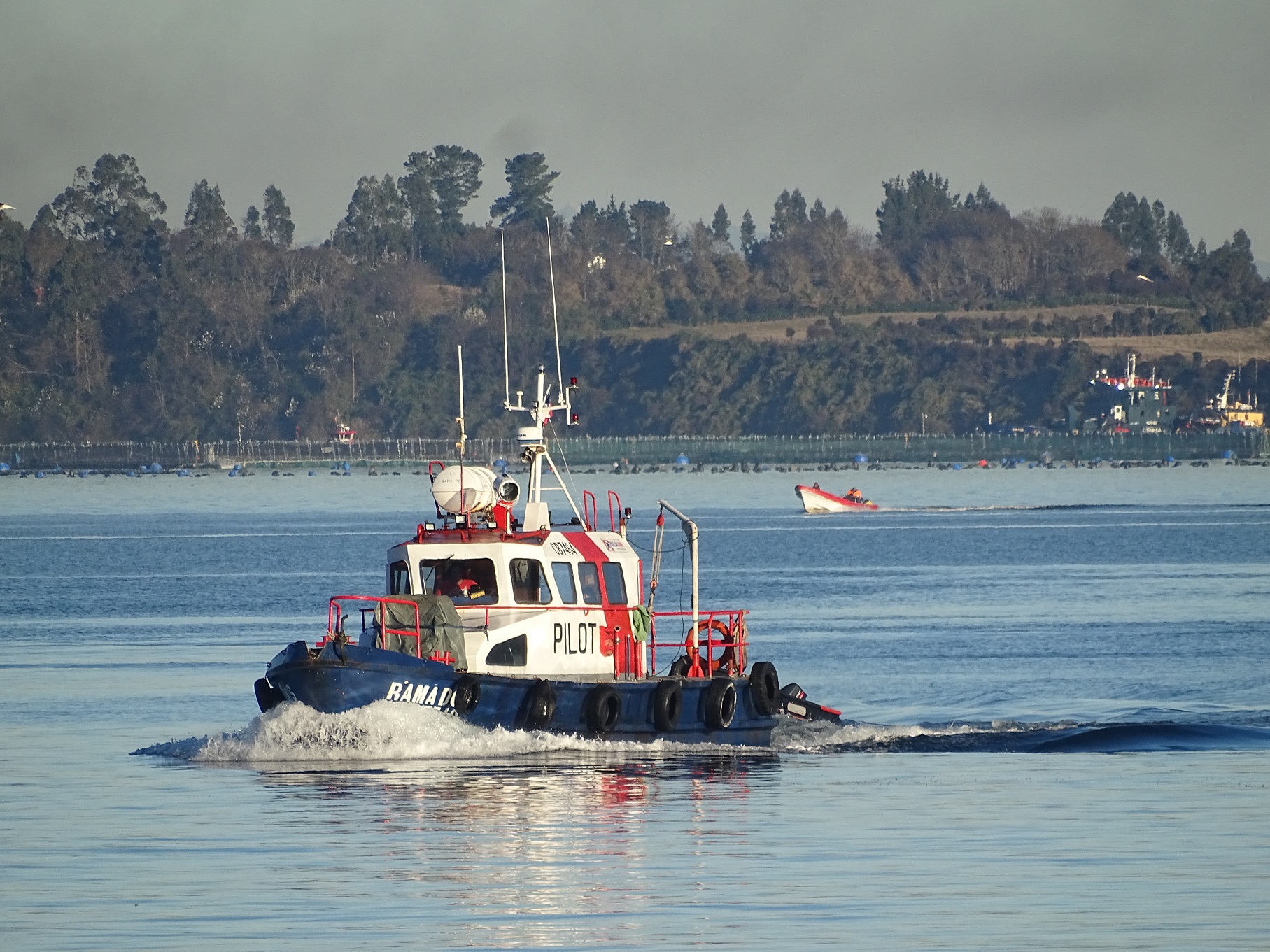
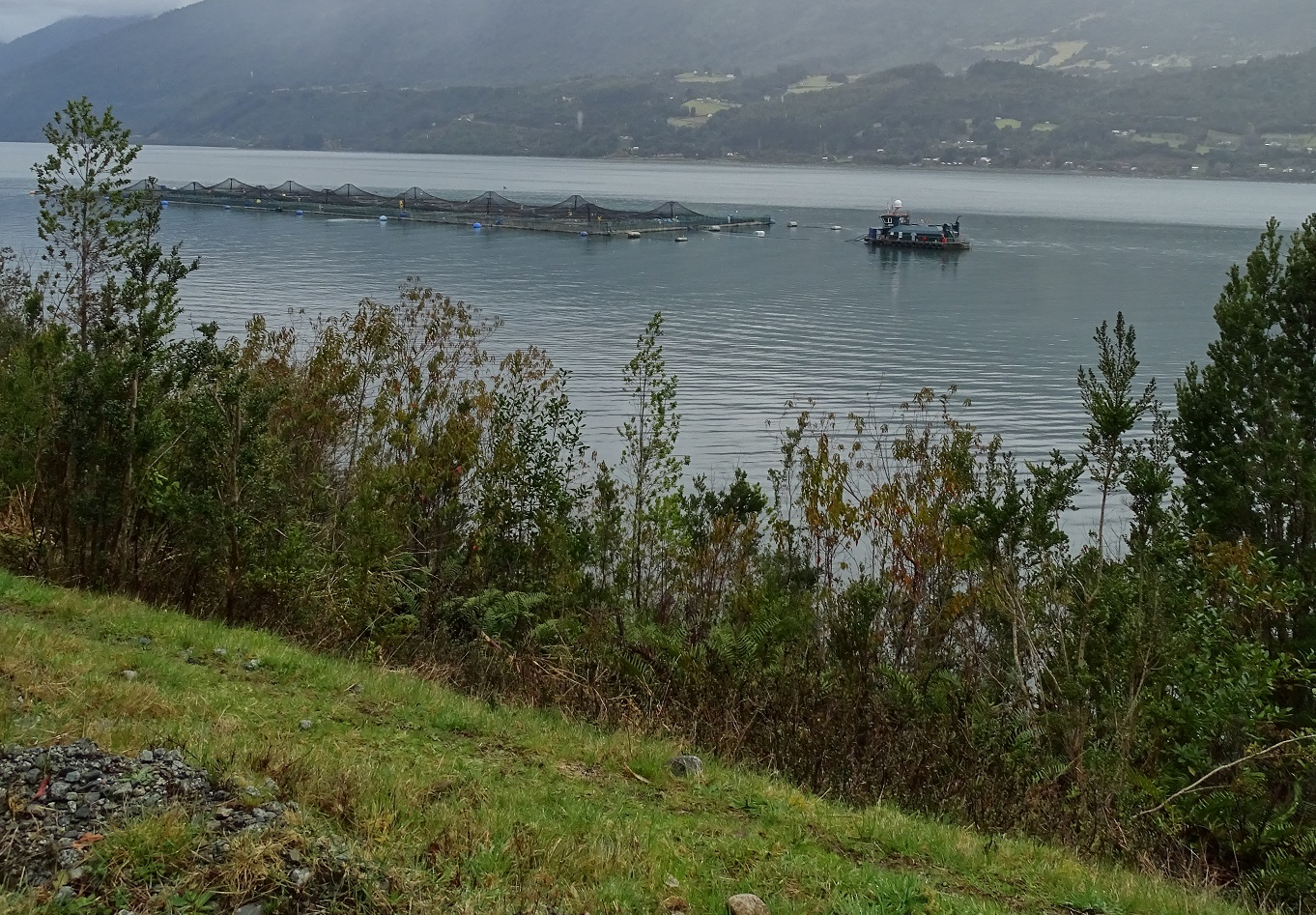
To understand these effects, individuals of the species were collected in Laraquete, at a small-scale aquaculture site in the Gulf of Arauco. In this place, the crops constantly face events of coastal emergence that expose the individuals to hypoxia, cold waters of low pH and corrosive that impact the structures of their shells, area also exposed to environmental pollution by the activities that develop in the area.
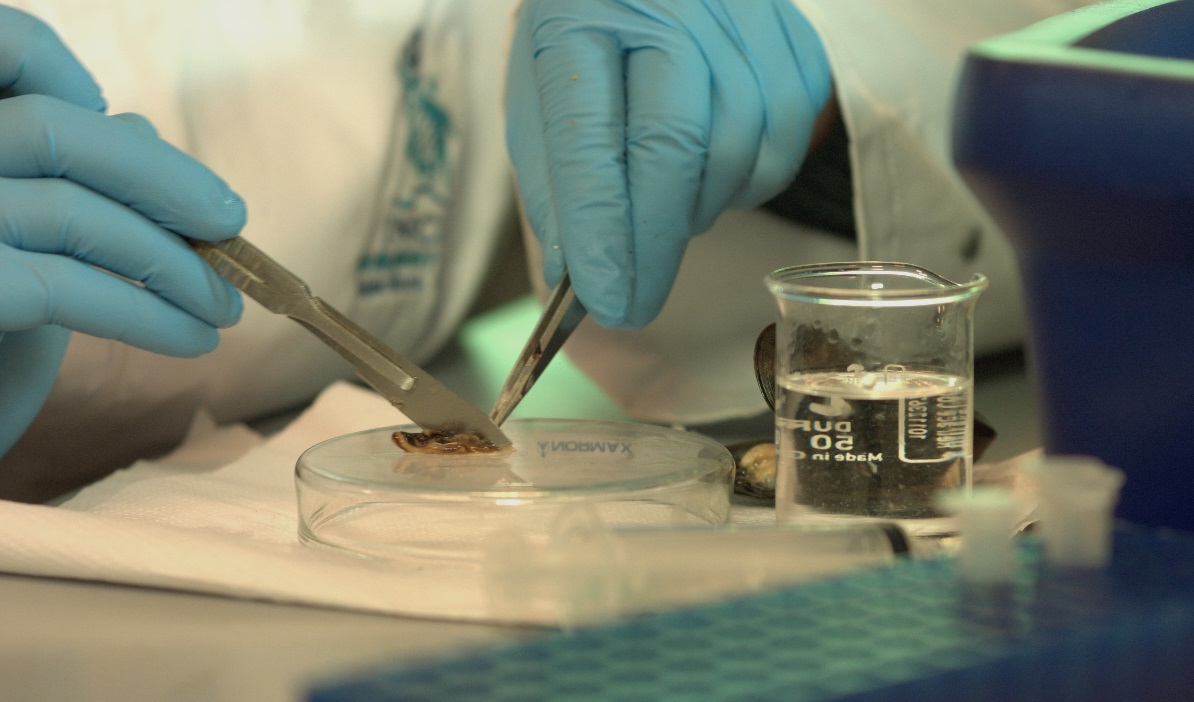
“For laboratory experiments, we simulate the natural conditions between seasons of the year that occur in that place. For example, in summer, when the temperature and pH are higher; then winter, when the pH is high and the water is cold; also surging conditions, when the water is cold and the pH is low and also, we try a future scenario with even more acidic water and a higher temperature. In this way we integrate characteristics of the area that have to do with these present scenarios and what is expected in the future,” he says. Cristian Vargas Galvez, academic of the Faculty of Environmental Sciences of the U. de Concepción, researcher SECOS and co-author of the article.
One of the most prominent results of the study is that individuals adjusted their metabolism to compensate for the effects of environmental stress. Despite the increase in energy spending under high temperatures and increased acidity, they managed to increase their filtration capacity and nutrient absorption.
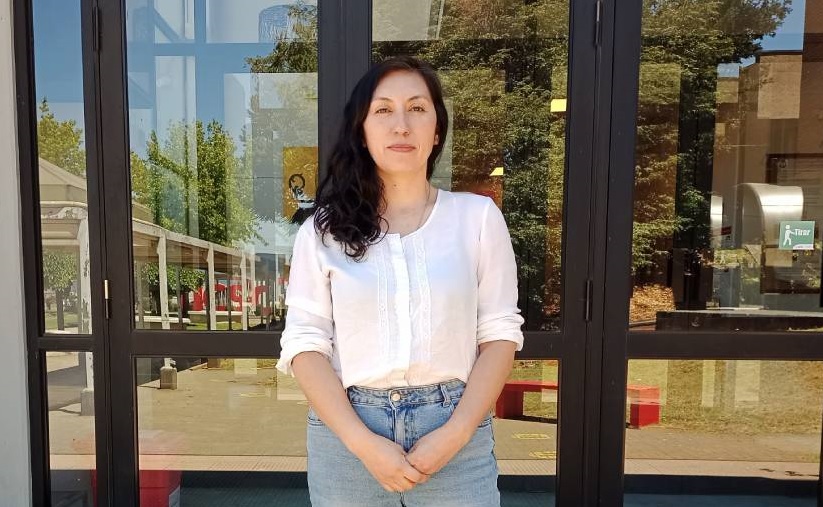
“What we saw in the experiments is that it is quite tolerant of these conditions, yet we still need to study what precisely makes it so tolerant. So we saw that they can be resistant to extreme conditions and with great adaptation to climate change,” says Vargas.
The study also underlines the importance of continuing to investigate species with high adaptation potential, especially in regions such as southern Chile, where environmental variability is considerable.
Thus, for the authors the results were surprising, since Despite the higher energy requirements in adverse environments, the individuals studied managed to maintain their growth and calcification process without registering mortality. This resistance suggests that the species could become a viable alternative to diversify mussel cultivation in the country in the face of an adverse scenario in the ocean.
“Unfortunately, the lack of relevant international markets due to consumers’ negative perception of the color of their meat led to this species remaining relegated to large-scale production. But you need to explore resilient marine species like choro shoe, and integrate these species into cropping systems and add innovation to take advantage of its large size and high quality nutrients, a strategy that can ensure the production of small and medium-sized enterprises in a future marked by climate instability,” Lardies concludes.