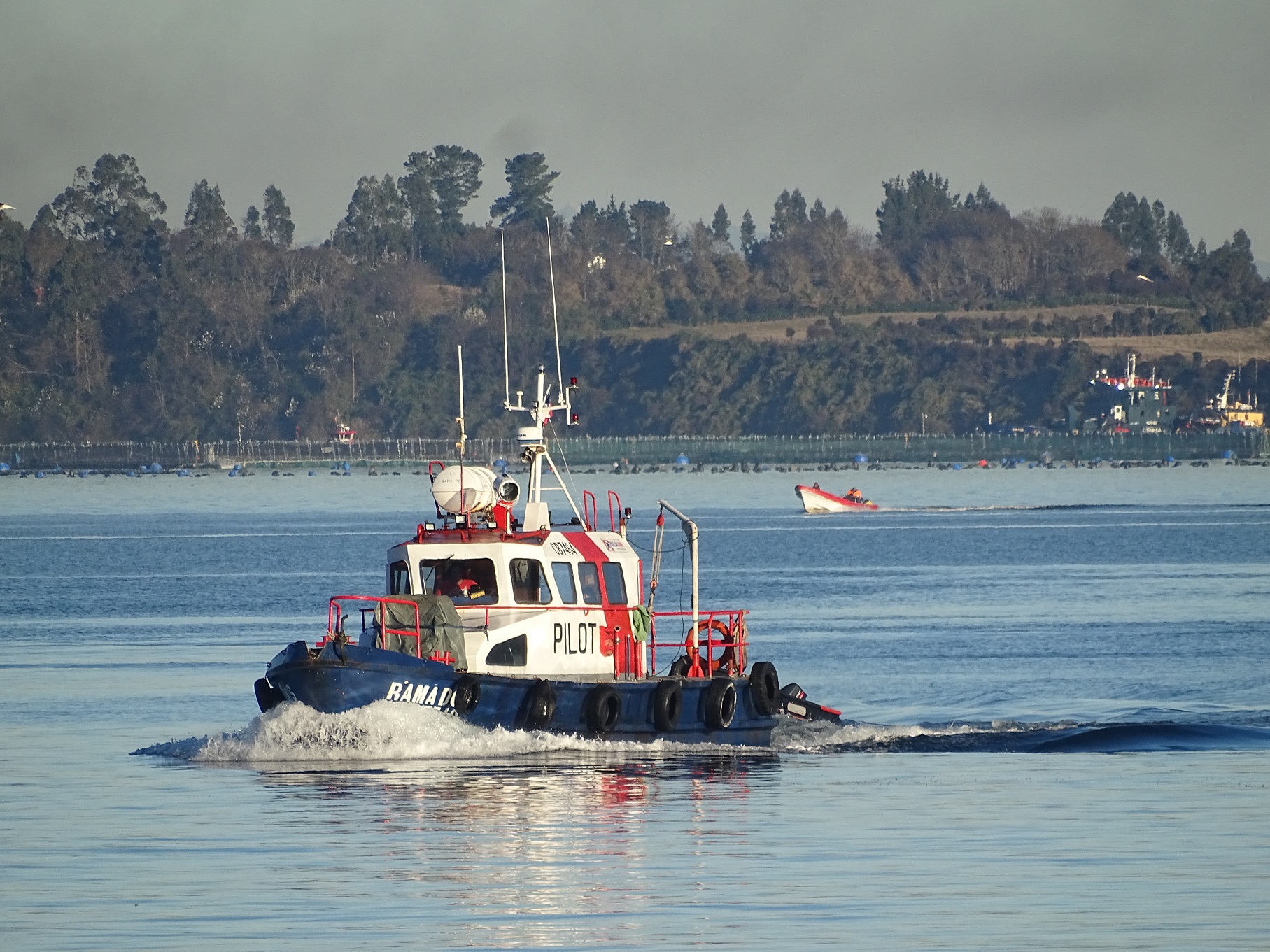
Aqua-Adapt is a tool that supports adaptation to climate change in aquaculture, helping sector actors make informed decisions that reduce risks and increase the resilience of aquaculture in the long term.
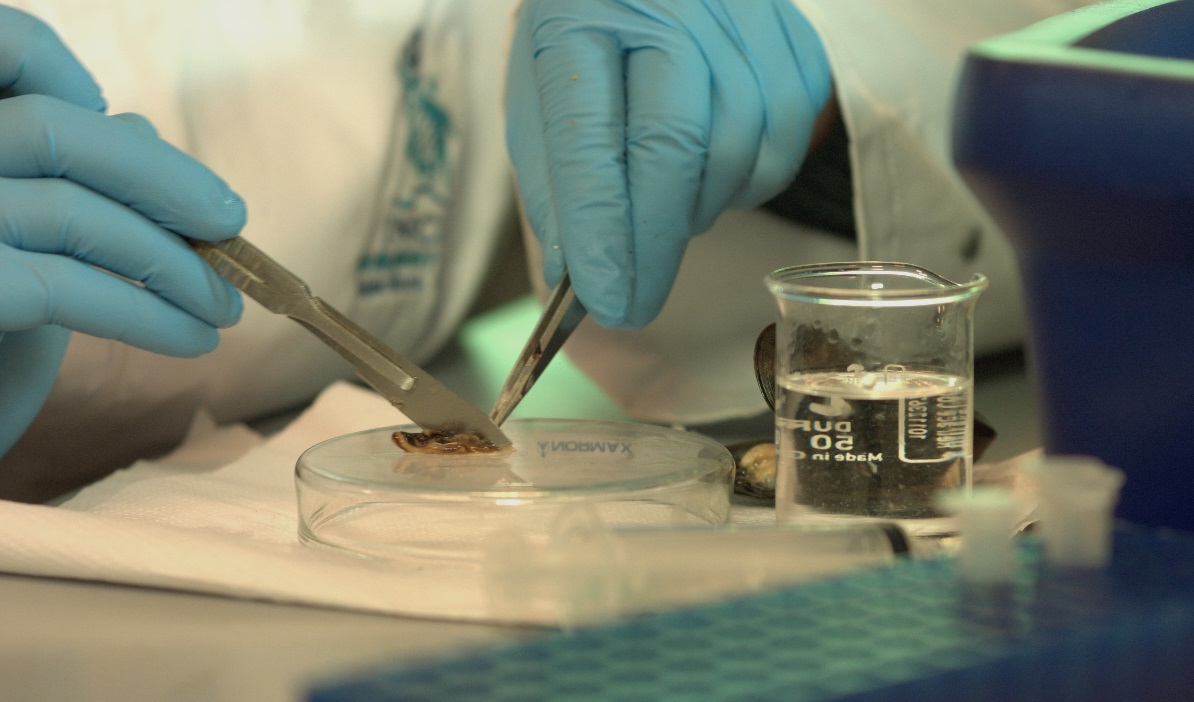
Recently, the FAO published the so-called Climate Change Aquaculture Adaptation Framework (Aqua-Adapt), a tool that supports the design and implementation of strategies to improve the resilience of aquaculture to climate change, developed in collaboration with researchers from Interdisciplinary Center for Aquaculture Research (INCAR), through a consultative process with international experts from different regions.
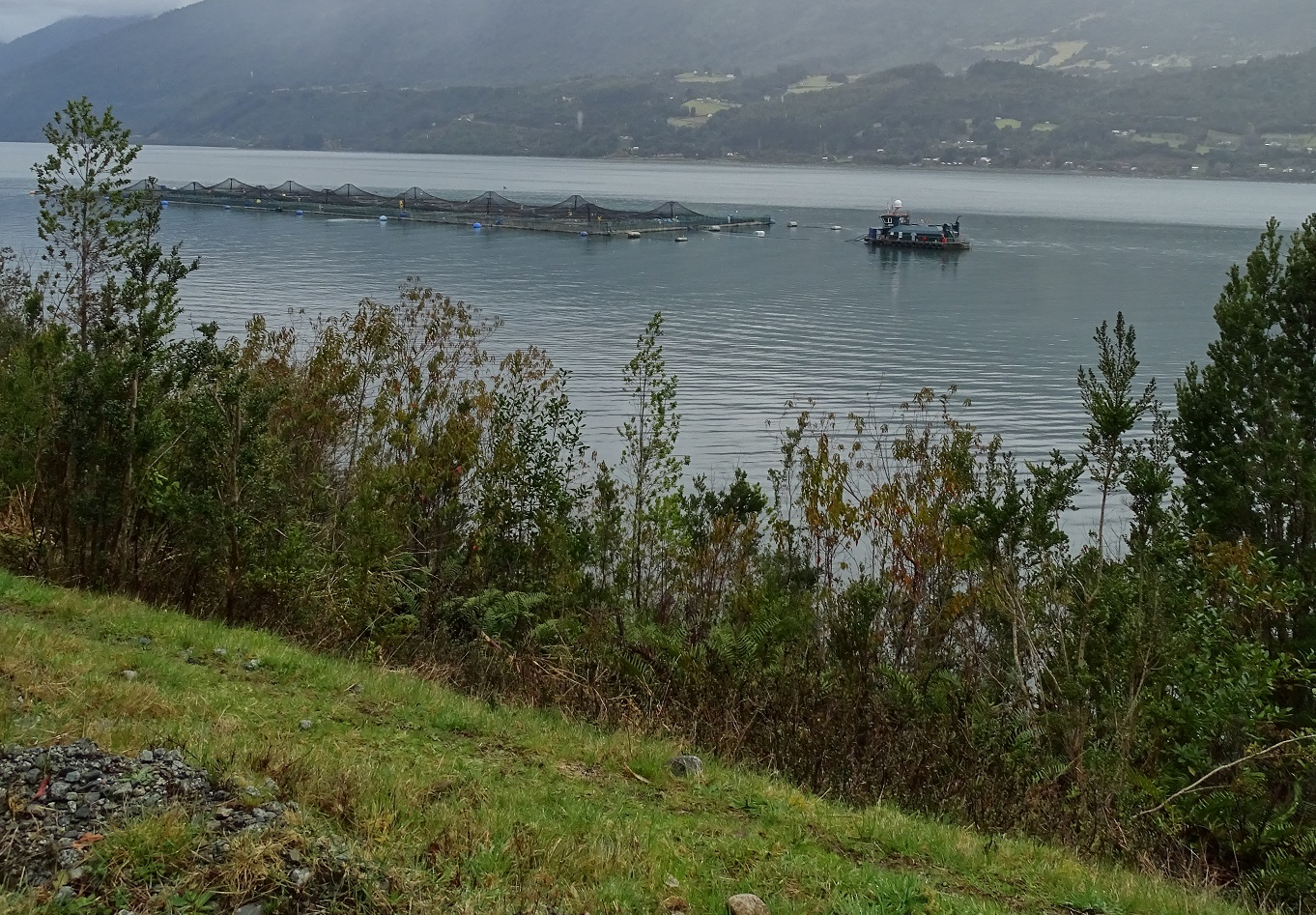
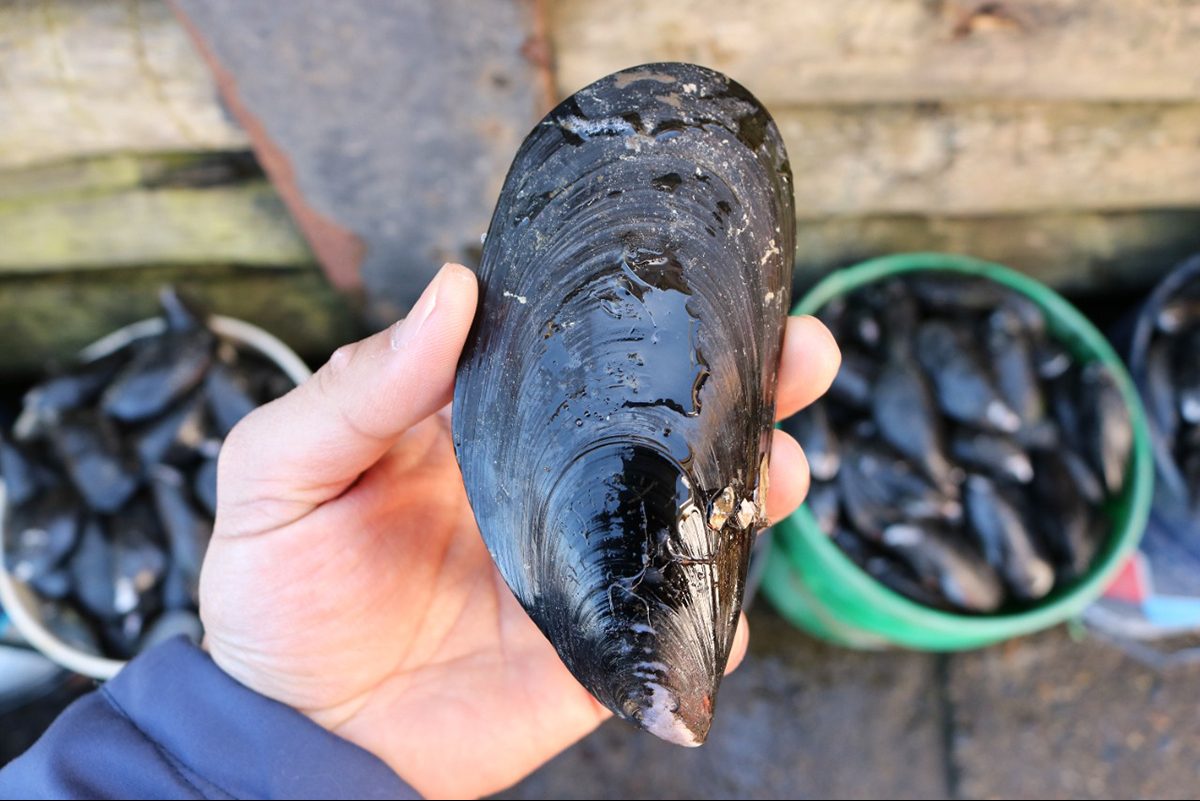
The book edited by Dr Doris Soto, Principal Researcher at INCAR, and Fisheries Officer at the FAO, Fernanda Garcia-Sampaio, includes a global assessment of studies on climate change adaptation in aquaculture, a proposal for a strategy and adaptation tools and uses two case studies - one on salmon farming and one on mussel farming - which helped to refine the framework to test adaptation technologies and improve their practical applicability. These publications also contribute the researchers from INCAR, Dr. Marcelo Fuentes, Dr. Carlos Chavez, Dr. Jorge Dresdner, Dr. Jorge León-Muñoz and Dr. Carlos Molinet.
The vulnerability of aquaculture to climate change requires urgent and practical adaptation strategies. Strengthening the resilience of the sector requires coordinated efforts at multiple levels, from farming centers and communities to research, innovation and governance systems. Various studies have highlighted the need for more climate-vulnerable practices and a clearer orientation to identify effective technologies and innovations and this is what the publication aims to achieve, explain the researchers in the document.
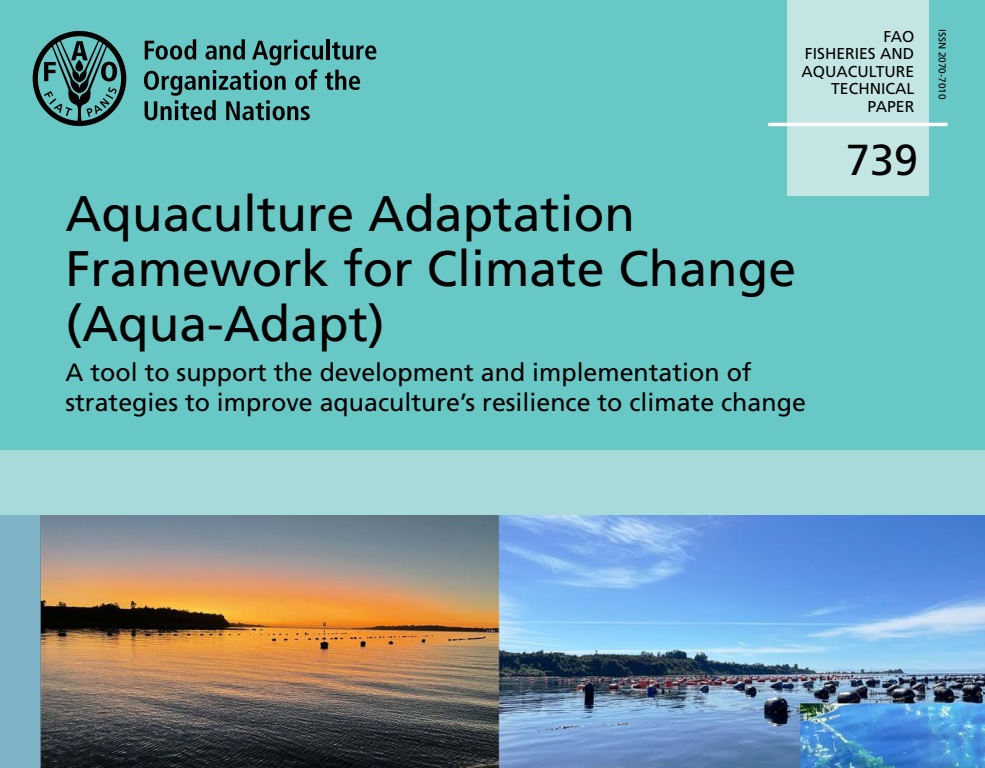
Aqua-Adapt is based on definitions from the Intergovernmental Panel on Climate Change (IPCC) assessment reports, and focuses on reducing risks while generating new opportunities.
The strategic framework sets out a 6-step process involving key stakeholders and evidence-based planning:
- Set the adaptation unit, which may range from individual aquaculture producers or a specific farming system to the minimum geographical and/or geopolitical unit of production. This unit may include one or all cultivated species and socio-ecological systems associated with appropriate spatial scales.
- Identify and select the most appropriate climate change projection pathways and models.
- Conduct a risk and vulnerability assessment as far as possible on the defined unit. This crucial task involves predicting and identifying the most significant threats to guide temporary adaptation actions and scales using appropriately defined climate projections, scenarios and ranges.
- Designing an adaptation plan to reduce the exposure and sensitivity identified, and to increase the adaptive capacity of the adaptation unit. This includes establishing an implementation schedule (short, medium and long term actions) and selecting the best adaptation options considering effectiveness, costs and technical difficulties. co-benefits and collateral damage, the potential for maladaptation (e.g. adaptation measures increase the carbon footprint) and the human and financial resources available. Regulatory adjustments are also essential to a good plan.
- Implementing the strategy following the implementation plan and seeking participatory, transparent and evidence-based processes.
- Carry out continuous monitoring and evaluation to improve the efficiency and effectiveness of the measures implemented, their costs and/or technical difficulties in such a way that the strategy is also adaptable and adaptable
Aqua-Adapt offers a structured and flexible approach to support adaptation to climate change in aquaculture, helping industry actors make informed decisions that reduce risks and increase aquaculture resilience in the long term.