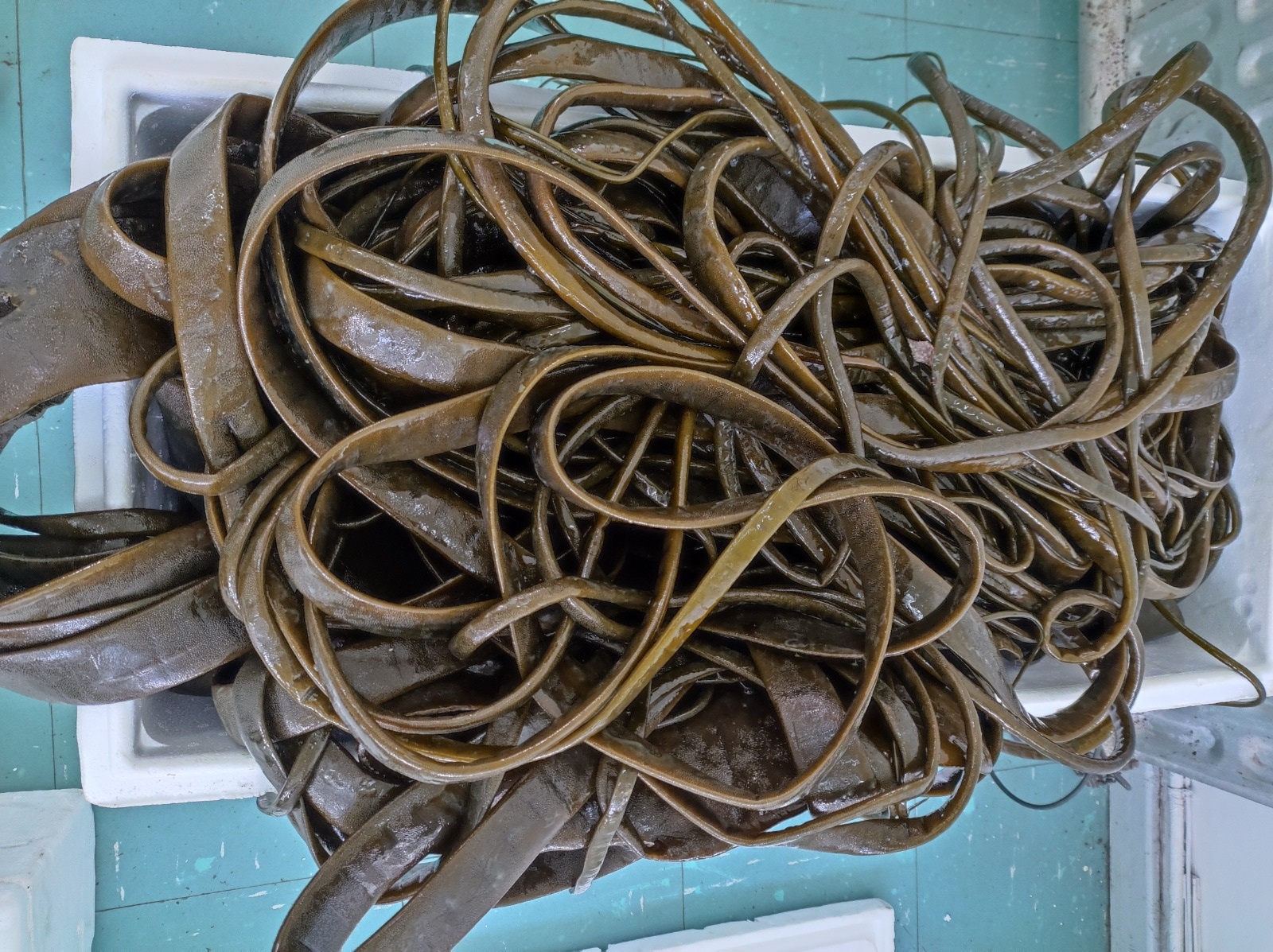
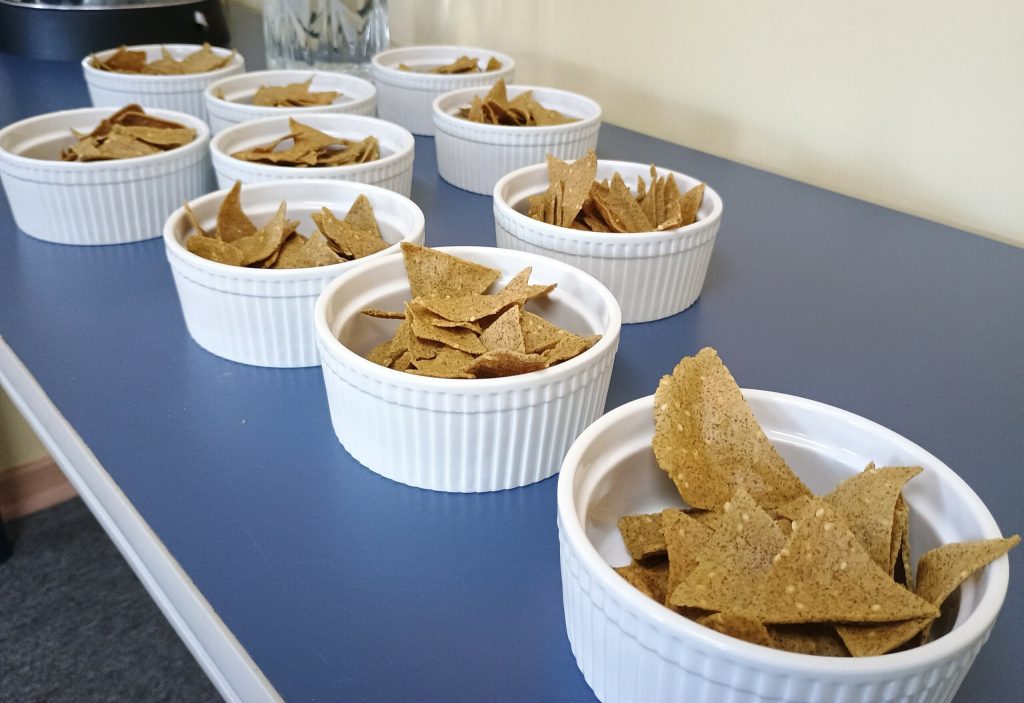
Baked tortillas based on this seaweed are an alternative that has a good nutritional contribution and could be marketed inside and outside the country.
Encouraging the consumption of cochachuyo in the population, especially among children, has been one of the most important challenges that Chile has faced. Despite the thousands of kilometers of coastline and the large amount of seaweed available, it has been difficult to incorporate it into a regular diet. However, researchers from the Los Lagos University They have been preparing a product based on cochayuyo, which proves to be of interest to the population, especially the younger generation. It is a type of baked tortilla similar to "nachos" that contains a significant amount of seaweed, but with a much milder flavor that makes it appealing to those palates that are not so fond of cochayuyo.
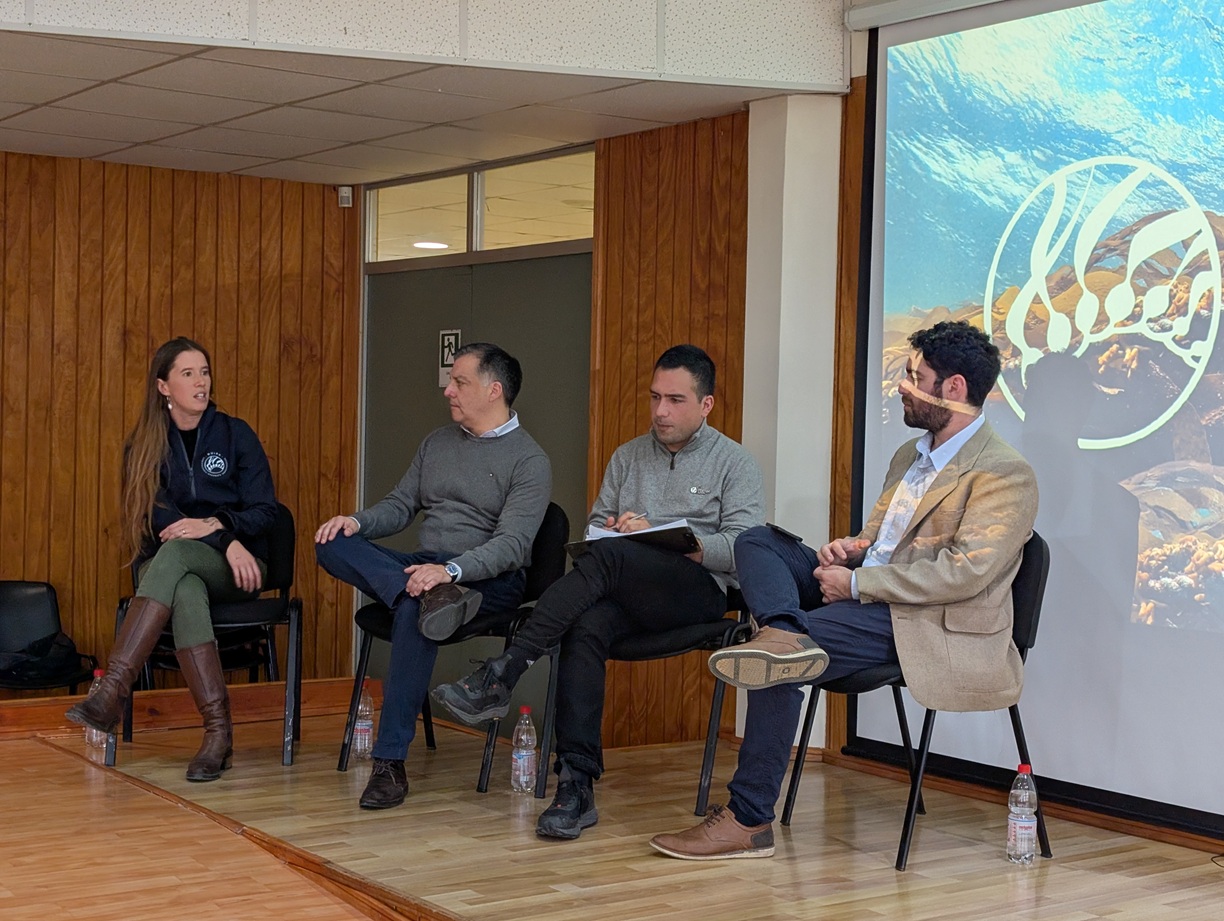
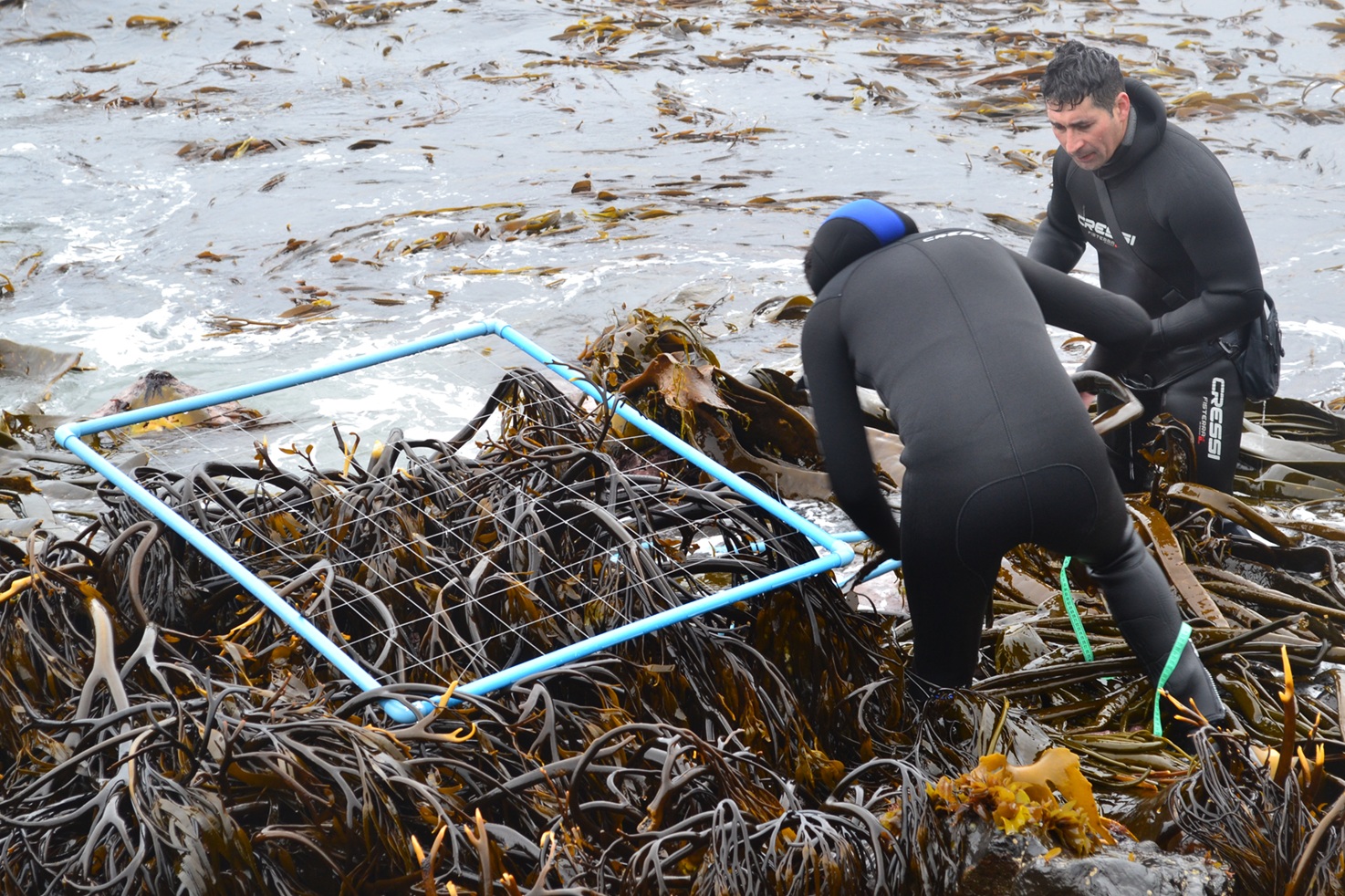
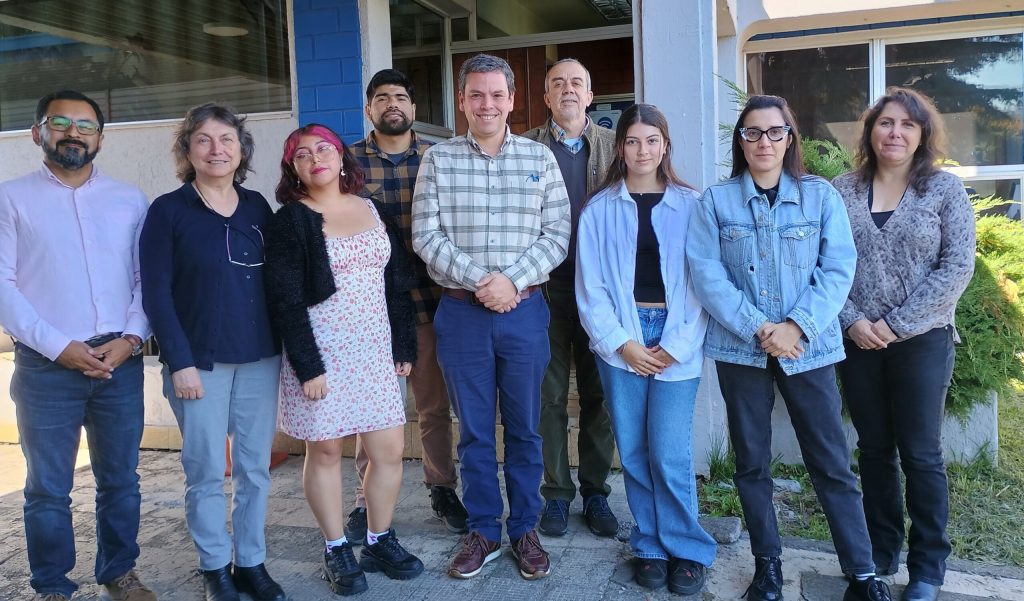
“This is an internal applied research project of the University which has meant developing new consumption formats for the marketing of cochayuyo. One of its objectives was to generate a healthy and edible product, with nutritional characteristics that are beneficial to health, thus developing this type of baked tortillas containing a set of ingredients based on cochayuyo. explains the project director, Dr. Alfonso Gutiérrez, academic from the Department of Natural Resources and Environment of the University of Los Lagos, Puerto Montt.
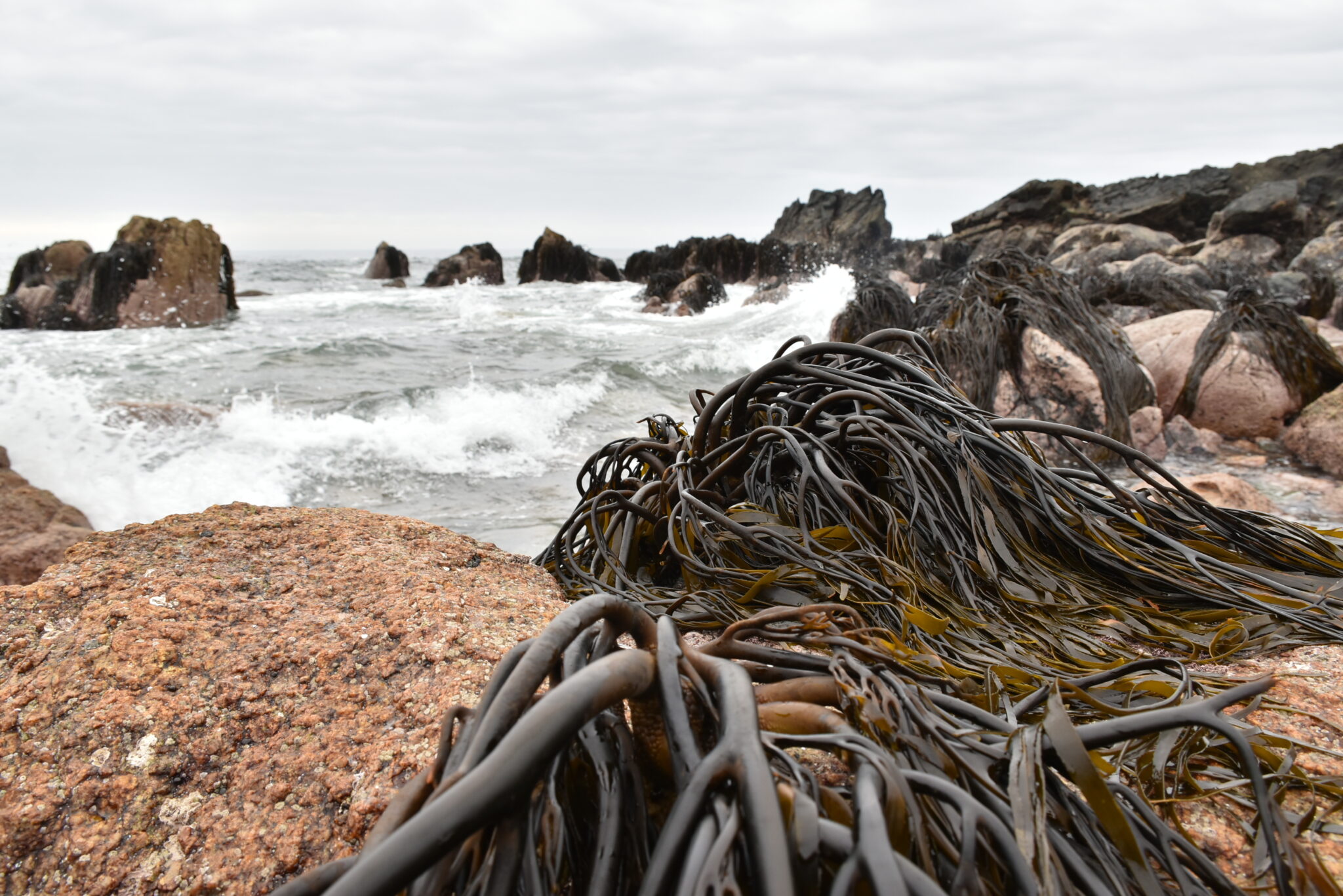
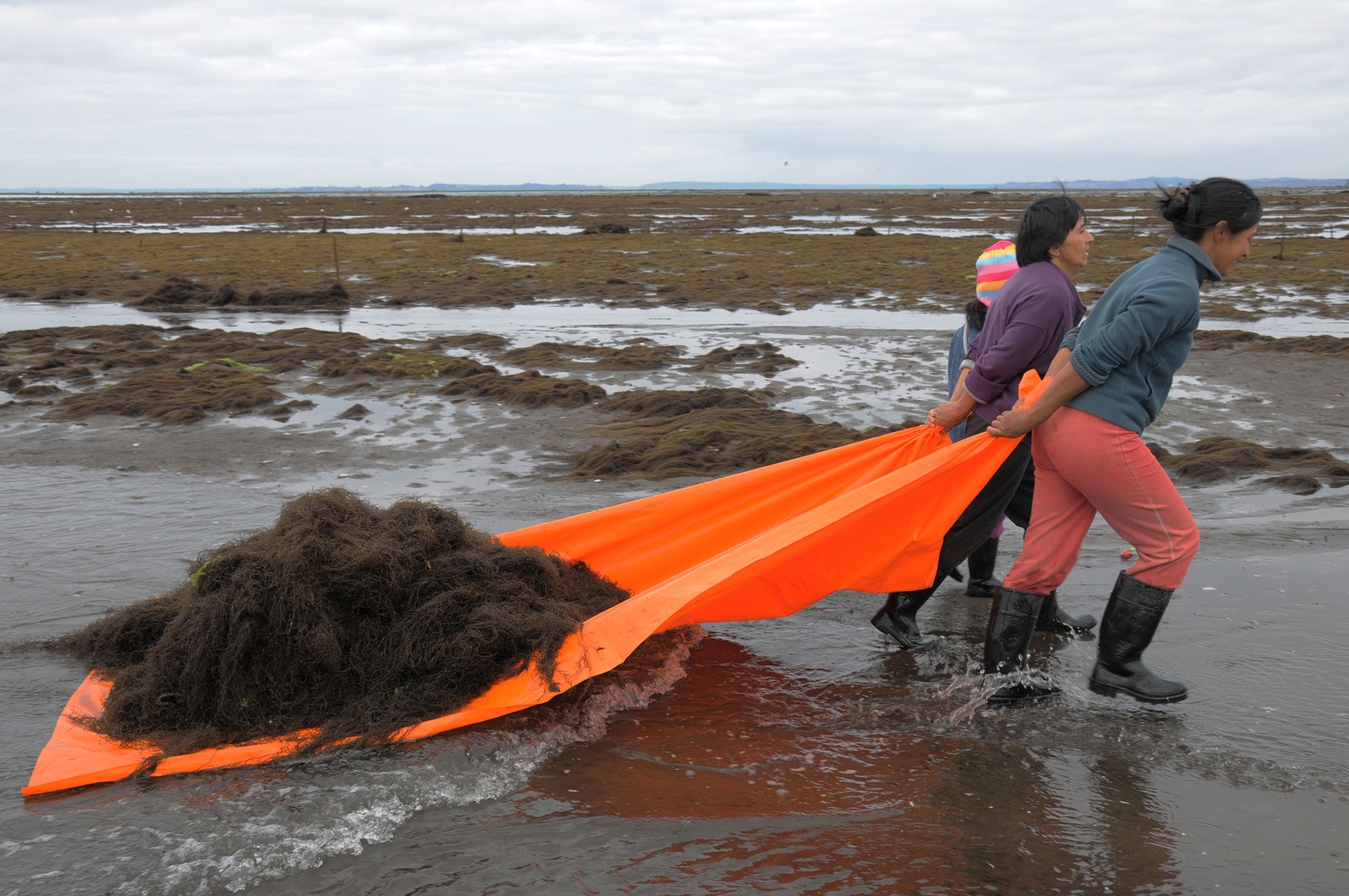
“Among the macroalgae that are traditionally recognized as food, the brown algae known as cochayuyo, Durvillaea incurvata, stands out. However, certain organoleptic characteristics such as the aroma and the process involved in its preparation cause some resistance to its consumption. Currently, the commercialization of this species is rudimentary and based on the sale of dry packages, although there are some initiatives of processing of processed products undertaken by private individuals and fishing organizationsindicates the project director.
In order to achieve a healthy product, rich in nutrients and of a taste softer than the cochayuyo as such, a partnership was established between departments such as Natural Resources and Environment, the Department of Aquaculture and the Food Area of that department, to precisely take advantage of its capacities in order to generate processes that contemplate a positive traceability of the product, regarding its nutritional characteristics, the least carbon footprint and the least impact on the environment, according to the academic.
To boost its eventual commercialization, the University of Los Lagos contacted the company Seaweed Place, with those who had already worked before, to taste these tortillas and analyze the possibilities of future marketing, according to the quality and nutritional contribution of the product.
“The importance of this product is that it gives value to algae such as cochayuyo in a new format and allows for greater consumption, especially in the Western world, where we need to eat more algae to have more health and start changing the food matrix as well. We are more than 40 years on the subject of algae, we are a family business, we export algae for human consumption, especially to the Asian market“ He said Juan Francisco Aldune, commercial director of Seaweed Place.
According to Aldune, according to his experience in the field, it has been discovered that it is better to highlight the nutritional properties of algae in products that want to market than the mere fact that they have algae, especially in Latin America where the consumption of this product is usually low.
“Now we're going to continue taking the steps to finish evaluating the product (Ulagos) both on the nutritional and organoleptic sides and see what other adjustments can be made to the product and see how we move forward by projecting towards a national and international market, where the consumption of algae in this part of the world could be further valued.“ ” said the company’s business director.
Source: University of Los Lagos.