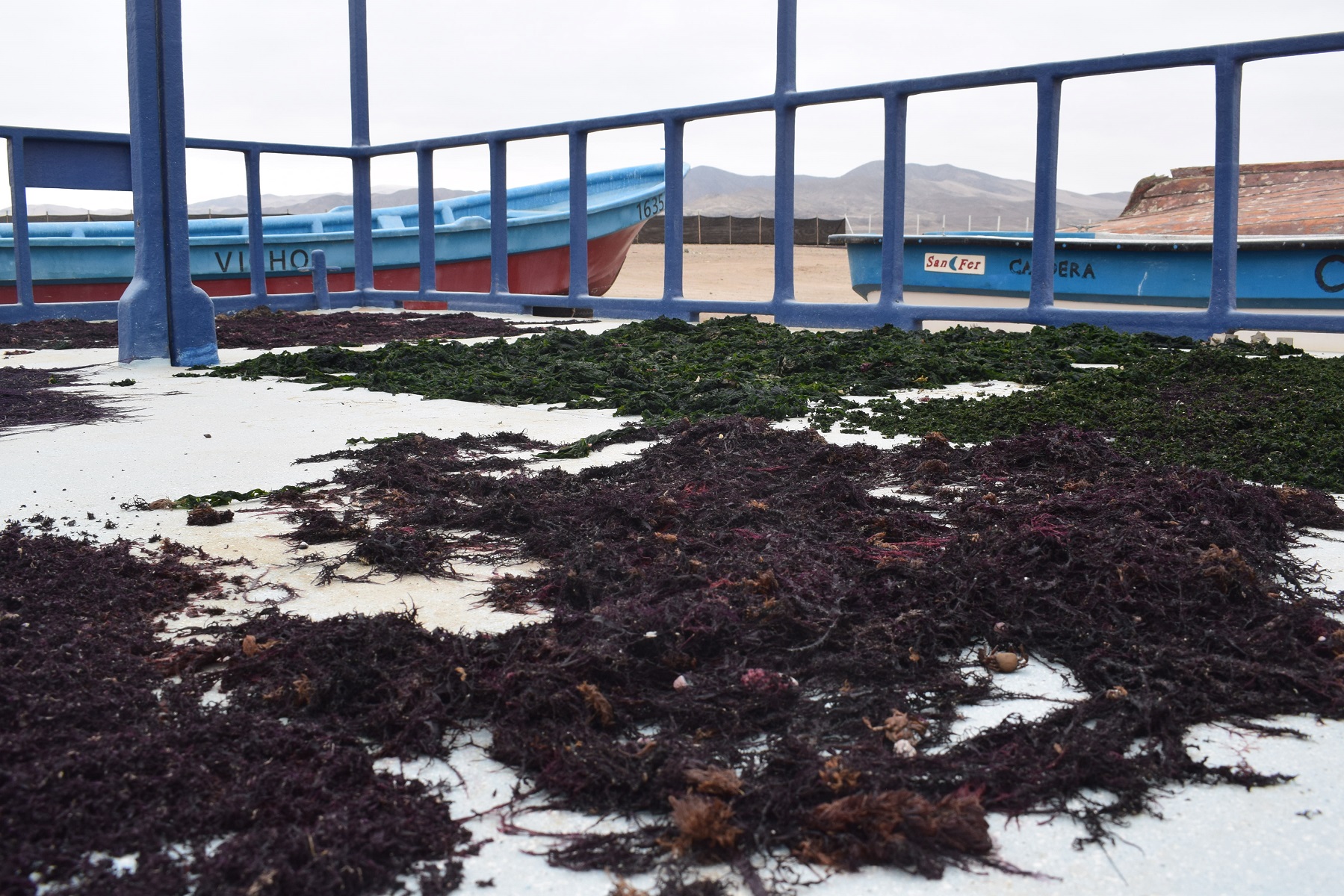
The program has as its main objective to strengthen and optimize the algae production and commercial chain in the Atacama region.
Recently, within the framework of Technology Diffusion Program of Corfo Atacama, "Algas Atacama", executed by Cooking Foundation and supported by the Atacama Productive Development Committee, a visit was made to Caldera, Freirina, Chañaral de Aceituno and Huasco.
This activity, led by the project director, Griselda Ilabel, and the territorial coordinator, Noemí Solar, had as its main objectives to establish strategic alliances that facilitate a territorial strategy for the construction of the technology adoption plan of the good practices prospectively identified in the value addition to regional seaweeds; define project profiles together with the beneficiaries and beneficiaries for apply for available funds and provide technical assistance to projects already in implementation.
These actions aim to address the gaps identified by the project, which include the limited productive diversification and the addition of value to marine products (seaweeds); the absence of business models that guide production and its valuation, as well as the lack of infrastructure and equipment necessary to enhance the use of seaweed resources.
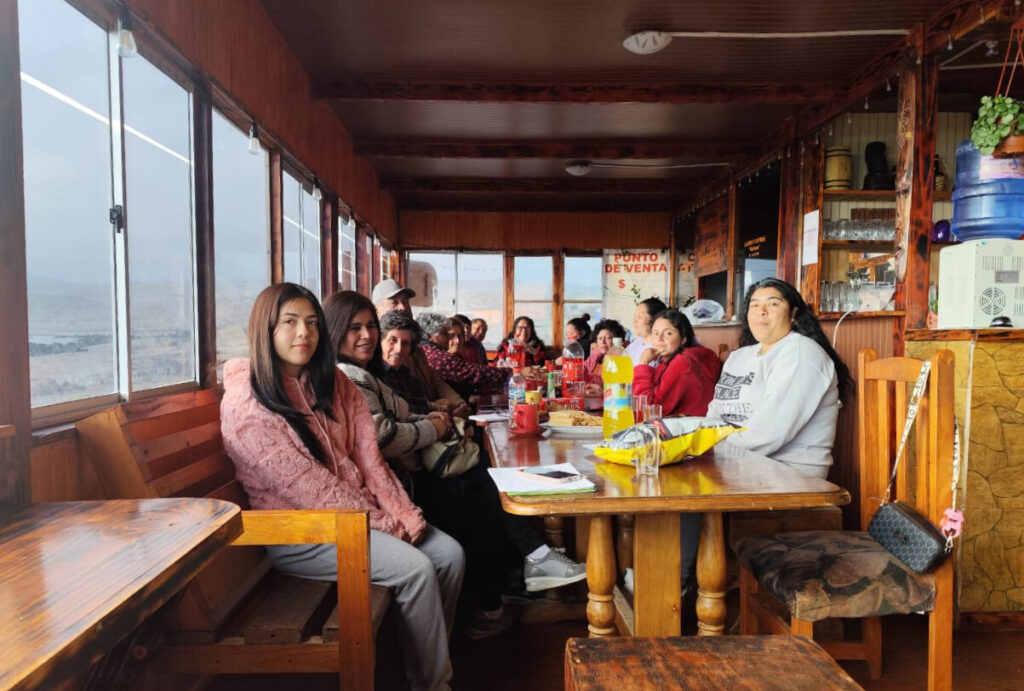
During the visit, we worked closely with beneficiaries who previously participated in a technical tour of the Valparaíso region, focusing mainly on the development of natural cosmetics based on algae. The places visited were Chañaral de Aceituno, Freirina, Huasco and Caldera, where various initiatives were discussed and possible projects explored.
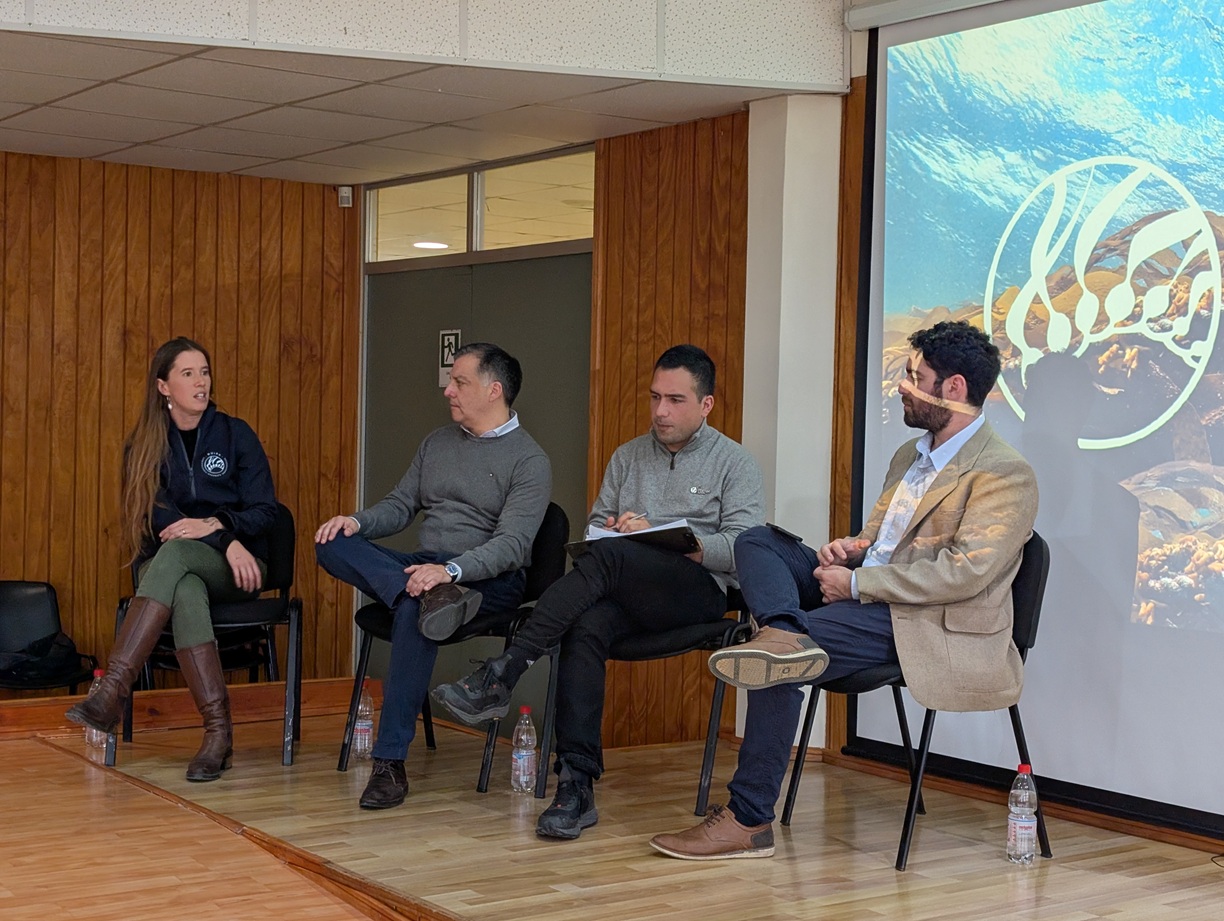
Along with this, meetings were held with the heads of productive development of the municipalities of Freirina, Huasco and Caldera, where several ideas of collaboration were mentioned. As explained by the director of the PDT Algas Atacama and Fundación Cocinamar, Griselda Ilabel, the most significant actions of this visit are the activation of local resources, including infrastructure, social capital and technical skills. “We seek to achieve agreements that benefit entrepreneurs in the region, recognizing the crucial role that local governments play in the region’s entrepreneurship and innovation ecosystem.”
Another important activity was the meeting with the Agricultural and Livestock Service (SAG), where the regulations related to biostimulants were revised, laying the foundations for organizing a tour south of Chile for a group of beneficiaries of the project, who are thinking of innovating in the development of biostimulants based on local algae.
The initiative has planned a tour to Valdivia and Puerto Montt, probably during the month of September, in which beneficiaries of Caldera, Freirina and Huasco will participate. This activity represents an important opportunity for further progress in the implementation of the plans and projects discussed during this field visit.