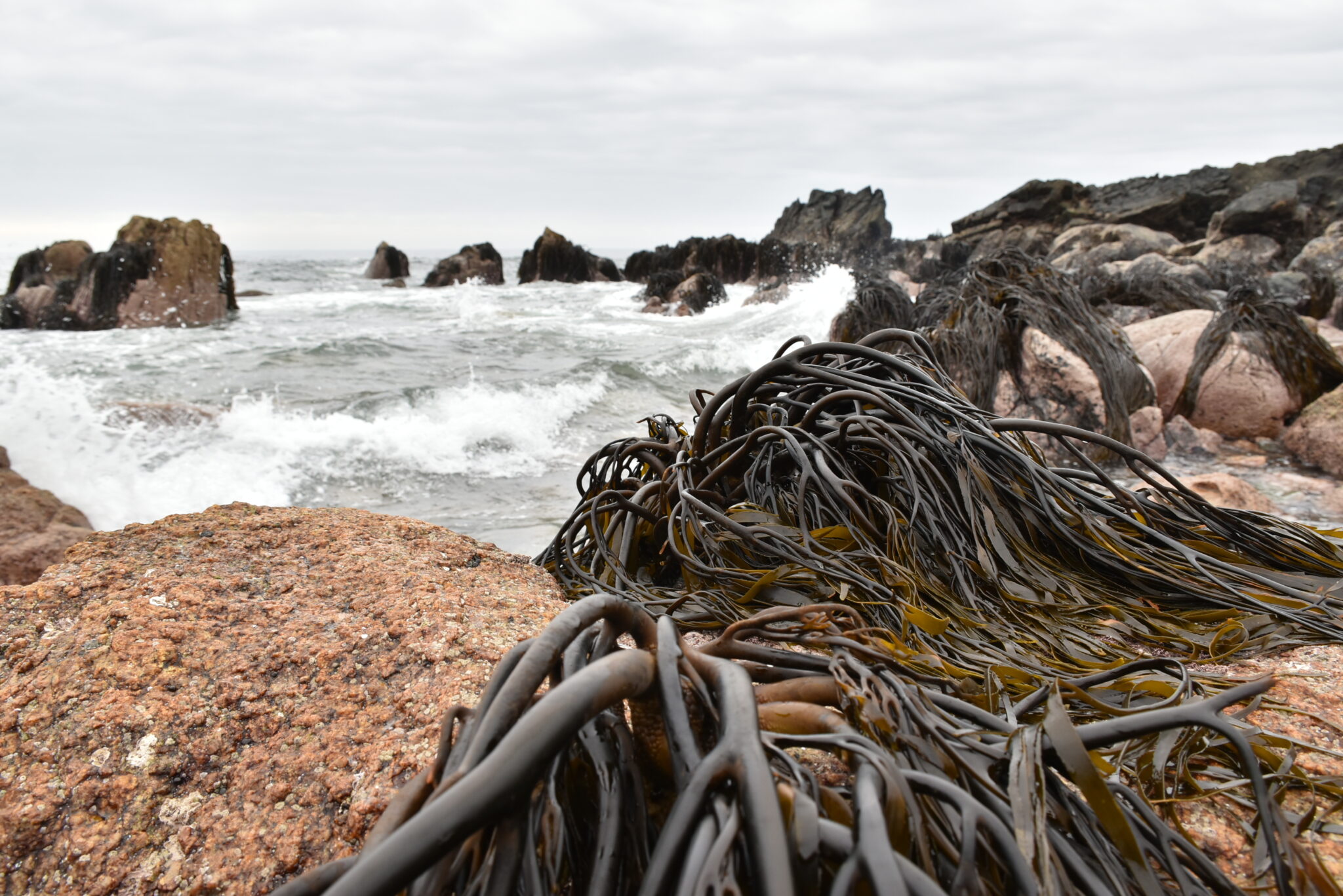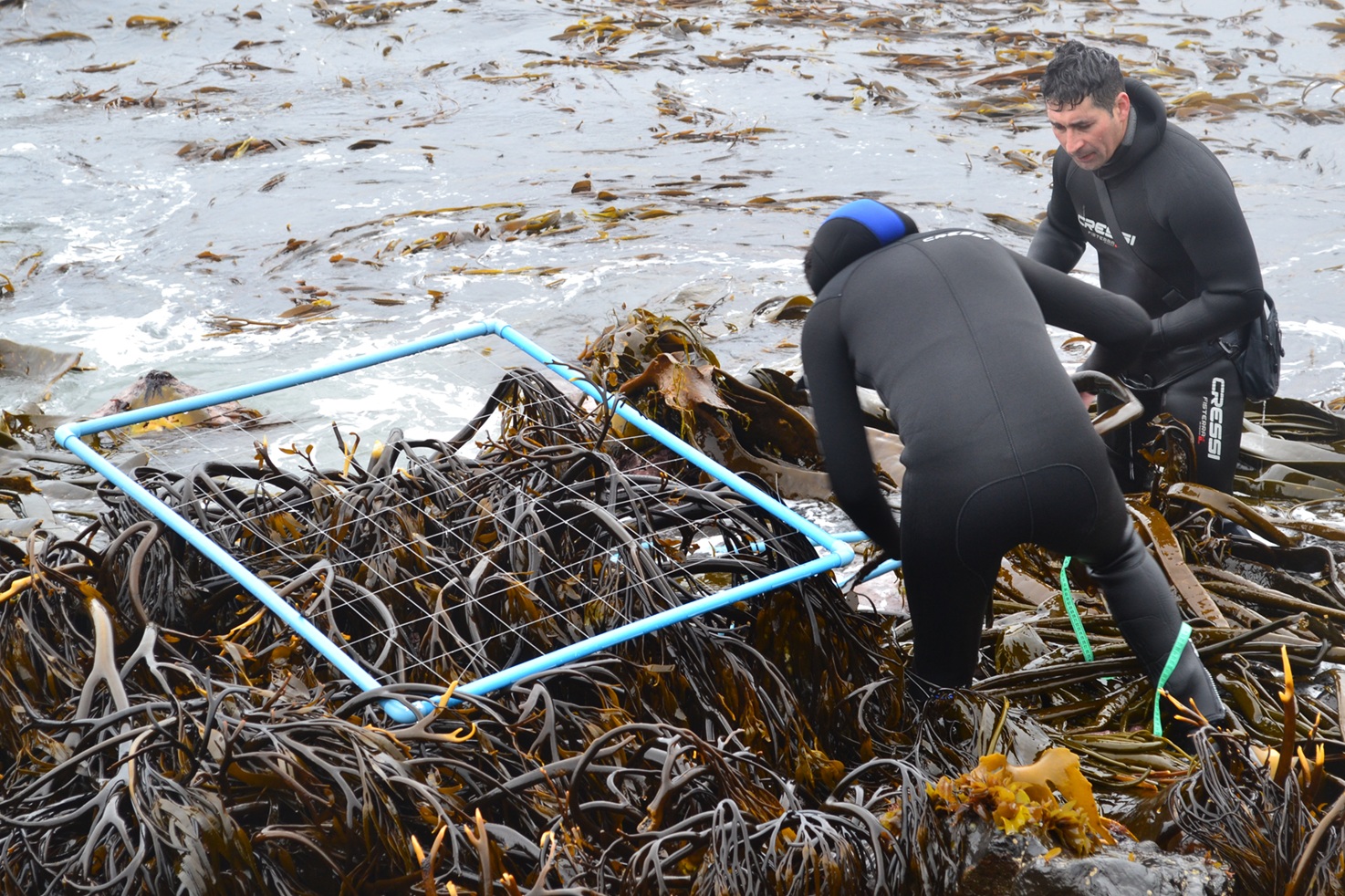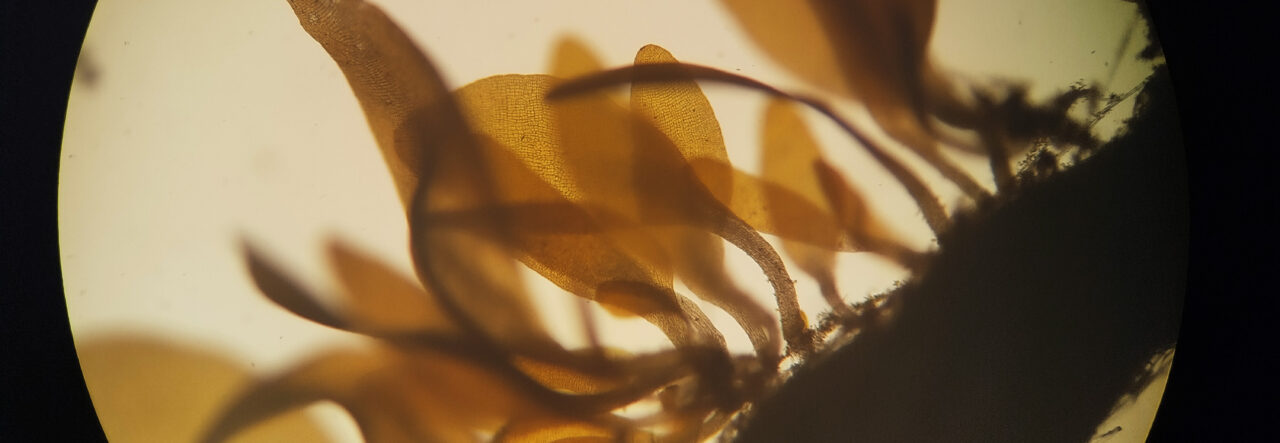
Scientists from the University of Los Lagos studied how two variants of Macrocystis (pyrifera e integrifolia) differ in their reproductive capacity and early development.
A team of researchers from the University of Los Lagos and other educational institutions has achieved a key advance in understanding how the algae Macrocystis, one of the most important species in marine ecosystems, reproduces and adapts to its environment.
The study, led by Dr. Camilo Rodríguez-Villegas and scientists from the MASH Millennium Nucleus (funded by ANID), the i~mar Center, CeBiB and the Department of Natural Resources and Environment of ULagos, in collaboration with institutions in Chile and Argentina, analyzed the differences between two variants of this algae: Macrocystis integrifolia and Macrocystis pyrifera, more commonly known as floating huiro.
The research, recently published, has important implications for the conservation and management of kelp forests, ecosystems that are fundamental to marine biodiversity and ecological balance, and also provides key information for the development of more efficient management and cultivation strategies.
What's the investigation about?
The scientists of ULagos studied how these two variants of Macrocystis (pyrifera e integrifolia) differ in their ability to reproduce and develop early. The results would indicate that pyrifera may have a reproductive advantage over integraifolia because its reproductive cells (zoospores) contain more neutral lipids, a fundamental source of energy for moving and settling in new habitats.
In simple terms, this means that pyrifera could reproduce more successfully and grow faster than integraifolia, which could influence their distribution and adaptation to different environments.
In addition, molecular analyses suggest that these differences may be leading to an evolutionary separation between the two variants, opening up new questions about the evolution of this species and its response to environmental changes.
Puerto Montt as the epicenter of marine research
This study reinforces the role of the University of Los Lagos as a key actor in the research of marine resources in Chile. Thanks to the work of scientists in the region, knowledge of global impact on marine ecosystems and their conservation is being generated.
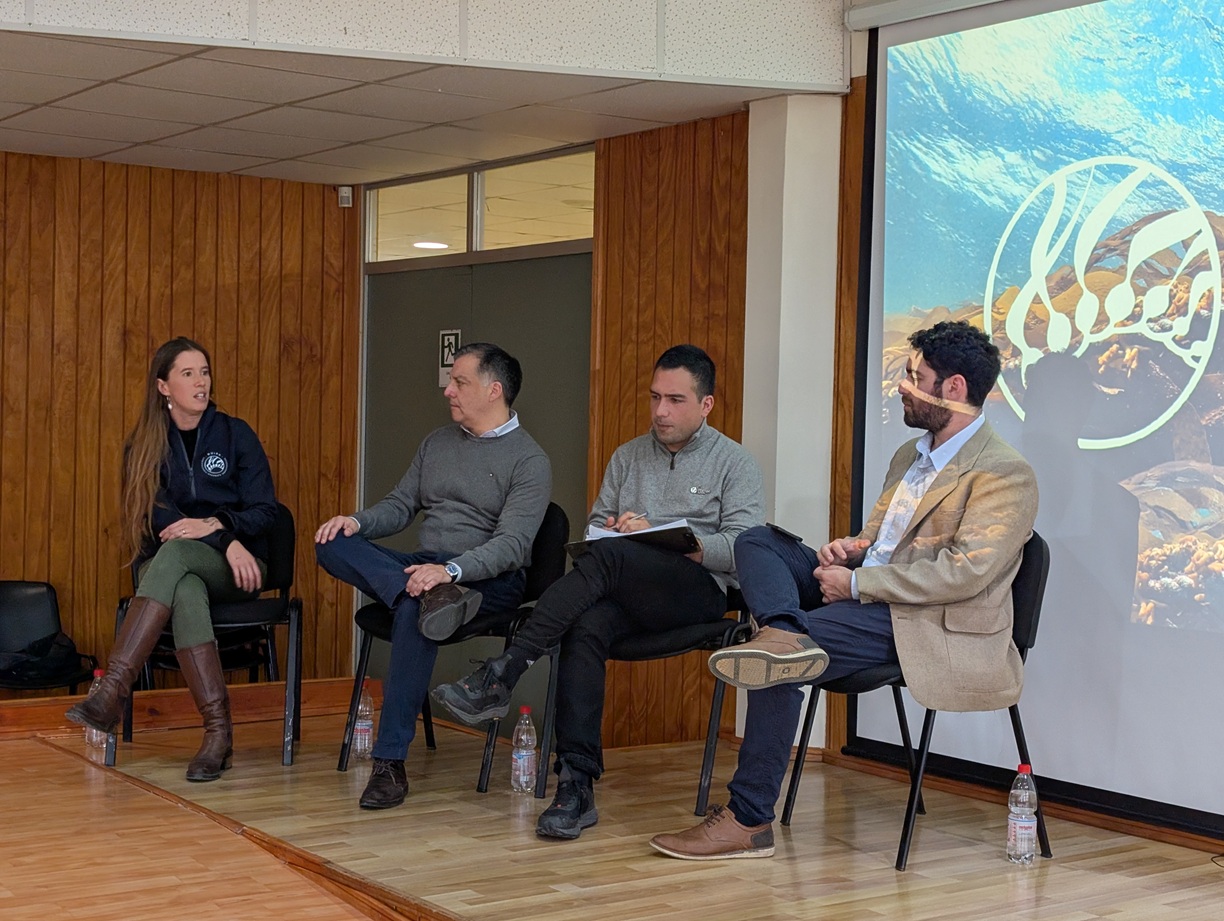
In this line, the director of the Millennium Center MASH and professor of ULagos, Dr. Carolina Camus, highlighted the relevance of these findings, indicating that “this study not only helps us to better understand the evolution of Macrocystisbut also provides key information for its management and conservation.”
With research like this, ULagos continues to position itself as a benchmark in the study of marine ecosystems, contributing science from Puerto Montt to the world.