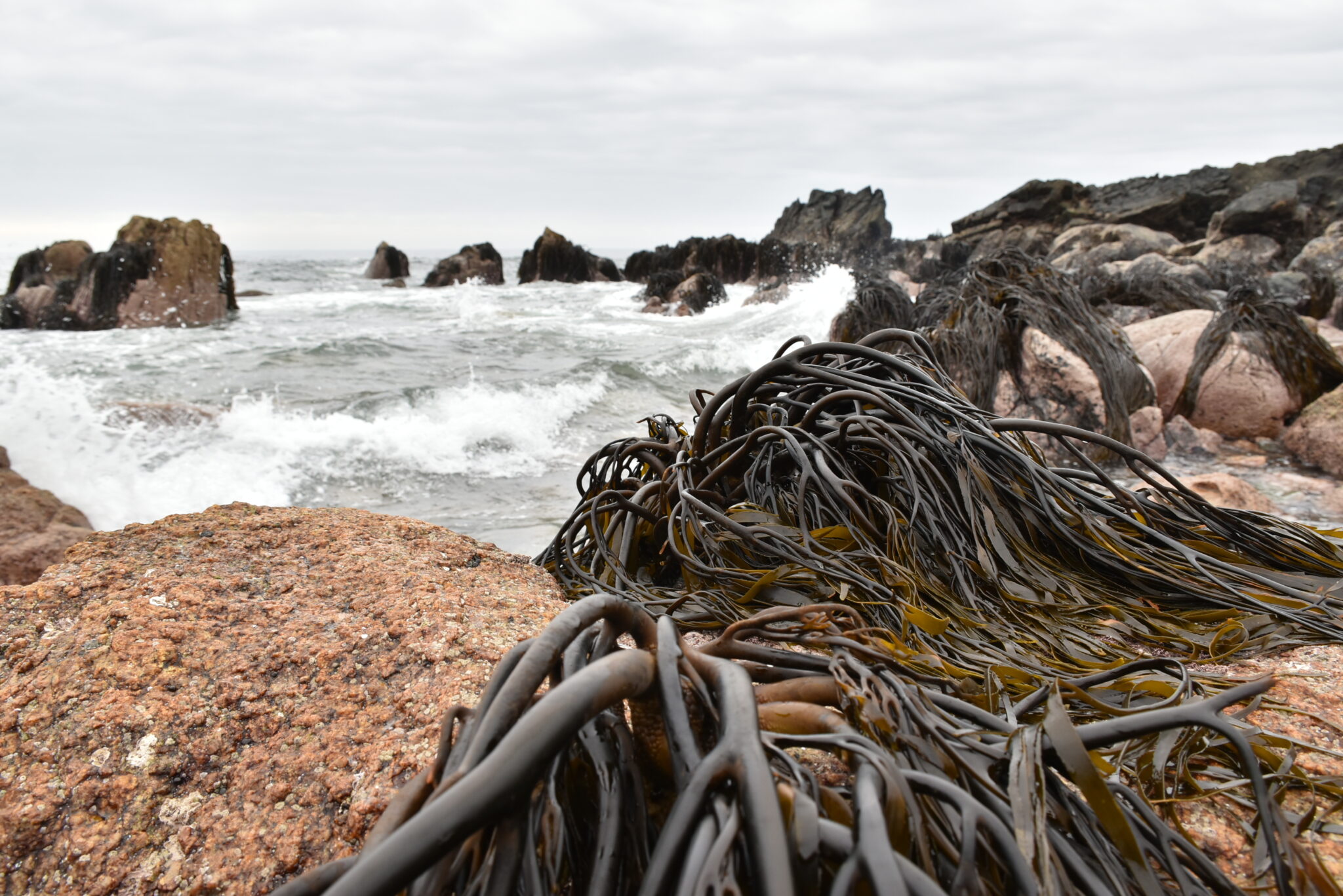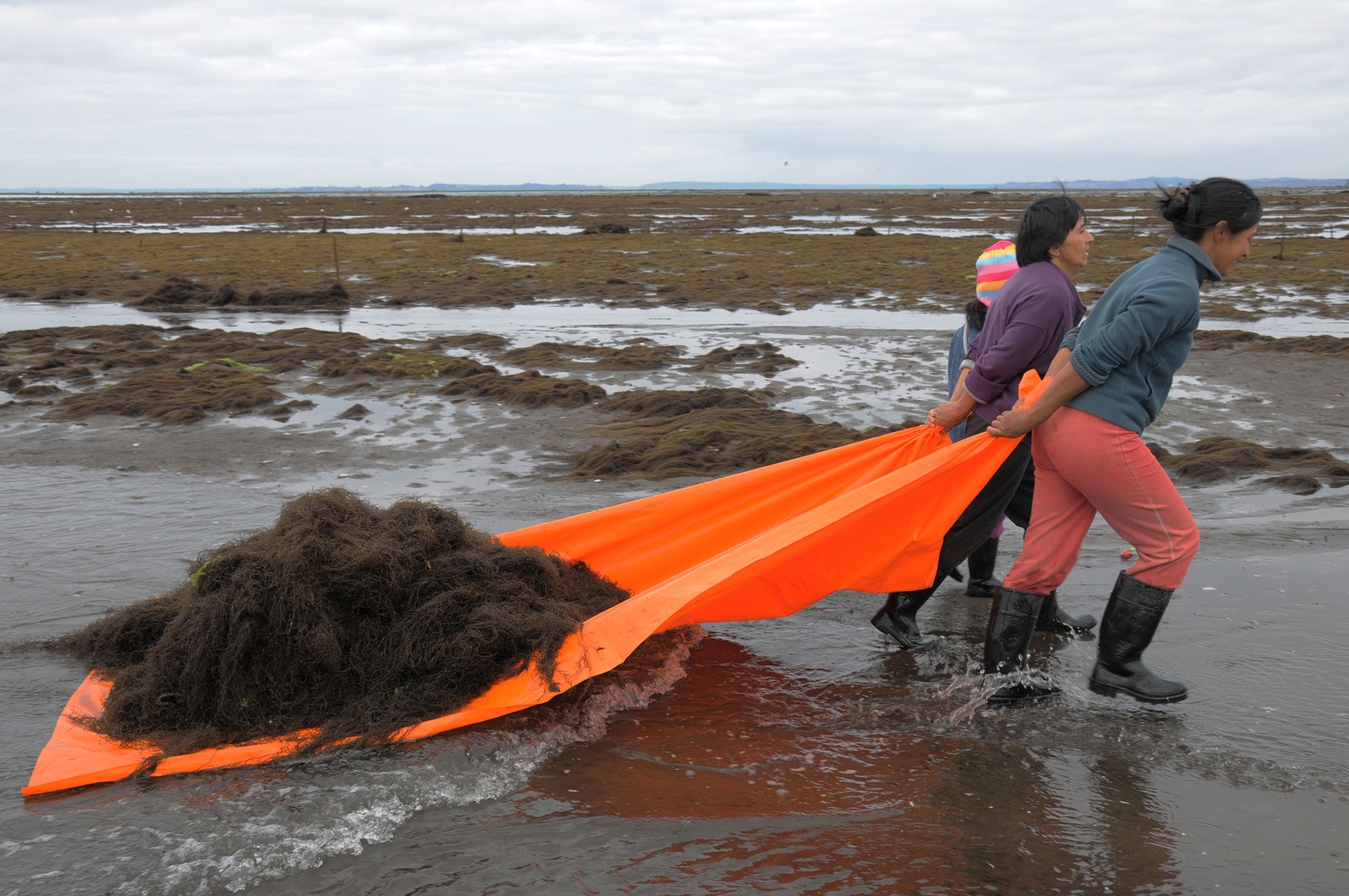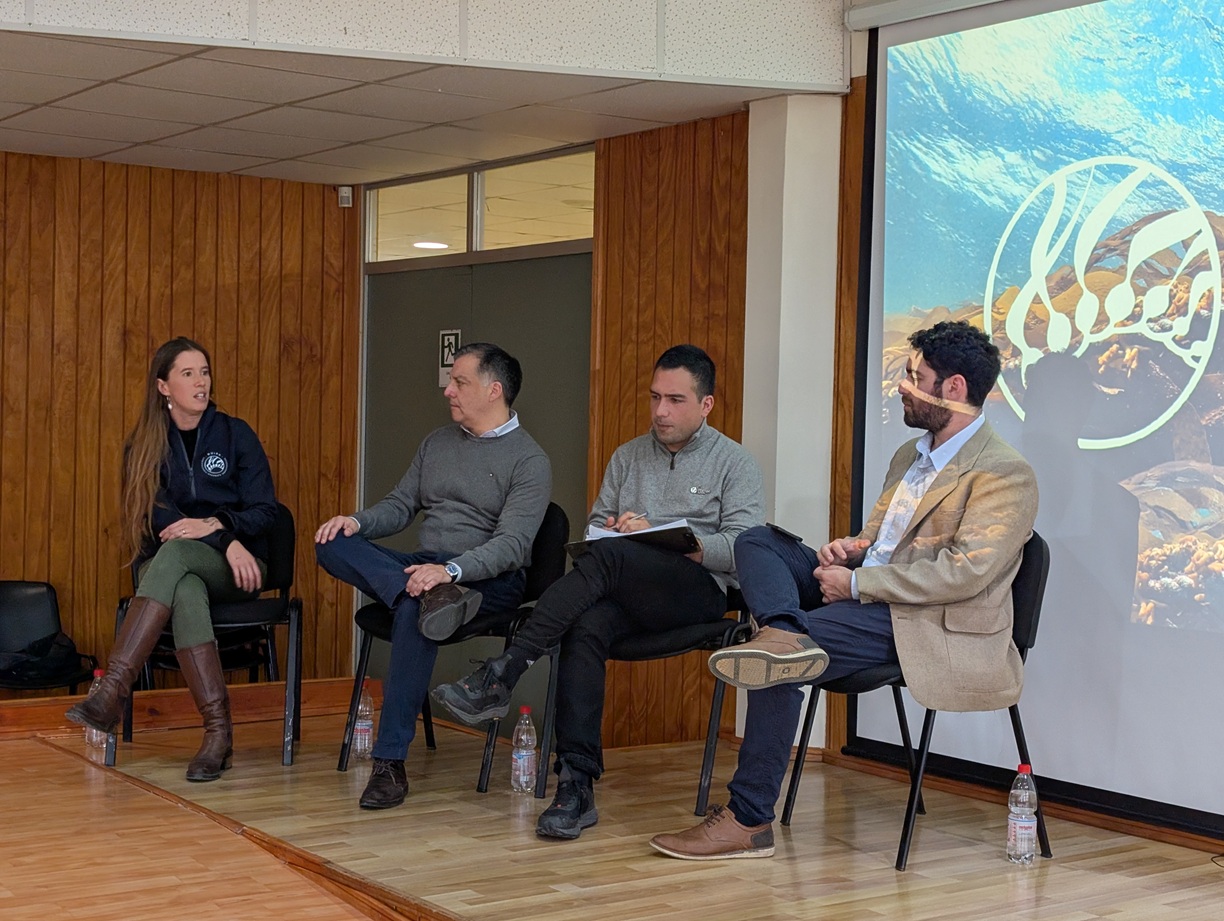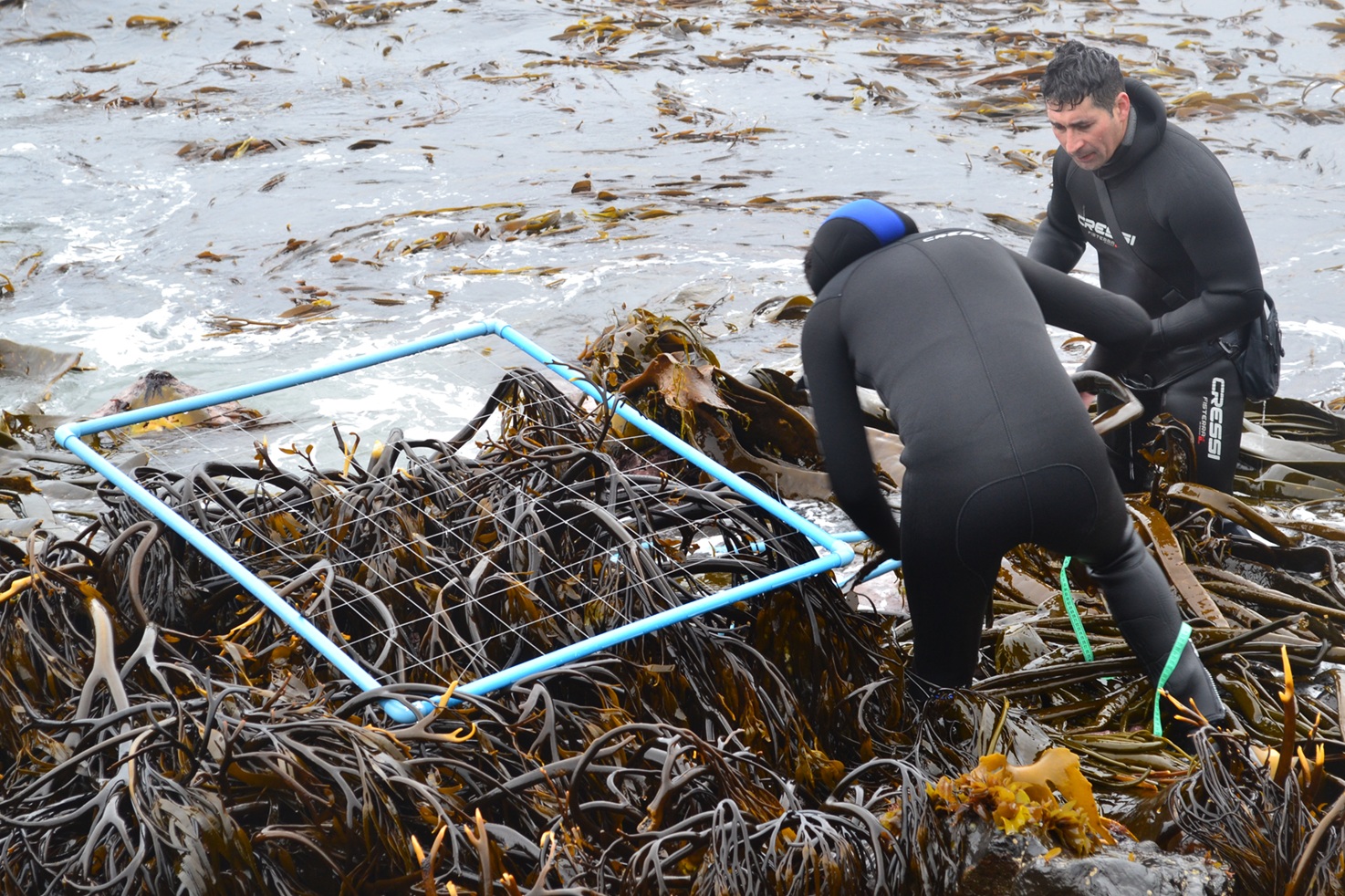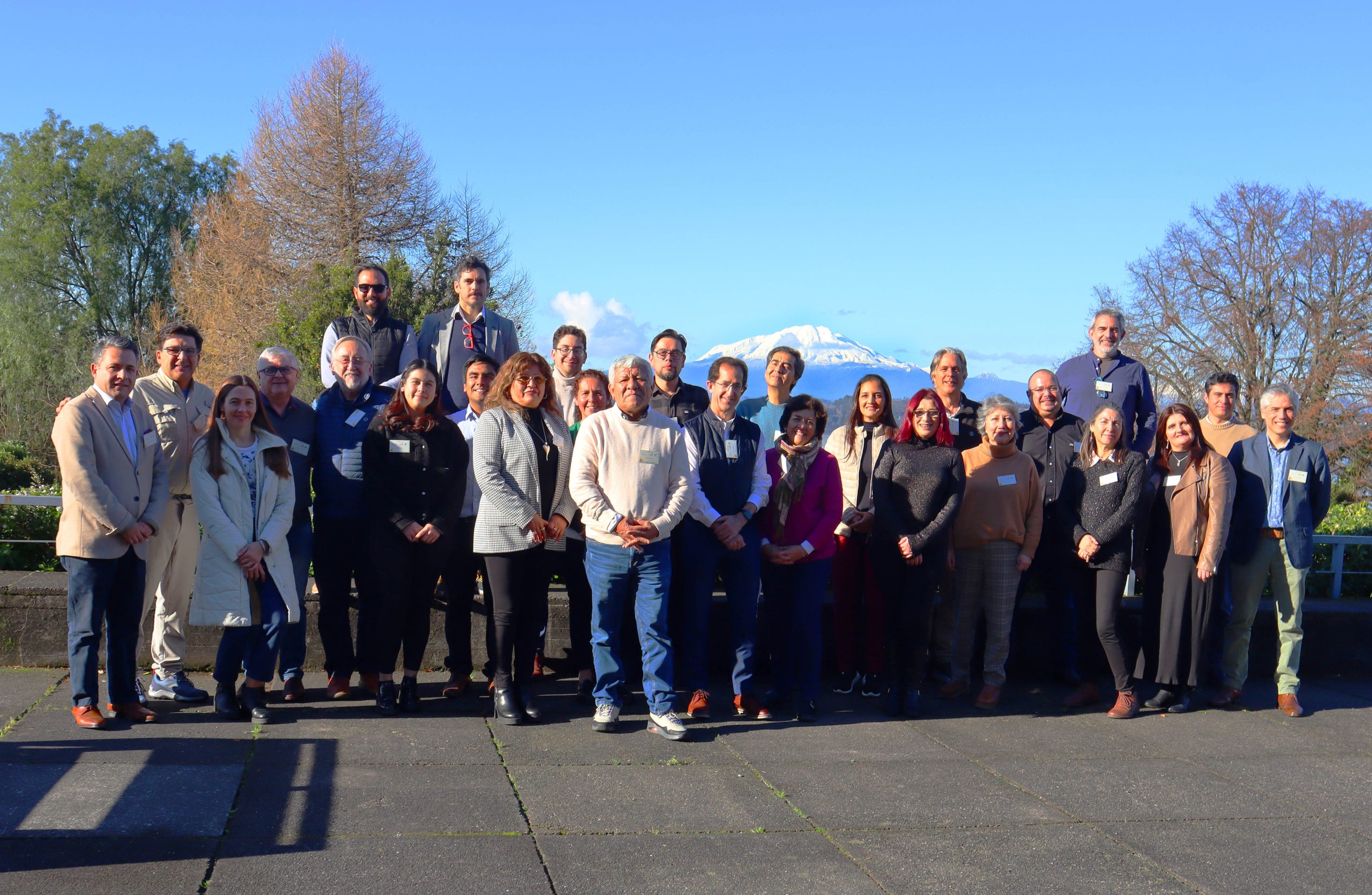
Overall, available volumes of macroalgae have grown at an average rate of 5.69% per year. However, during this period, only 1.4 % of the overall catch and crop share was in Latin America and the Caribbean, so the experts agreed on an existing potential for the region.
Marine macroalgae aquaculture represents an industrial and food production sector capable of contributing significantly to increasing food security, mitigating climate impact, supporting livelihoods, opening up business opportunities and providing valuable ecosystem services.
For the first time in history, in the “The state of world fisheries and aquaculture 2024” It was reported that aquaculture production of aquatic animals exceeded catch fishing. But the continued growth of aquaculture must be more efficient, more inclusive, more resilient and sustainable; and it must expand into food-deficit regions without compromising the environment.
In this context, the Food and Agriculture Organization of the United Nations (FAO) through his officers Alessandro Lovatelli and José Aguilar, and the Institute of Aquaculture of the Universidad Austral de Chile (UACh), through their academics Pedro Murúa and Ana Farías, organized and held a regional meeting called “State and perspectives of macroalgae cultivation in Latin America (AUIALGAS)”.
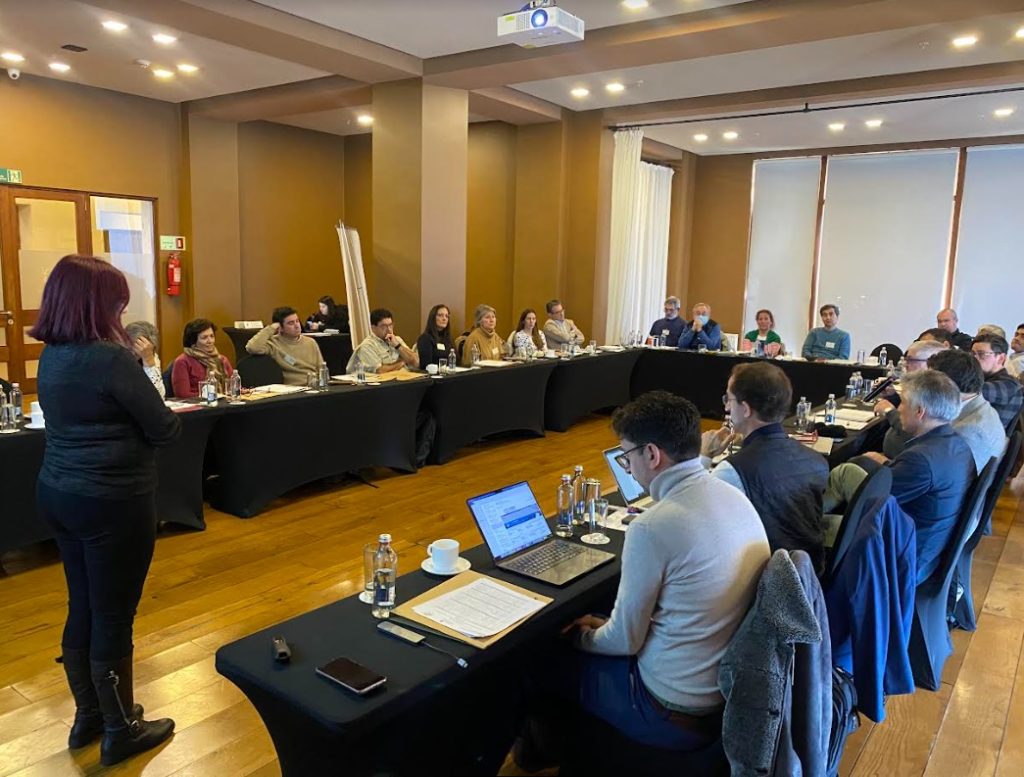
This regional meeting was attended by 30 expert speakers on different aspects of macroalgae aquaculture from Argentina, Brazil, Chile, Colombia, Ecuador, Mexico, Peru and Venezuela, who identified how existing strategies and policies in the region can support the development of marine macroalgae aquaculture in Latin America.
The meeting focused on six pillars of discussion: the ecological, environmental, and biosecurity dimension; technological development; social sustainability; sustainable growth; consolidation of governance; and the perspective for food and other uses in the countries of the region.
“There is now more than ever a global interest in helping the sustainable development of this industry. The meeting generated a series of recommendations to bring them to the attention of the countries to guide the actions needed for their development,” added José Aguilar Manjarrez, FAO Aquaculture Officer in Latin America.
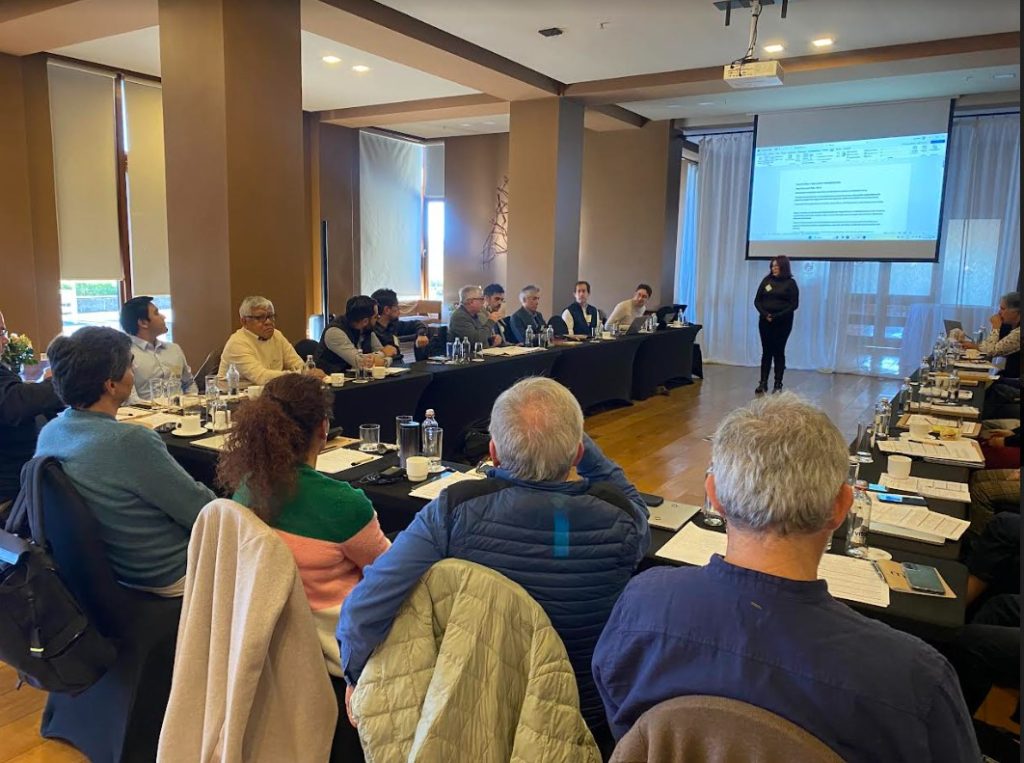
The Director of the Institute of Aquaculture of the Universidad Austral de Chile, Carlos Molinetopened the workshop with reference to the importance of cultivated macroalgae in the current era of food insecurity. While FAO Aquaculture Officer Roma Alessandro Lovatelli highlighted the opportunity for the Latin American region to develop macroalgae aquaculture because of its wide impacts that go beyond food alone.
“The use of algae in food in Latin America is ancient, but for different reasons it was lost. Now, with the globalization of food, we are once again meeting with its consumption. It is demonstrated that algae are a superfood and beneficial for our health,” said Pedro Murúa, who also highlighted its use as food additives, and food, and its potential for other industries such as the Nutraceutical and pharmaceutical.
The relevance of macroalgae in the global context
Recently, marine macroalgae aquaculture has aroused interest due to its potential to address important environmental, social and economic challenges.
Macroalgae are primary producers that not only offer a crop with a low environmental footprint, but also a range of ecosystem services. These include the absorption of excess nutrients in coastal waters and the creation of habitats for other marine species.
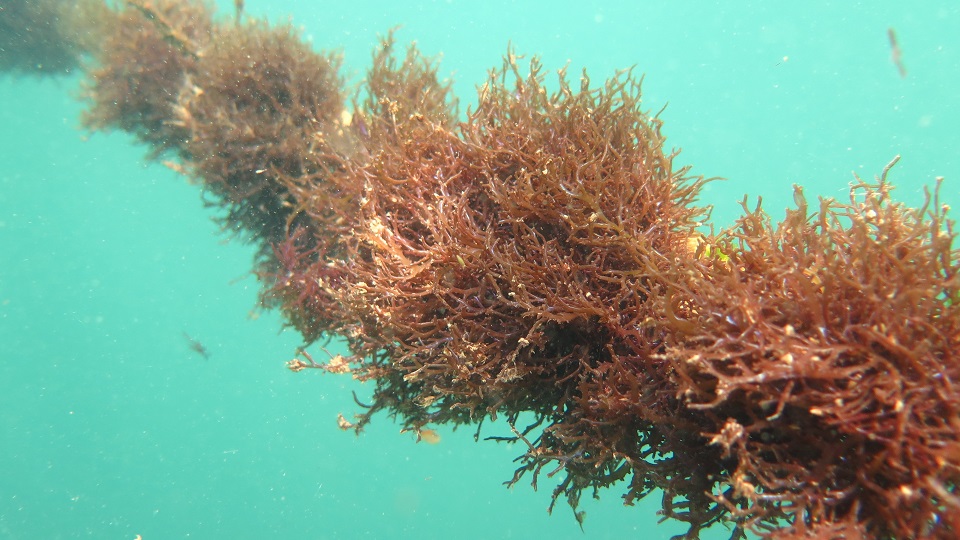
In terms of their activity worldwide, they have experienced a marked upward trend in the available volumes, with an average annual increase of 5.69 % over the period 2010-2020. However, during this period only 1.4 % of the overall share in the landing of macroalgae (capture and cultivation) was in Latin America and the Caribbean, decreasing to 0.1 % in the case of cultivation.
Macroalgae production is well positioned to provide sustainable, equitable and resilient livelihoods for coastal communities, and can contribute significantly to food supply chains at the national and international levels and have the potential to transform global food systems while mitigating the effects of climate change.