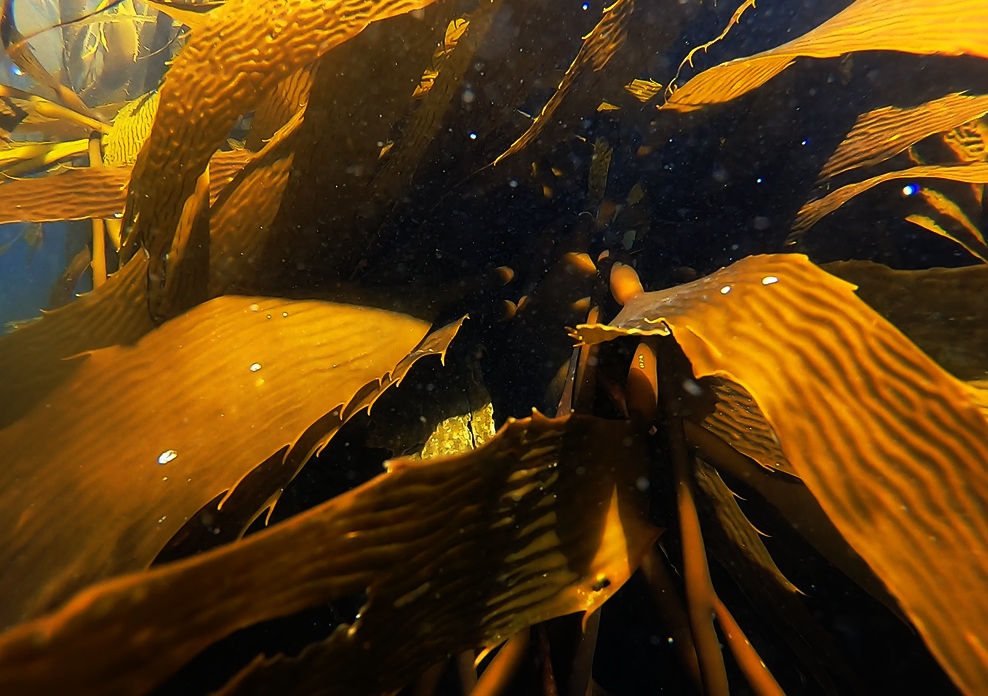
A study led by scientists from the MASH Millennium Nucleus, of the University of Los Lagos, identified -for the first time- the microbial succession stages that it undergoes Macrocystis pyrifera, key knowledge for improving the cultivation of this species.
A team of Chilean researchers described for the first time how the bacterial community that accompanies the giant scallop (Macrocystis pyrifera) during its first 72 hours of life.
The study - published in Journal of Applied Phycology- shows that spores, germinated spores and early gametophytes are associated with very different microbiomes from each other, and also different from seawater and adult algae. This early microbial dynamic could be key to optimizing seed production in hatcheries and strengthen the development of macroalgae aquaculture in Chile.
The research was developed by Gonzalo Icaza, the Dr. Carolina Camus, Camila Martínez and Liliana Muñoz of the I~mar Centre of the University of Los Lagos; Dr Nicole Trefault. Dr. Gustavo Rodríguez-Valdecantos and Genesis Parada-Pozo of the GEMA Centre of the Major University and the Dr. Sylvain Faugeron of the Pontifical Catholic University of Chile.
Three microbial stages in 72 hours
Using 16S rRNA gene sequencing, the team analyzed the bacteria present at five stages of development: newly released spores (0 h), settled spores (12 h), germinated spores (24 h), and early gametophytes (48 and 72 h). The results showed that these stages are divided into three well-defined phaseseach with its own microbial structure:
- Initial phase (0–12 h): rapid colonization by opportunistic bacteria such as Enterobacteral and Rhodobacterial.
- Transition phase (24 h): a sudden change coinciding with germination, marked by the increase of genera as Vibrian, Sphingomones and Blastopirellula.
- Stabilisation phase (48–72 h): greater diversity and emergence of a more stable community dominated by Colwellia, a group that has been associated with both benefits and diseases depending on environmental conditions.
Functional analysis predicted that early bacteria provide key compounds for settlement and chemical communication, while around 48–72 hours the microbiome acquires maintenance, redundancy and stability functions, similar to a mature system. These functions include metabolism of vitamins, nucleotides, and essential pathways for healthy gametophite development.
Implications for Chilean aquaculture
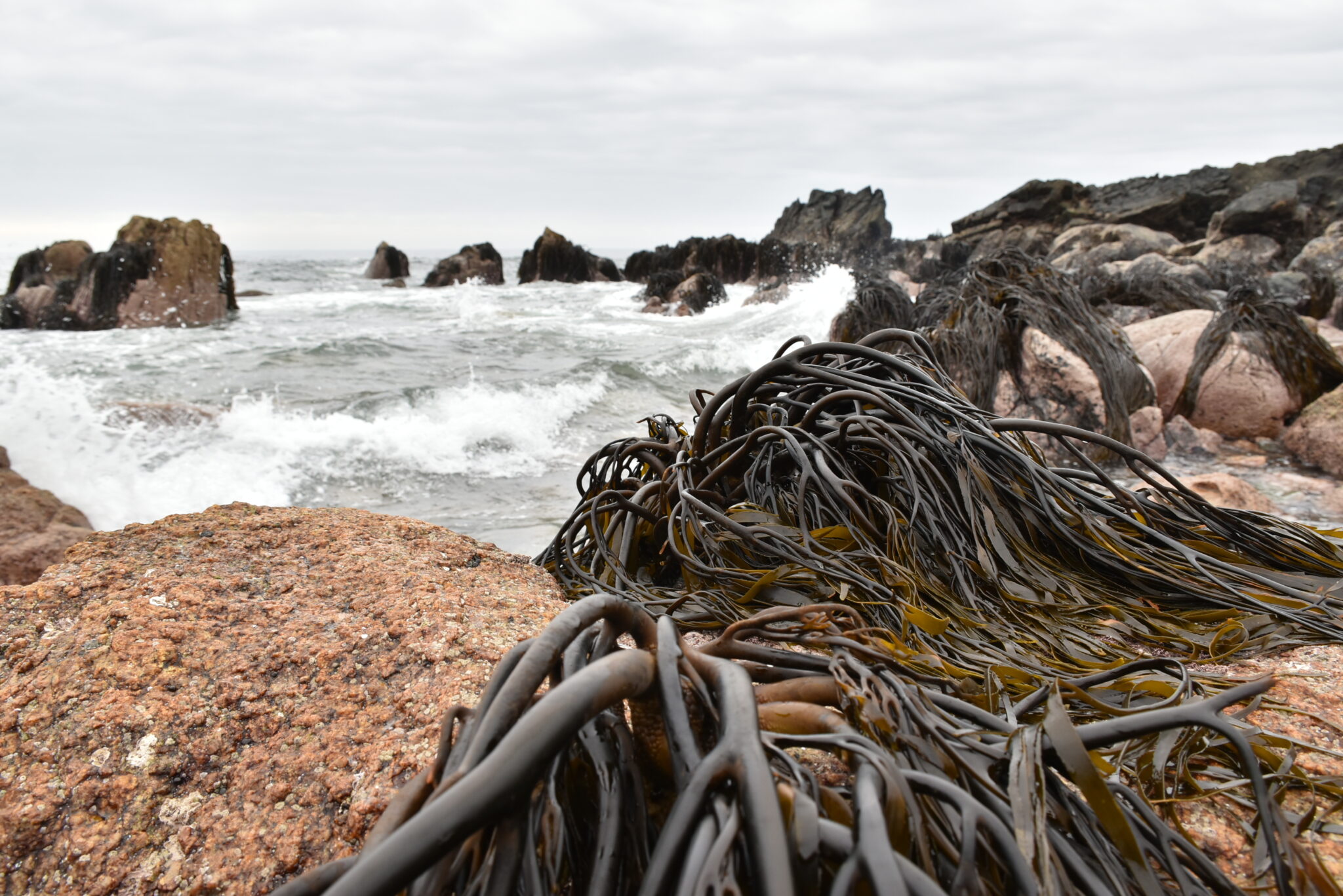
Giant flight is a key species for marine ecosystems and for the development of sustainable aquaculture. Today its cultivation depends on the success of the early stages in the laboratory, stage where microbiomes can determine whether a cohort will thrive or develop diseases, so to know which bacteria accompany Macrocystis pyrifera at every early stage it is relevant to improve the quality of “seeds”.
This work, developed during the Magister's thesis in Sciences (University of the Lakes) by Gonzalo Icaza, allows us to begin to understand what is happening in the holobiont. M. pyrifera during its first hours and opens the door to start thinking about strategies to manage bacteria during the Hatchery stages of this species' cultivation.