The technological programme PTEC-INVA driven by Corfo has played a fundamental role in bringing together the three sectors and promoting sustainable development.
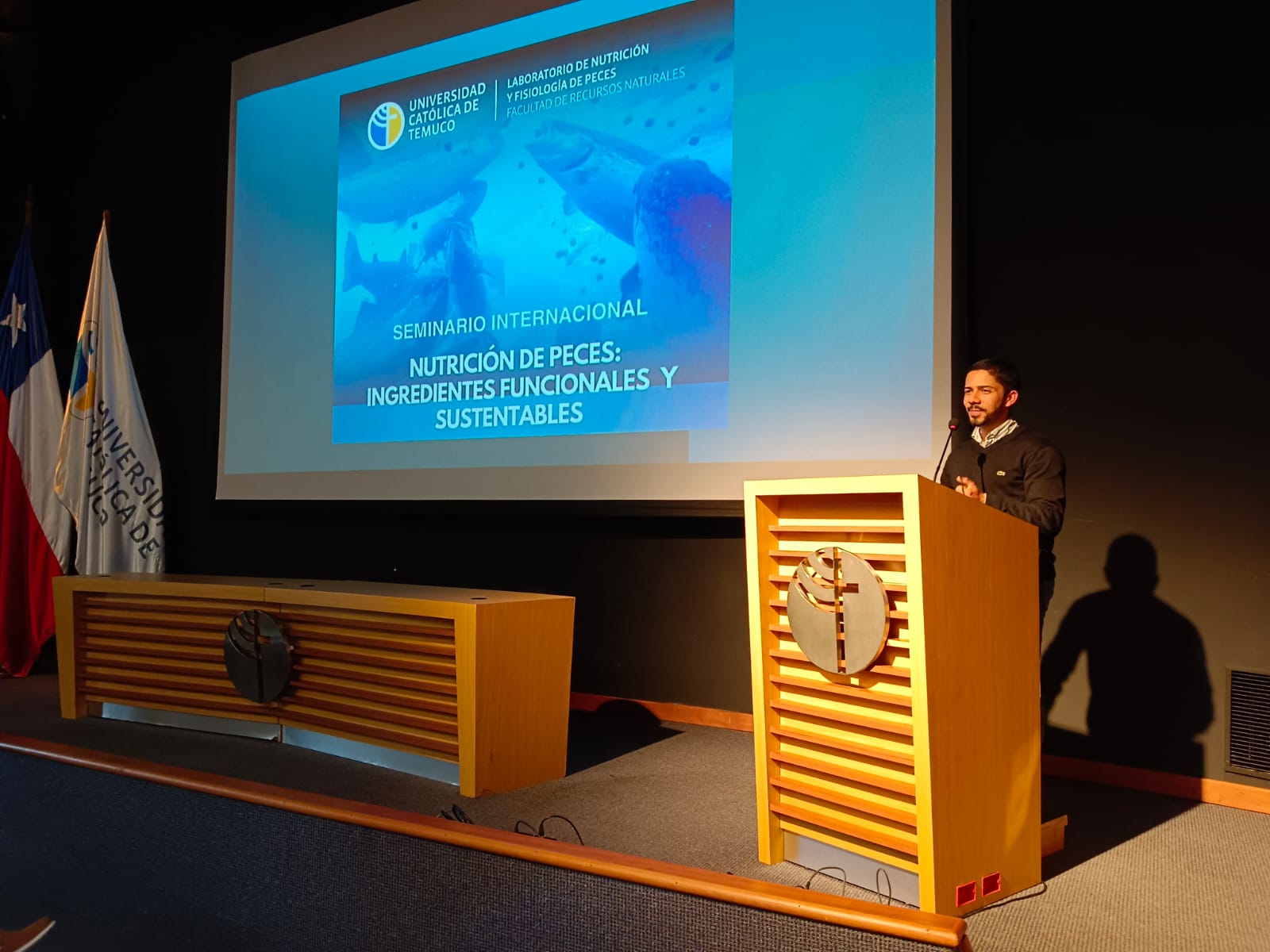
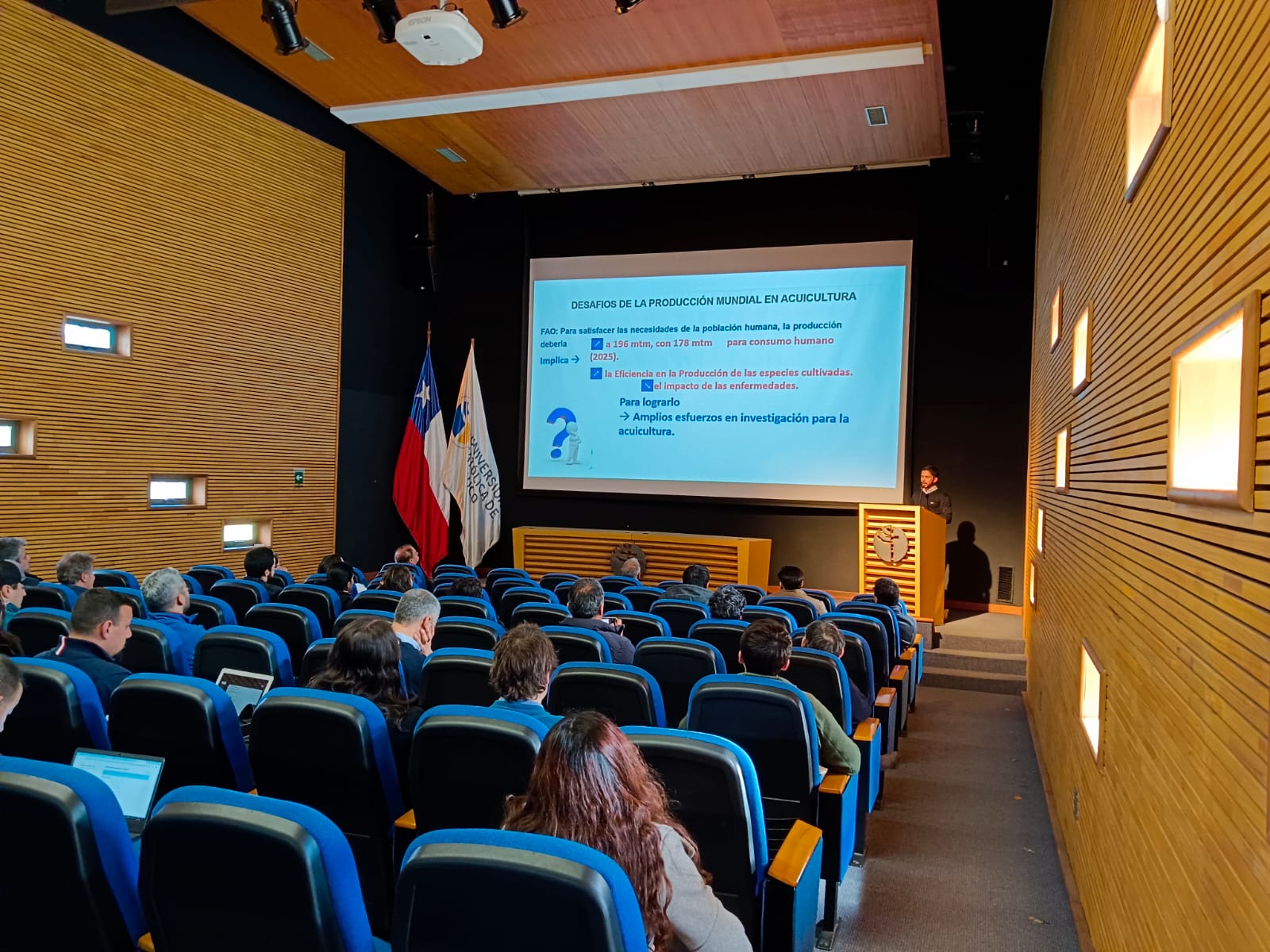
This Thursday 12 September, in the Oscar Cartagena Auditorium of the Fiftieth Building of the Juan Pablo II Campus of the Catholic University of Temuco (UCT), began the much-anticipated seminar titled Functional and sustainable ingredients for optimal nutrition in fish production, in a scenario of climate change, water scarcity and demands for new nutritional inputs.
This important international event is organized by the Fish Nutrition and Physiology Laboratory of the School of Natural Resources through the Food Production Research Center (NIPA-UCT). It also has the key support of the Interdisciplinary Water Institute (IIA - Rukako), of Antarctic Salmon and from the innovative Technological Program for the Local Production of Nutritional Inputs for Aquaculture (PTEC-INVA) driven by the Corporation for the Promotion of Production of Chile (Corfo).
The initiative brings together national and foreign experts, who are presenting various solutions to face the challenges of aquaculture nutrition, promoting the use of sustainable ingredients in an environment marked by climate change and water scarcity.
PTEC-INVA as an organizer
In addition to its technical approach, this seminar is a clear example of the relevance of the collaboration between industry, the state and the academy to promote sustainable development. The technology programme PTEC-INVA, led by Corfo, has played a crucial role in this connection, facilitating the transfer of knowledge and technologies between these three sectors.
In relation to this joint effort, the Dr Daniel Nieto Díaz-Muñoz, who is the manager of PTEC-INVA, stressed that “the success and the High call of this seminar reflects how industry, the state and academia can work together to meet the different challenges of modern aquaculture. And the PTEC-INVA has become a meeting point between the public, the private and the science-academy, contributing to the sustainable development of the industry by implementing new technologies and local solutions. In this context, the jointing is key to ensure efficient, sustainable and globally competitive aquaculture production,” added Dr. Grandson.
Exhibitors and exhibitors of the first day
The seminar is structured in thematic modules, taking place this Thursday on “Module I: Future of ingredients in animal production” and the "Module II: Biotechnological potentials of single-cell micro-organisms of interest in animal nutrition".
Those in charge of addressing these issues during the morning ("Module I") were the Dr. Mónica Betancor of the University of Stirling of Scotland with the talk entitled "Future and opportunities for the production of new sustainable and functional ingredients for aquaculture nutrition"; Dr. José Luis Trejos of Vitapro with "Sustainability in salmon farming: contribution and contribution of food"; Dr. Jurij Wacyk of the University of Chile with "Exploring the potential of marine ingredients: Functional benefit of the use of algae in aquaculture diets"; Dr. (c) Nancy Ruiz-Díaz of the Universidad Santo Tomás with "New alternatives of neutralization of soy lectins in broilers"; the Dr. Adrián Hernández of the CTU with "Optimization of efficiency in animal nutrition: Strategies and considerations during processing and processing of feed"; and the veterinary physician Claudio Larrain Corbion company with "The market of oils and omega-3 in animal production".
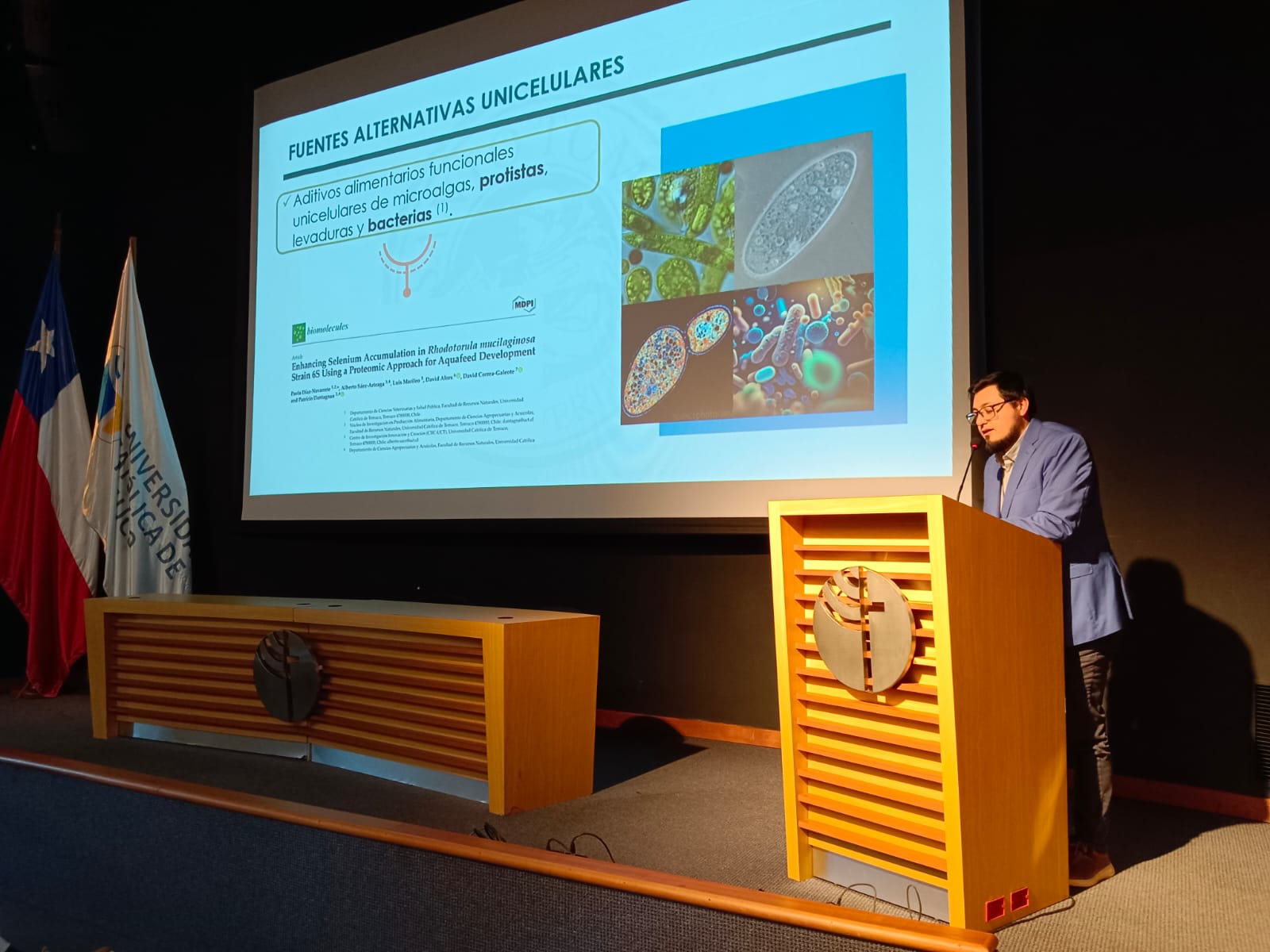
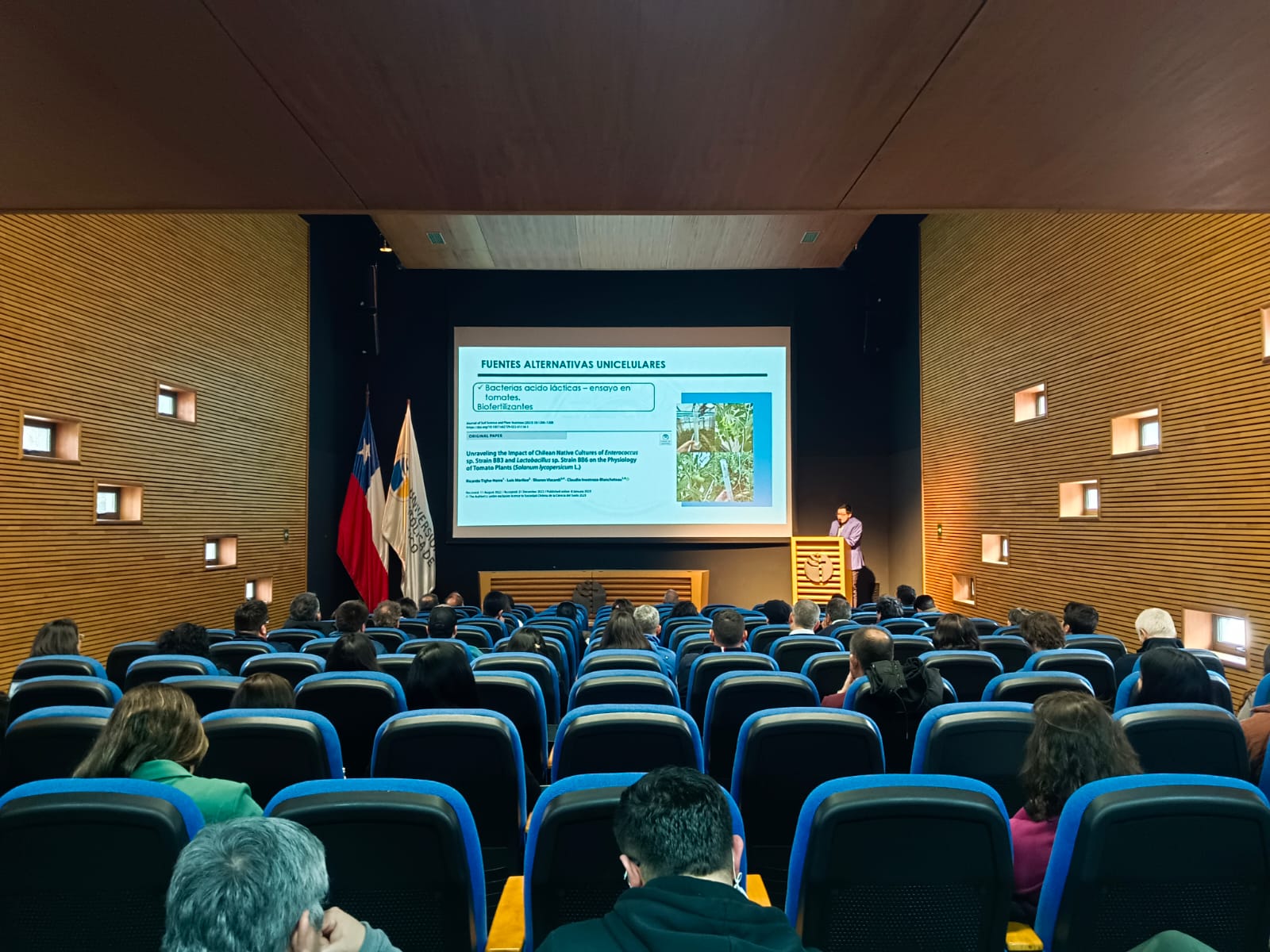
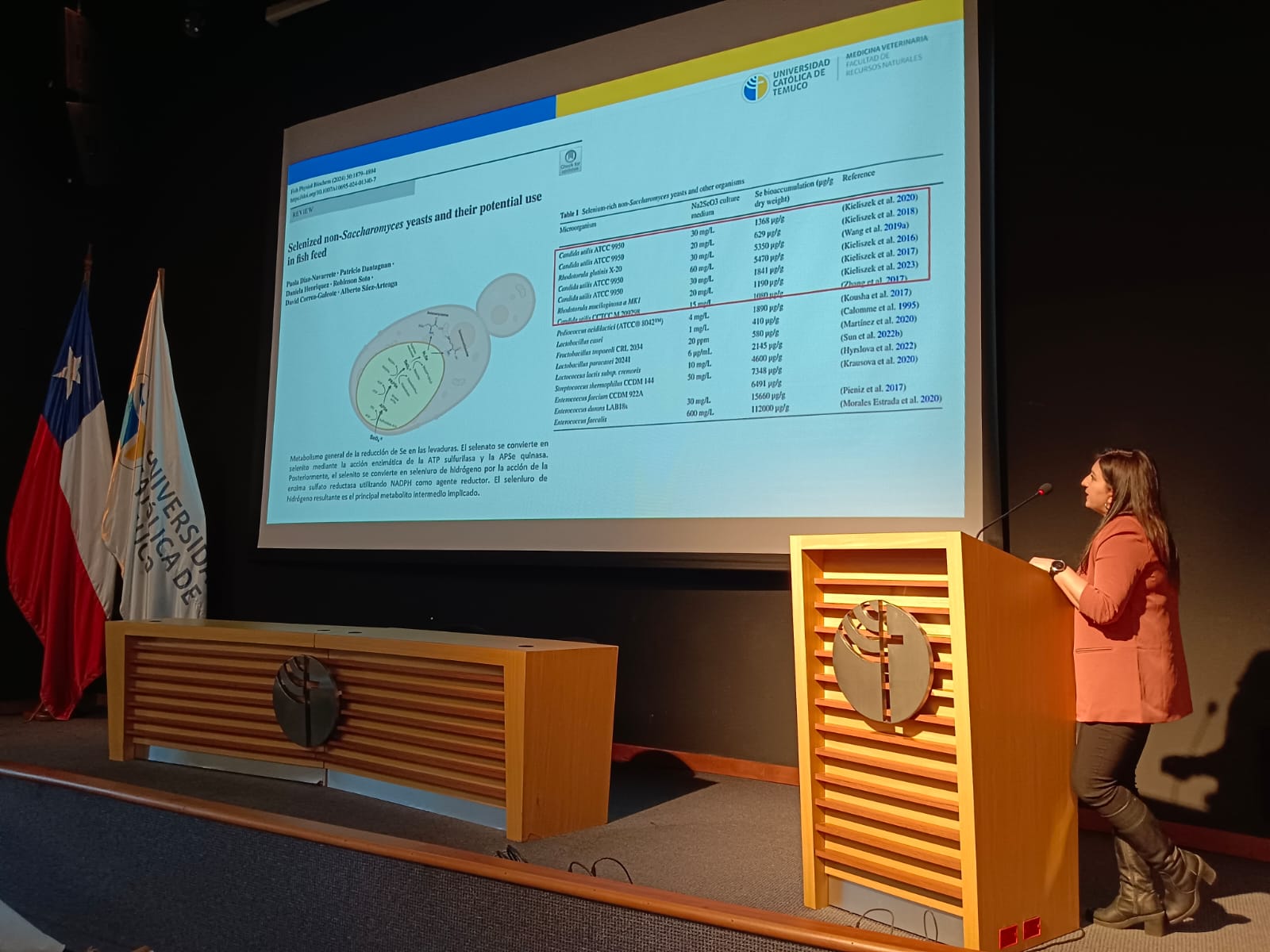
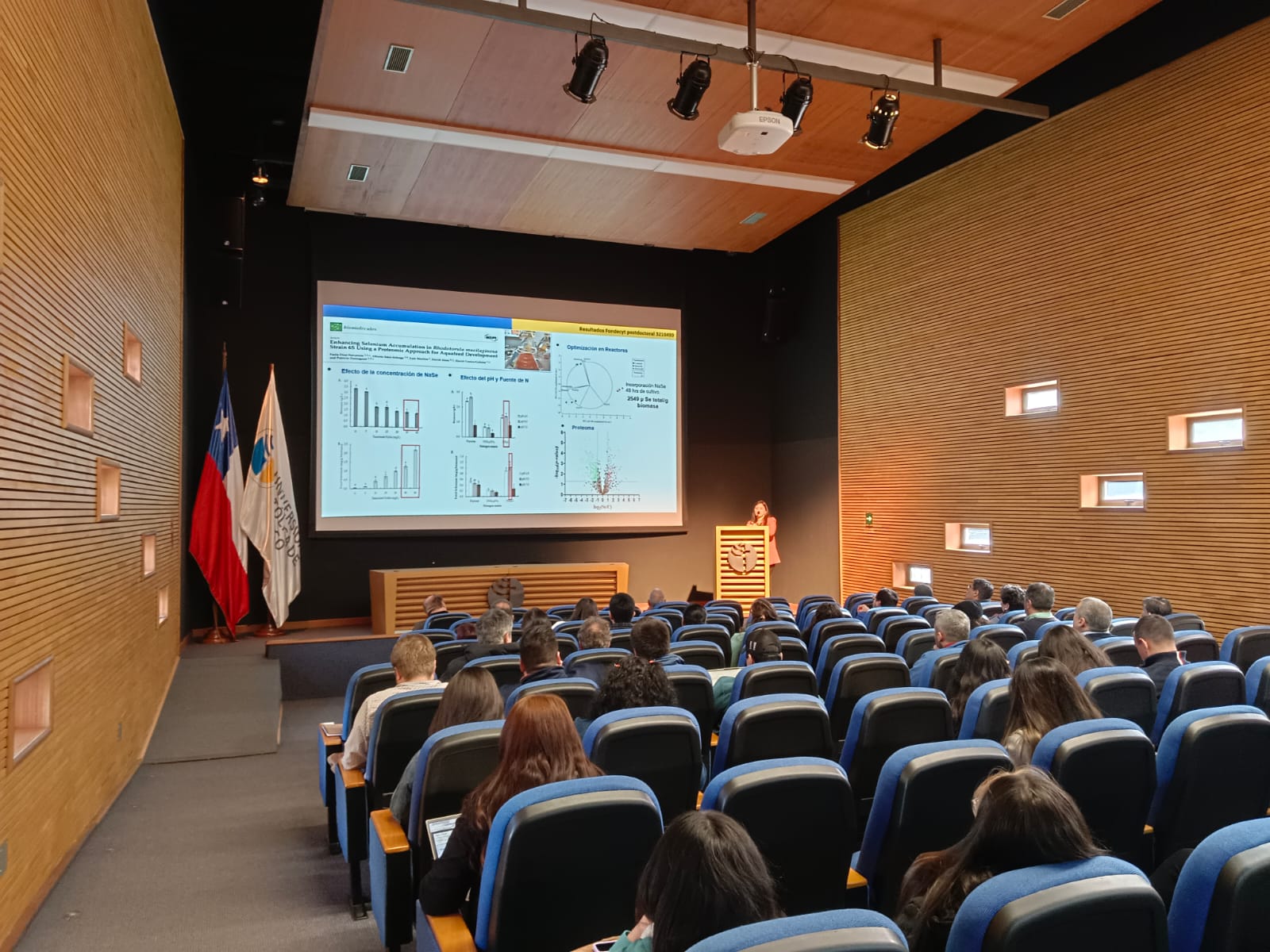
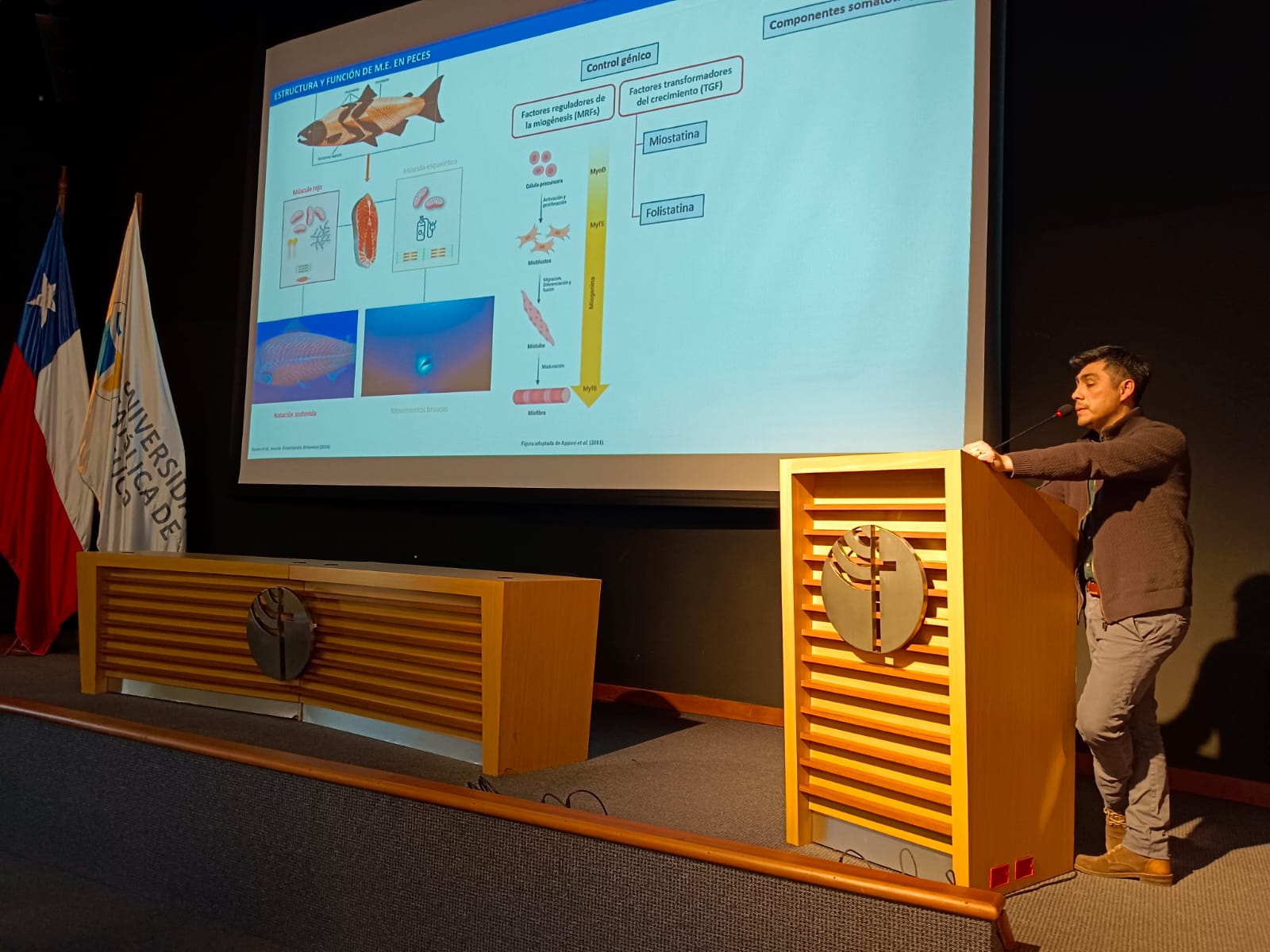
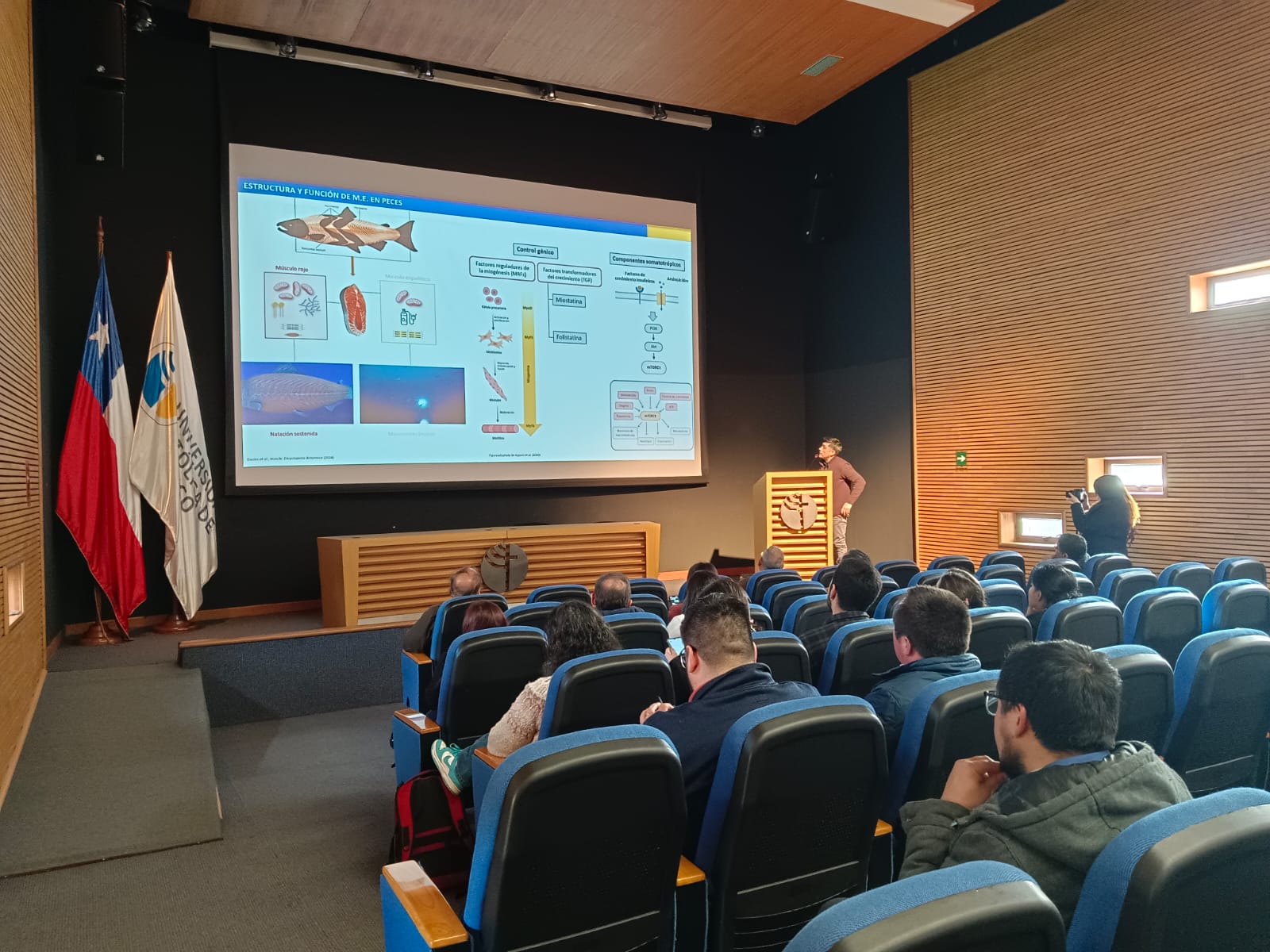
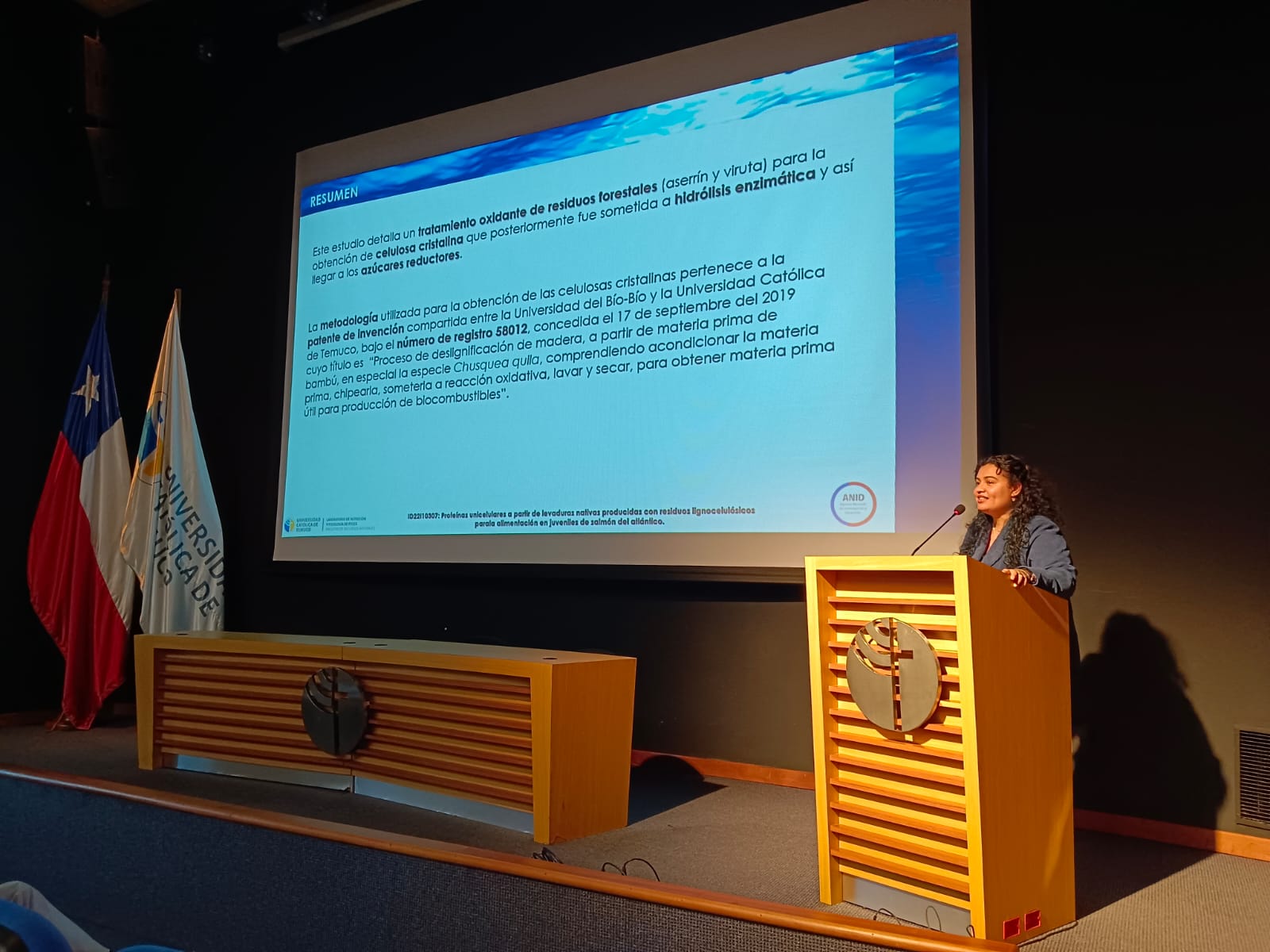
During the afternoon, which was the "Module II"the following presentations were made: Dr. Wellison Pereira from the University of Sao Paulo (Brazil) and the University of Porto (Portugal) with the talk "Future and production of prebiotics and probiotics of interest in animal production"; the Dr. Luis Marileo on the co-culture of single-cell micro-organisms as a source of polyunsaturated fatty acids and bioactive compounds of interest in animal nutrition; Dr. Paola Díaz, also from UCT, with "native yeasts as a potential source of proteins, organic minerals and lipids of interest in animal nutrition"; Dr. Alberto Sáez of the Catholic University of Temuco on biotechnological tools and transcriptional approaches applied to nutrition and growth in fish of interest in aquaculture; and Dr. Patricia Oliveira of the same house of studies with "Innovations in biomass: Exploring the potential of lignocellulosic residues as food for native yeasts producing single-cell proteins".
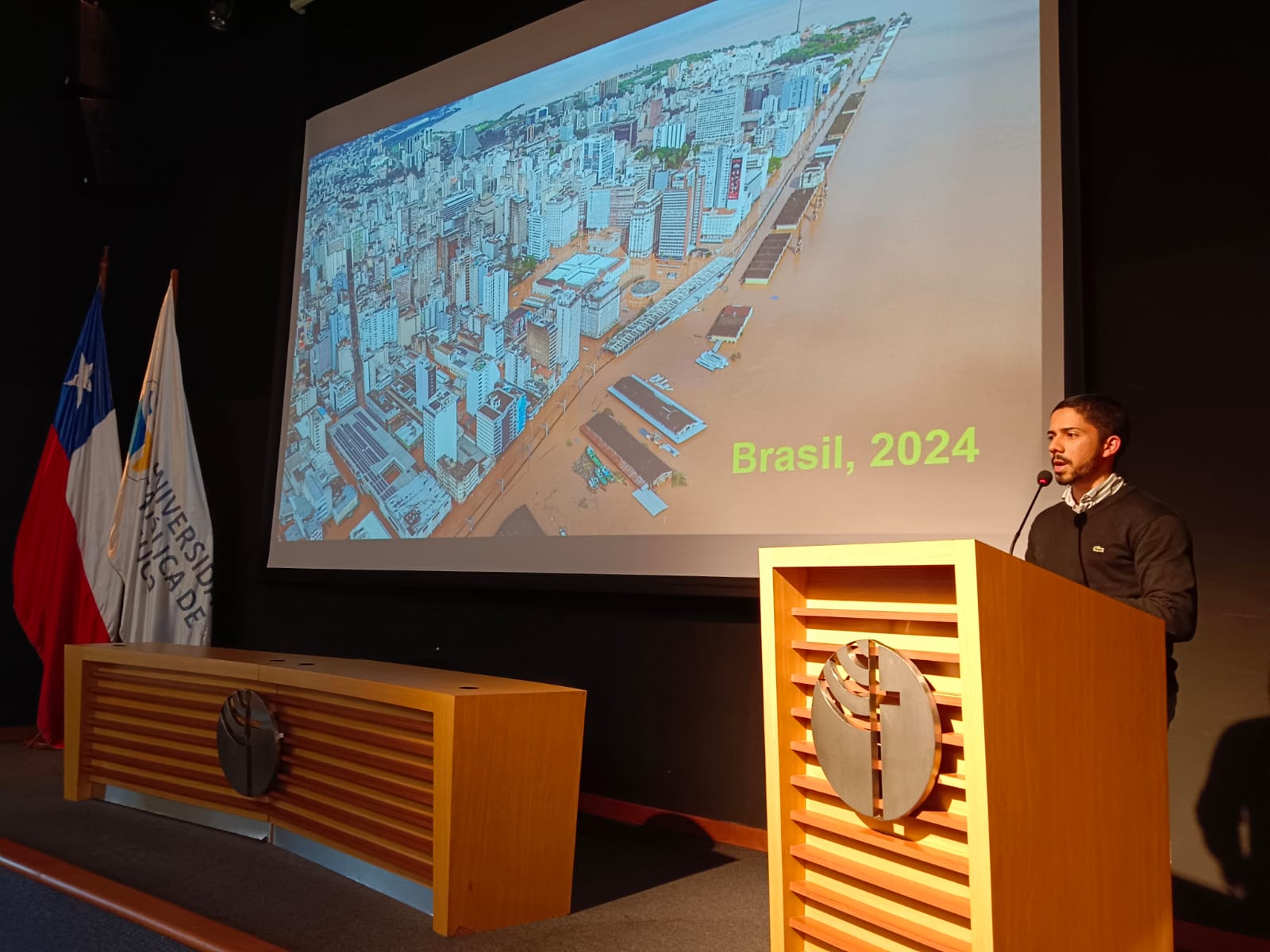
See below a image gallery of "Module II":
Third industry
The event continues this Friday September 13 with a second day of conferences oriented to aquaculture nutrition from various edges of sustainability and in which the entire afternoon module will be destined to address each of the scopes and milestones that has been registering the PTEC-INVA of Corfo during its two and a half years of execution – of a total of five – with the fundamental objective of creating a third industry enabling agriculture to be linked to aquaculture.
Check the full program below: