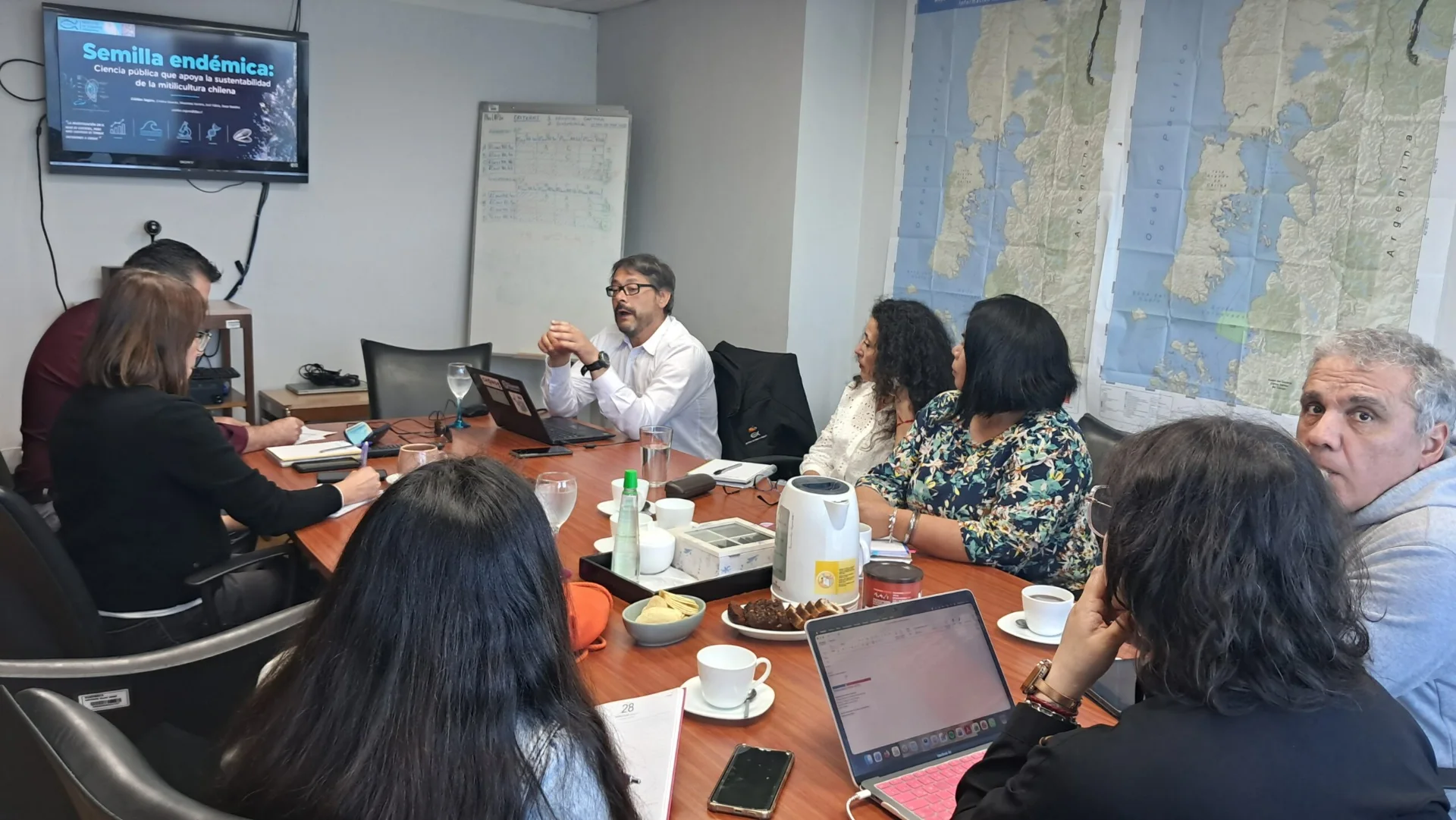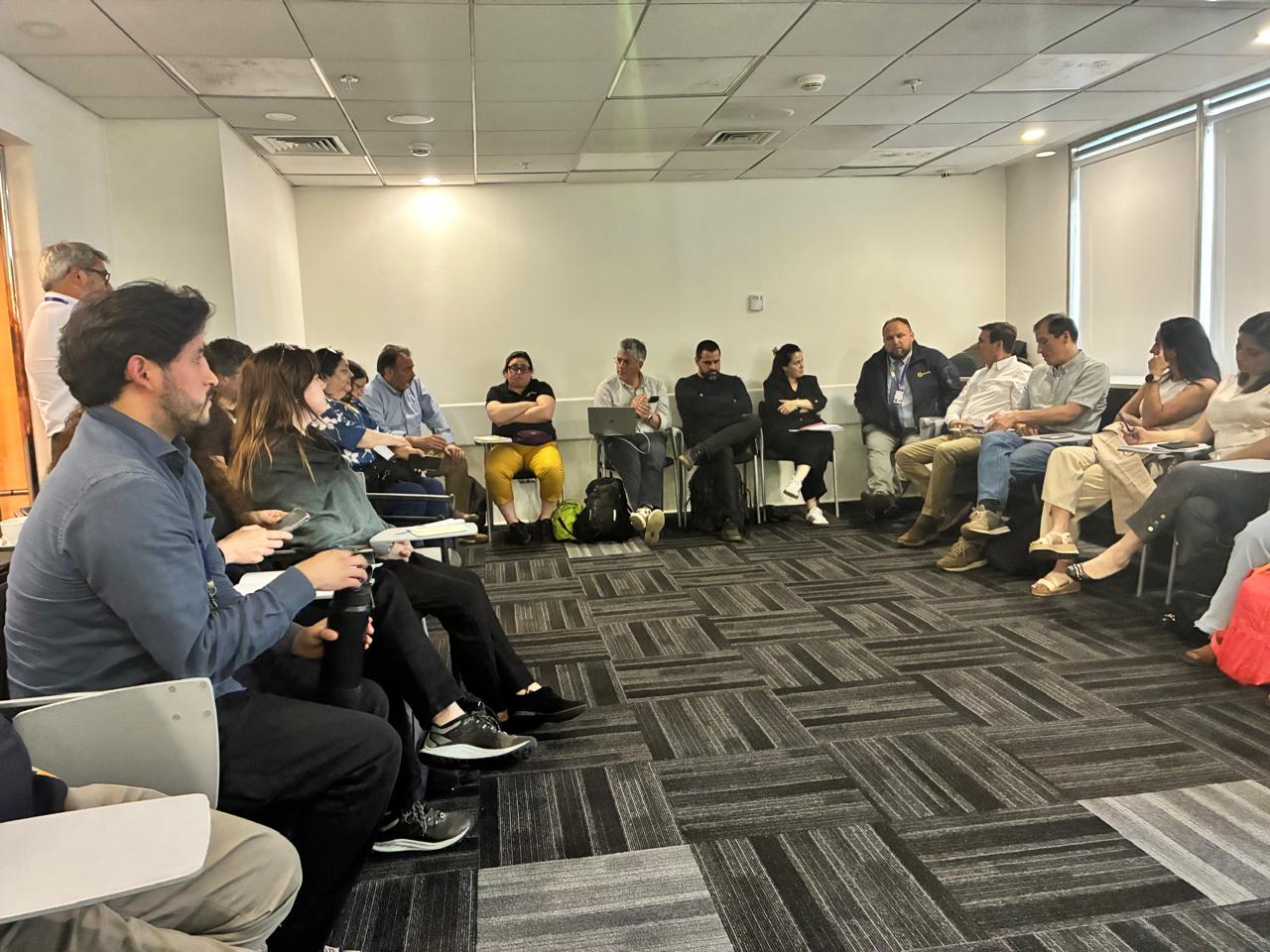
As part of the implementation of the project funded by the Regional Government of Los Lagos “Strengthening the productive development of the minority industry through people-centred R & D & I and geo-informatics engineering”A collaborative workshop was held at the University of Santiago de Chile (USACH) to review the advances of technological tools being developed to strengthen the traceability of mussel cultivation.
The activity organized by the National Subdirectorate of Sernapesca and USACH, brought together representatives of the main mussel processing plants and AmiChile with the aim of defining the main characteristics of the traceability system planned for the next 10 years and thus strengthening the value chain of the mill in the Los Lagos region through collaborative work with the productive sector and development. an integrated and intelligent traceability system.
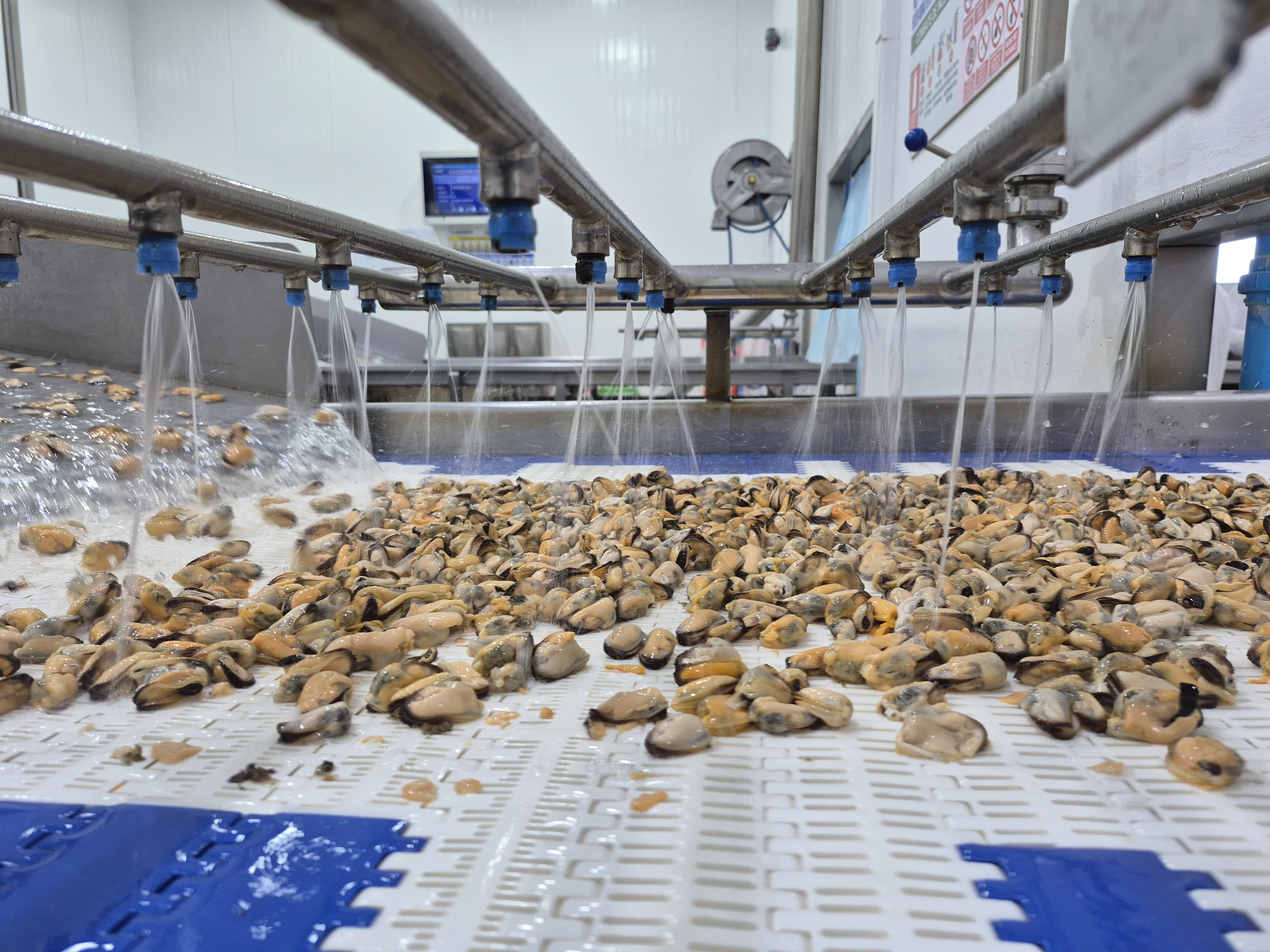
Pablo Ortiz, national director(s) of Sernapesca, said: “This project seeks to strengthen the milling industry through greater traceability throughout its value chain. In this sense, the University of Santiago de Chile has developed tools that will allow to improve the declarations of the mussel industry in the systems of Sernapesca, simplifying processes, speeding up procedures and enhancing the follow-up of strategic resource for the economy of the Lakes region.”
During the day, participants worked on the co-design of practical solutions to improve reporting and information capture from process plants to Sernapesca traceability systems.
Also presented were the advances developed by the USACH teams since the beginning of the project, in April of this year, including tools aimed at optimizing the flow of information and strengthening the monitoring of choritos throughout the value chain.
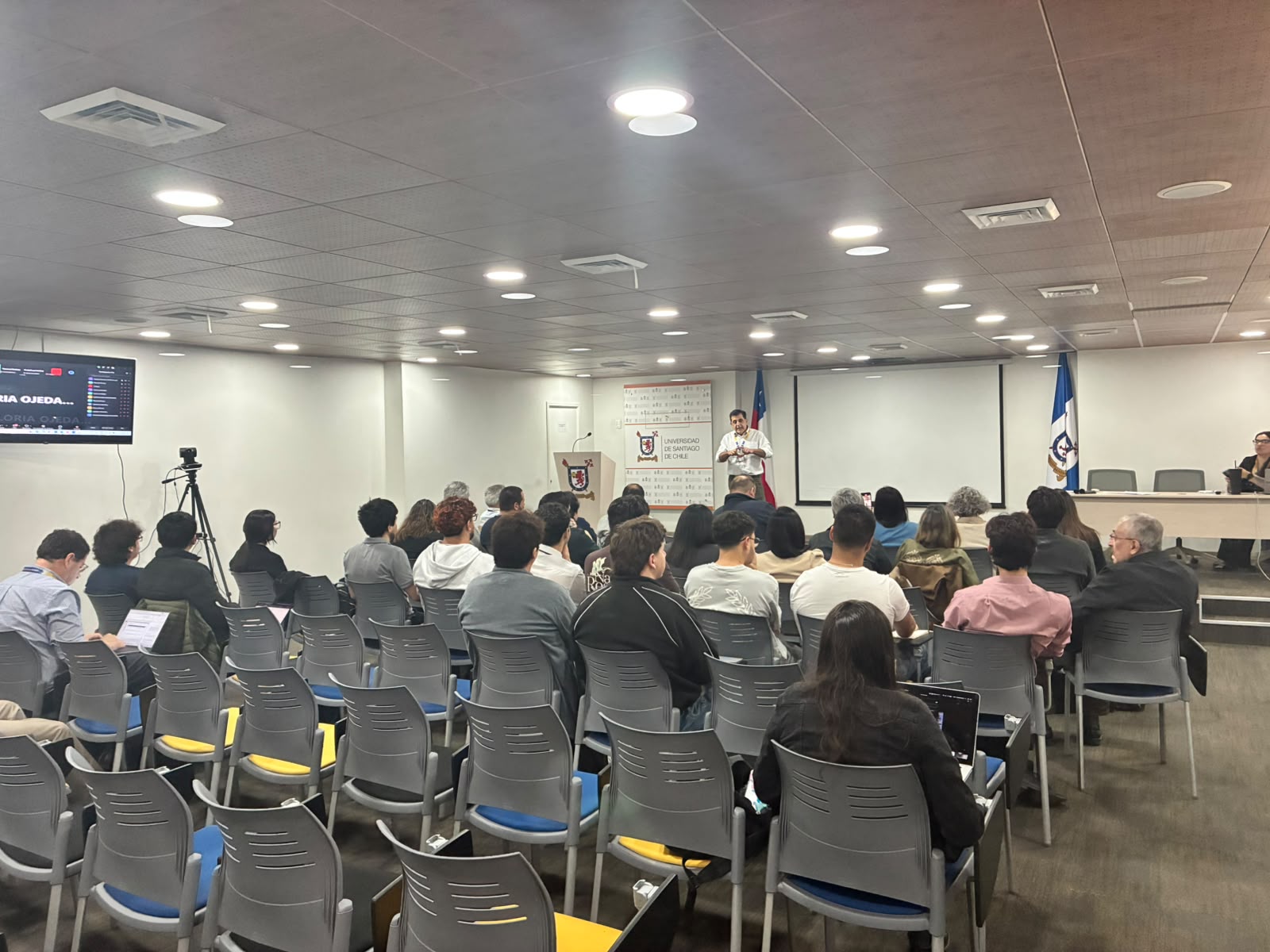
The workshop allowed observations to be made and progress made with the new improvements, which will be addressed in a next working day scheduled for the end of November, giving continuity to the process of developing the tools proposed and driven by the project.
99% of mussel farming takes place in the Los Lagos region, with significant participation in domestic and international markets. Improving tools for traceability and information management therefore helps strengthen oversight of the activity, as well as the sustainability and future prospects of an industry that is strategic for the region.