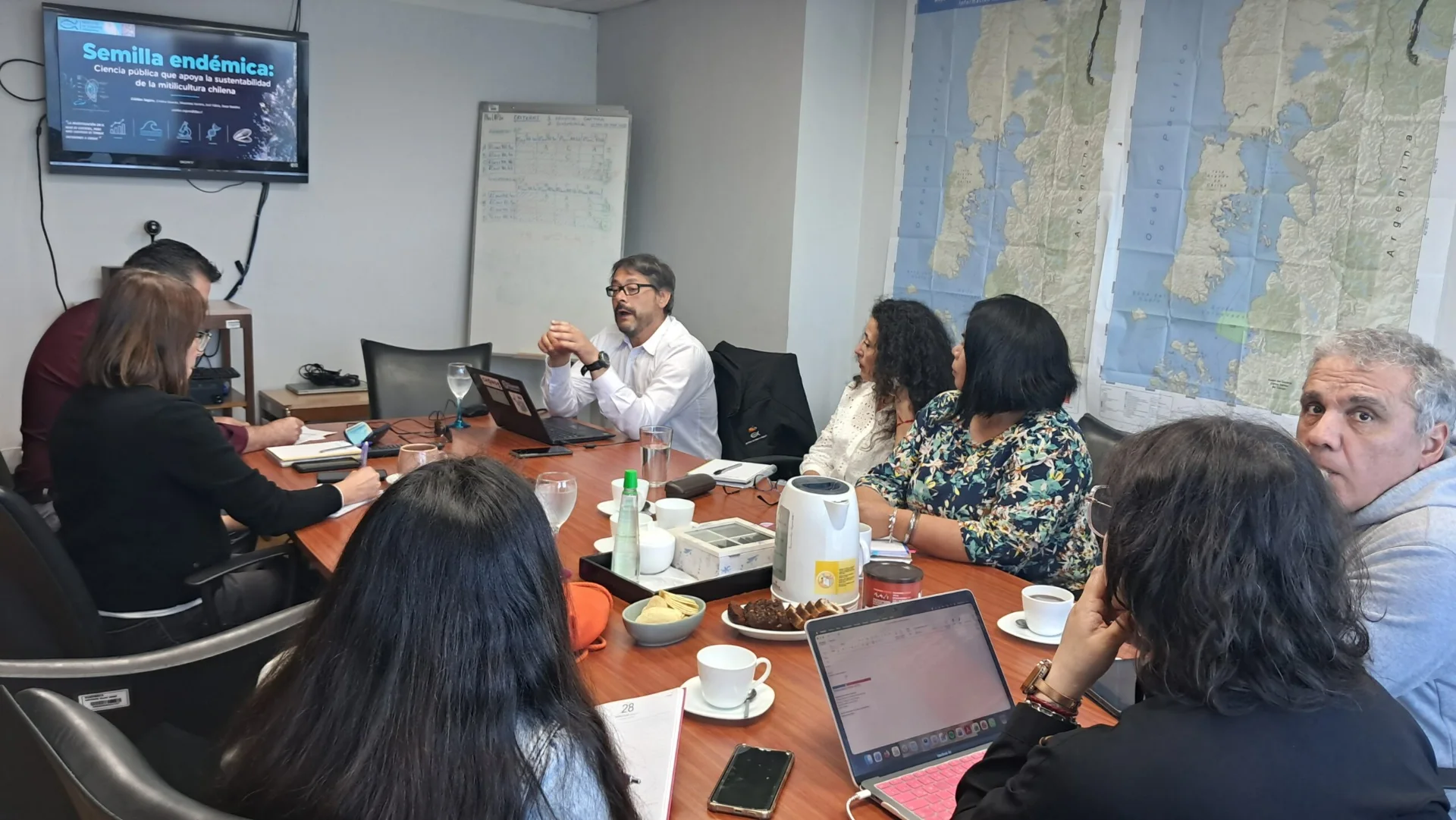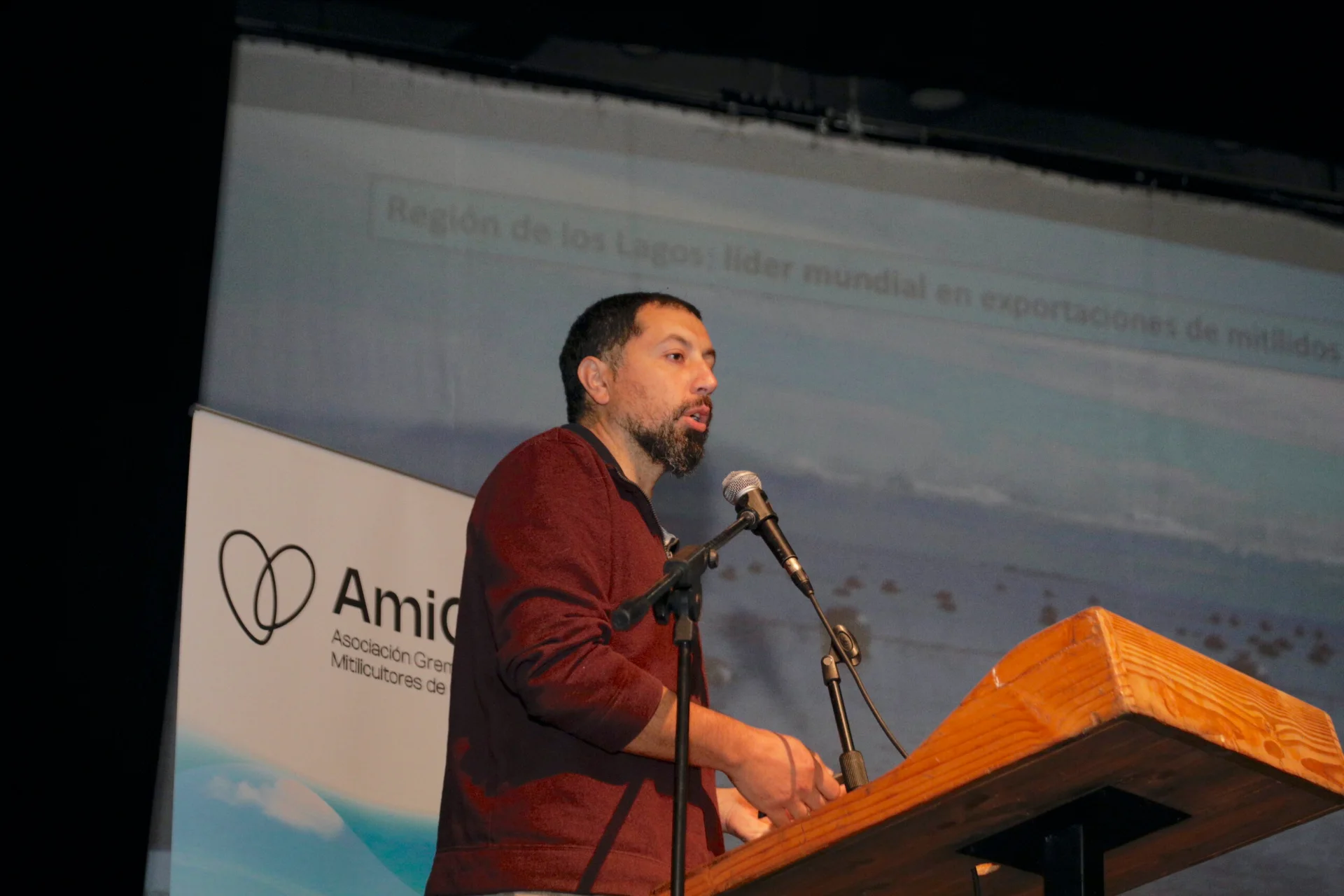
With the aim of strengthening the link between scientific research and the productive sector, professionals from the Institute of Fisheries Development (IFOP) participated in the XI Seminar on Research and Innovation Applied to mussel cultivation (SIIAM 2026), held on October 30 at the Cultural Center of Castro, organized by AmiChile A.G. and the Technological Institute of mussel cultivation (INTEMIT). The meeting brought together researchers, companies and actors from the milling chain to address scientific advances and innovations aimed at the sustainable strengthening of industry.
On the part of IFOP participated the researchers Oscar Ramírez and Cristian Segura, members of the Larval Monitoring Program of the Department of Environment, together with Luis Henríquez, of the Department of Repopulation and Cultivation, all belonging to the Research Division in Aquaculture of IFOP.
During the scientific day, Oscar Ramírez presented the paper “Variability of D larvae density of mussels and associated environmental signals in the inland Chiloé sea and fjords of southern Chile”. It reported results associated with the spatial-temporal monitoring of the early larval stages of mussels and their relationship with environmental variables, fundamental information to understand the recruitment processes and availability of seeds for the cultivation of national mussels.
In this regard, Oscar Ramírez said: “Our participation in the XI SIIAM 2026 was an instance to share with producers, authorities, academics and the general public part of the work developed by the Larval Mussel Monitoring Program. This space allowed to exchange experiences and identify opportunities for collaboration to address the gaps related to the capture of larvae and the capture of mussel seeds in The Lakes Region. In addition, the information generated by the Programme on the availability of larvae and seeds is a valuable resource to project new research and promote innovations in the mussel production sector.”
The participation of IFOP in this seminar allowed the dissemination of knowledge generated from long-term monitoring programs, strengthening the institutional contribution to the sustainable development of Chilean mussel cultivation. Likewise, the information presented contributes to the generation of tools to address the current and future challenges of the Chilean mussel industry.
SIIAM 2026 highlights the Larval Monitoring Program led by IFOP
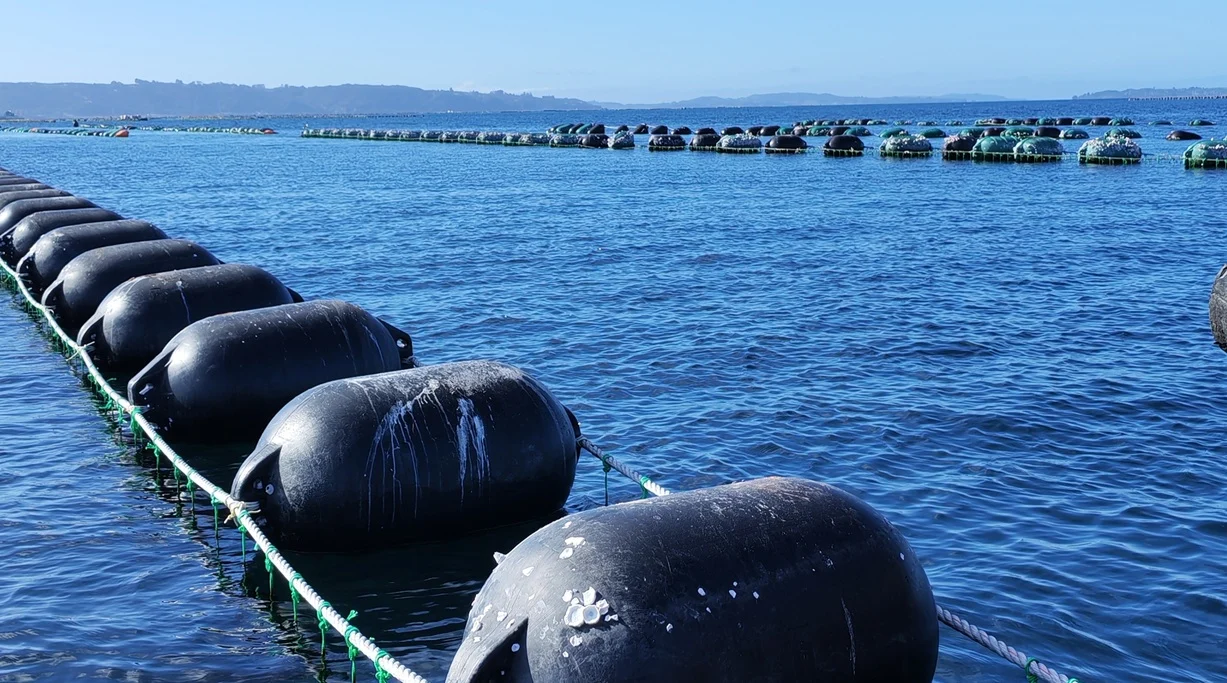
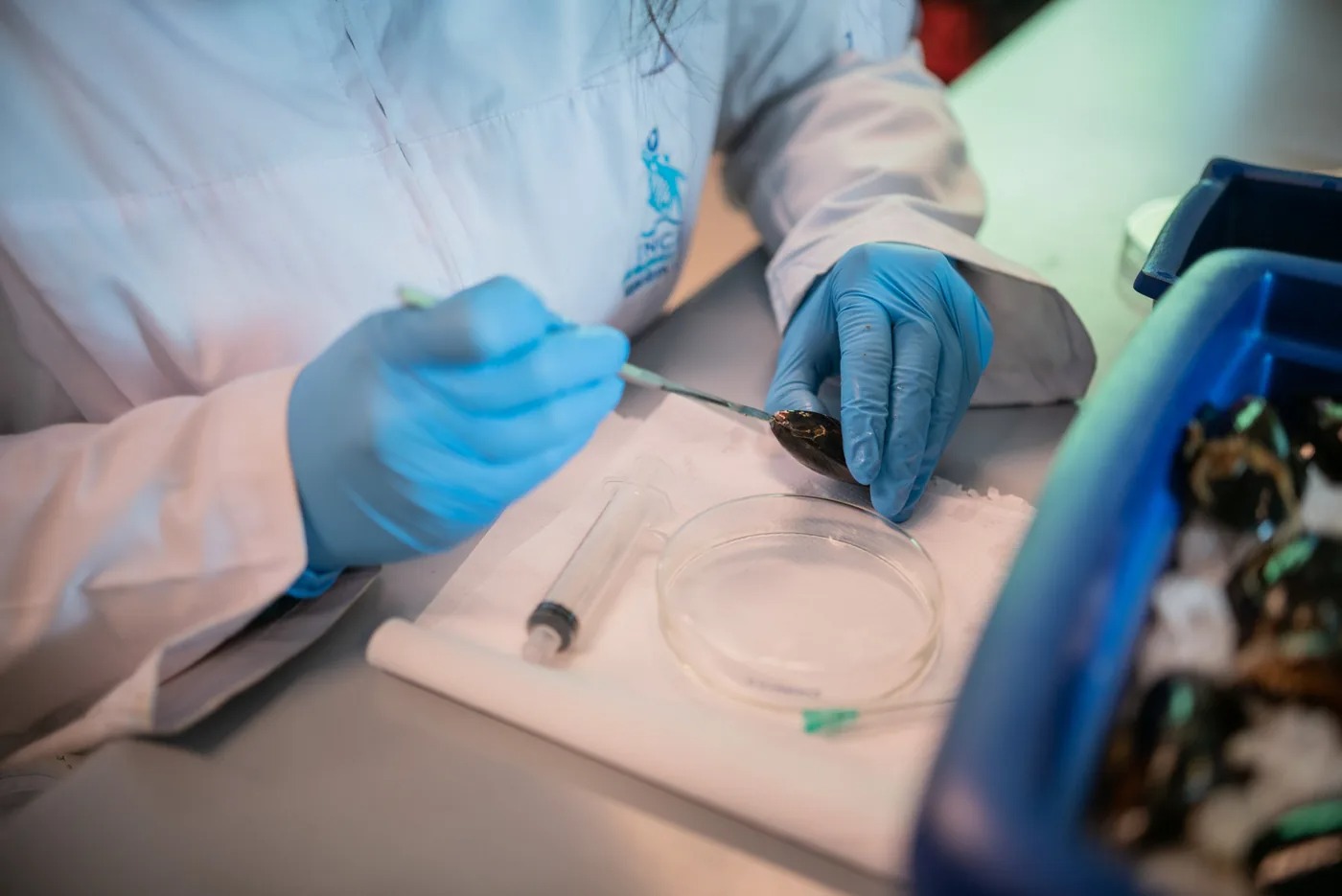
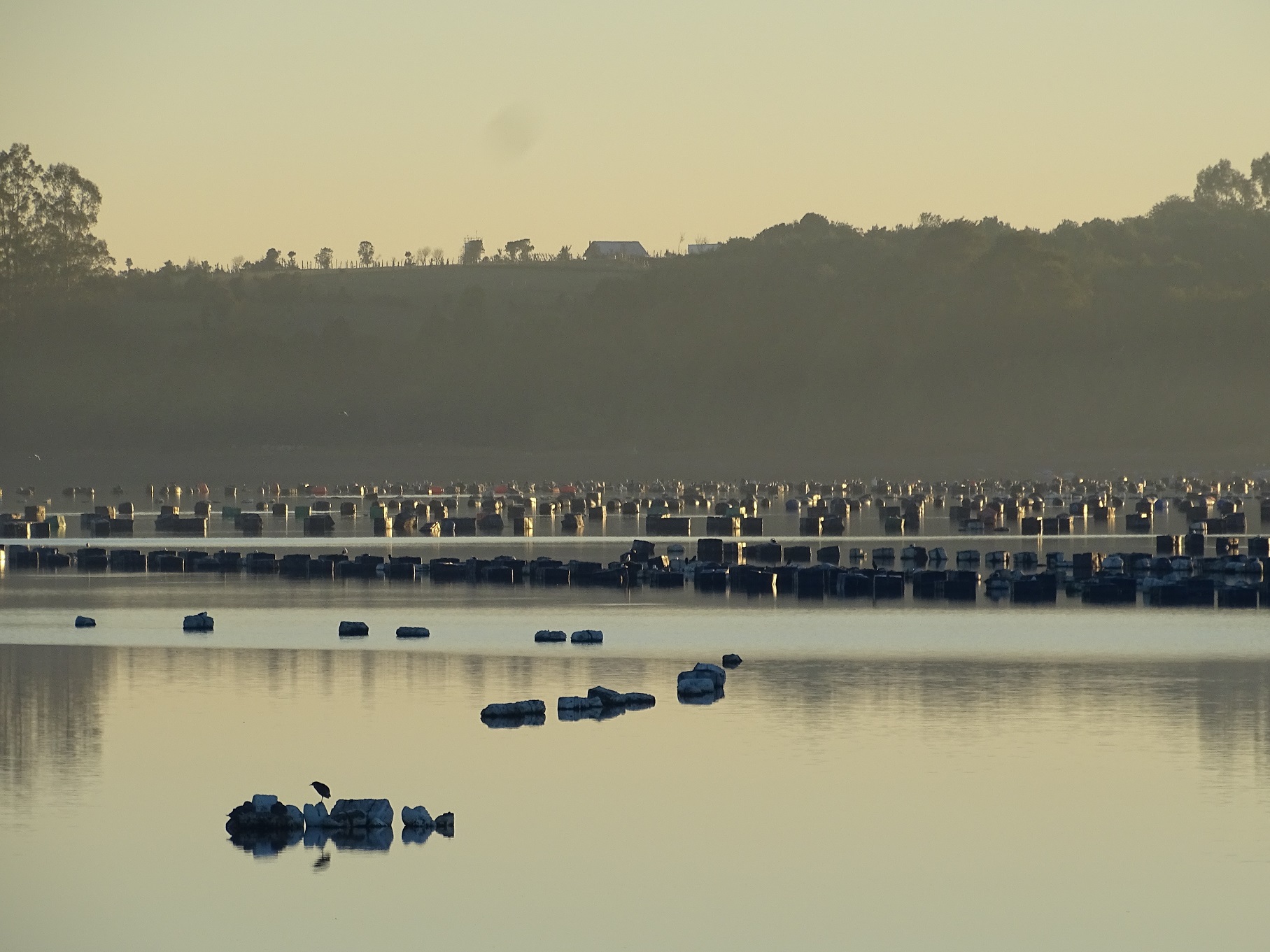
IFOP's Larval Mussel Monitoring Program, with more than 10 years of continuous monitoring in 16 sampling stations distributed in the regions of Los Lagos (12), Aysén (3) and Magallanes (1), is one of the most extensive environmental and biological monitoring initiatives developed for the cultivation of national mussels. Thanks to the continuous generation of standardized and validated information on abundance and larval distribution as well as on the oceanographic factors associated with these processes, the monitoring platform has given rise to and supported numerous scientific studies, technical assessments and innovation developments presented during different versions of the IIAMS and other specialized meetings. Its long-term database is widely recognized by industry and the scientific community as a key reference for addressing questions related to seed availability, recruitment processes, environmental variability and future challenges faced by the milling activity.
With this participation, IFOP reaffirms the institutional commitment to the generation of scientific knowledge of excellence and its transfer to the productive sector, contributing to the strengthening of a sustainable mussel cultivation based on evidence and on the permanent monitoring of the ecosystems that support this important economic activity in southern Chile.
Relive the transmission of the XI SIIAM 2026 here