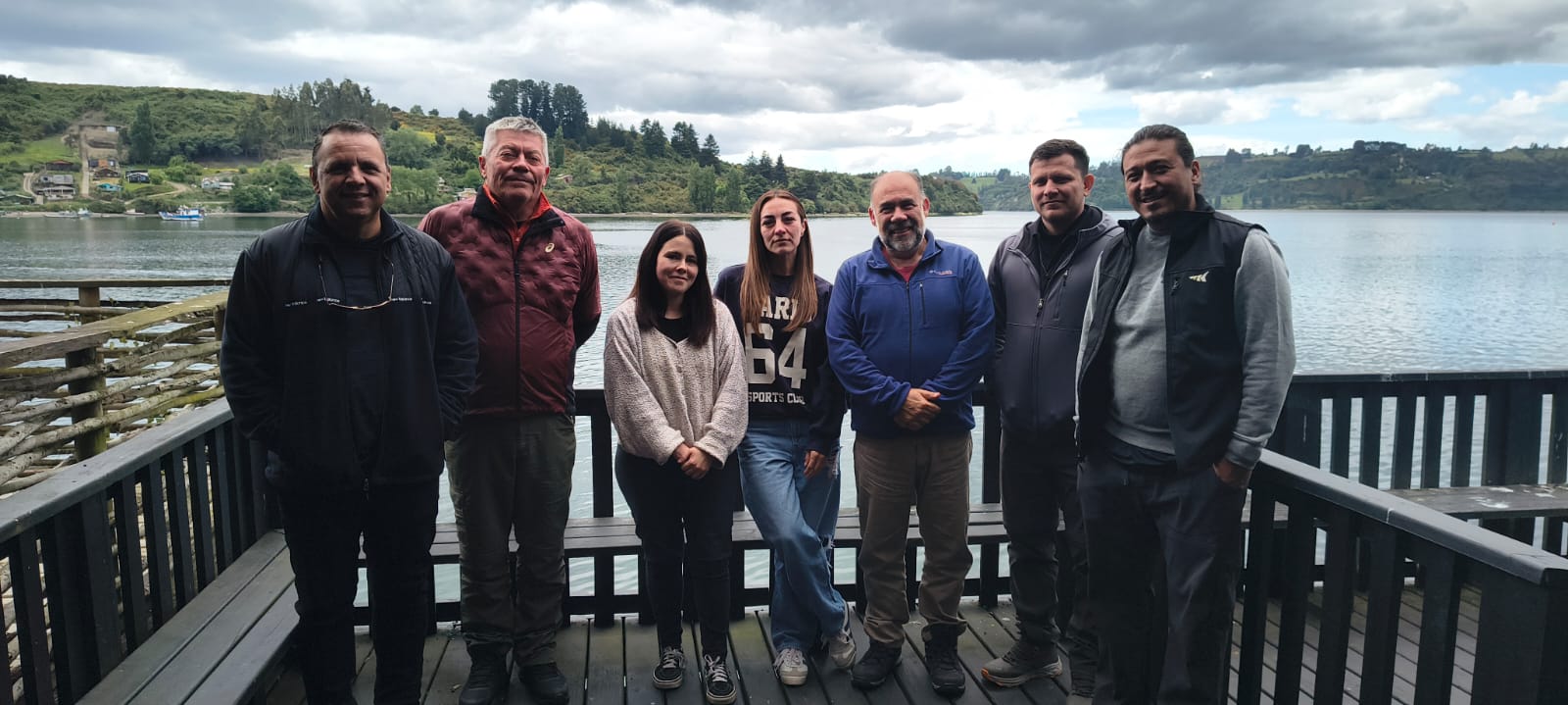
The experience of the Chilean mining industry was the focus of a technical visit made by a delegation from Costa Rica, accompanied by professors from the Catholic University of the North, who came to the province of Chiloé, to learn about the development, operation and main characteristics of this productive activity.
The initiative is part of the international cooperation project called “Strengthening Capacities in Mariculture of Fish and Bivalves on the Pacific Coast of Costa Rica for Sustainable Development Based on Circular Economy and Gender Equity”, which considered the work carried out by the Chilean mining industry as a reference experience to contribute to the strengthening of aquaculture capacities in that country.
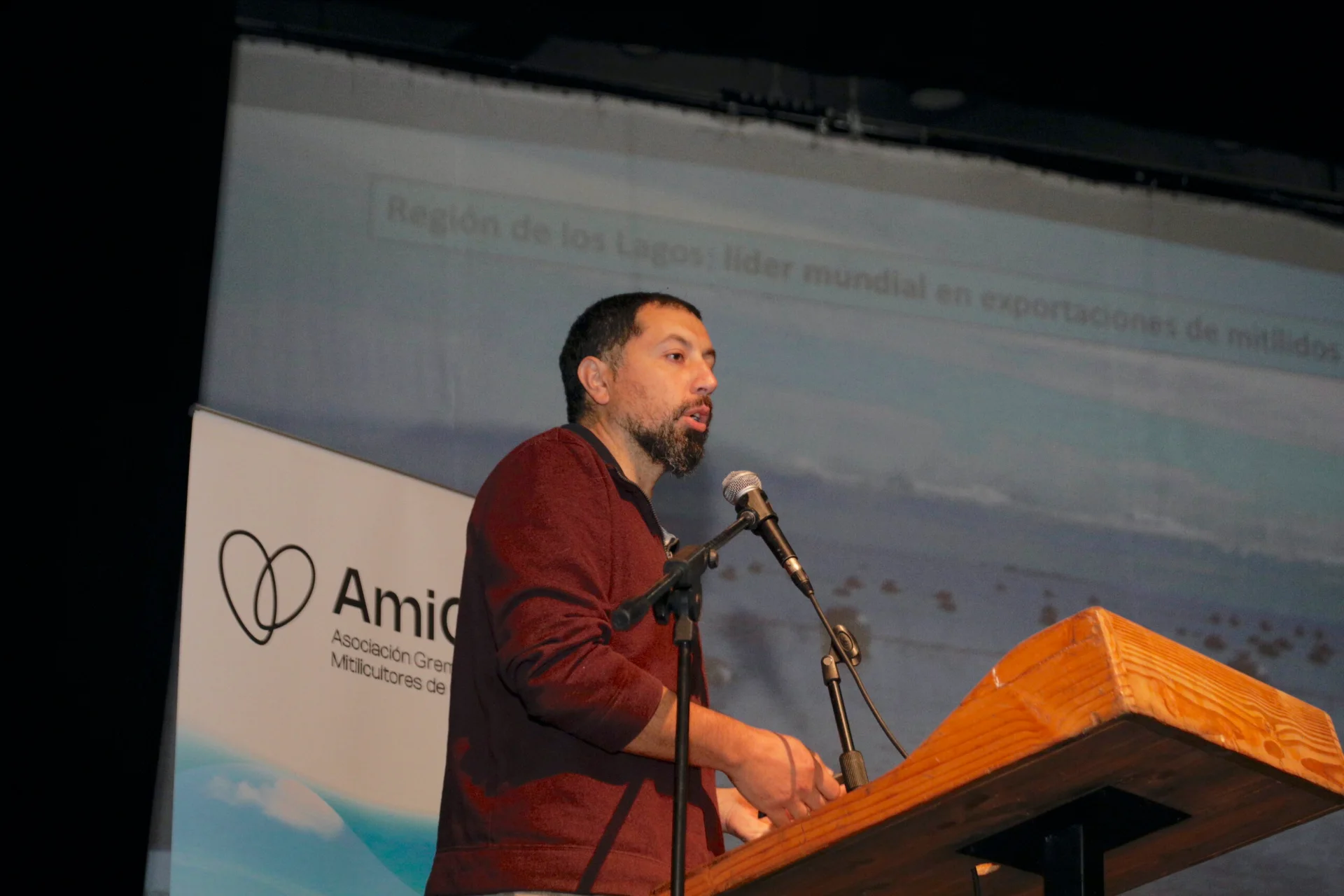
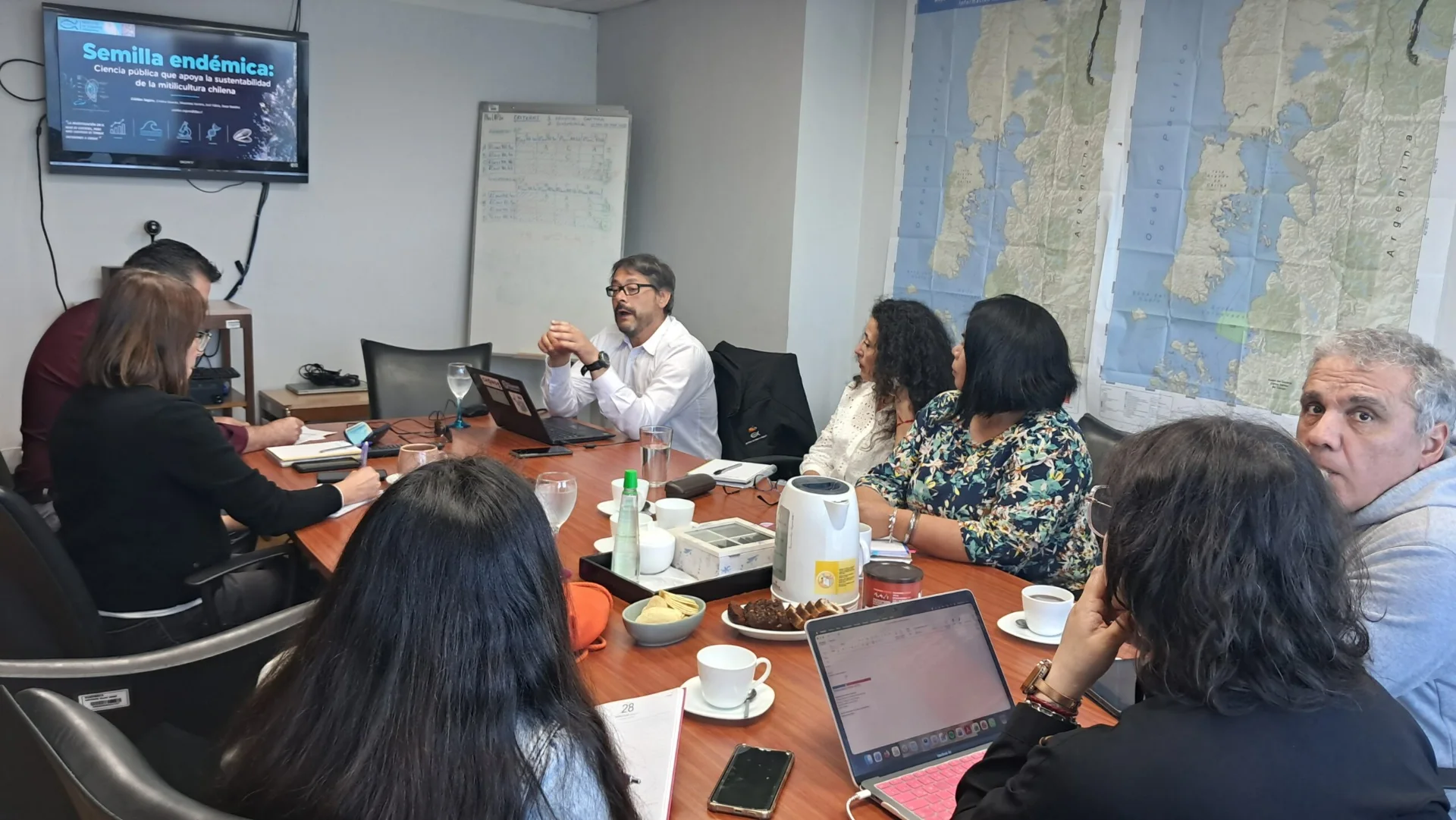
During the meeting, AmiChile and INTEMIT presented the main background of trade activity and the evolution of the Chilean mussel industry, addressing its history, productive development and normative framework, with the purpose of sharing learning that can contribute to the promotion of bivalve mariculture in Costa Rica.
In this regard, Camila Barría, a technical manager of INTEMIT, stressed the importance of sharing the national experience with the delegation, “We received with great affection the delegation of Costa Rica and the teachers of the Catholic University of the North, who asked us to collaborate with them. We present our union activity and how the mill industry has developed to this day, with a look at its history and regulatory framework. Like this. they can identify what aspects should be promoted to develop this activity in Costa Rica,” he said.
A tour of the entire production chain
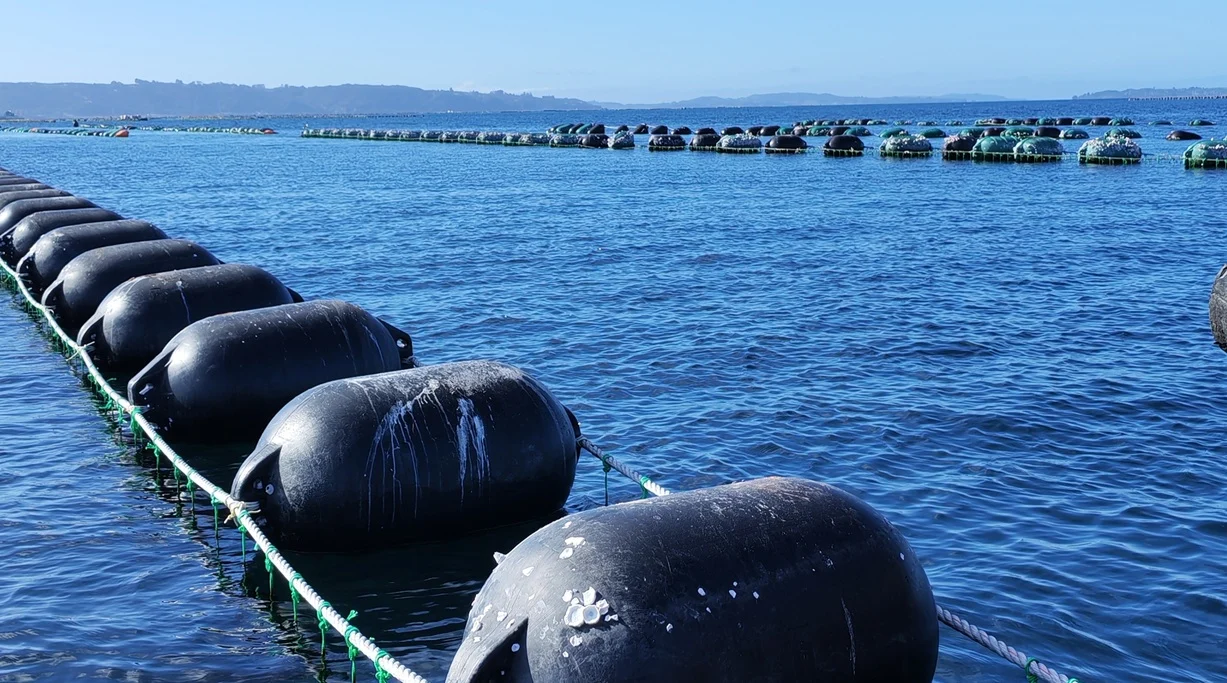
As part of the technical visit, the delegation visited the facilities of four partner companies of AmiChile, with the aim of knowing directly the different stages of the production chain of mussel cultivation.
In Camanchaca crops they knew the harvest process; in Agromarina, the planting stage; in St. Andrews, the production process, and in Cal Austral, the alternatives of valorization of the conchilla, byproduct of the milling activity.
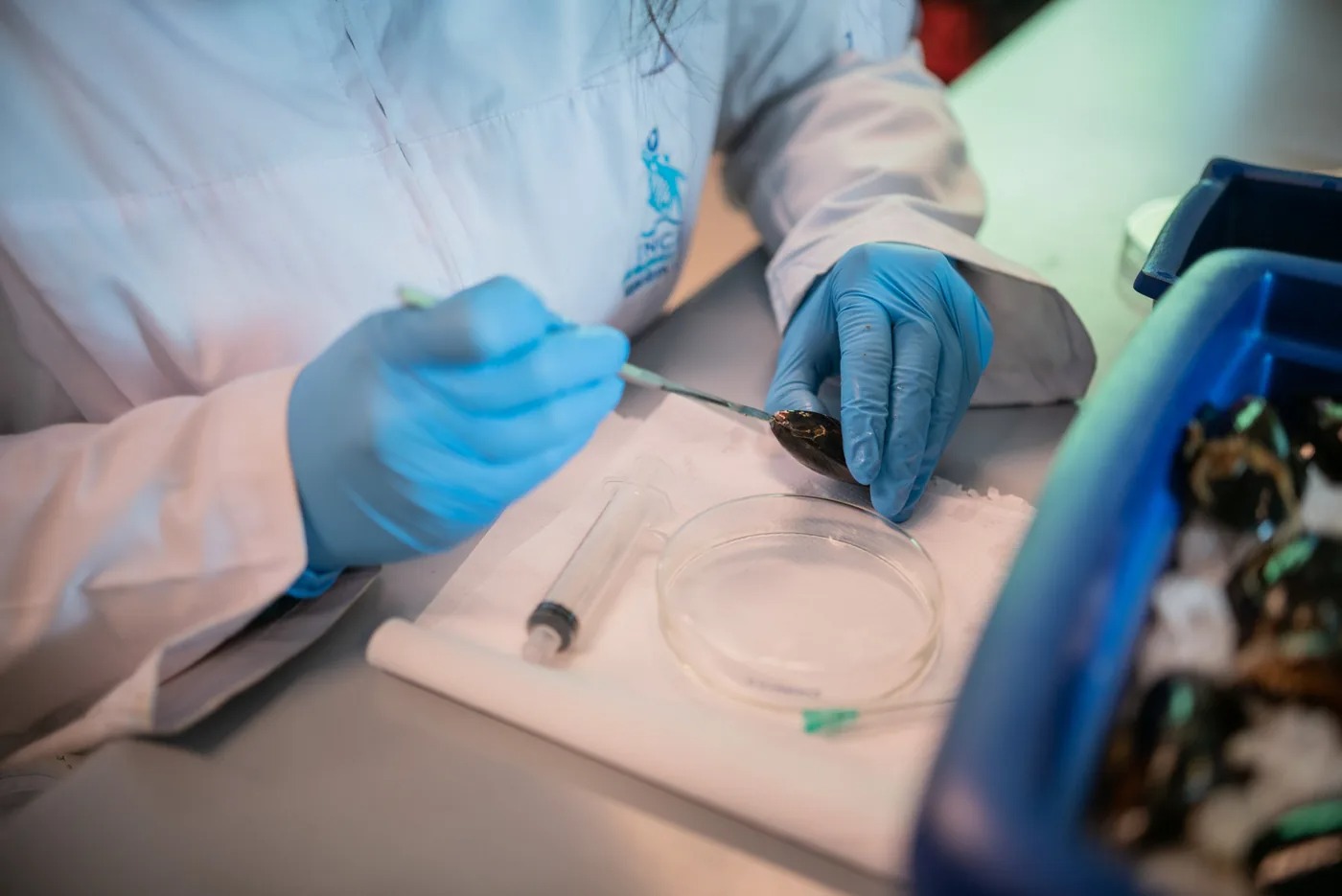
This tour allowed visitors to observe the different stages of production, from cultivation activities to the processing and recovery of by-products, knowing in the field how the industry operates and the standards of safety and quality that characterize its development.
The experience also showed the potential of the circular economy in the cultivation of mussels, particularly through initiatives that seek to take advantage of resources and value materials derived from productive processes.
In this way, the visit constituted an instance of exchange of knowledge and international cooperation, valuing the experience accumulated by the cultivation of Chilean mussels and the work of their companies in the development of a sustainable aquaculture activity.
Through these actions, AmiChile and INTEMIT contribute to sharing knowledge and experiences of the sector, strengthening collaboration links and projecting the development of mussel cultivation as an activity with potential to contribute to sustainable aquaculture in other territories.