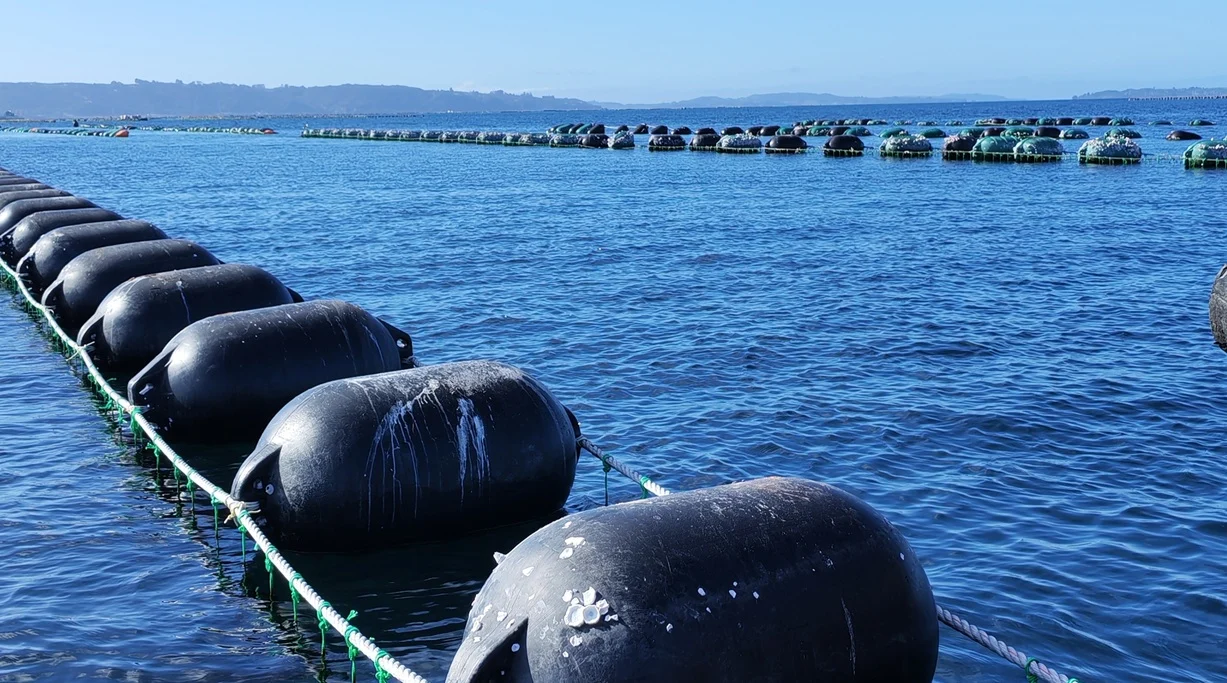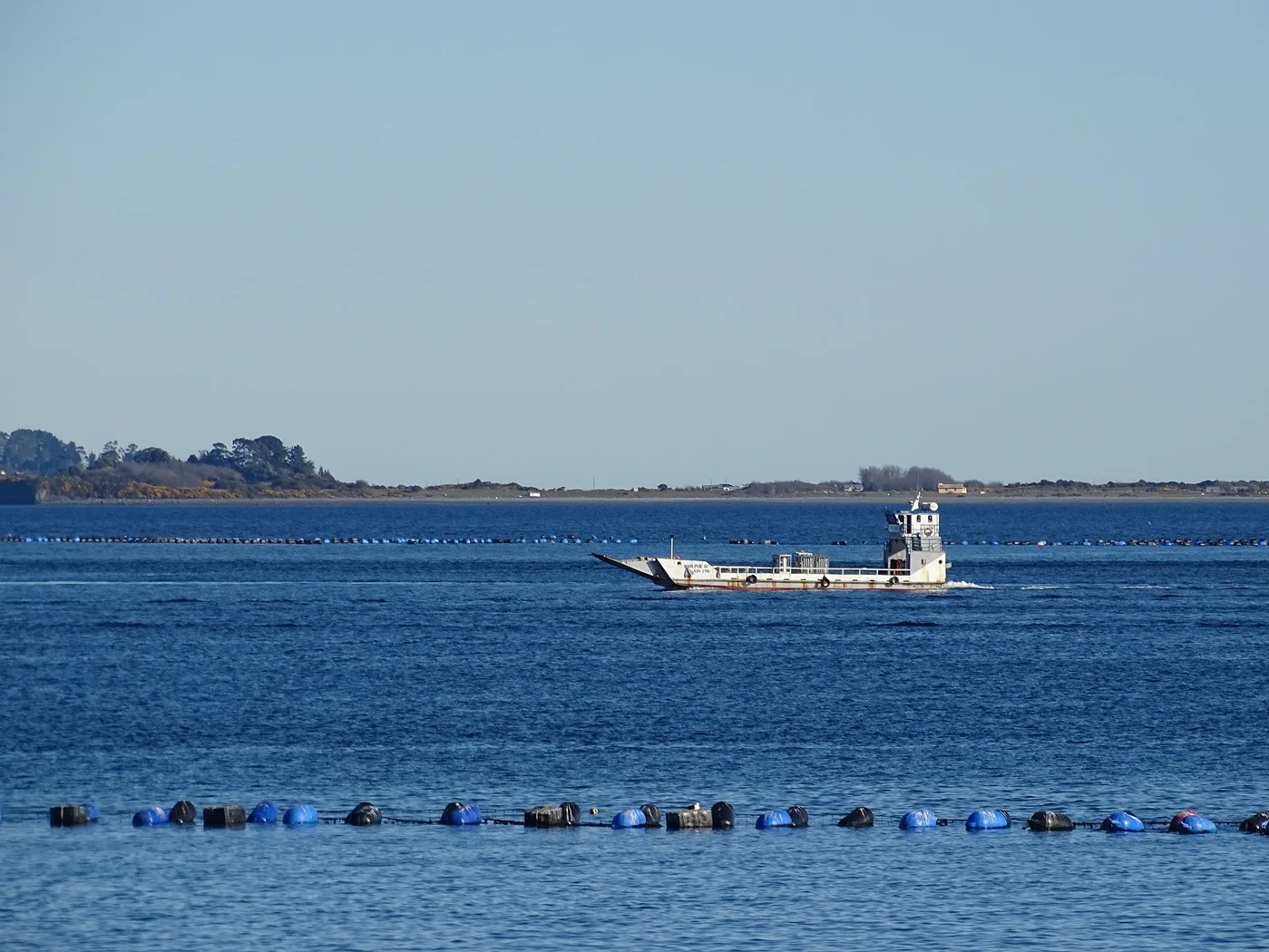
To address a problem affecting chorito seed collectors in the municipality of Calbuco, in the Los Lagos Region, the Undersecretary of Fisheries and Aquaculture (Subpesca) declared a maritime sector of the commune as an area of plague by the exotic invasive species Caprella mutica. The measure, of an administrative nature, allows to activate an institutional response aimed at monitoring their presence, preventing their dispersion and evaluating management alternatives.
The harvesting of seeds from the natural environment constitutes the basis of the cultivation of choritos and a fundamental activity for small-scale aquaculture farmers in the territory. So the abundant presence of these small crustaceans in the collectors can interfere with this process, with consequences for the availability of seeds and the continuity of activity.
The decision of Subpesca, established by Resolution Exenta No. 2604 of 2026, reflects the concern raised by producers of mussels from Calbuco, who warned about the proliferation of these organisms and the difficulties in obtaining marketable seeds. Their reports, along with field inspections and scientific and technical background, supported the statement.
A response that combines surveillance, technical support and research
The pest declaration shall be valid for two years from its publication and provides that the National Fisheries and Aquaculture Service (Sernapesca) shall issue the corresponding programmes under the Regulations on Hydrobiological Plagues.
The technical report supporting the measure proposes an initial response focusing on surveillance, the provision of information and technical support to producers in order to recognise the species and contribute to the monitoring of its presence. It also envisages actions aimed at preventing their dispersion.
On the other hand, Subpesca will manage monitoring and studies to specify the distribution of Caprella mutica, understand its possible effects on the capture and permanence of seeds in collectors and evaluate management alternatives.
A measure focused on productive activity
The resolution specifies that Caprella mutica does not produce toxins that can accumulate in seafood and that there is no history of it producing diseases transmissible to people through mussels.
The concern focuses on its possible effects on seed harvesting, due to its presence in crop structures and possible competition for space and food.
"With this measure, from Subpesca we seek to advance in a response based on evidence and the needs of the territory, to safeguard an activity that supports the work of small fish farmers and constitutes the first link in the production of choritos in the Region of Los Lagos," explained Alejandro Barrientos, head of the Aquaculture division of the undersecretary.