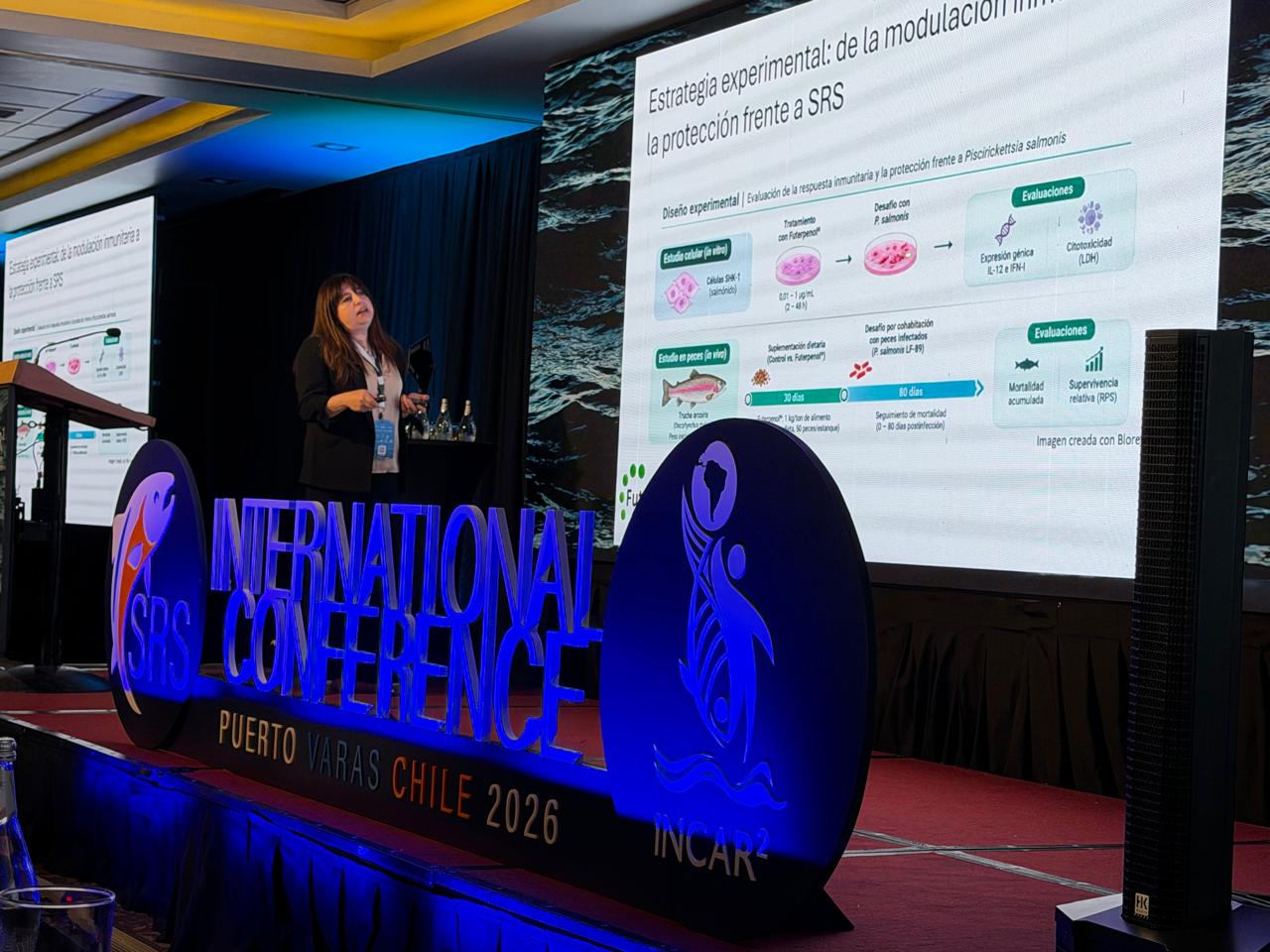
Preparing fish to respond to multiple health and environmental challenges throughout the crop cycle was the central message of the presentation that Carolina San Martín, Research and Development Manager, Aqua Health+ by MNL Group, issued at the SRS International Conference 2026.
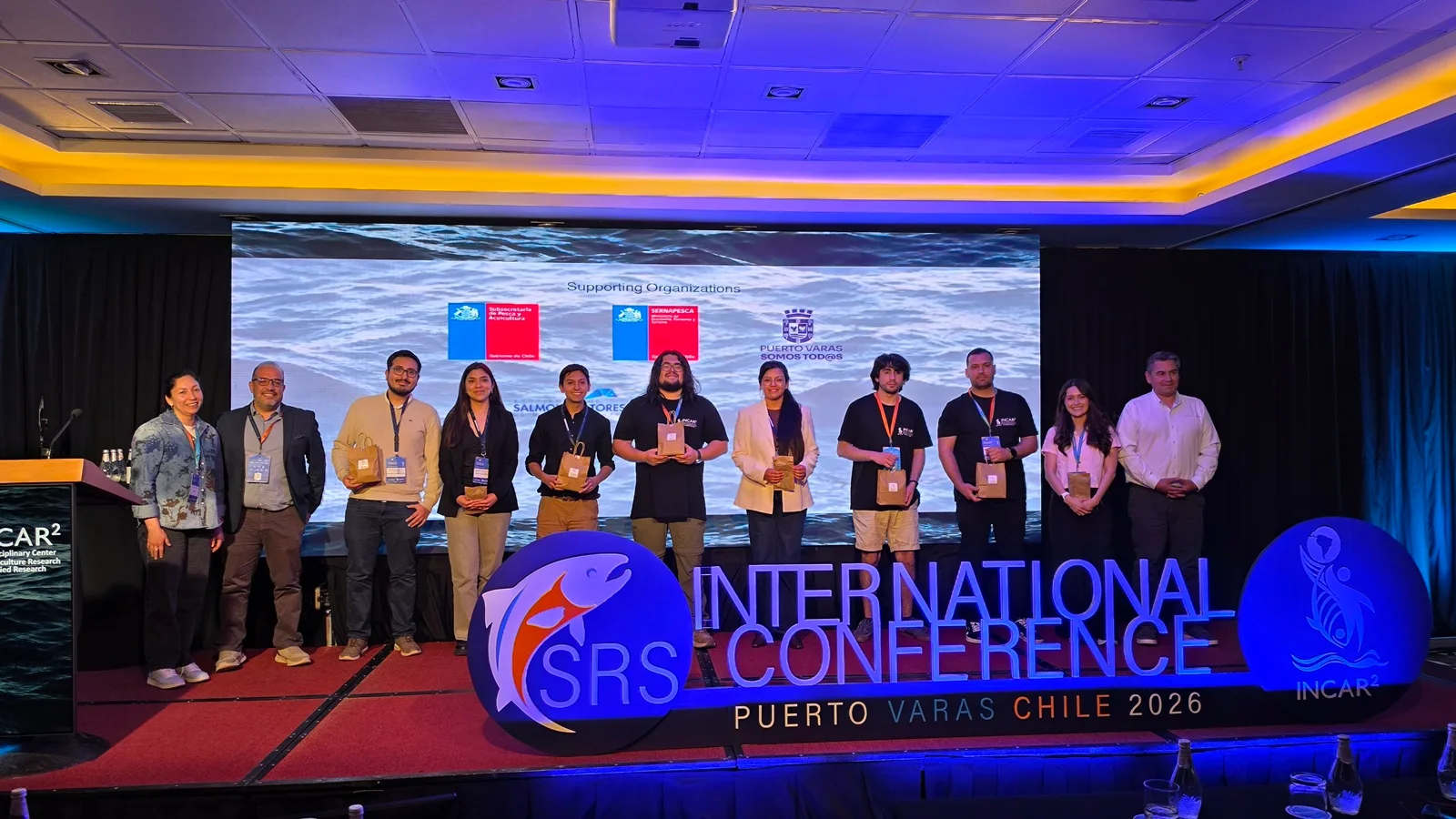
The meeting, organized by the Center for Applied Research in Sustainable Aquaculture (INCAR²) and sponsored by Aqua Health+, took place from 9 to 11 November in Puerto Varas. The conference brought together more than 250 attendees from 15 countries, including Norway, Brazil, the United Kingdom, the United States, Japan, Australia and New Zealand, as well as Chile.
The program addressed comprehensive control of Piscirickettsiosis (SRS) from different perspectives, such as environmental, genetic and genomic epidemiology, health prevention and animal welfare. The economic and social impacts of the disease and the use of antimicrobials were also analyzed. Non-pharmacological strategies discussed genetic selection, nutritional conditioning, functional foods and immunonutrientation. In addition, research was submitted on food additives based on recombinant proteins and plant extracts.
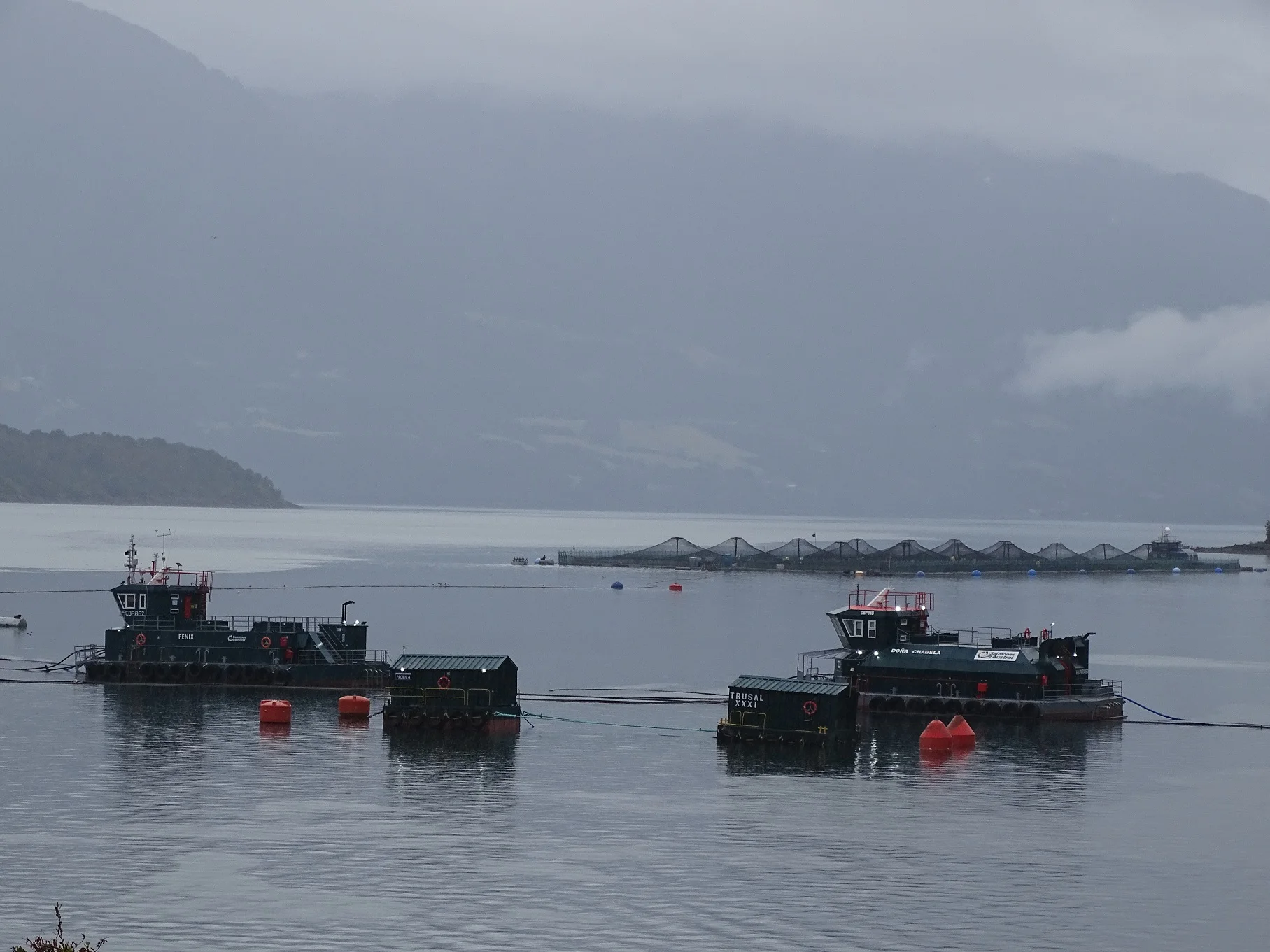
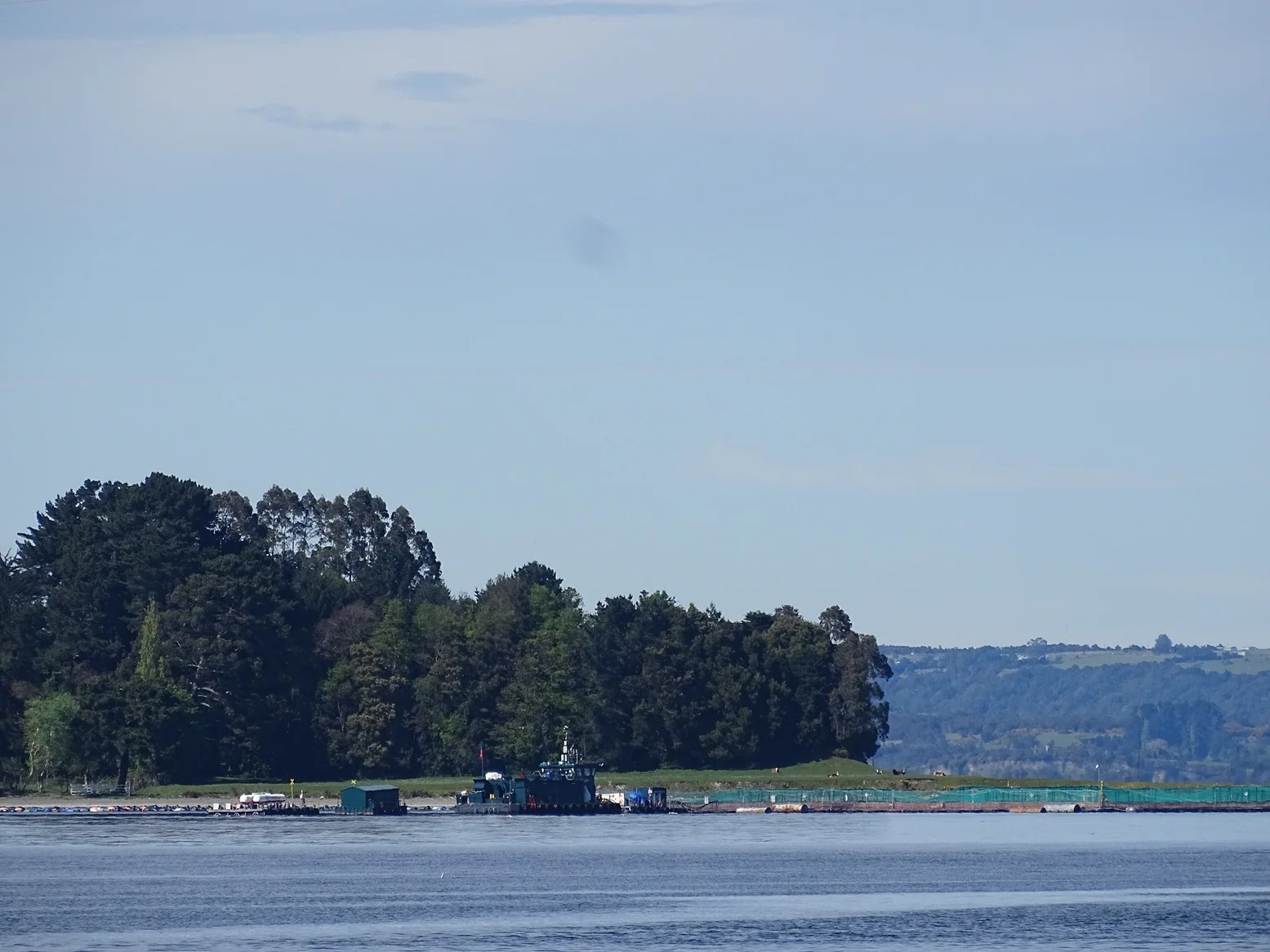
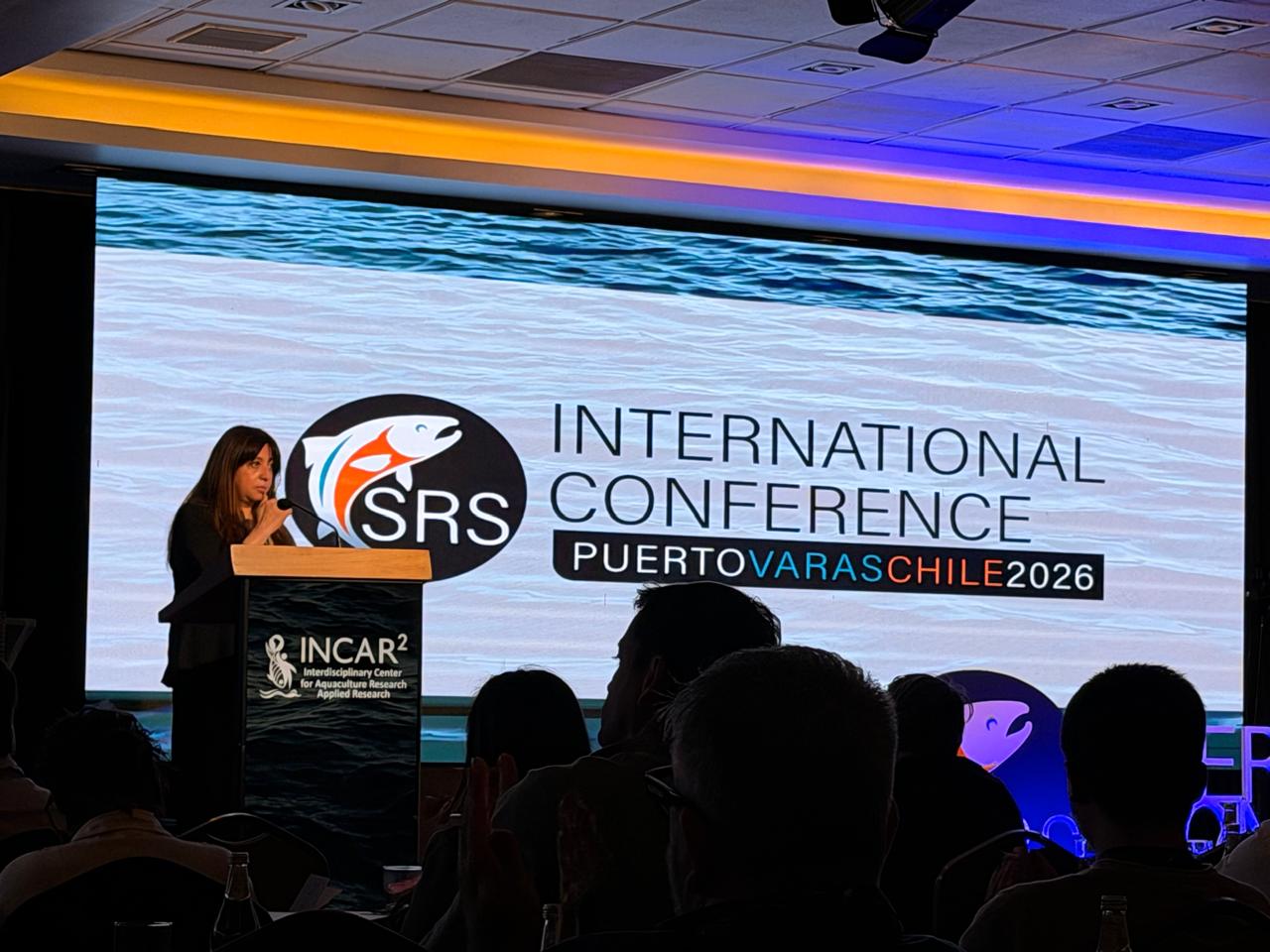 In his talk. “Functional strategy to promoteto bioresilience in farmed salmonids”, Carolina San Martín explained that, in cultivation centers, SRS can coincide with other health challenges and environmental changes, such as variations in oxygen levels. In this context, he presented functional nutrition as a tool to support the well-being of fish, complementary to management practices and health prevention.
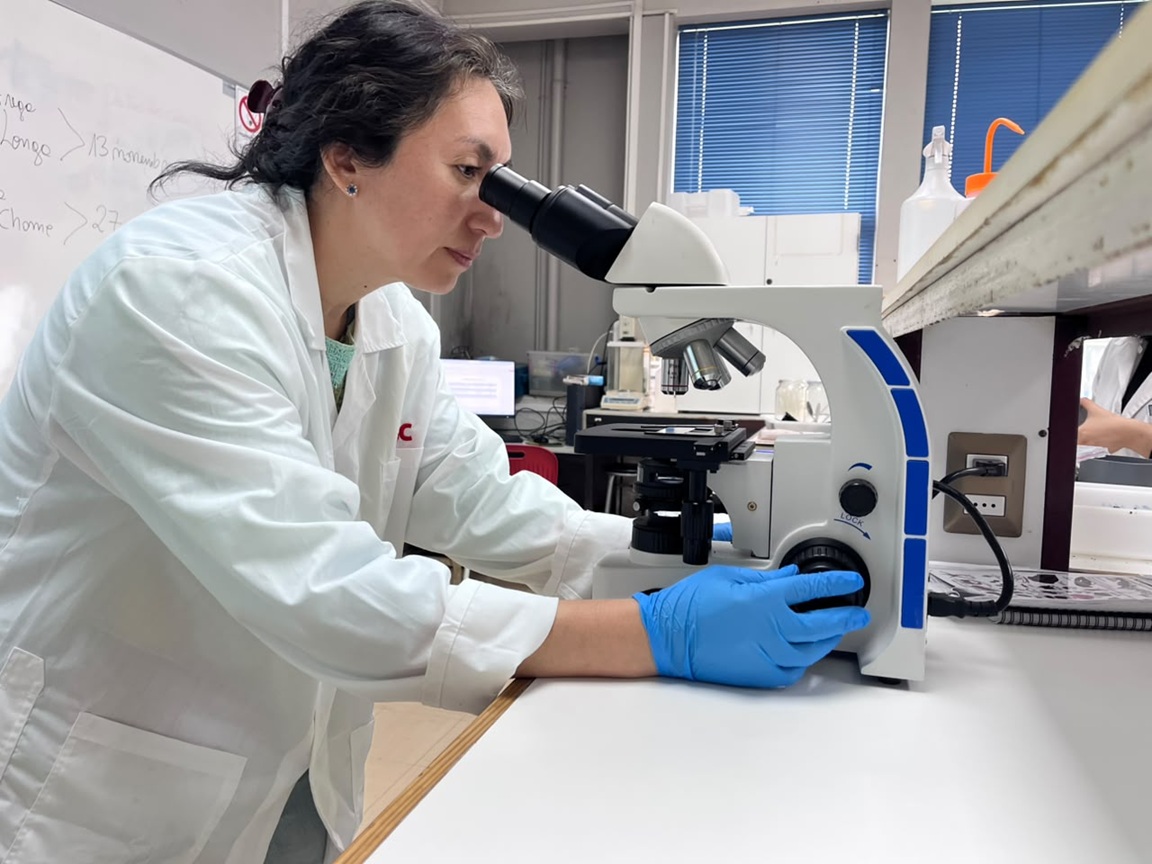
As an example of this approach, the executive referred to Futerpenol®, a nutritional supplement developed by Aqua Health+ by MNL Group with extracts of algae and plants, and shared the results of two studies evaluating its use. The first was made with Atlantic salmon, under conditions of commercial cultivation, during a bloom natural algae and, the second, rainbow trout in experimental conditions, before a challenge by cohabitation with Piscirickettsia salmonis.
In these experiences, fish receiving Futerpenol® showed positive changes in indicators associated with immune response and greater survival than those in the control group. The results suggest that this complement could support the immune response of fish under the assessed conditions and contribute to strengthening their capacity to respond to health and environmental challenges throughout the crop cycle. In addition, evidences the potential of functional nutrition as a complement to environmental monitoring and operational protocols in cultivation centers.