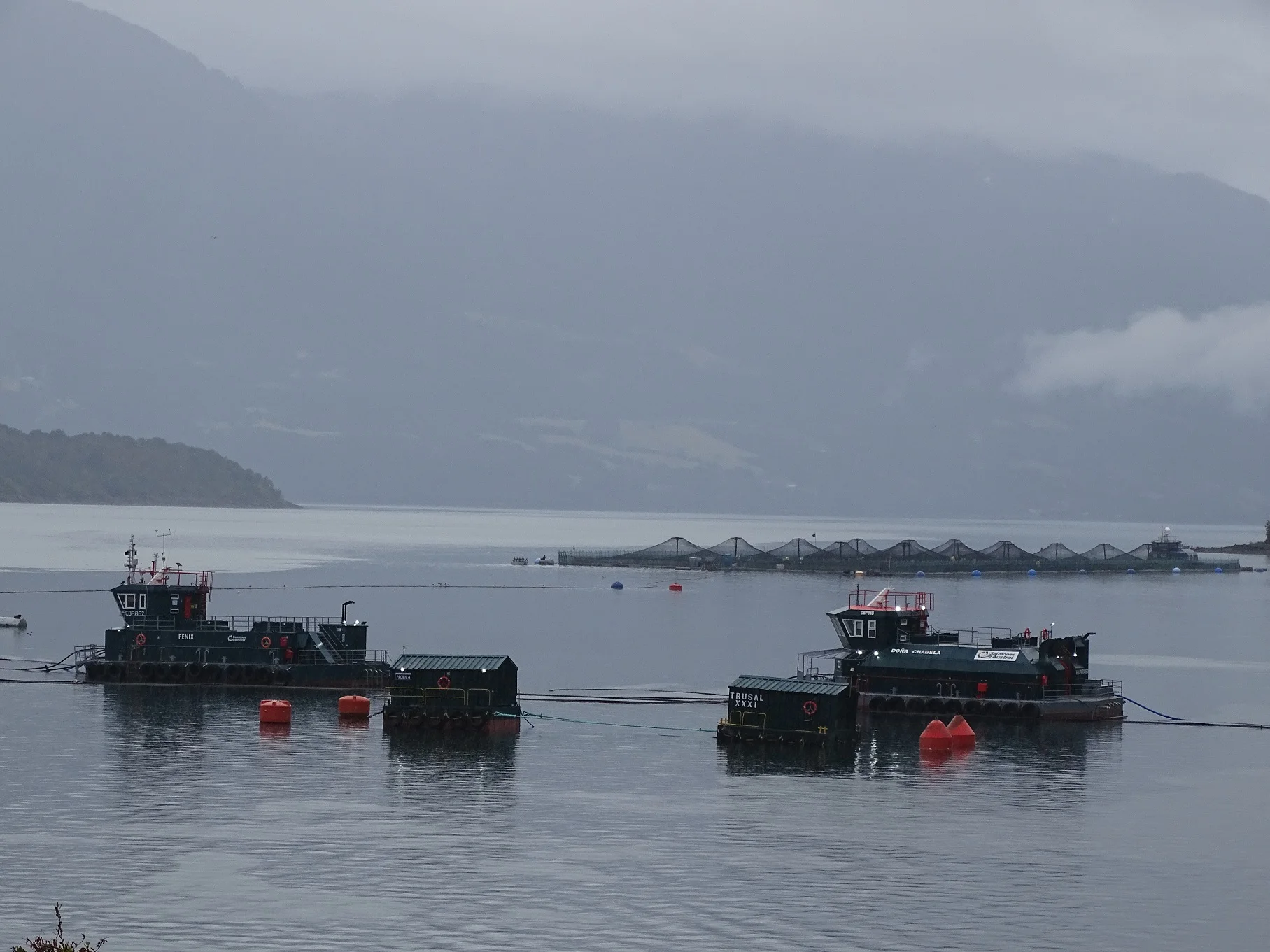
The World Organisation for Animal Health (WHOA) published the guide Guidelines for Antimicrobial Monitoring Use in Aquaculture at the Field Level, a technical tool aimed at supporting countries in the development and implementation of systems for monitoring the use of antimicrobials at the level of aquaculture establishments.
The publication is the result of a work initiated in 2023, carried out by an international technical group of experts convened by WHOA and from different countries and continents, with experience in research and public policies related to the use of antimicrobials. The group, led by the organization from its headquarters in Paris, worked through face-to-face and virtual technical meetings, scientific evidence review and collection of international experiences, with the aim of developing practical and standardized guidelines for the aquaculture sector.
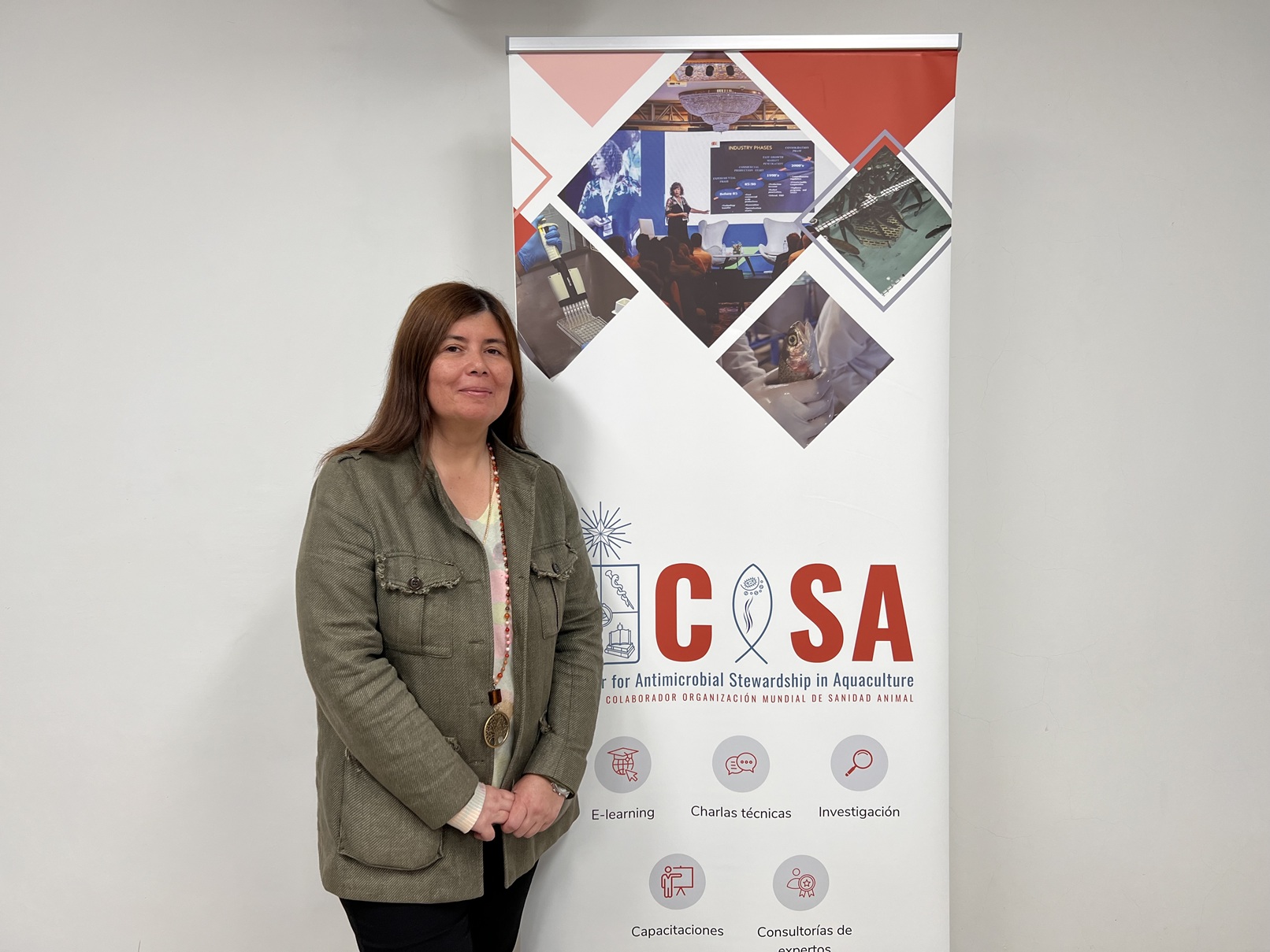
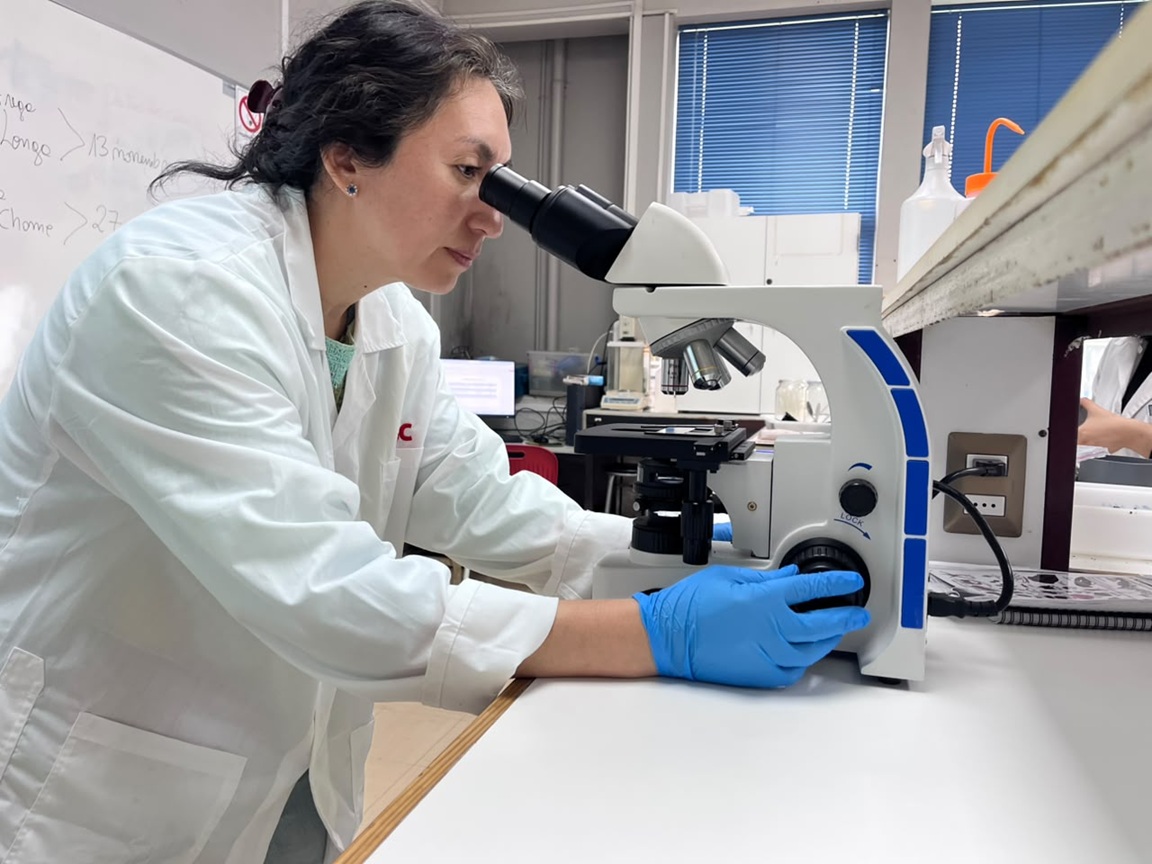
In this process, the Dr. Marcela Lara, senior advisor to the WHOA Collaborating Centre for the Management of Antimicrobials in Aquaculture (CASA)who was part of the group of experts responsible for preparing this guide, which seeks to strengthen the generation of reliable information and promote the prudent and responsible use of antimicrobials in aquaculture. The publication now is available on the WHOA website.
Chile as an international reference
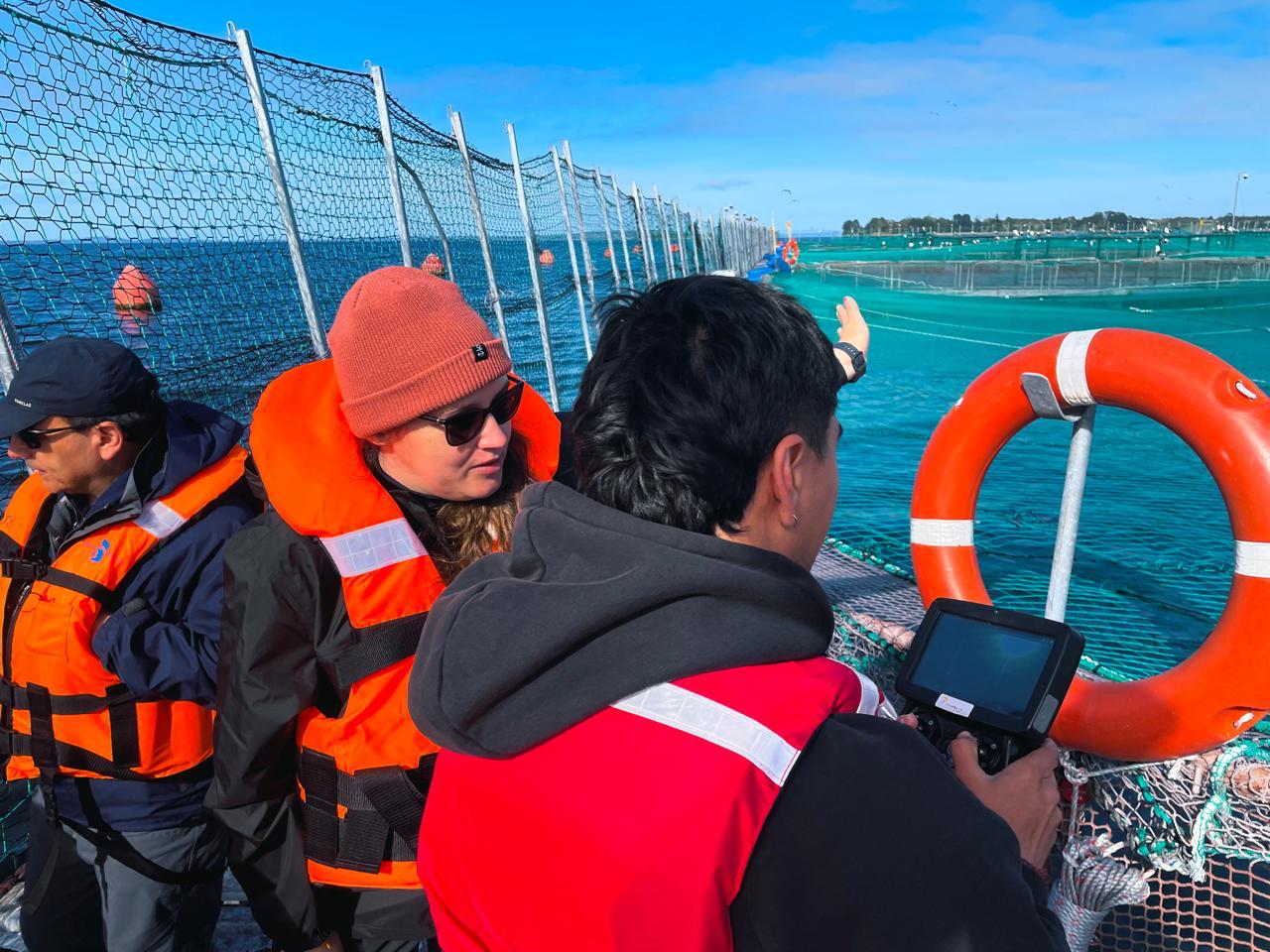
One of the highlights of the new guide is the recognition of the Chilean experience in monitoring the use of antimicrobials in aquaculture. The publication presents Chile as an example of the implementation of active monitoring systems and a monthly report on the use of these products in freshwater and marine cultivation centers.
It also highlights the cross-fertilization of information between veterinary prescriptions and records of plants producing medicated food, a mechanism that strengthens the traceability and validation of the reported data.
These experiences position Chile as a benchmark in the matter and demonstrate the importance of systematic information systems that allow to evaluate trends, compare results and support health decision-making.
A tool to strengthen health management in aquaculture
The guide provides guidance on the main aspects to be considered in monitoring the use of antimicrobials at the level of the culture centers, including the products used, the number of treated animals, the routes of administration, the doses, the duration of the treatments and the purpose of their use, whether therapeutic, preventive or control.
Having standardized and comparable information is a key element in strengthening national strategies against antimicrobial resistance (RAM), evaluating usage practices and moving towards more responsible management of these products.
In this context, Dr. Marcela Lara highlighted the importance of collaborative work behind this publication:
"The development of this guide was an opportunity to gather experiences and knowledge from different countries, with the aim of developing a technical tool to advance towards more robust and comparable monitoring systems. We hope that this document will contribute to strengthening the capacities of countries, promoting the prudent use of antimicrobials and moving towards more sustainable aquaculture, in line with the One approach. Cheers," he explained.