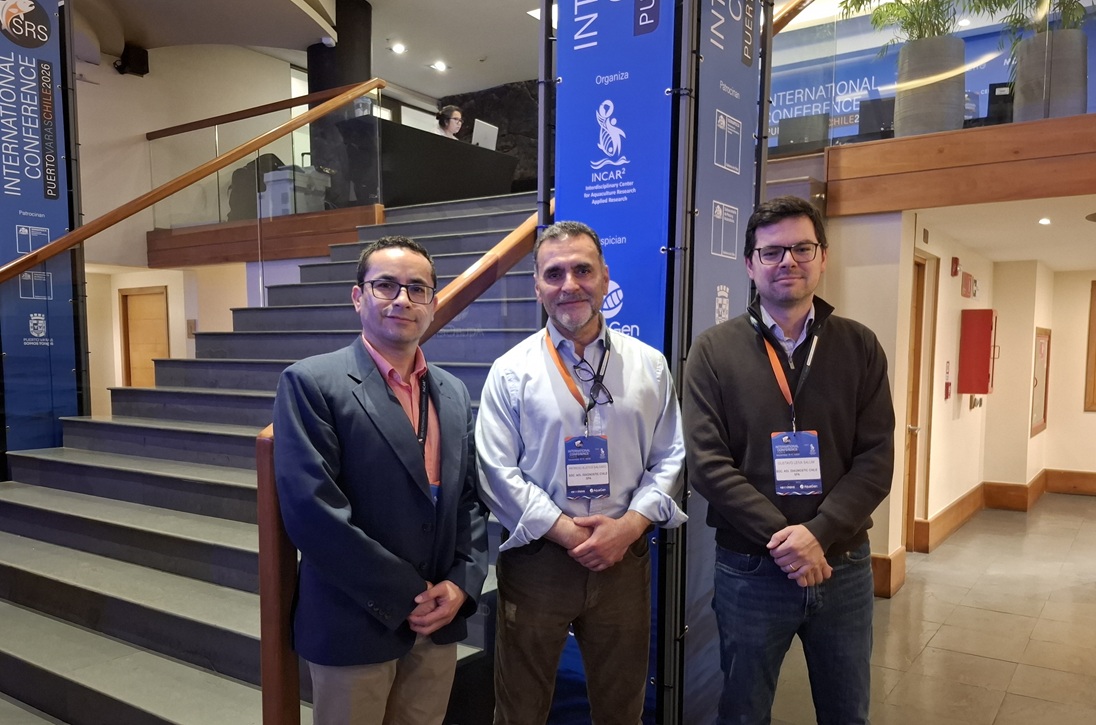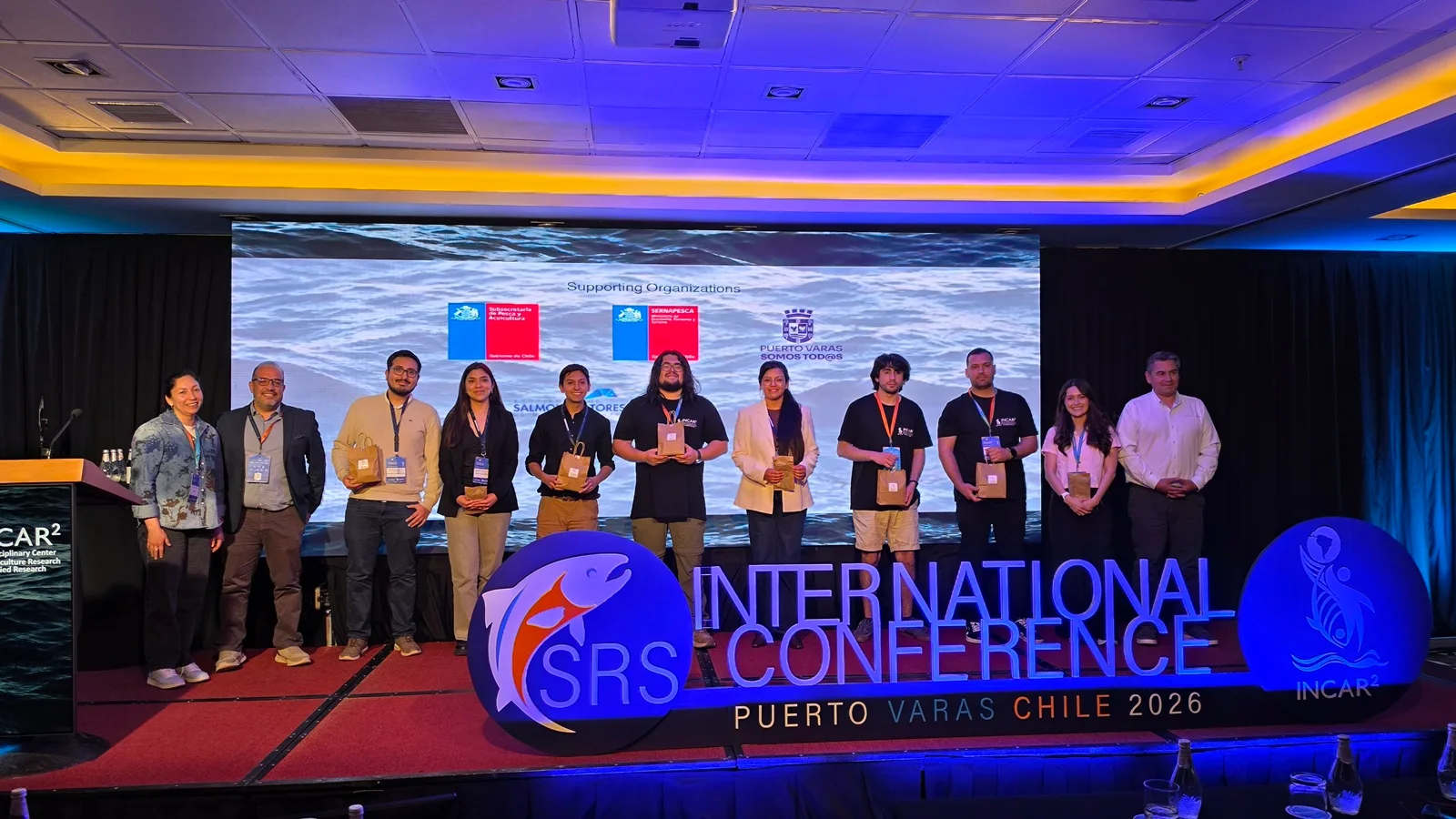
The successful holding of the first International Conference on Piscirickettsiosis, SRS 2026, consolidated the Interdisciplinary Center for Aquaculture Research – Applied Research (INCAR²) as a key articulator of scientific and technological collaboration spaces to address one of the main health challenges of salmon farming. The meeting concluded in Puerto Varas with a call that greatly exceeded the initial expectations, reaffirming the organizational capacity of the centre to bring together academic, public and productive actors around a common goal.
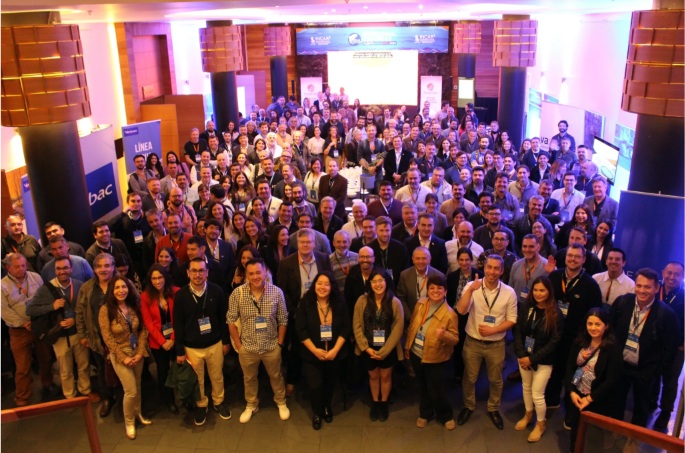
During three days, SRS 2026 brought together 251 participants, a figure that exceeded the original goal of 180 attendees defined by the organization. The high demand for registration forced to expand the available quotas, allowing the participation of 221 national assistants and 30 international representatives, in a sign of the growing interest that exists to address collaboratively the challenges associated with piscirickettsiosis.
The global nature of the conference was reflected in the presence of representatives from 15 countries and four continents, who shared experiences, scientific advances and disease control strategies. The diversity of approaches and disciplines present strengthened knowledge sharing and created new opportunities for collaboration among researchers, companies, laboratories and public agencies.
One of the main institutional achievements of the meeting was the construction of a high-level scientific programme, which brought together 72 research works, including 39 studies presented orally. The exhibitions covered areas as diverse as environmental epidemiology, genetics and genomics, animal welfare, cattle, diagnosis, control tools and new technologies for disease prevention.
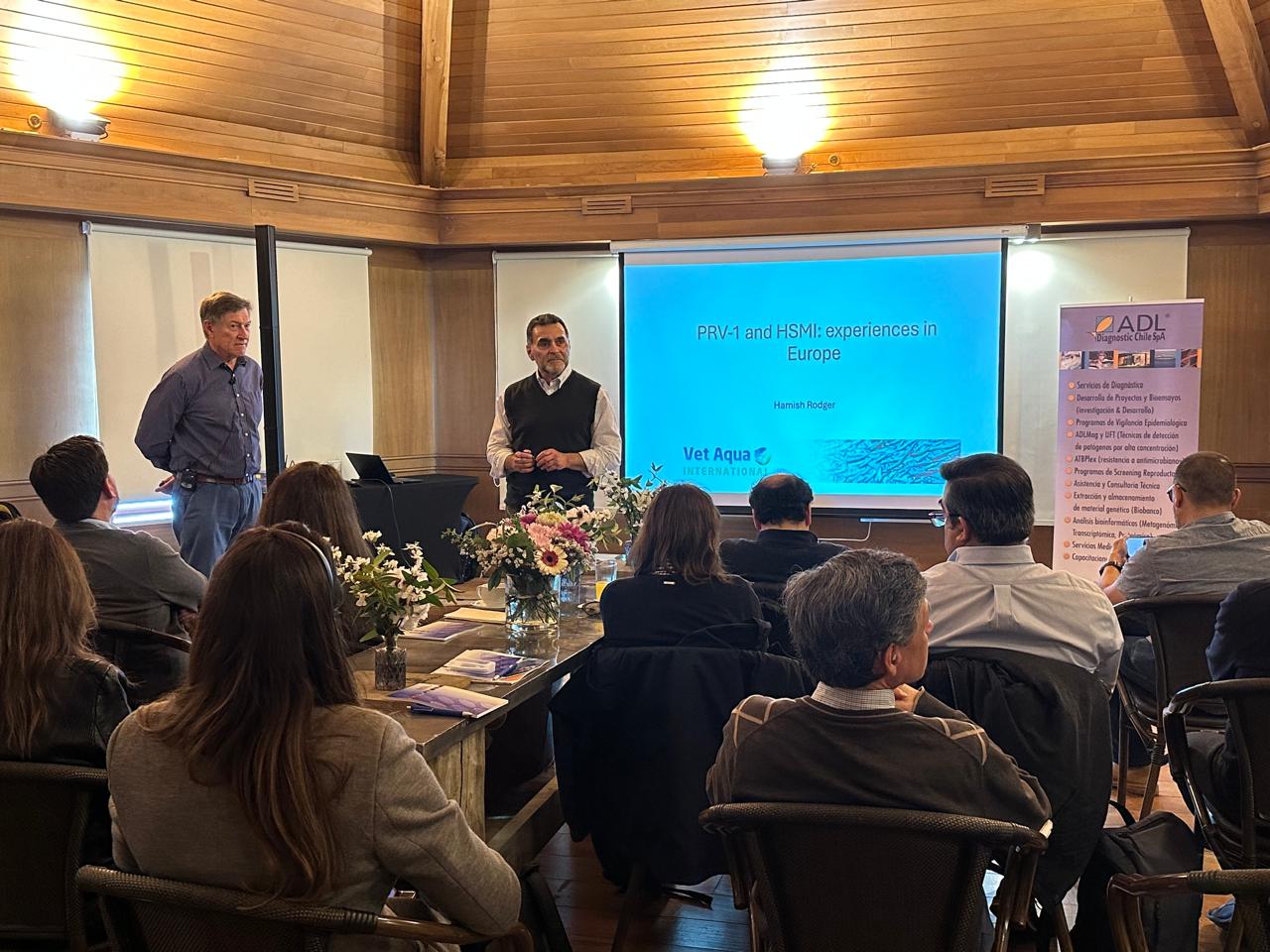
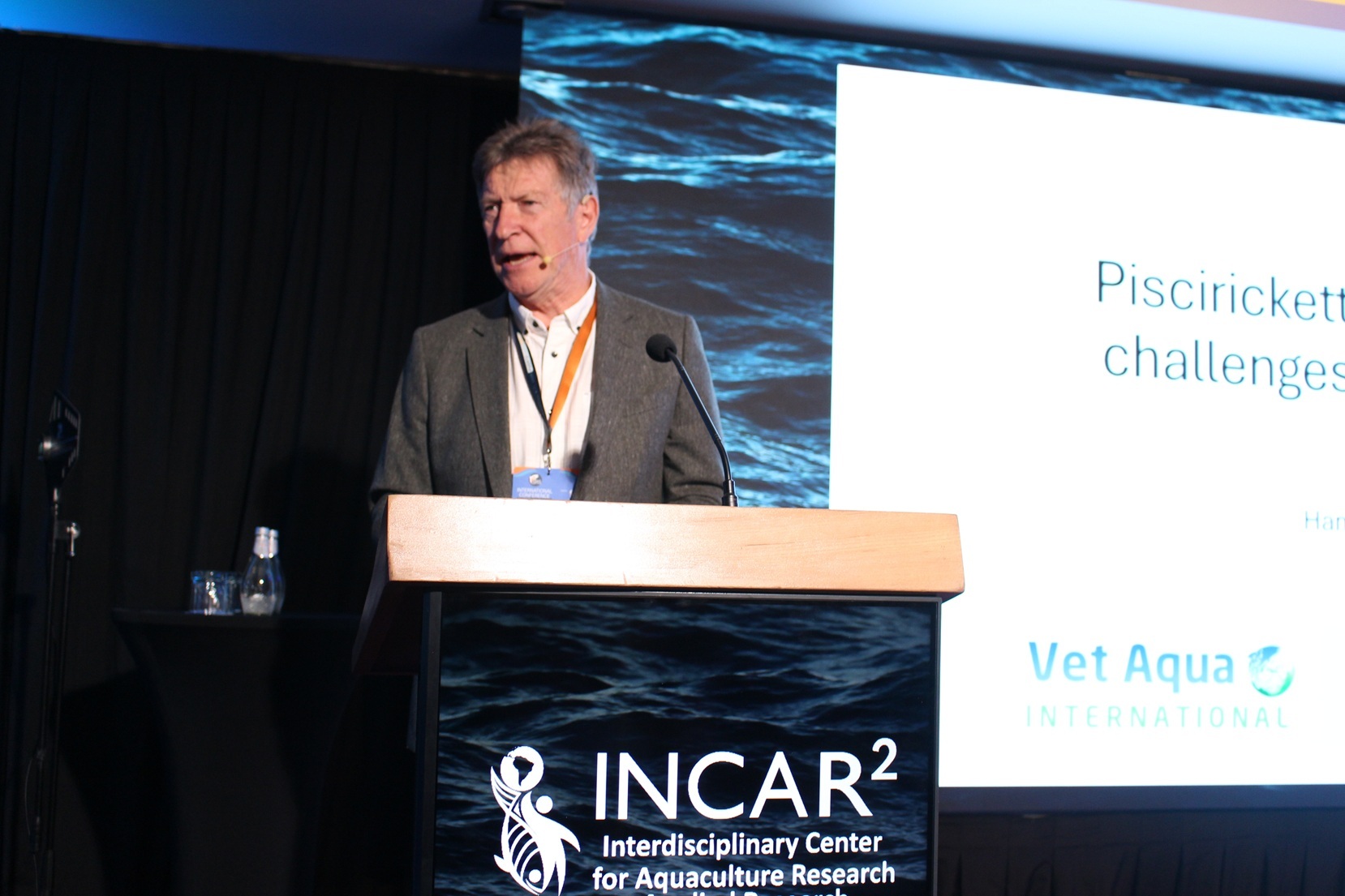
The closing day was marked by the keynote talk “Global lessons, local solutions: Piscirickettsiosis in Europe and its main challenges. How the PisciNor® project and international collaborative research contribute to knowledge to control the disease in Chile and the world” by Dr. Hamish Rodger, founding partner of VET-Aqua International.
The scientific program contemplated the presentation of research aimed at understanding the behavior of Piscirickettsia salmonis against antimicrobials, evaluate different vaccine strategies and develop tools to anticipate health risks. Advances were also made in genetic selection, functional nutrition and early diagnostic mechanisms, reflecting the wide range of lines of research currently promoted by the scientific community.
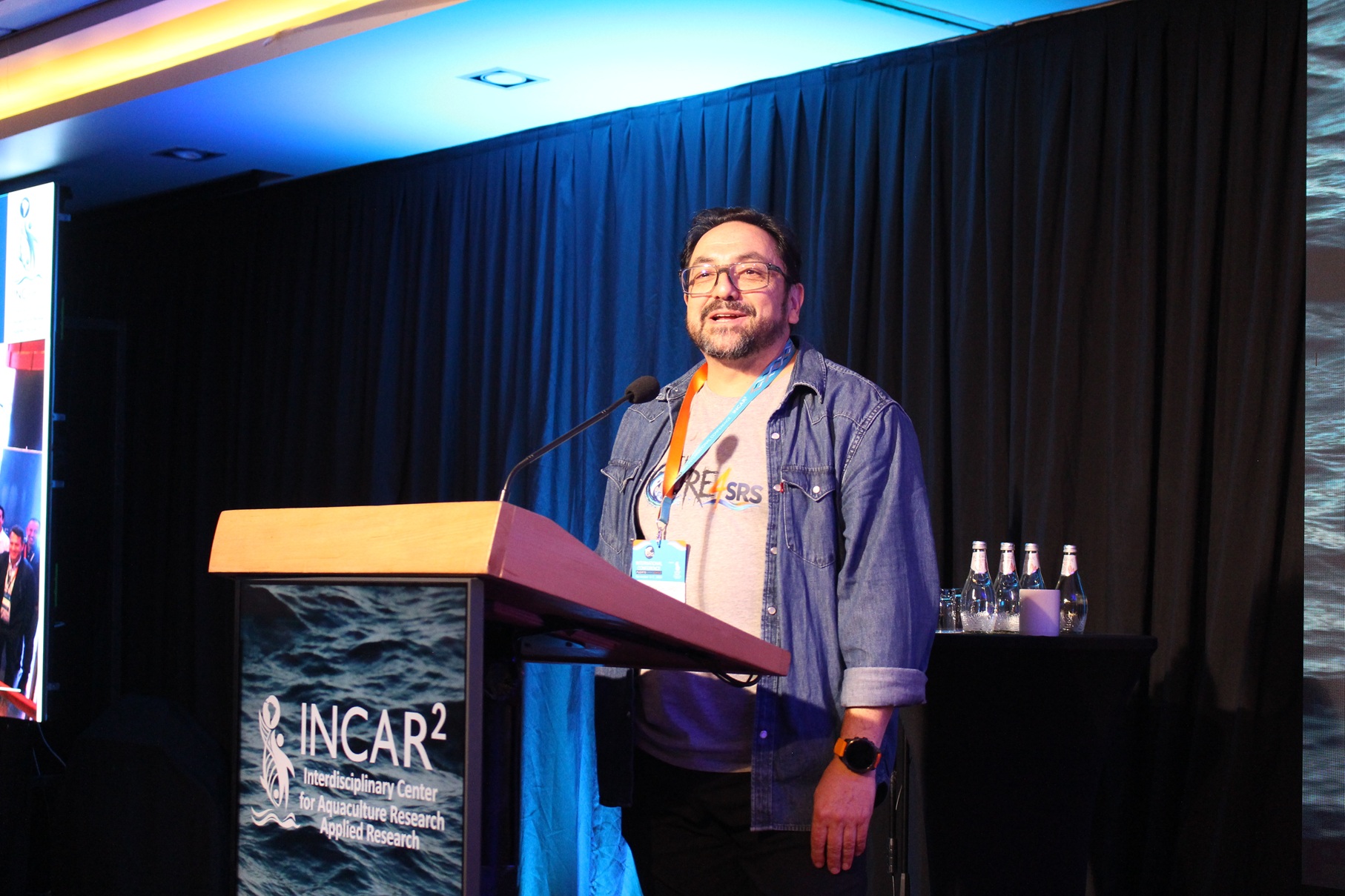
In his final report, the director of INCAR², Cristián Gallardo-Escárate, stressed that the results of the conference demonstrate the importance of generating permanent spaces for meeting between different actors. “The participation achieved shows that there is a scientific, technical and productive community committed to advancing innovative solutions to tackle piscirickettsiosis. This meeting allowed to strengthen networks of collaboration and project new research challenges for the coming years,” he said.
Another aspect highlighted by the organization was the outstanding participation of young researchers, who had a leading space through oral presentations and scientific posters. During the closing ceremony, a number of emerging talents linked to national universities and research centres were recognized, reaffirming INCAR²'s commitment to advanced human capital formation and development. new scientific capacities for aquaculture.
Among the outstanding researchers were Francisco Fuentes, Denis Cárdenas, Adrián Rodríguez, Natacha Santibanez, Alberto Sandoval, Matías Vega, Constanza Urzúa, Esteban Valdebenito, Cristian Figueroa, Marcela González and Constanza Sáez, linked to different universities and research centers.
The success of this first version also made it possible to project the continuity of the initiative. In this context, INCAR² announced its intention to hold a second edition of the International Conference on Piscirickettsiosis in 2028, establishing a biennial periodicity for this meeting.
The decision seeks to consolidate a permanent international platform for the dissemination of knowledge, the generation of networks and the promotion of scientific and technological solutions aimed at the control of one of the most relevant diseases for salmon farming worldwide.