The Chilean government recently declared a preventive emergency in response to the threat of red tide in 15 regions. The declaration has renewed debate about harmful algal blooms (HABs), naturally occurring events that can affect marine ecosystems, fishing and, in some circumstances, human health.
HABs occur when microalgae multiply and reach high concentrations under certain environmental conditions. Some species produce toxins that can accumulate in marine organisms, particularly filter-feeding molluscs. Others affect ecosystems through changes in water quality or other environmental conditions.
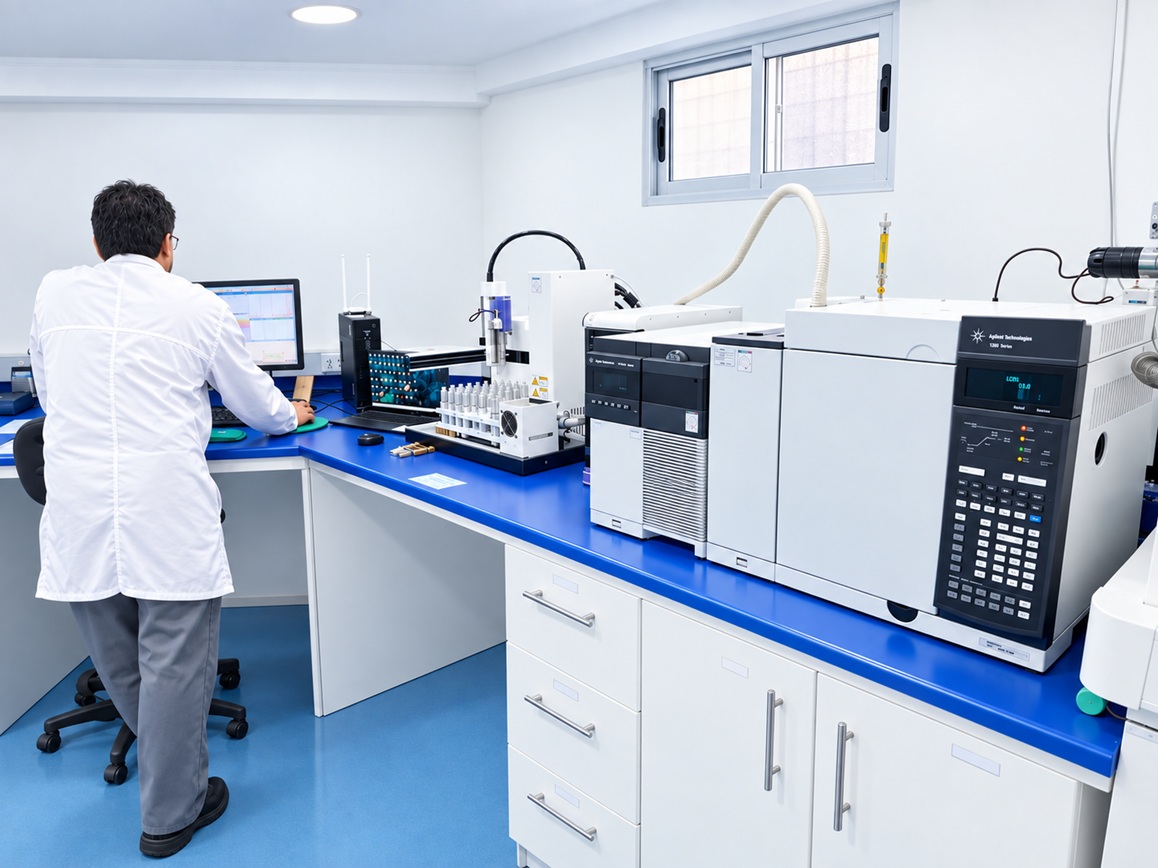
Although these events are commonly known as red tide, these blooms do not always visibly change the colour of the sea. Identifying them therefore requires monitoring programmes and specialised testing.
A phenomenon requiring ongoing monitoring
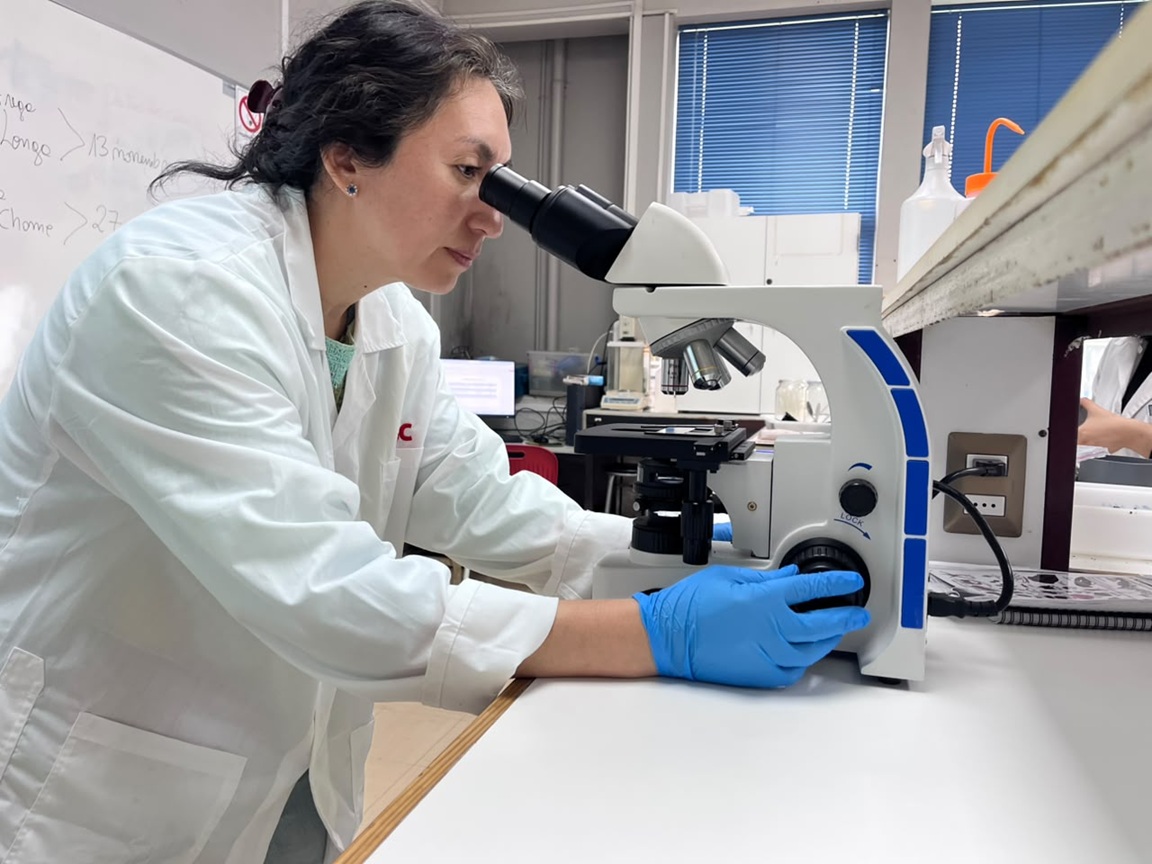
Dr Paola Andrade, a lecturer and researcher at UCSC’s Faculty of Sciences, studies how harmful microalgae affect marine organisms. Her work helps explain the physiological and biochemical responses of species exposed to blooms.
Andrade explained that environmental conditions, particularly changes in ocean temperature, can influence how these microorganisms multiply.
“This preventive measure is a response to El Niño and its potential impact on ecosystems. For example, rising temperatures can change environmental conditions in ways that favour blooms of these microorganisms”, said Dr Andrade.
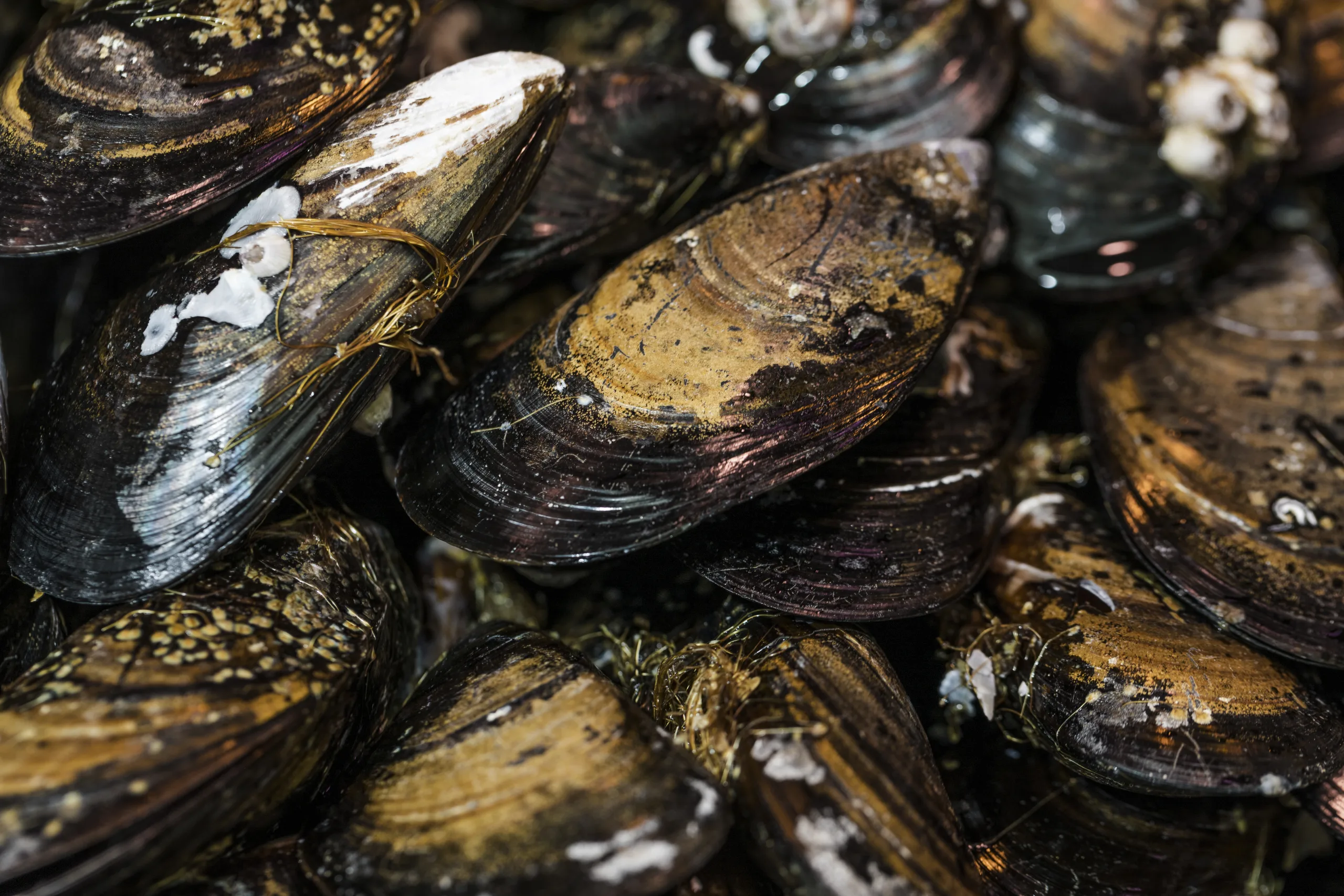
Among the species of scientific interest is Alexandrium catenella, a microalga that can produce paralytic shellfish toxins. These toxins can accumulate in bivalve molluscs and pose a risk to people who eat contaminated shellfish.
Its presence and proliferation are of interest to scientists, public health agencies and institutions responsible for monitoring marine resources.
Scientific research from Biobío
UCSC’s Faculty of Sciences also studies how these events affect marine species along the Biobío coast.
One line of research, led by Dr Andrade, examines the potential impact of blooms of Alexandrium catenella on the physiology and biochemistry of Tagelus dombeii, a bivalve mollusc known locally as navajuela.
This work helps explain how organisms respond to exposure to harmful microalgae and provides evidence for the study of coastal ecosystems.
Understanding these events is particularly important for strengthening monitoring systems and anticipating blooms of harmful microalgae.
Prevention and food safety
One of the main challenges with HABs is that toxins can accumulate in shellfish without causing noticeable changes in their appearance, smell or taste.
Cooking shellfish does not eliminate the toxins that cause red tide poisoning. Prevention therefore depends on public health monitoring, sample testing and compliance with instructions from the relevant authorities.
Andrade explained that one of the main aims of the preventive emergency is to improve the ability to detect and respond to potential red tide events.
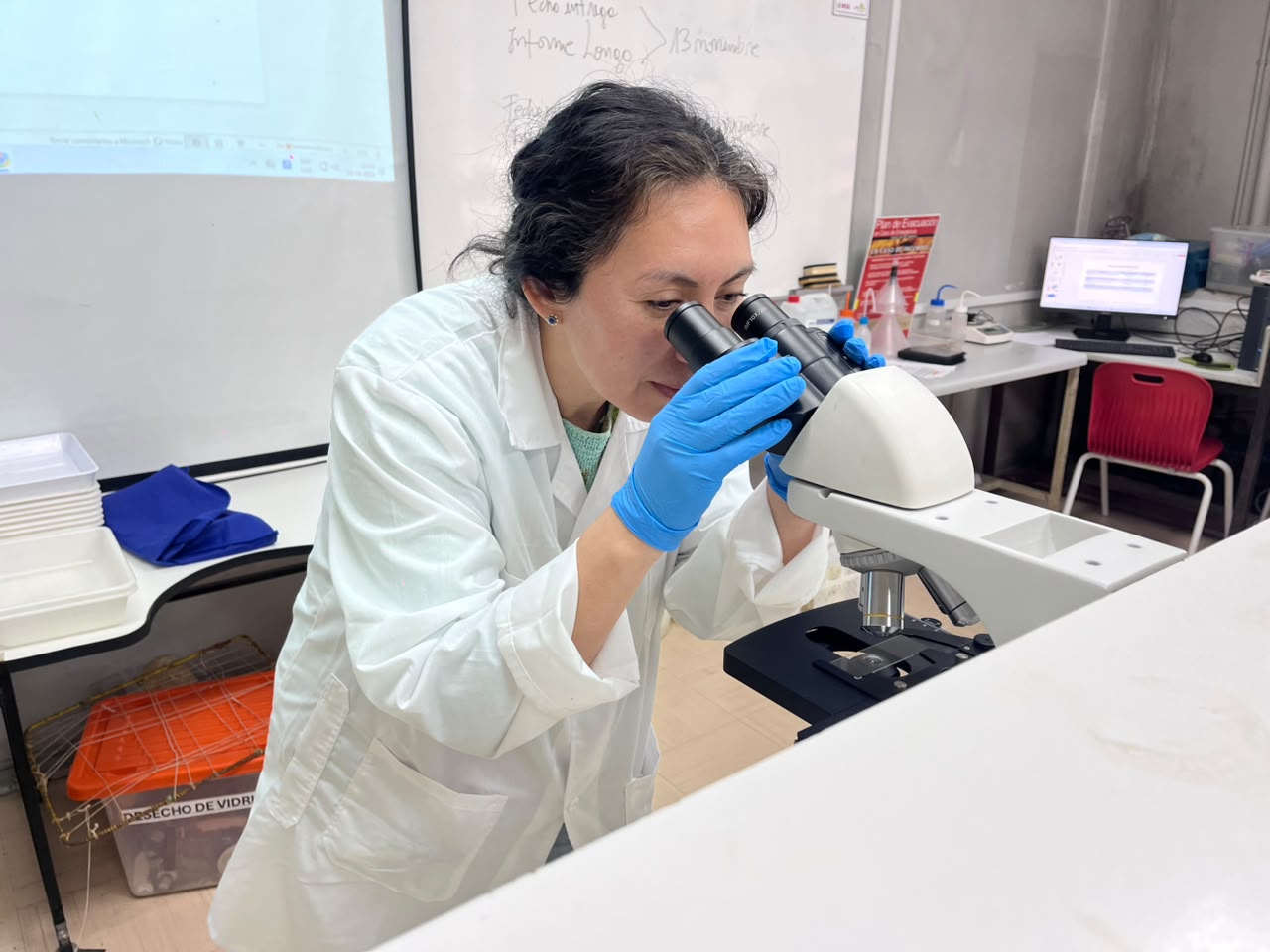
“My understanding is that the measure aims to strengthen the monitoring that various institutions already carry out so that we can detect a red tide early. That allows us to take the necessary steps, such as stopping further shellfish harvesting in affected areas, and to anticipate the health risks these events may pose,” she explained.
In these circumstances, it is essential to buy seafood from authorised establishments and observe any health restrictions that may apply in particular coastal areas.
Coordination among public institutions, research centres and coastal communities is essential to improve the response to these events.
The contribution of science to prevention
Research on harmful algal blooms seeks to identify the species involved, understand what favours their growth and determine how they affect marine organisms.
Scientific research and environmental and public health monitoring programmes improve the tools available for assessing risk and making decisions.
Dr Andrade stressed that including Biobío among the 15 regions covered by the government declaration does not mean there is a blanket ban on harvesting or consuming seafood.
“It is important to stress that this measure does not prohibit harvesting or eating shellfish. It is a preventive step designed to detect a harmful algal bloom early if one occurs, so that we can then decide what action to take,” the researcher said.
HAB research is particularly relevant to regions with close ties to the sea, such as Biobío, where artisanal fishing, marine biodiversity and coastal industries are central to the region.
Strengthening research, monitoring and science communication can help authorities anticipate these events and protect both public health and marine ecosystems.