Studies on floating flight, interactions with parasites, associated fungi and epiphytes defenses will be presented at the main global algae event that began this Sunday.
From 8 to 13 June, researchers from the Millennium Nucleus of Algas Marine Agronomy (MASH) hosted by the University of Los Lagos, Pontificia Universidad Católica de Chile, Universidad Austral de Chile and Universidad de Chile, will participate in the 13th edition of the International Congress of Physicology (IPC13), to be held in Panglao, Philippines, with posters scientists and presentations.
The event, organized by the International Society of Physicology (IPS), brings together specialists from around the world to share the latest advances in biology, ecology, genomics and algae applications.
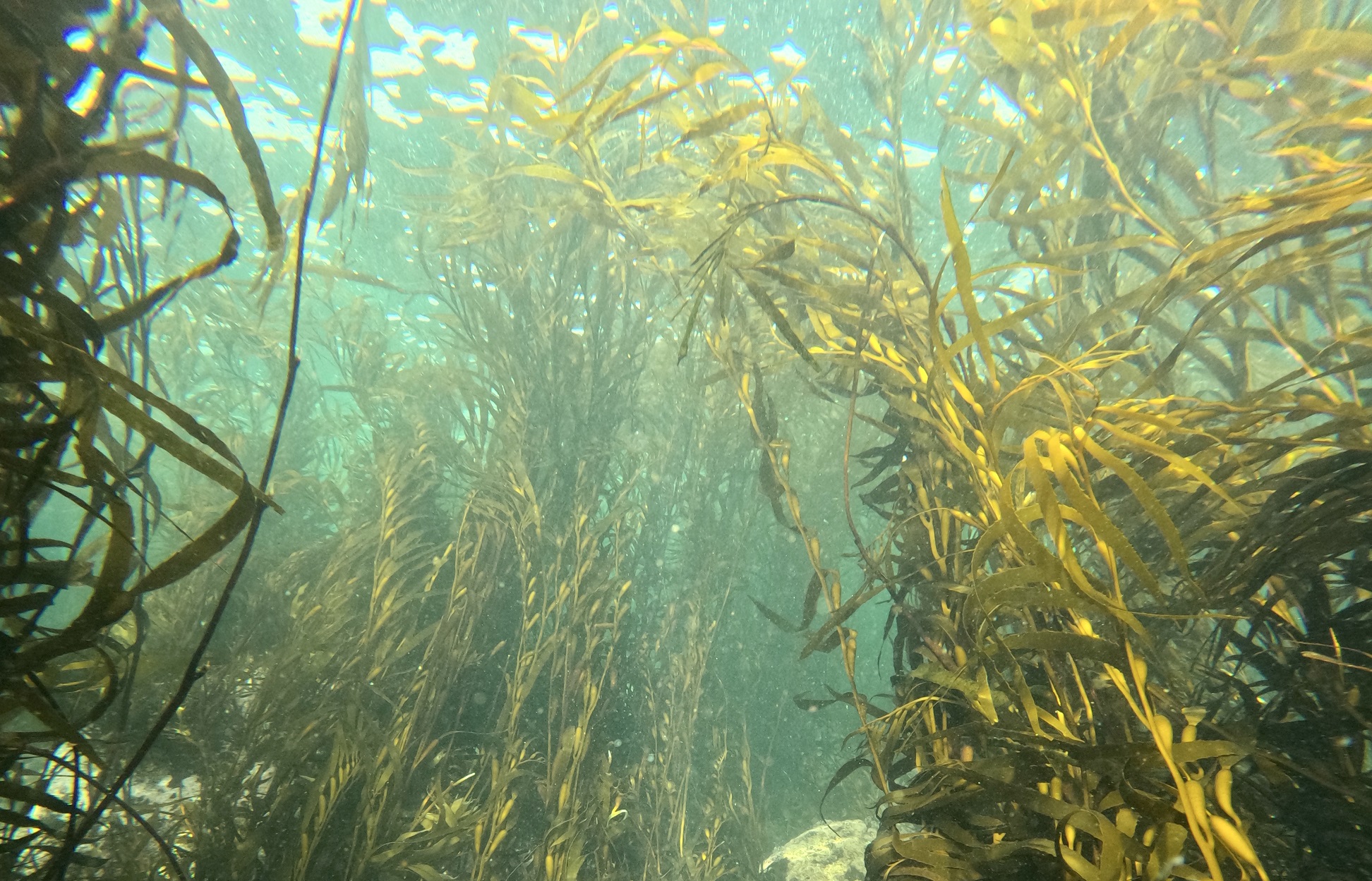
From the i~mar Center of the University of Los Lagos, the researcher Pamela Fernández will present the oral presentation "Ecotypic differentiation in populations of Macrocystis pyrifera: Implications for the species’ aquaculture in Southern Chile", which addresses the ecological differentiation of stocks from flotation and their relevance for national aquaculture.
Also from the i~mar center, Liliana Muñoz present three studies: “Culturable fungil members of Gracilaria chilensis holobiont: Towards an unified model of funginhabiting seaweed isolation and management under laboratory”, “Determination of Maullinia in Durvillaea spp. from Chile and stranded Individuals from Antarctica Using RT-qPCR Analysis”, “Fermentation of giant brown kelp Macrocystis pyrifera by natural microbiota and Lactiplanbacillus plantarum: Assessing the impact of organizational additives”. In the first, he talks about cultivable fungal limbs associated with the holobion. Gracilaria chilensis; the next on parasite detection Maullinia en Durvillaea spp. of Chile and Antarctica and the third on the fermentation of the giant flight with natural microbiota and Lactiplantibacillus plantarum.
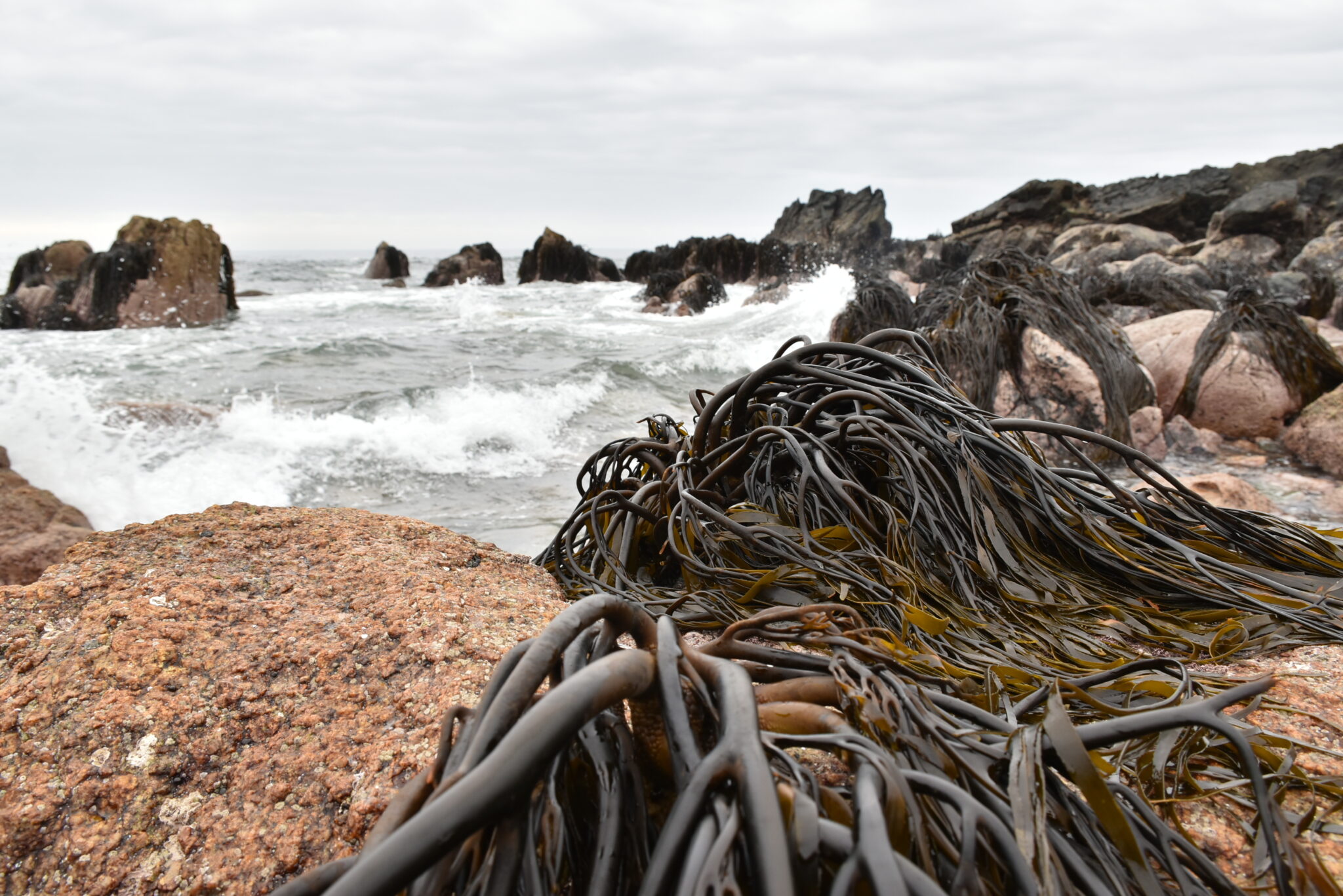
By the Institute of Aquaculture and the Environment of the Universidad Austral de Chile, Pedro Murúa present the investigation "Relations between Maullinia braseltonii (Phytomyxea, Rhizaria) pervasiveness and Durvillaea incurvata community structure", which explores the ecological impact of outbreaks of this cochayuyo disease on its intertidal environment.
From the Pontifical Catholic University of Chile, Sylvain Faugeron expound "Towards a marine agronomy of seaweed holobionts"proposing a comprehensive approach to algae symbiotic communities and their potential use in aquaculture. For her part, the researcher Sara Usandizaga submit "High sensitivity and active responses of the red alga Gracilaria chilensis to early infection stages of different epiphyte species", centered on the physiological defenses of this species against epiphyte organisms.
For the director of the Millennium Core MASH, Carolina Camus, participation in this global event "stresses the key role of our macroalgae in coastal ecosystems and sustainable aquaculture, together with reinforcing the importance of Chilean research in physiology."