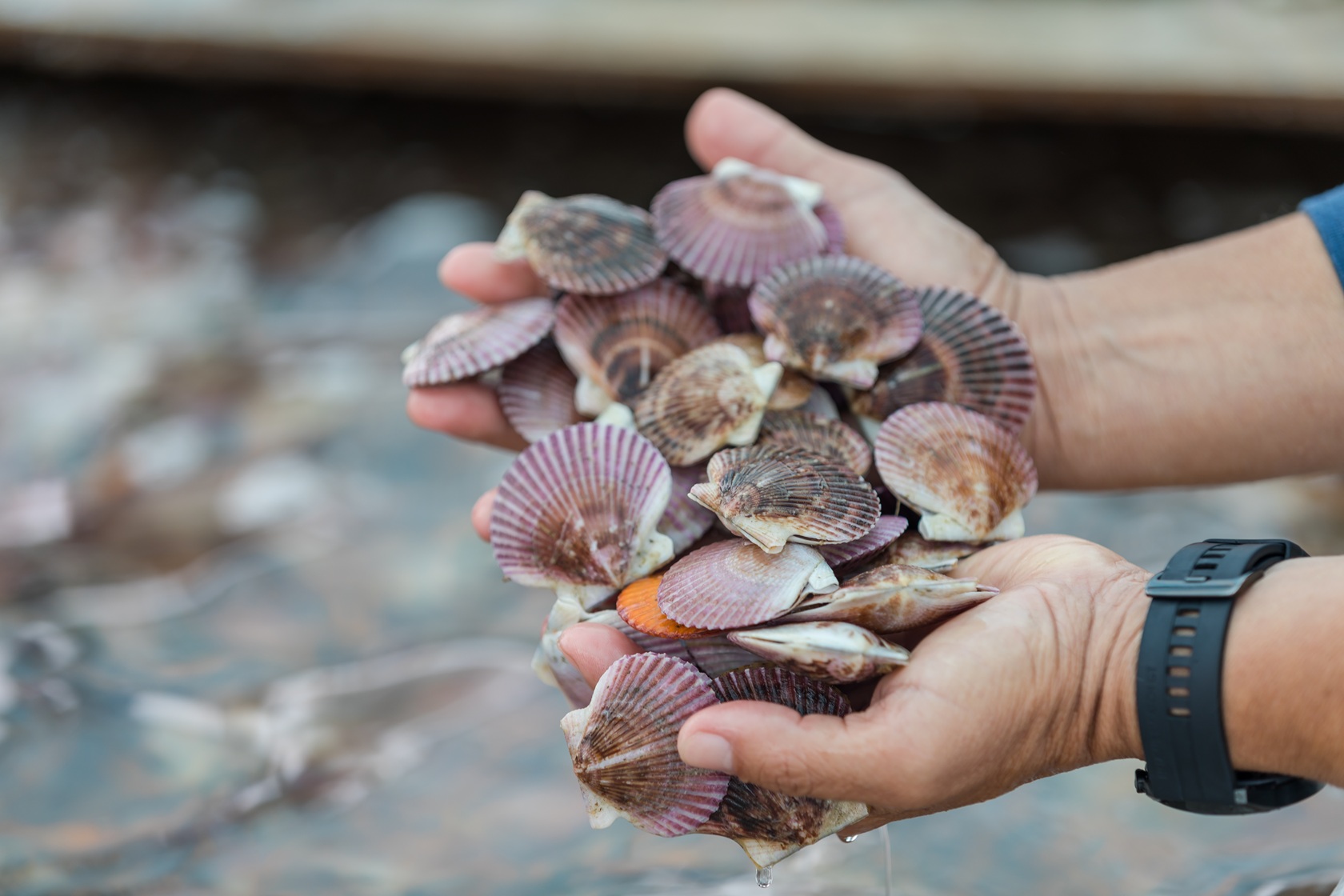
The initiative funded by the Coquimbo Regional Government through the Regional Fund for Productivity and Development (FRPD) aims to reduce dependence on northern oyster seed and strengthen the productivity and sustainability of regional aquaculture.
Focusing on sustainability and territorial development, the AquaPacífico Aquaculture Technology Centre has started the first activities of the project "Aquatic Seedbed: Sustainability for Regional Development", an initiative funded by the Coquimbo Regional Government through the Regional Fund for Productivity and Development (FRPD).
The project, led by Dr. Katherine Alveal, a scientific researcher from AquaPacífico, is currently in its initial phase, corresponding to the assessment of available infrastructure for the establishment of the nursery, a key stage for the implementation of a regional oyster seed laboratory in the north.Purple scallop), emblematic resource of aquaculture in the region.
The initiative aims to address one of the main gaps currently faced by the regional aquaculture activity: dependence on the supply of seeds, a situation that directly affects the continuity and costs of production cycles.
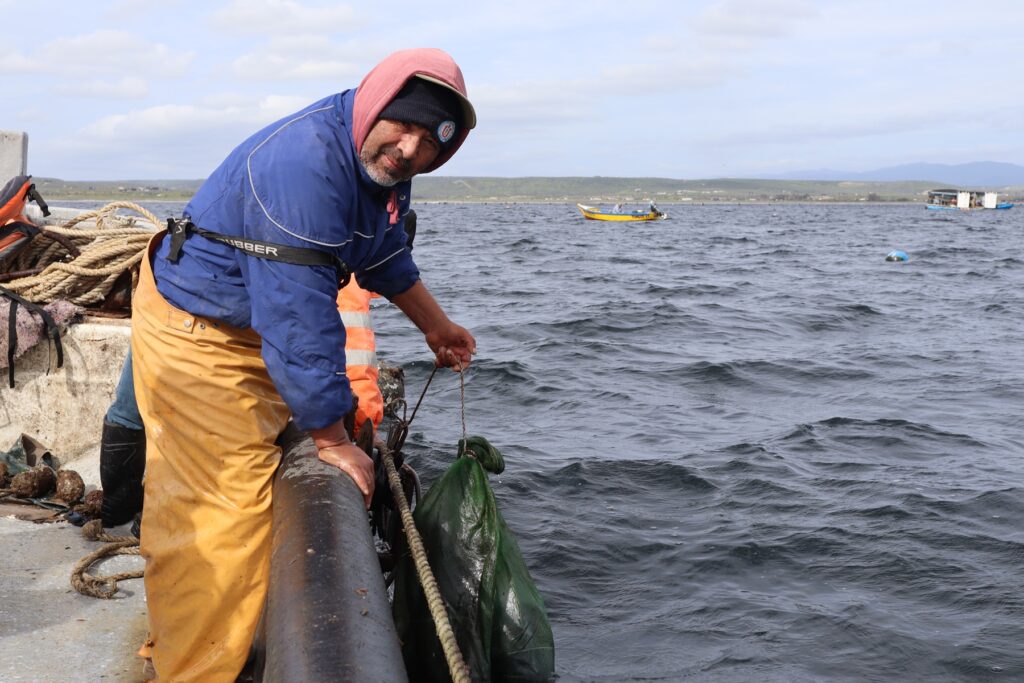
The regional governor, Cristóbal Juliá, highlighted that this project is part of the strategy driven by the Regional Government to strengthen strategic productive sectors through innovation and technology transfer.
"This project reflects the bet we are promoting from the Regional Government to strengthen our productive sectors through innovation and technological development. We want to generate more autonomy, competitiveness and opportunities for those who live from aquaculture, strengthening an key activity for the economic development of the Coquimbo Region," he said.
For Claudia Soto, Executive Director of the AquaPacífico Centre, this initiative represents a concrete advance in the regional productive development strategy, as it allows progress towards greater productive autonomy of the aquaculture activity, reducing external dependence on a critical input such as seed.
"Meanwhile, it strengthens small-scale aquaculture with technological capabilities and local human resources, thereby from AquaPacífico we are contributing to promoting a more autonomous, sustainable and territorially integrated model, in line with the challenges of economic diversification and generation of opportunities for the Coquimbo Region", he specified.
Addressing a structural gap in regional aquaculture
The Coquimbo Region has historically led the cultivation of northern ostion. However, it faces a critical constraint: dependence on seed supply, which directly impacts on the continuity and costs of production cycles.
“This project seeks to resolve a structural gap: the lack of regional infrastructure for the continuous production of high quality seeds. From a strategic perspective, this will reduce logistical costs, mitigate health risks associated with the transfer of biological material and ensure that the productive benefits remain in the territory,” explained Dr. Alveal.
In this context, the initiative proposes the implementation of a pilot seedbed that will allow progress towards the productive autonomy of the sector, strengthening resilience to scenarios of environmental change and market fluctuations.
Technological innovation for sustainable production
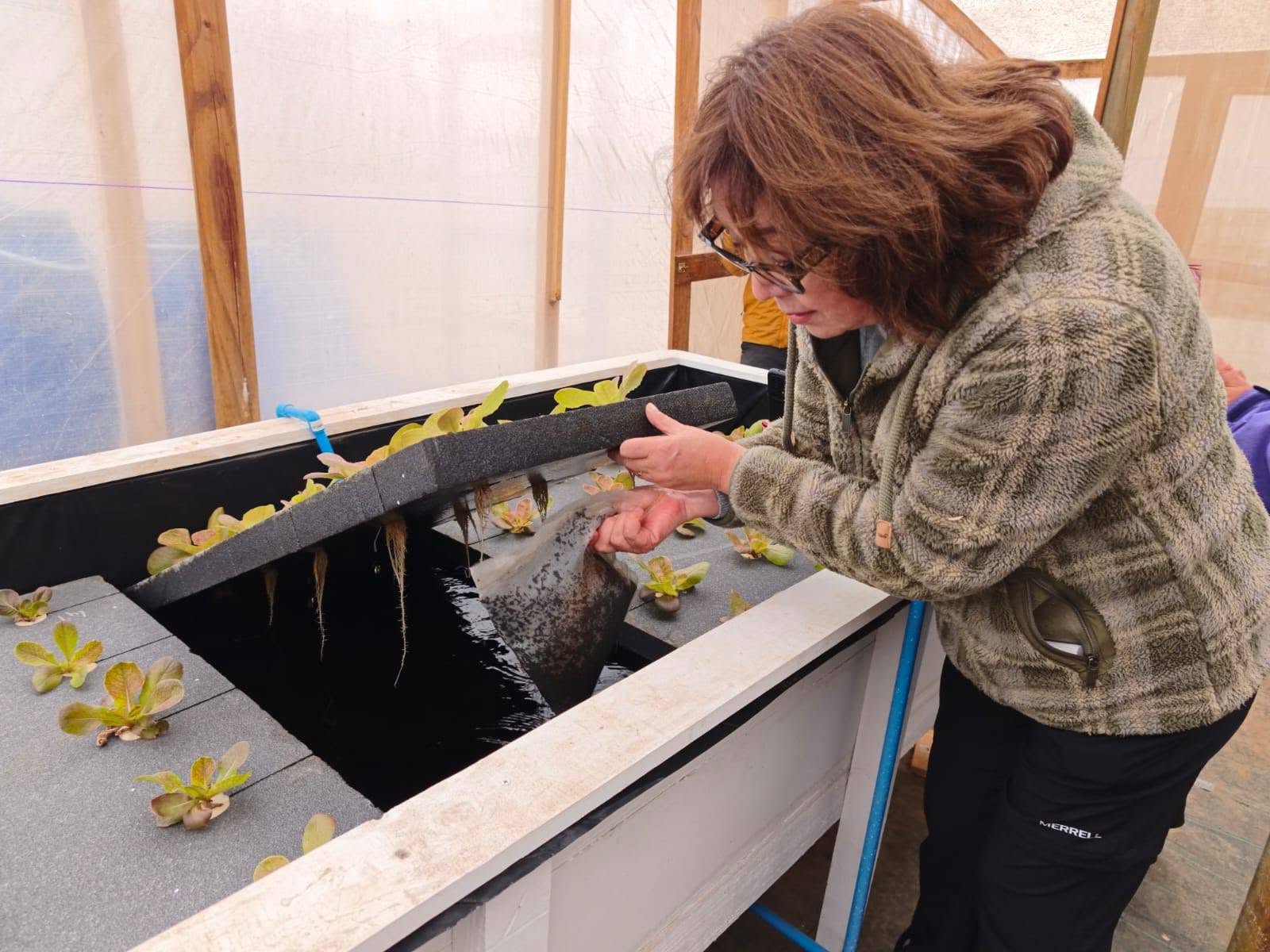
One of the distinctive elements of the project is the incorporation of advanced technologies for aquaculture production, particularly microalgae cultivation systems in photobioreactors, fundamental for larval feeding.
This integral production model contemplates the entire cycle, from the maintenance of breeders to the production of seeds, incorporating closed and controlled systems that ensure greater efficiency and quality.
“The implementation of photobioreactors allows microalgae to be grown in controlled conditions, achieving greater cell density, microbiological purity and a continuous supply of living food, which is key to improving survival rates in early stages,” the researcher explained.
At present, two strategic alternatives are being analyzed to house the seedling: the Tongoy Aquaculture Center and the Awabi Center of the Catholic University of the North, both with favorable technical and logistical conditions.
Technology transfer and capacity building
Beyond its productive component, the project incorporates a strong emphasis on technology transfer and local capacity building.
During its 24 months of execution, the training of actors of the sector in techniques of cultivation, marketing and management of aquaculture businesses, together with the implementation of a model of linkage with the technical aquaculture lyceum of Tongoy.
“We seek to empower artisanal fishing organizations and producers through the transfer of efficient technologies, but also to form human capital. The reactivation of school cooperatives and the link with technical lycées will allow the development of the sector to be projected towards the new generations,” said Alveal.
In parallel, a model of territorial governance will be developed that will articulate public, private and academic actors, with the aim of ensuring the operational continuity of the seedling after the completion of the project.
Among the main expected results are the operation of a regional seedling of oysters, the production of quality seeds, the generation of microalgae biomass on a scale and the development of technical tools that contribute to the strengthening of small-scale aquaculture.
In this way, the Coquimbo Regional Government continues to promote initiatives that promote innovation, productivity and the strengthening of strategic sectors for sustainable economic development in the region.