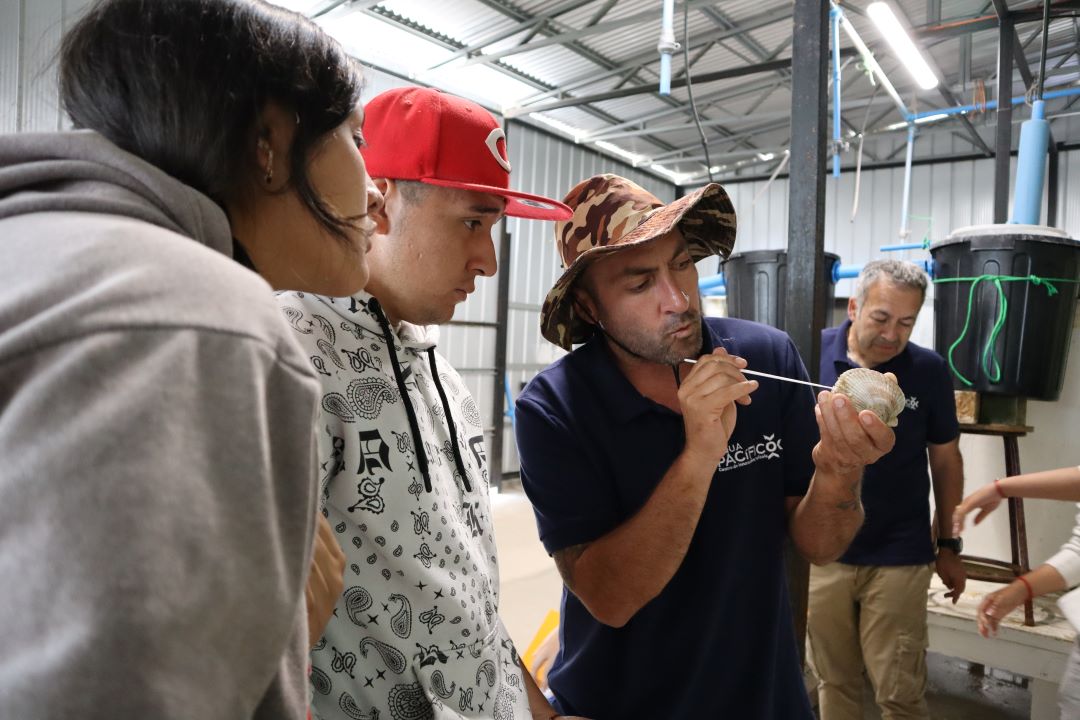
The activity allowed the transfer of knowledge through an induced reproduction exercise of the species.
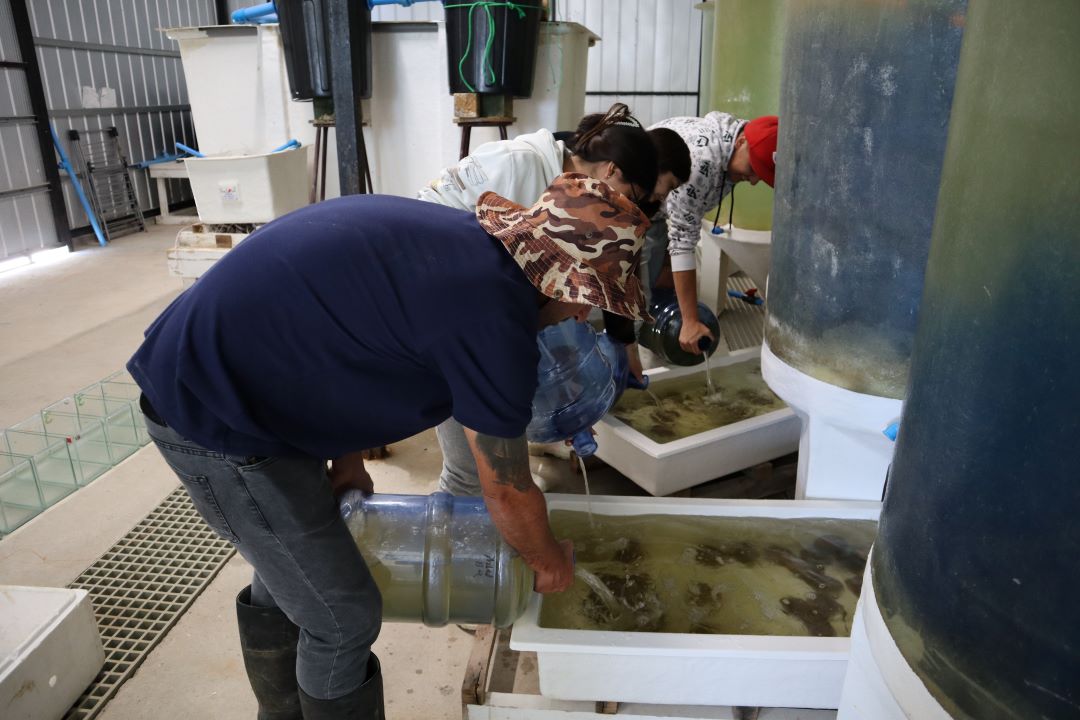
The workshop titled "Induction to Spawning of Northern Oysters (Purple scallop)", organized by the Aquaculture Technology Innovation Center (AquaPacific), which is supported by the National Agency of Research and Development (ANID), Foundation Chile (FCh) and the Universidad Católica del Norte (UCN), recently took place at the aquaculture facilities of Tongoy Polytechnic High School and aimed to present in a practical way the fundamental techniques and procedures for the obtaining of gametes, which through the process of fertilization, allow the generation of larvae and juveniles necessary for the productive cultivation of this species.
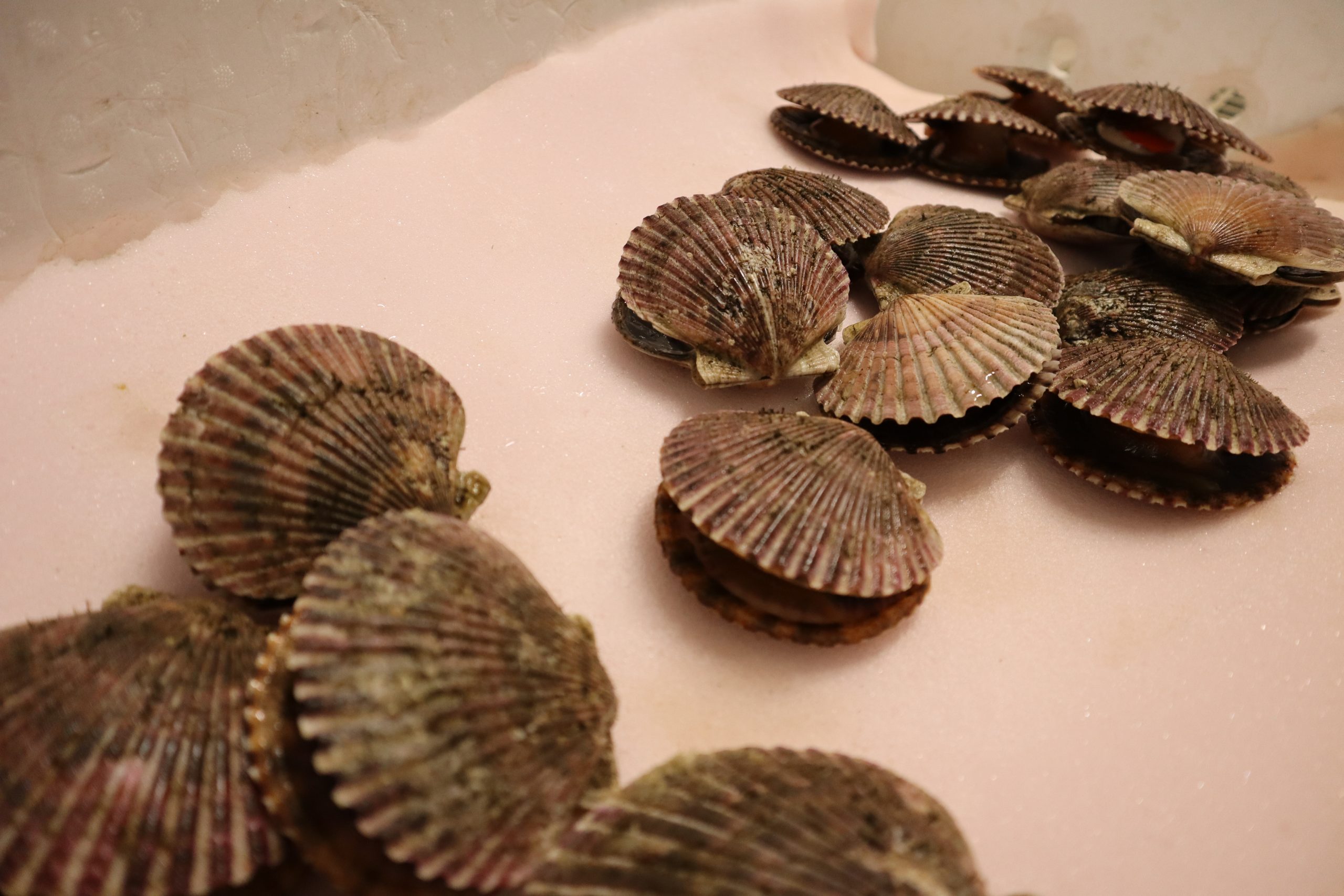
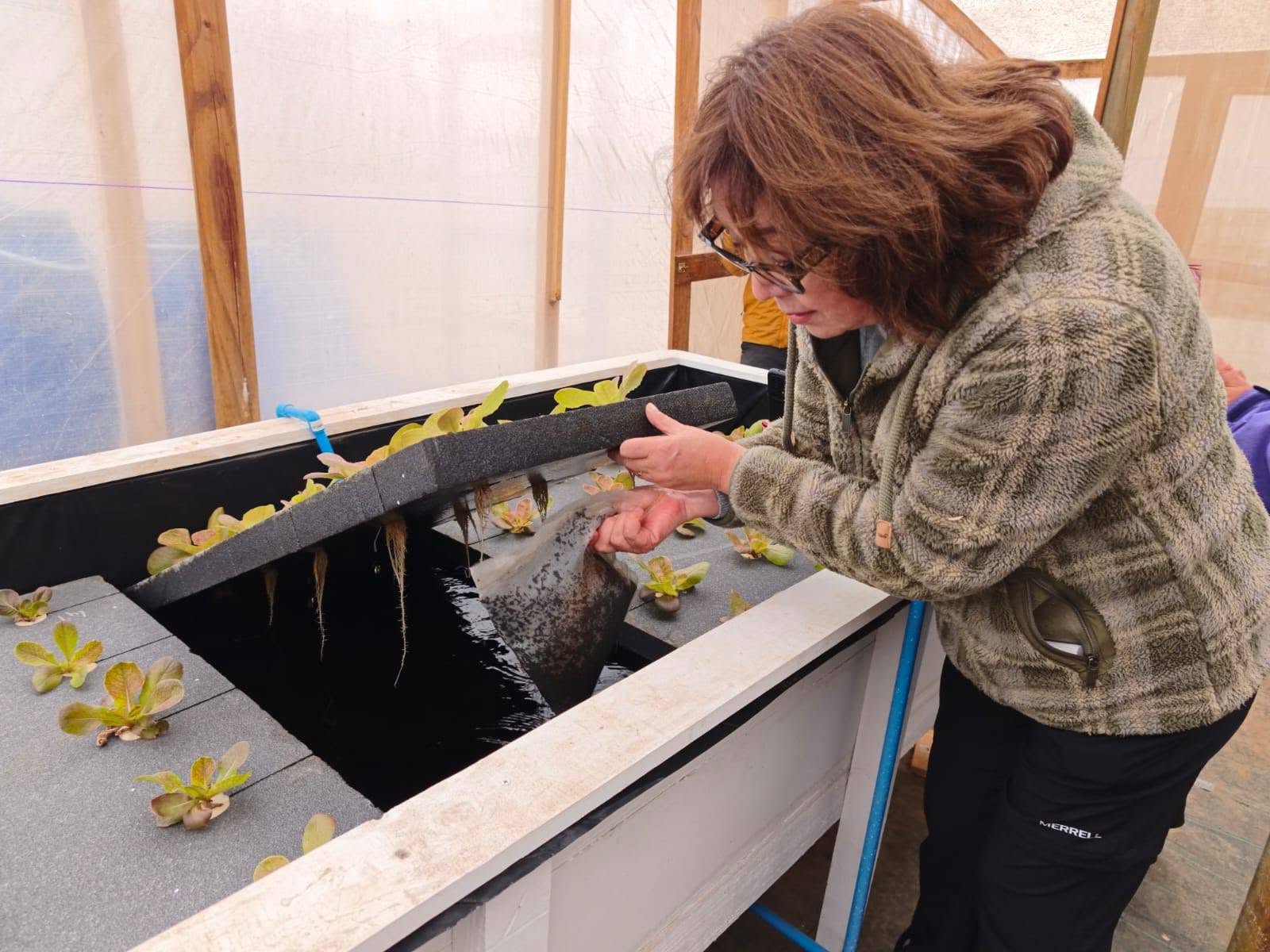
At the opportunity, four students graduates from the professional technical career in aquaculture, within the framework of their professional practice, they were able to develop each of the essential stages to spawning of breeders of ostion.
In that vein, AquaPacific's scientific researcher, Dr. Hernán Pérez, explained that the students applied an established protocol for the stimulation of release of gametes; procedure including subjecting ostiones to environmental changes as a means to achieve the goal of obtaining the required gametes.
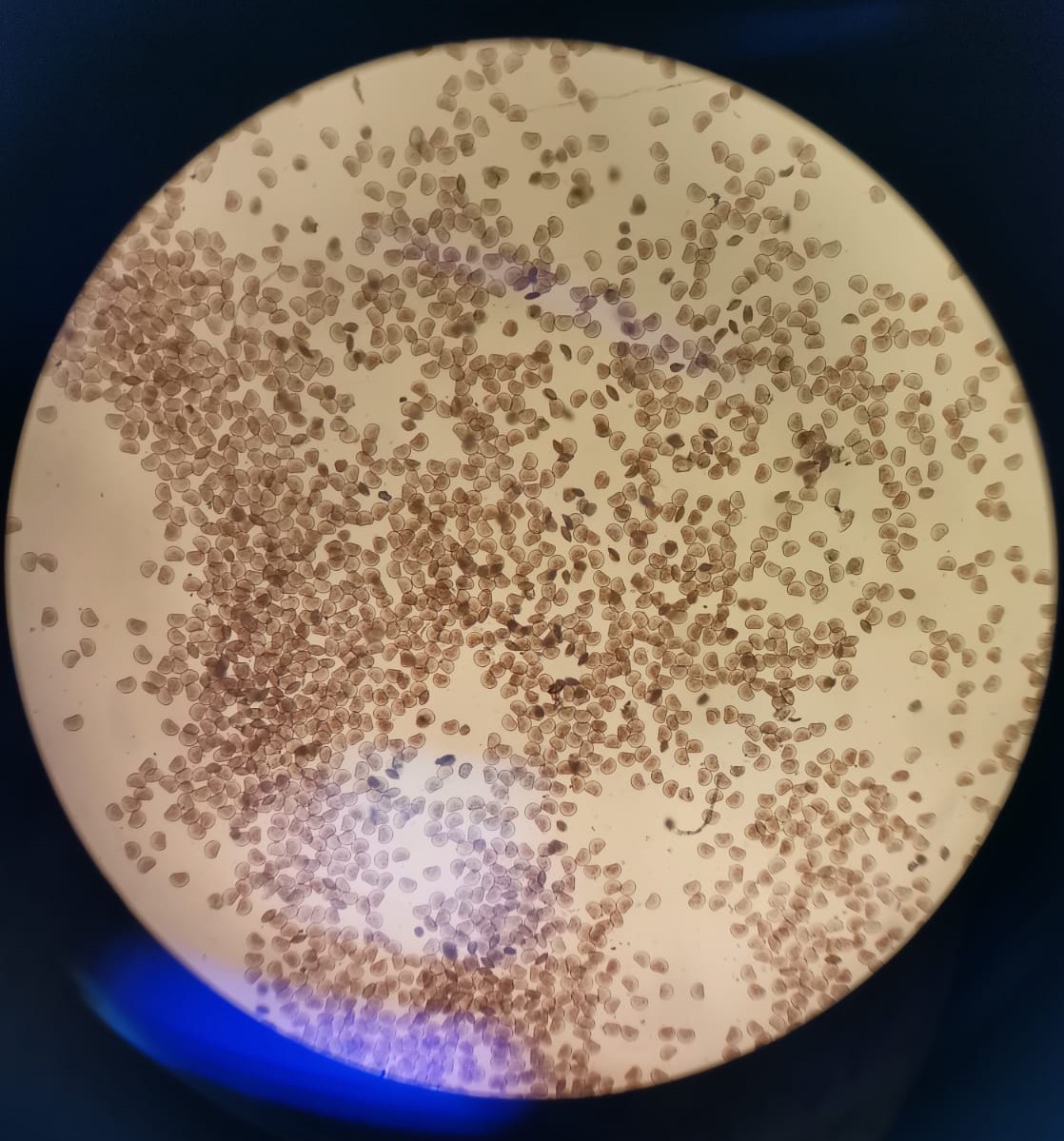
"This activity is part of an entire process for the production of seeds of the north ostion. Once sexually conditioned the breeders of this species, it is necessary to identify those who are prepared to generate viable gametes for obtaining larvae and juveniles. This identification plus the protocol for gamete release stimulation, with key processes for seed production in a hatchery", the specialist detailed.
By their part, Oscar Leiva, professor of the technical-professional area in aquaculture of the Liceo de Tongoy, commented that for the students the workshop meant concrete the knowledge acquired in the classroom.
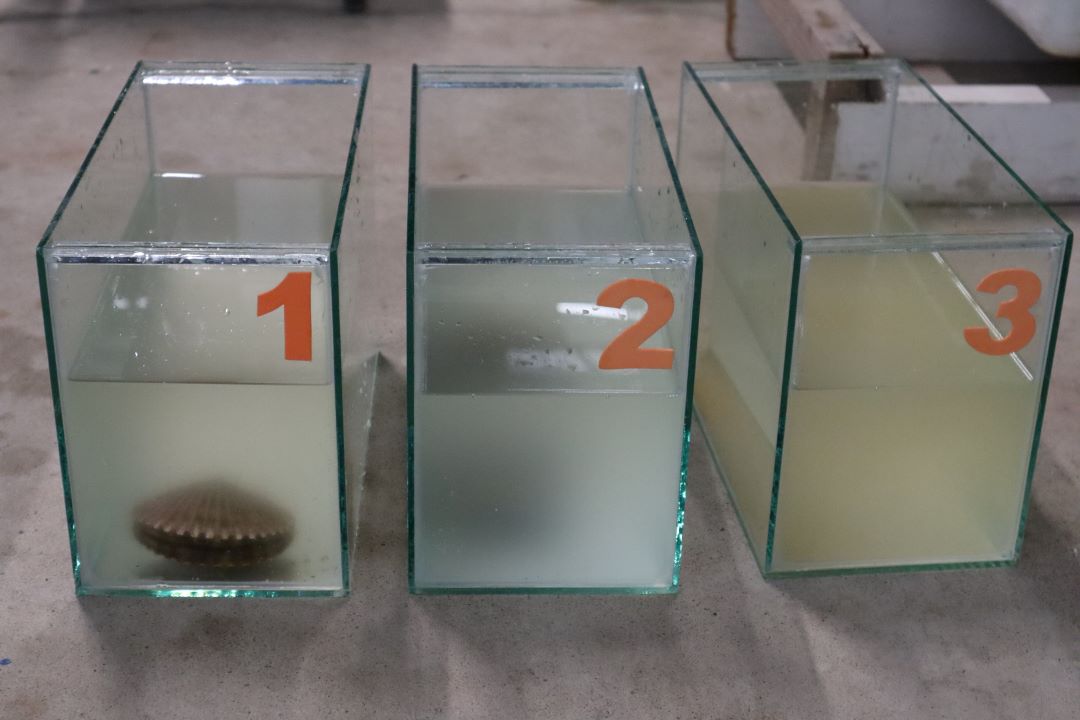
"This they had not seen before since there are some difficulties to get out on the ground and when we make visits to the Catholic University of the North for example, where they carry out these experiences, we don't always agree with a spawning or sometimes don't turn out. So, now that we have put it into practice and that students participate 100% of the activity, it means giving them that knowledge that doesn't have it by anyone, regardless of what their future decisions are. It is to bring the theoretical to the practical in a concrete situation," said Oscar Leiva.
The student in practice graduated from the middle-year Lyceum of Tongoy, Elias Ogalde, commented that in classes they had seen the theoretical part of ostion spawning, but did not have the possibility to carry out the practical exercise. "Never like this manipulating the species," expressed.
"The experience was good, I had never seen it, I did not know how they reproduce or how the process was to generate more specimens of oysters. It was a entertaining and didactic activity In which he learned enough," added Elias Ogalde.
The activity is part of the implementation of the project entitled "Technology transfer for continuous osthion seed production", financed by Competitiveness Innovation Funds of the Regional Government of Coquimbo (FIC-R).
*Photos: courtesy of AquaPacific.