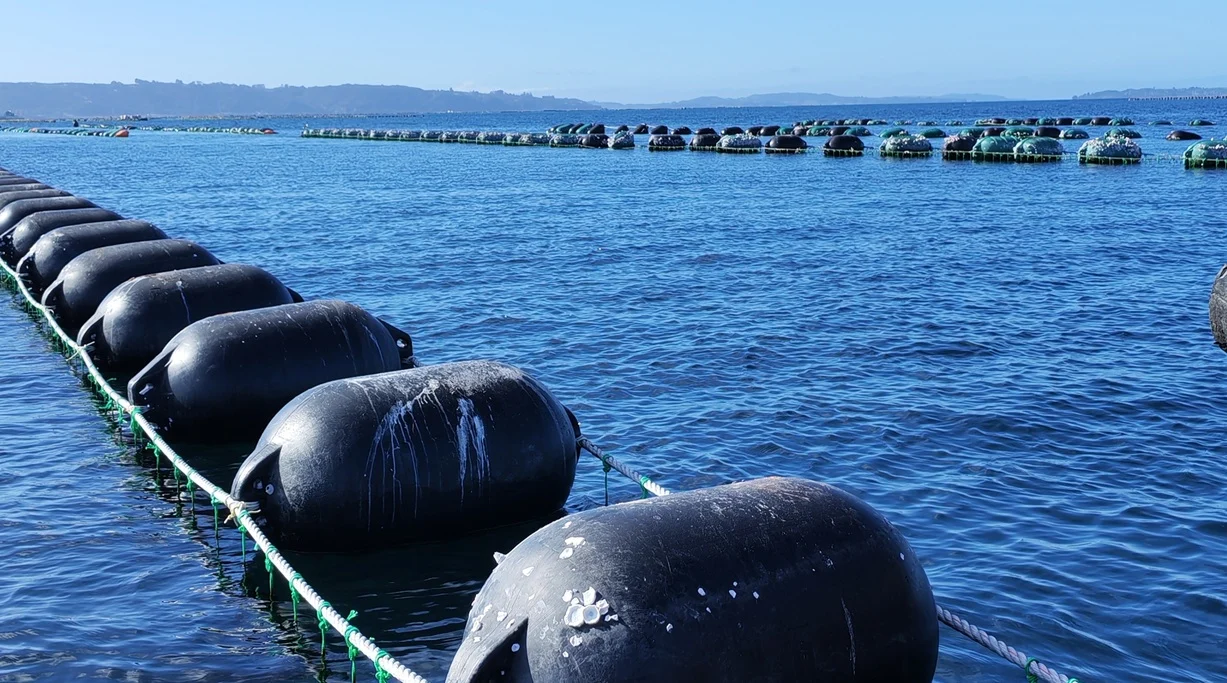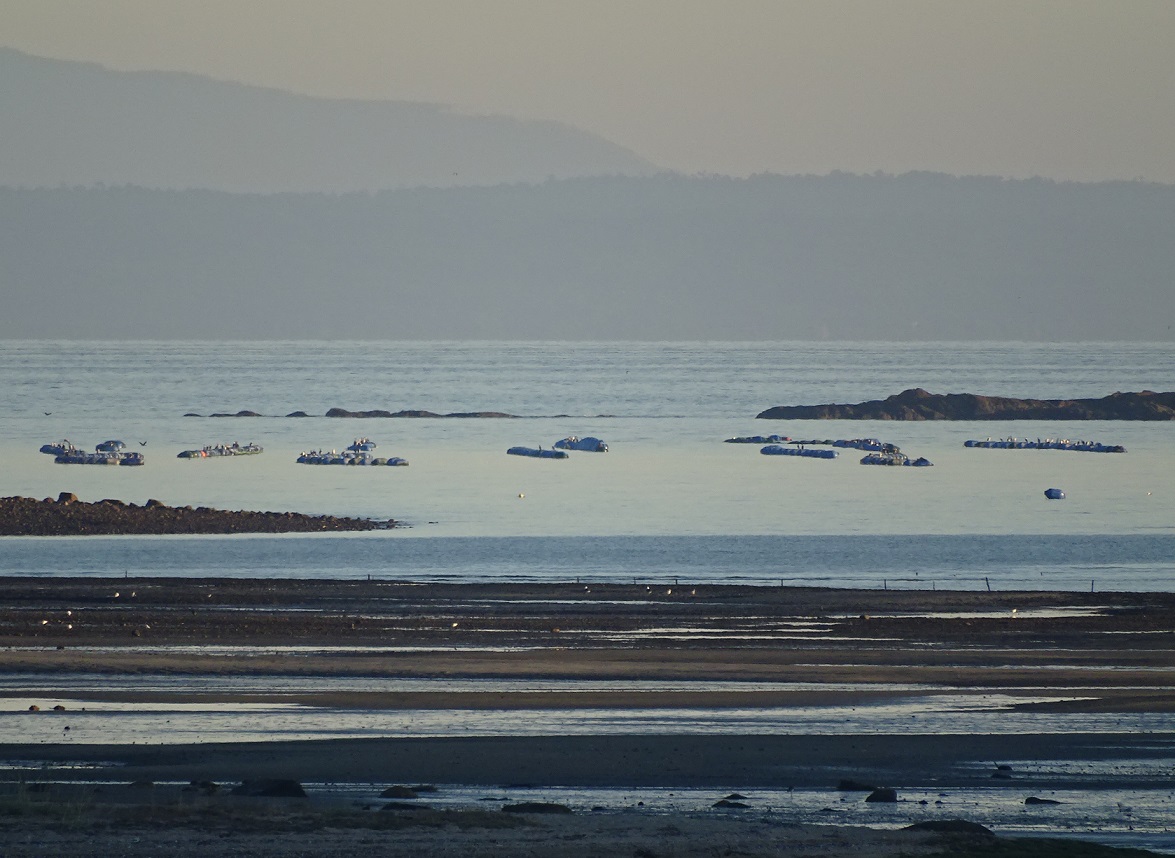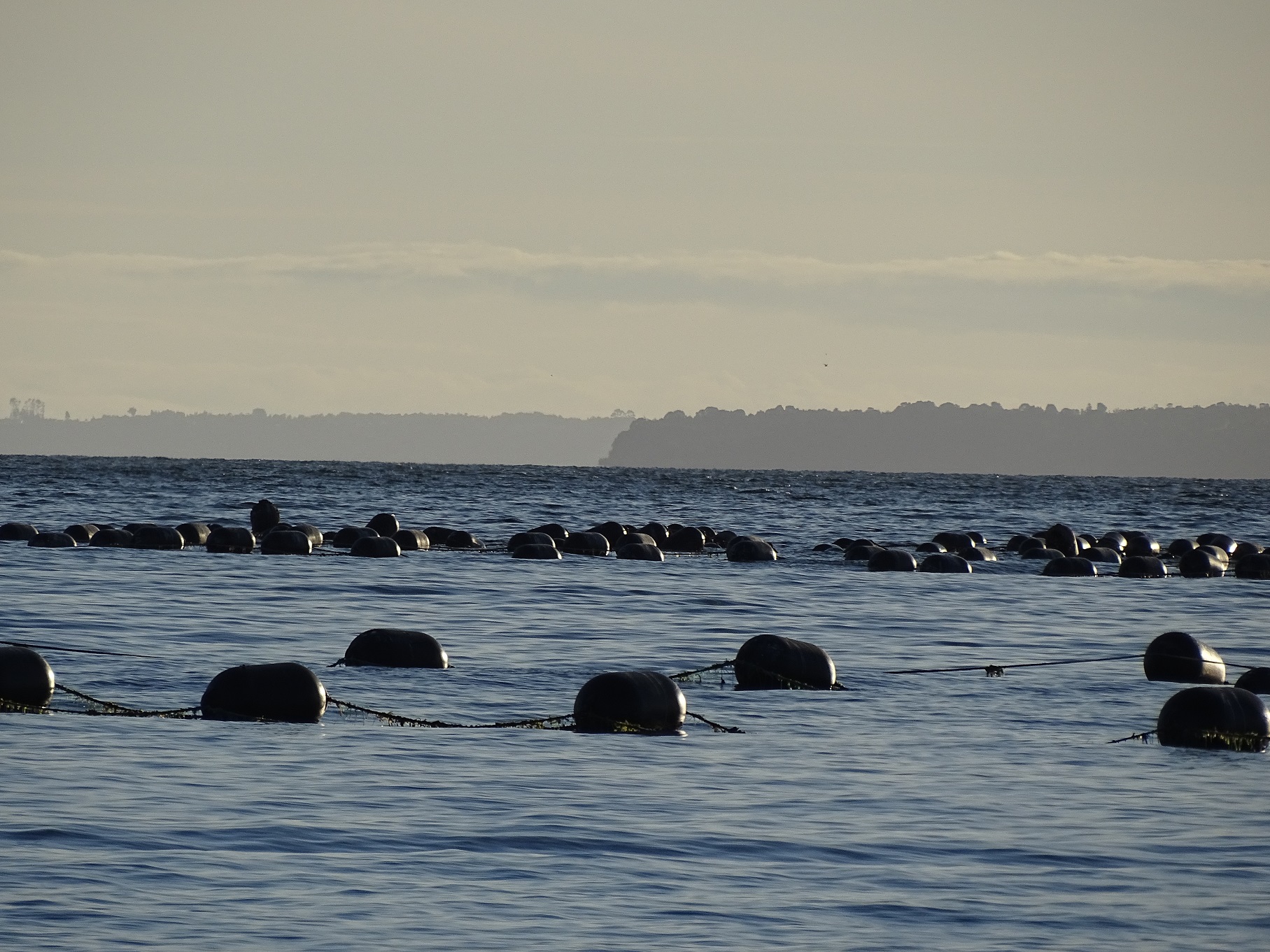
Mussel farming centers are concentrated in the Los Lagos region and have a distribution that is complex to monitor.
The authorities of the Subsecretariat of Fisheries and Aquaculture (Subsecretariat), the National Service of Fisheries and Aquaculture (Sernapesca) and the Environmental Superintendence (SMA) signed in the premises of the Ministry of Economy, Development and Tourism (Minecon)- a collaboration agreement that seeks to promote the monitoring of aquaculture projects associated with mussel farming centers which are installed in the southern part of the country, mainly in the Los Lagos region. This agreement follows the work carried out jointly, within the framework of the National Environmental Inspection Network. (Renfa).
In particular, the agreement seeks to facilitate the information exchange among services, in order to be used within the scope of the competencies of each institution.
The mussel farming activity has had a exponential development in the last years, consolidating as an industry that produces around 430 thousand tonnes per year, being the second activity economic in aquaculture of the country -after salmon farming- and positioning Chile as the world's leading exporter of clams (Chilean mussel, known as mussels in international markets, and the second largest producer in the world after China.
Read more » In the middle of winter: Achieve an important aquaculture milestone
You may also be interested in » In northern Chile: They are promoting the cultivation of cojinoba
Due to the above, and given the environmental impact that this activity can generate in increasing growth, Subpesca, Sernapesca and the SMA have established a workshop to adapt the monitoring, control and surveillance processes, and thus promote regulatory compliance.
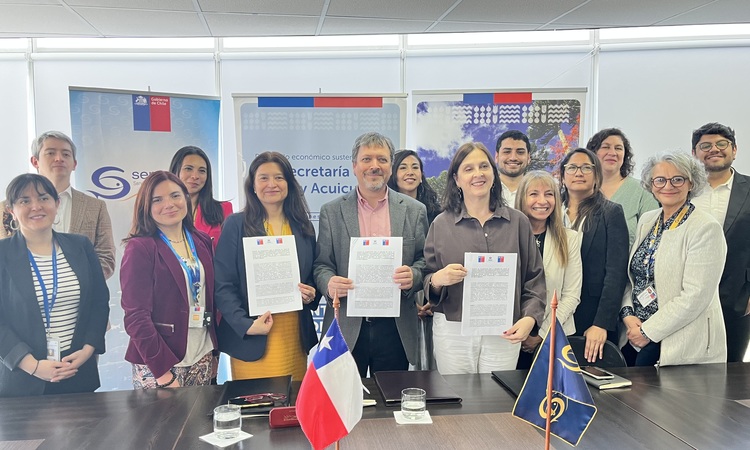
"This agreement is good at multiple dimensions", said the Undersecretary of Fisheries and Aquaculture, July Salashighlighting the role of mussel cultivation as "a very important economic activity since Chile is the first exporter and the second producer of this resource. It's a challenge to maintain their productive performance in a sustainable manner," he added.
Then, the helmsman of the Subpesca explained that this inter-sectoral articulation, which includes both control agencies (Sernapesca and SMA), " translates into a effort which starts with a very basic element today, which is to share information, but which ultimately leads us to try to have a State approach to carry out work on monitoring. So happy to get to this instance."
For her part, the national director of Sernapesca, Soledad Tapia, detailed that they are formalizing the work that they have already been doing for some time with the SMA and the Subpesca through a collaboration protocol to coordinate the respective competences of the institutions, "in order to define and standardizing procedures, criteria, methodologies and specific control techniques, facilitating the exchange of information to speed up the processes carried out by each agency," he emphasized.
While the environmental superintendent, Marie Claude Plumer, said that this agreement seeks to establish a better coordination between the three institutions, both for the control of this field and for the transfer of relevant information that allows monitoring the production of mussel cultivation centers. "This undoubtedly represents a great challenge because of the specific characteristics of the centres, since most of them are of small scale, with high rate of informality or are located in remote places and difficult to access", stressed the authority of the SMA.
Read more » Deliver up to 30 million for small-scale aquaculture projects
As of September 2024, they are more than 3.200 cultivation centres registered in the National Register of Aquaculture (RNA) of Sernapesca, of which, near 1.200 have a concession granted for the cultivation of molluscs.
You may also be interested in » Algueros diversify into oyster farming
* Credits from the featured photo: Partnerfish | Aquaculture Directory | Seafood Chile.