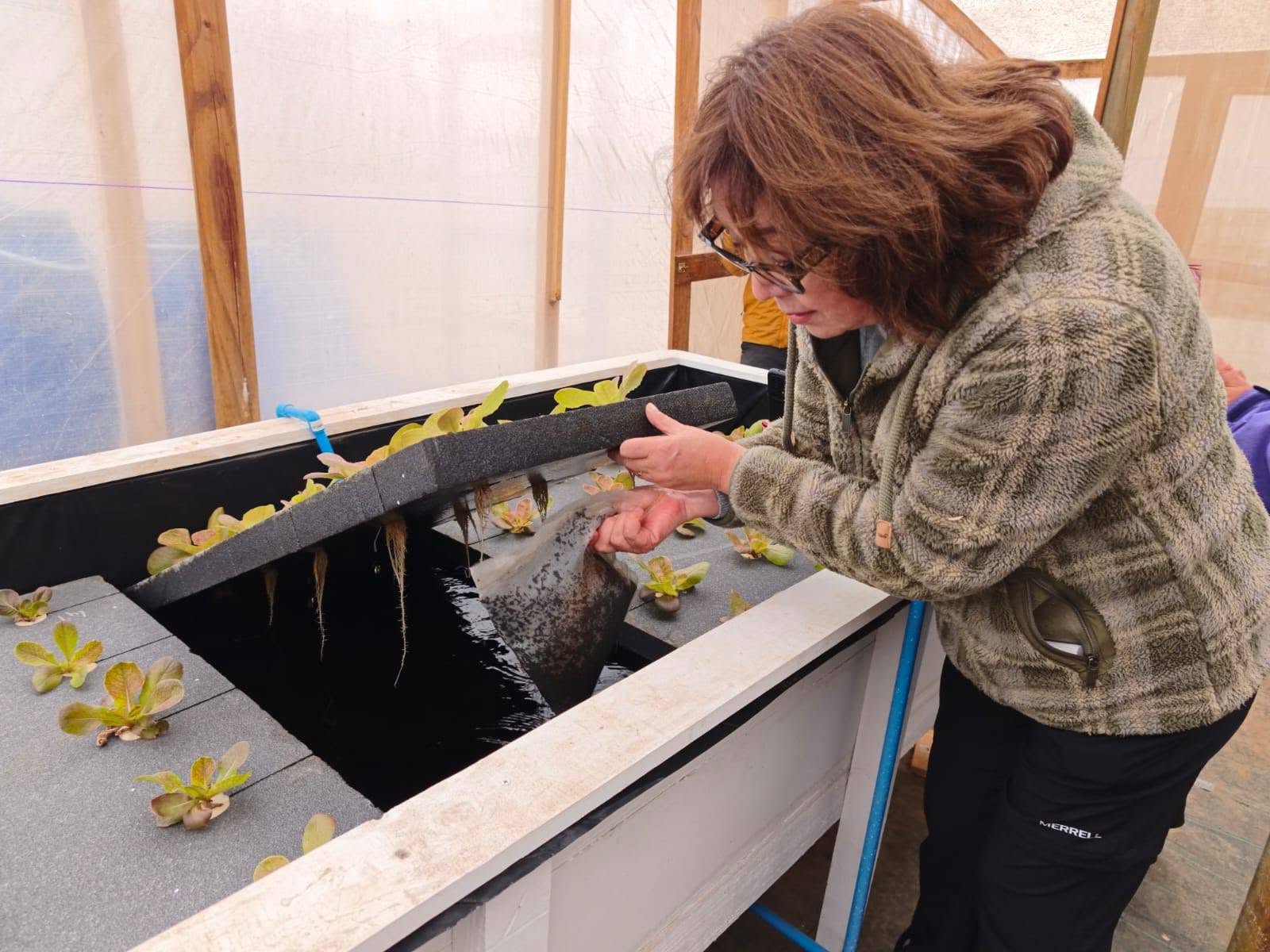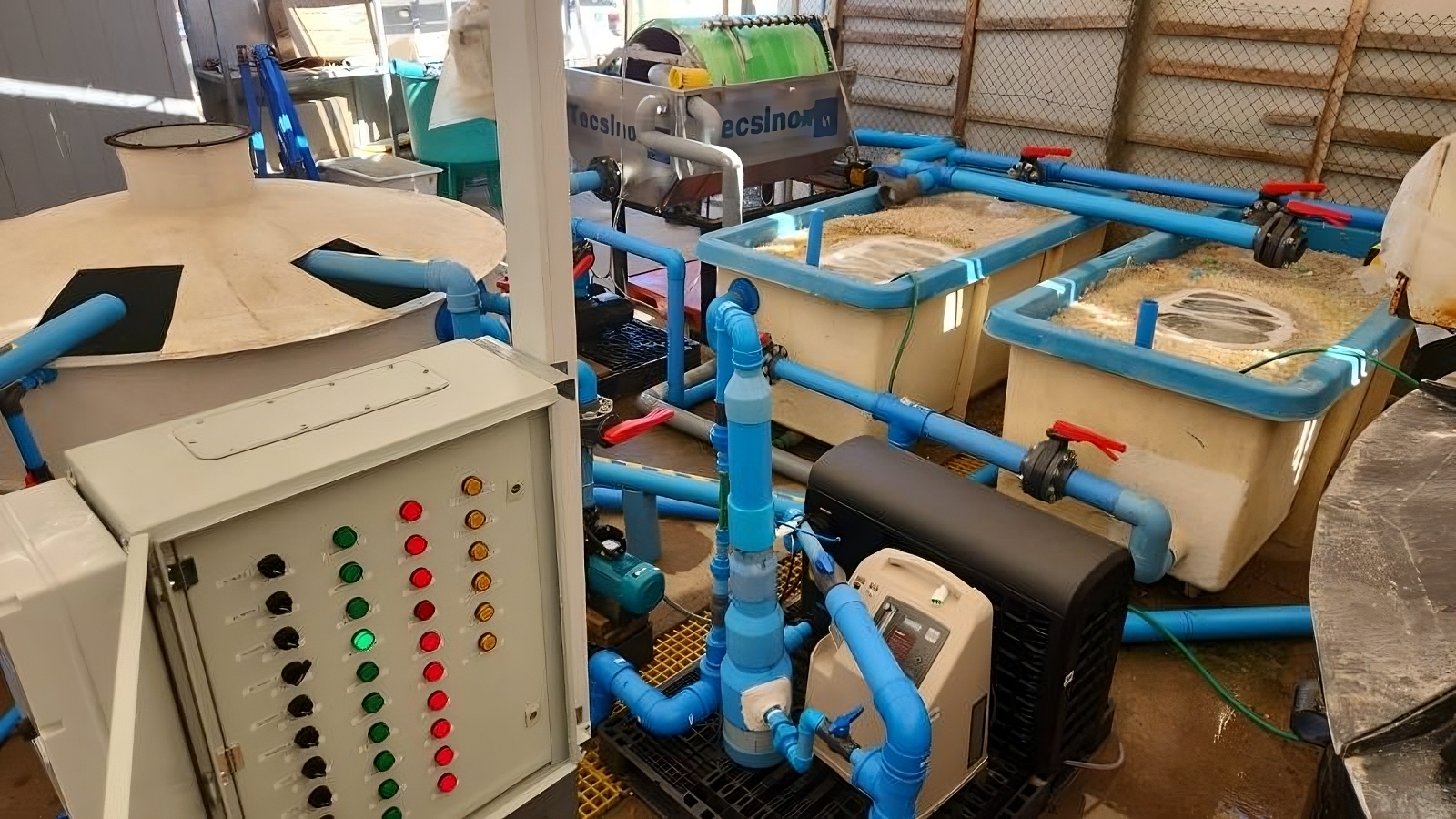
The RAS system is a controlled and environmentally sustainable technology, which allows the species to maximize its growth in the fattening phase.
With the aim of producing northern cojinoba (Seriolella violacea) between 500 and 700 grams, the Fish Cultivation Laboratory of the Faculty of Marine Sciences (FCM) from the Universidad Católica del Norte (UCN) implemented an intensive farming technology and the northern cojinoba technological package in the fattening stage in a land-based recirculation system (RAS).
As currently there is instability in the catches from the northern cojinoba fishery, with a decline in extraction recorded in recent years, Marcia Oliva Arriagada, who is in charge of the Fish Laboratory of Aquaculture Department from FCM and director of the project, stated that the implementation of this technology for the fattening of juvenile cojinoba from the north is unique in Chile.
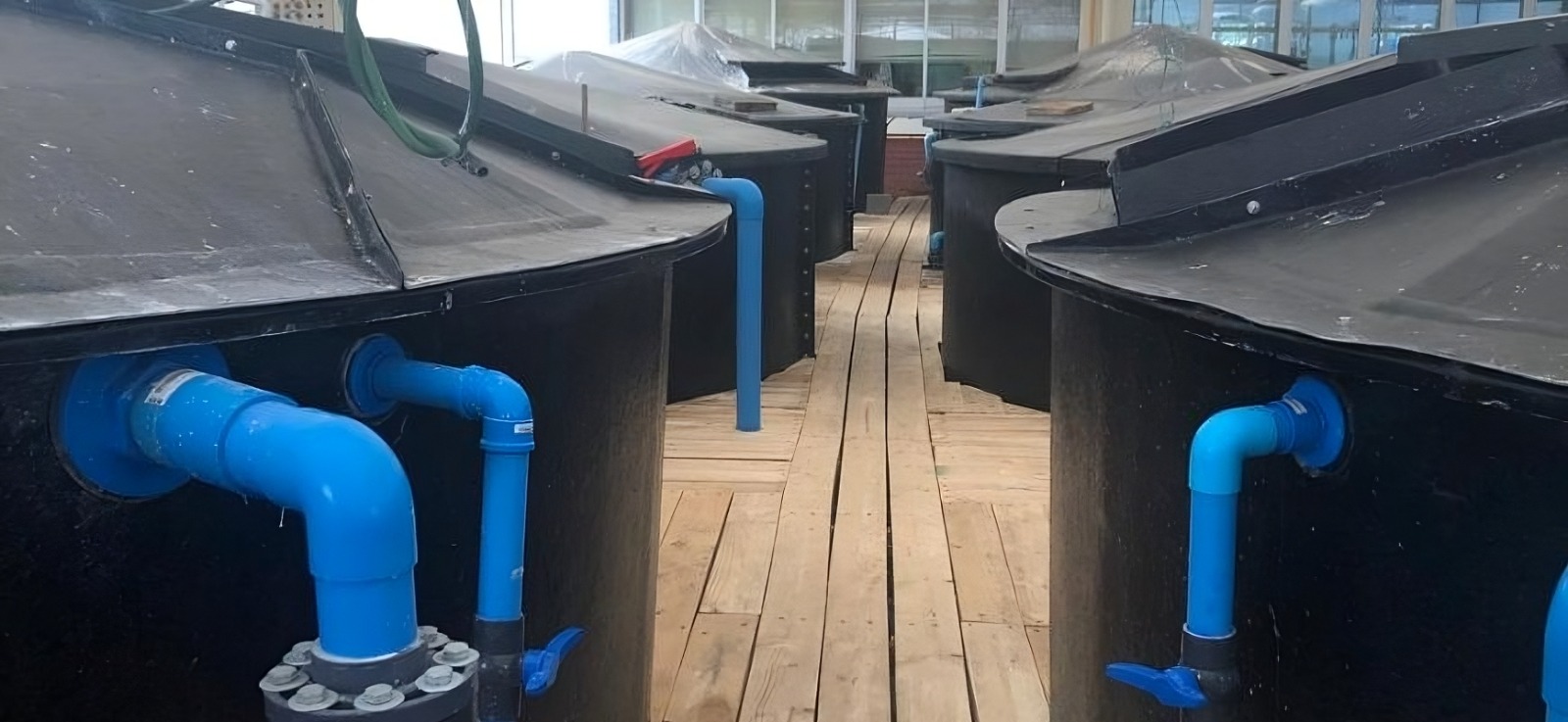
Our nutritional quality results of cojinoba specimens produced in the RAS system show that the protein level of the fillet meat it is the same as in wild specimens (20%). While lipid levels are slightly higher, with a 4% for the RAS system mussels versus wild specimens that present a 1%", detailed the professional.
The implementation of the technology was carried out through the project "Intensive Cultivation of Cojinoba in RAS System", which was funded by the Regional Government's Innovation Fund for Competitiveness (FIC-R).
Human consumption
Fish Cultivation Laboratory research team continues to analyze new parameters to highlight the nutritional quality for direct human consumption (CHD) that have the cojinobs produced in the RAS system implementing with the FIC-R project, including the levels of fatty acids essentials present in your fillet, especially the omega-3.
The processing of this fish for CHD will generate a large amount of by-products, like heads, viscera, skeleton, skin and other parts such as tails, fins, scales, minced meat and blood, Valuable raw material from which a series of by-products.
According to the study, add value for by-products or wastes of the growing cojinoba are varied. The most relevant are by-product flour, fish oil, protein hydrolysates, collagen, gelatin, chitosan, and others such as hydroxyapatite and fertilizers.
Without a doubt, Marcia Oliva emphasized, the potential market associated with the production of by-products flour is the more attractive worldwide, which is largely explained by the growing need to incorporate these protein sources into the diets of pets and production animals. This claim will be followed by a increasing trend, strongly promoting the production of these flours during this decade. Other potential applications showing great interestis the production of collagen, chitosan and soil fertilizers.
Background of the cultivation of the northern cojinoba has been developed through different projects executed by the UCN Fish Cultivation Laboratory, which allowed the development of a standardized technology for their pilot scale production.
*Source of the featured photo: courtesy of the UCN.