Transdisciplinary research establishes a strategic roadmap that serves as a global model for countries seeking to prioritize actions aimed at the responsible use of antibiotics in aquaculture.
In a strategic coincidence with World Antibiotic Awareness Week (WAAW), the scientific article has been published Insights and Lessons from Chilean Salmon Farming on Antimicrobial Use in the international journal AntibioticsThis publication marks a milestone for the industry, as it formalizes a strategy designed by 27 experts that goes beyond national borders: the document has been conceived as a reference for other aquaculture producing countries that need to establish clear priorities and define relevant actions to manage the use of drugs in their production systems in a responsible manner.
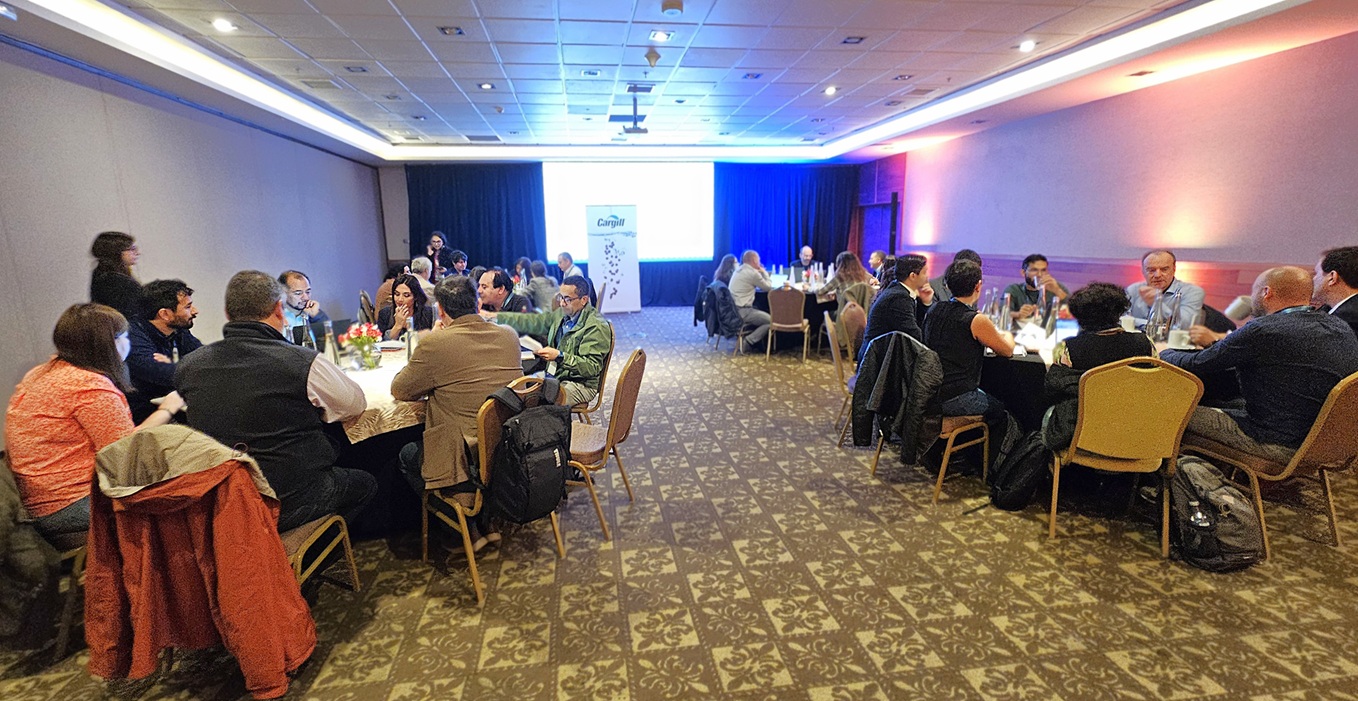
The document consolidates the analyses and workshops carried out during the First Congress on Management of Bacterial Diseases in Aquaculture, held in November 2024 in Puerto Varas. The strength of this proposal lies in its unique governance, demonstrating the value of interdisciplinary collaboration between different sectors. Under the leadership of Monterey Bay Aquarium, an unprecedented work table was achieved that brought together public agencies, academia, the private sector and civil society. This synergy called upon institutions such as Intesal, Wavet Research, the University of Chile through its reference center CASA, the Pontifical University of Chile, the Andrés Bello University, the INCAR center, CIMARQ, the Pincoy initiative and the Roslin Institute of the University of Edinburgh, validating a joint work model to solve complex health challenges.
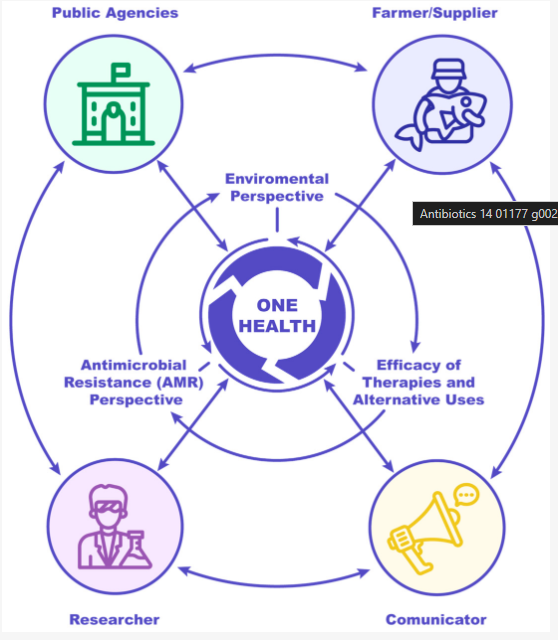
The roadmap established by this diverse group of experts proposes an integrated approach based on the concept of "One Health", recognizing the dual role of aquaculture as a source and receptor of antimicrobial resistance, which requires coordinated monitoring that integrates human, animal and environmental health. Among the key findings presented in the paper, the urgency of covering environmental information gaps through advanced molecular tools to prevent irreversible ecological damage is noted.
In addition, the work highlights the need to strengthen therapeutic alternatives in view of the limited effectiveness of current vaccines against Piscirickettsia salmonis, highlighting national innovations, such as the use of phytotherapy, and the critical importance of early treatments. In the field of human capital, experts projected that a sustained and long-term educational effort would be necessary to achieve effective generational change in the perception and management of these drugs. Given the impact of these results and the success of this collaborative work model, the institutions organizers have confirmed that they expect a second edition of the congress by 2026, with the aim of evaluating the progress of this ambitious initiative.
To ensure maximum dissemination of scientific knowledge, the study has been published in Open Access mode and is available for free download at the following link: https://www.mdpi.com/2079-6382/14/12/1177.