This new version, organized by Corfo, will feature the participation of the PTECAO director, Dr. Daniel Nieto, who will speak about technological development to face the challenges of sustainable aquaculture and the opportunities generated by fish farming in exposed or high-energy areas.
Acquaculture diversification: A solution for the food crisis in the face of climate change is the name of the 6th edition of the Aquaculture Summit 2022, which will be held virtually between the 09:00 and 12:00 hours on this Thursday 26 May. Those interested can connect through the Teams platform by entering the link: .
The event considers the participation of different experts in charge of strategic technological programs (Aquaculture PTECs) driven by the Corporation for the Promotion of Production (Corfo), which seek to promote new technologies with a strong territorial link.
The body will include the participation of the executive vice president of Corfo, José Miguel Benavente, and representatives from various entities related to the sector, such as the Fisheries and Aquaculture Subsecretariat (Subpesca), the National Service of Fisheries and Aquaculture (Sernapesca), Chile Foundation, the Institute of Agricultural Research (INIA), among others, with which there are collaboration agreements and joint working tables are developed.
They will also join institutions and universities, both public and private, linked to the sector. Among these appear the United Nations Food and Agriculture Organization (FAO), the Fisheries Development Institute (IFOP), fisher communities of the coastal edge and industry representatives
Among the exhibitors, the presentation of the director of the Strategic Technological Programme for the Development of Oceanic Aquaculture (PTECAO), Dr. Daniel Nieto Díaz-Muñoz, who will address the new technologies to face the challenges of sustainable aquaculture and the opportunities created by fish cultivation in exposed or high-energy areas.
Aquaculture PTECs
The regional director(s) of Corfo Los Lagos Claudia Huber, invited to connect to this space in which the aquaculture diversification programs will show their progress in areas or regions in which they did not exist or had a level of basic and unspecific development.
"Currently, the labor and economic impact of the PTECs is small, considering that they are developments in the driving stage; however, have an auspicious projection to productive and commercial scale-up, which would increase its reach and impact at both regional, national and international levels", noted Corfo's representative.
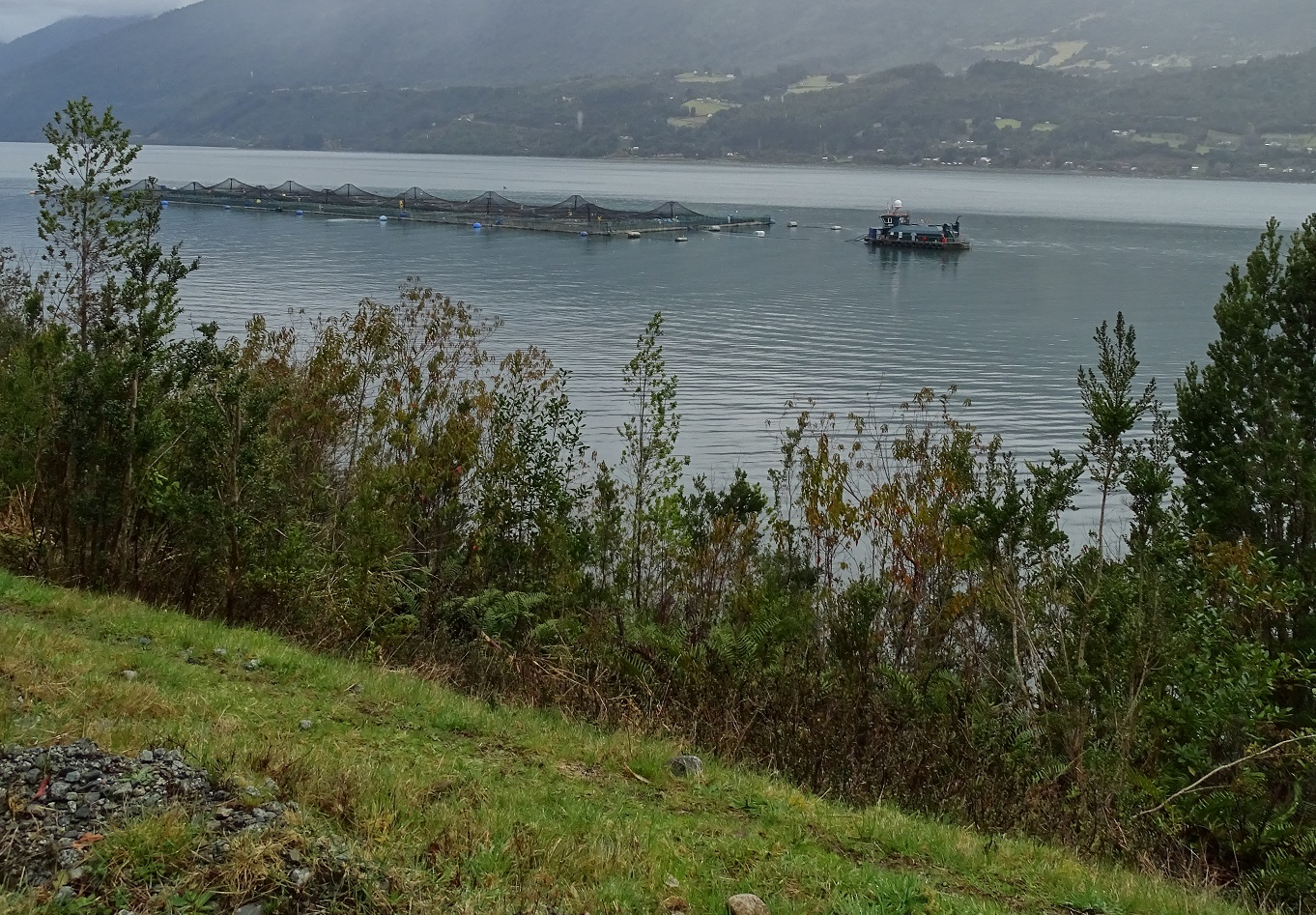
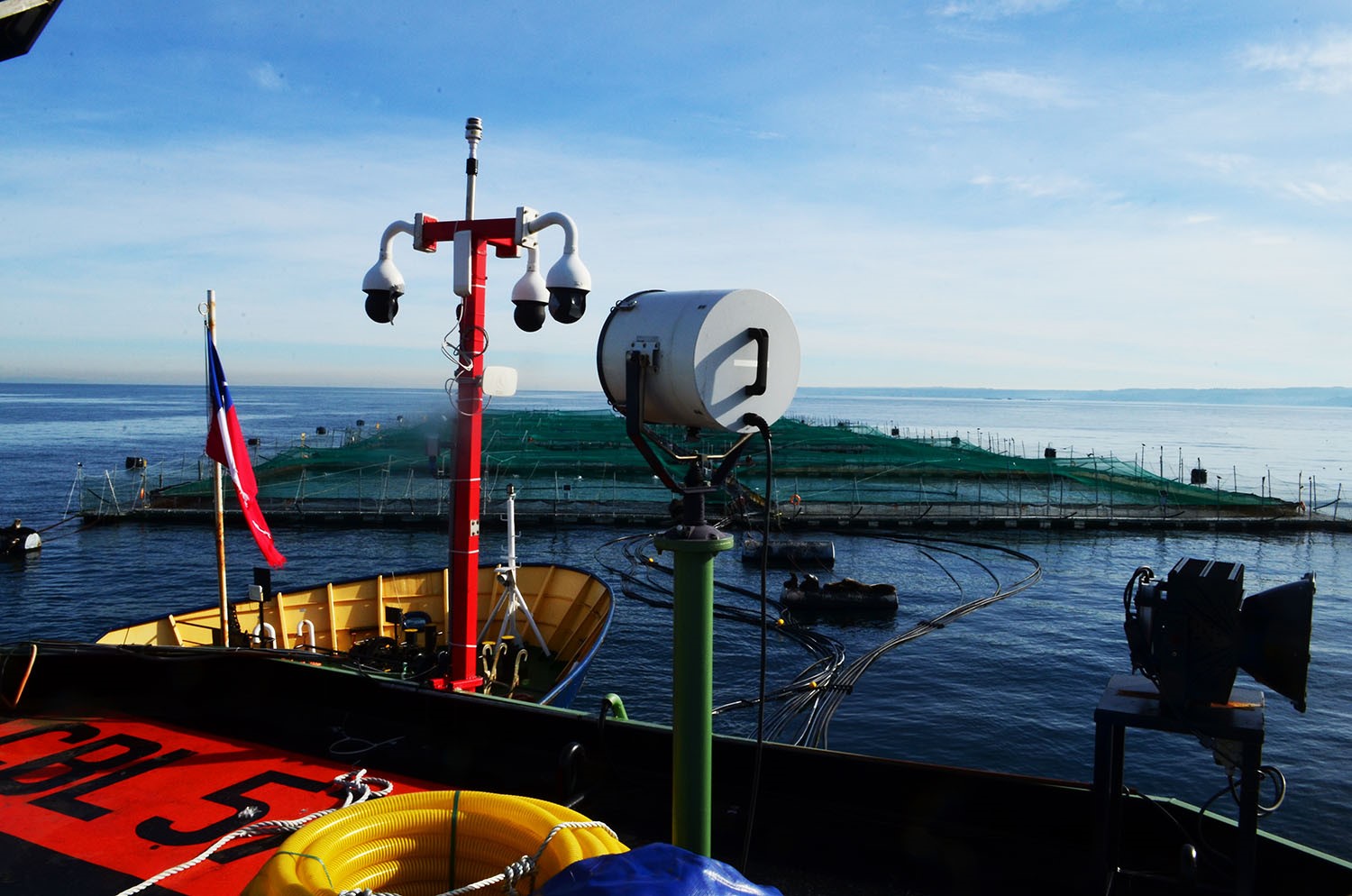
*The outstanding photo shows the Quillaipe cultivation center of the salmonicultora Granja Marina Tornagaleones (GMT - Marine Farm), which is one of the two centers (the other is Pirén) where the different technologies developed within the framework of the PETEAO are being validated and which have been developed by the co-executive companies Walbusch, Aquarov and AST Networks (credits: Dr. Daniel Nieto).