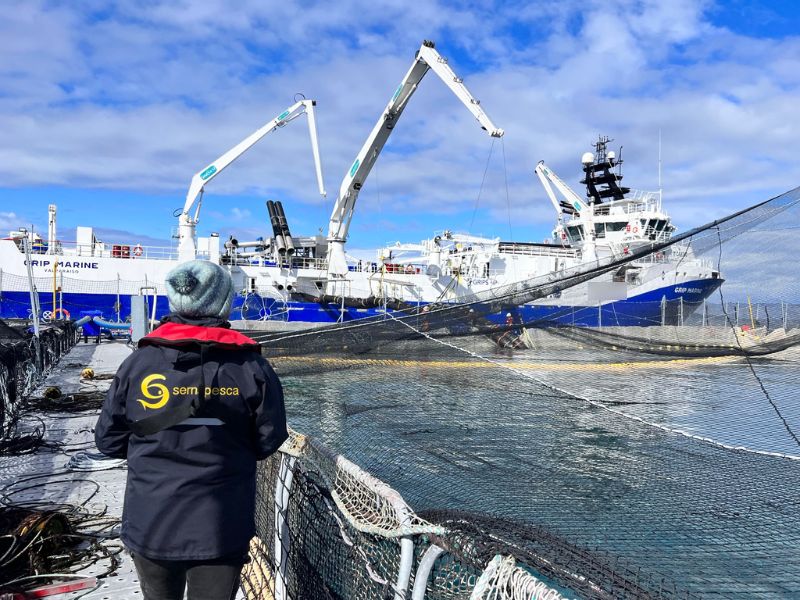
The ANF occurred in the Aysén region and has so far resulted in the loss of 2,854 tons of Atlantic salmon and coho.
The Aysén Regional Directorate of the National Fisheries and Aquaculture Service (Sernapesca) confirmed on the afternoon of this Tuesday, January 2 the presence of a new harmful algal flowering event (FAN, also known as "algaeloom") that is causing massive mortality (MM) to the northeast of Victoria Island. This is an event that is affecting the Salmonidae Concession Group (ACS, called "barrio") 22B, where a company Blumar S.A. reported the activation of its contingency plan due to the presence of the microalga Pseudochatonella spp..
According to the information provided by the supervisory body, the "Melchor 7" centre of AquaChile S.A. has also notified the activation of its Plan of Contingency of Harmful Algales Flowering and Mass Mortality due to the presence of the same microalgae.
Read more » The Sernapesca balance after the FAN event in Los Lagos
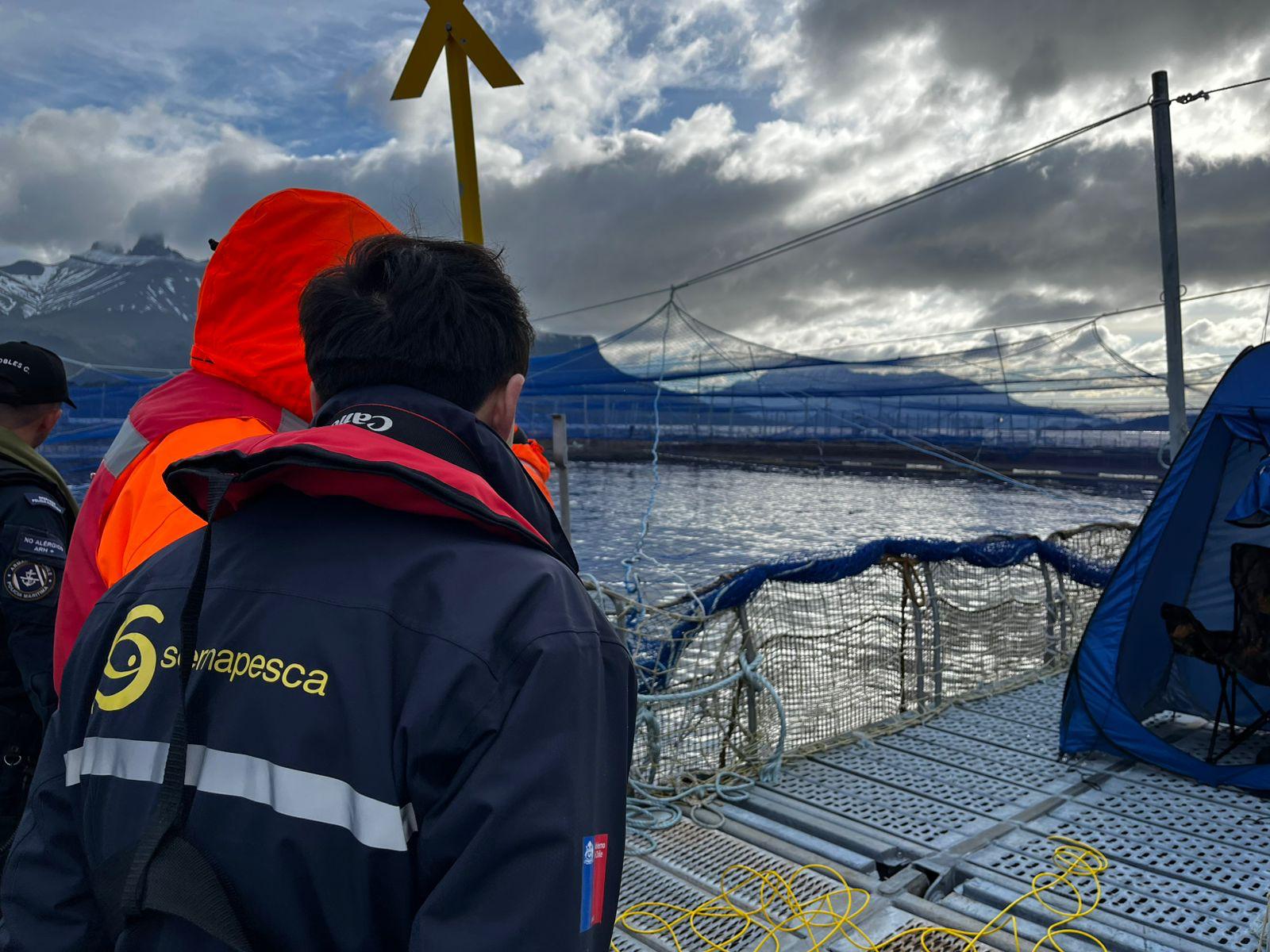
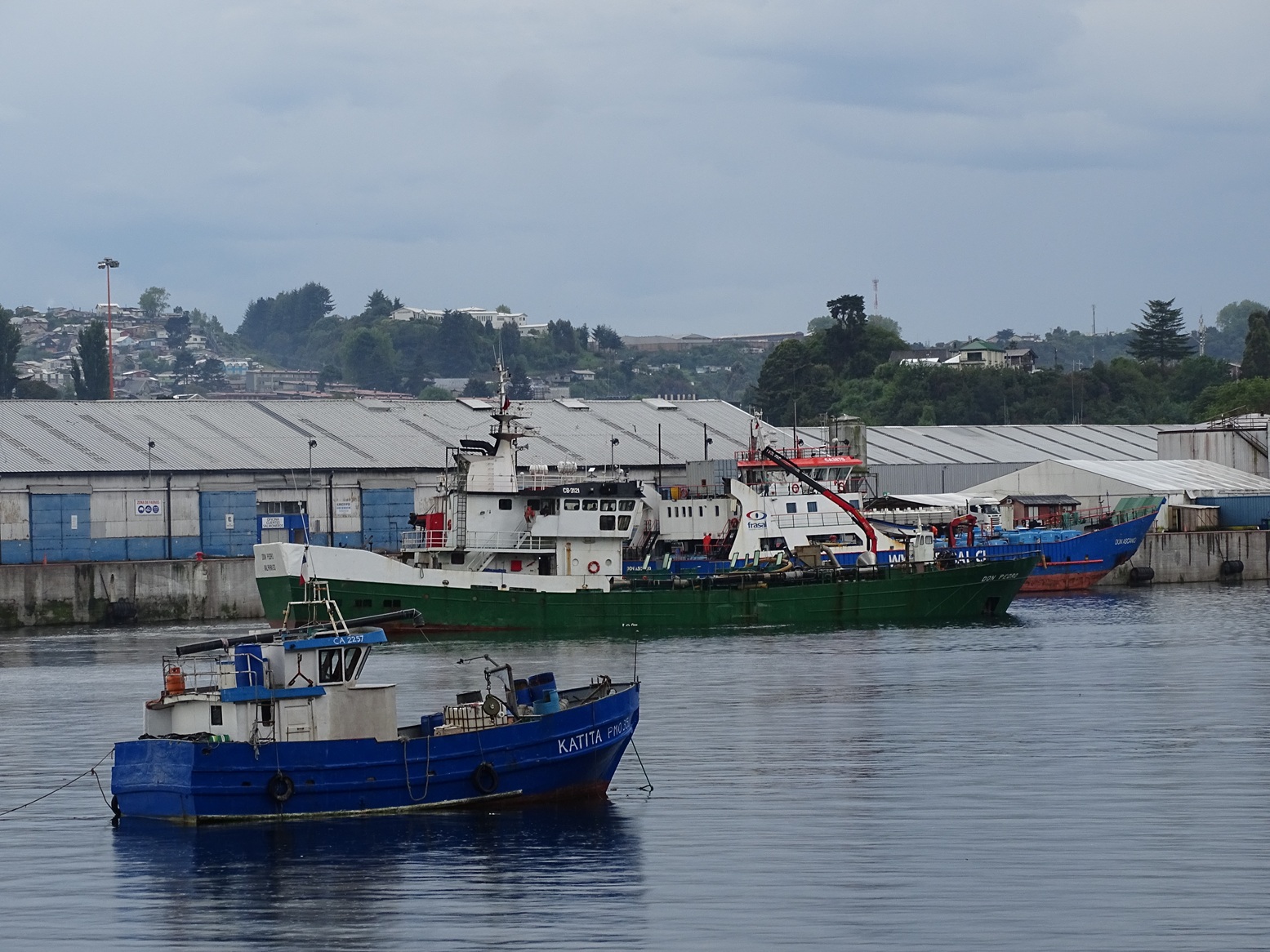
The regional director(s) of Sernapesca Aysén, Juan Carlos Orellana, explained that, "from the logistic point of view, three high seas fishers (PAN) -'Erika', 'Bronco' and 'Quilpolemu' - are doing work to extract salmon mortality from the cultivation center. In addition, it is supported by the barges 'Mariela' and 'Chelin'. The mortality recorded today Tuesday, January 2, is 2,854 tons, corresponding to both centres, and to Salar (Atlantic) and Coho (Pacific) salmon species, whose scientific name is Coho salmon”.
“As Sernapesca we have been monitoring compliance with the contingency plans of the companies concerned and the removal of the mortality that the companies themselves must do. Mortality is being brought to its final disposal to reducing plants. We will keep an eye on these and surrounding ACS, as the centers in these areas continue to report the presence of microalga daily," Orellana said.
Harmful algal blooms are a natural phenomenon caused by multiple climatic and environmental factors, generating a numerical increase of one or more species of microalgae in water. This microalgae is housed in the gills of the fish, generating internal damage and causing its death by asphyxiation. It is important to remember that this microalga does not correspond to the so-called "red tide", so there is no involvement of bivalve molluscs or other fish.
Read more » What does the aquaculture pre-alert declared by Sernapesca consist of?
Also read » Aquaculture and fishing: Assessing the possible consequences of the El Niño phenomenon
*Photo source: courtesy of Sernapesca.