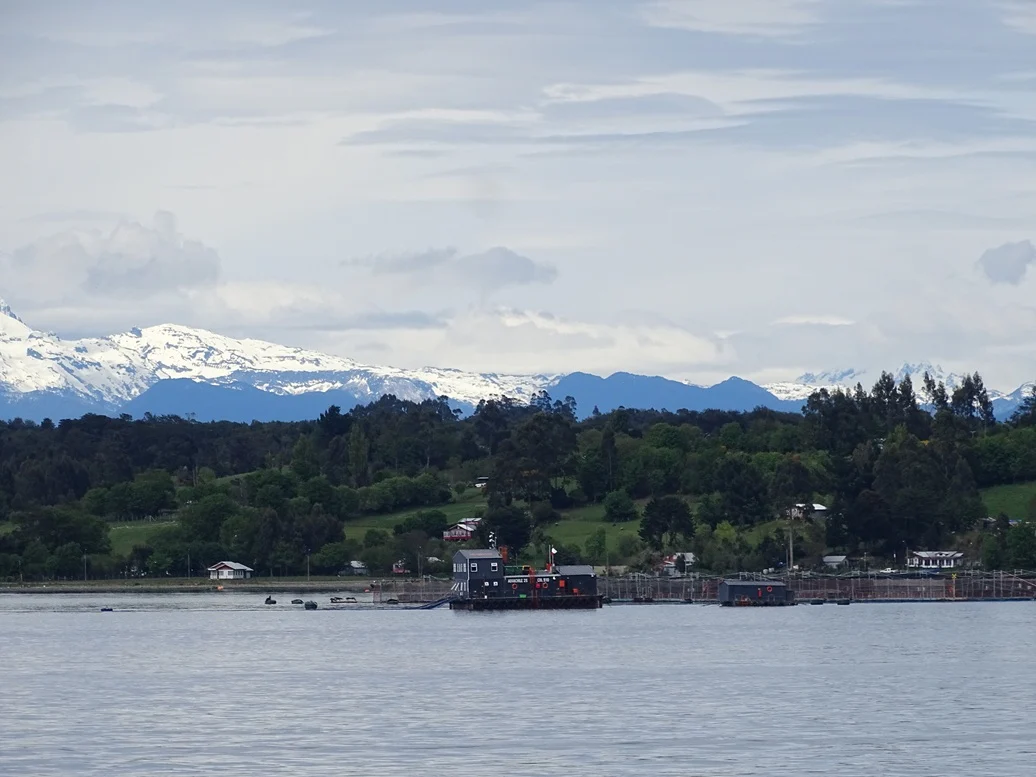
The main focus of concern is on the possible occurrence of harmful algae blooms.
In the edition of this Wednesday 8 November of the Official Journal, resolution No 02298/2023, dated 30 October, of the National Fisheries and Aquaculture Service (Sernapesca), declaring aquecultural prealert in the territory comprised by the regions of Biobío, La Araucanía, Los Ríos, Los Lagos, Aysén and Magellan for all that remains of the year 2023 and by 2024, was published.
The measure was ordered in accordance with the Environmental Regulations for Aquaculture (RAMA) in view of the presence of the El Niño phenomenon on the Chilean coasts, which causes an increase in sea temperatures and influences the generation of events that produce climatic variations, including droughts in the summer and autumn months in the northern part of Patagonia.
But the main focus of concern is the occurrence of harmful algae blooms (NAF). "According to the technical reports given to us by the FIFG (Institute of Fisheries Development), these are natural events that cannot be predicted and that historically have generated negative effects on the cultivation of fish in the southern region, causing important mortality of salmonids", said the deputy director of Aquaculture of Sernapesca, Monica Rojas.
Read more » Aquaculture and fishing: Assessing the possible consequences of the El Niño phenomenon
Measures in place
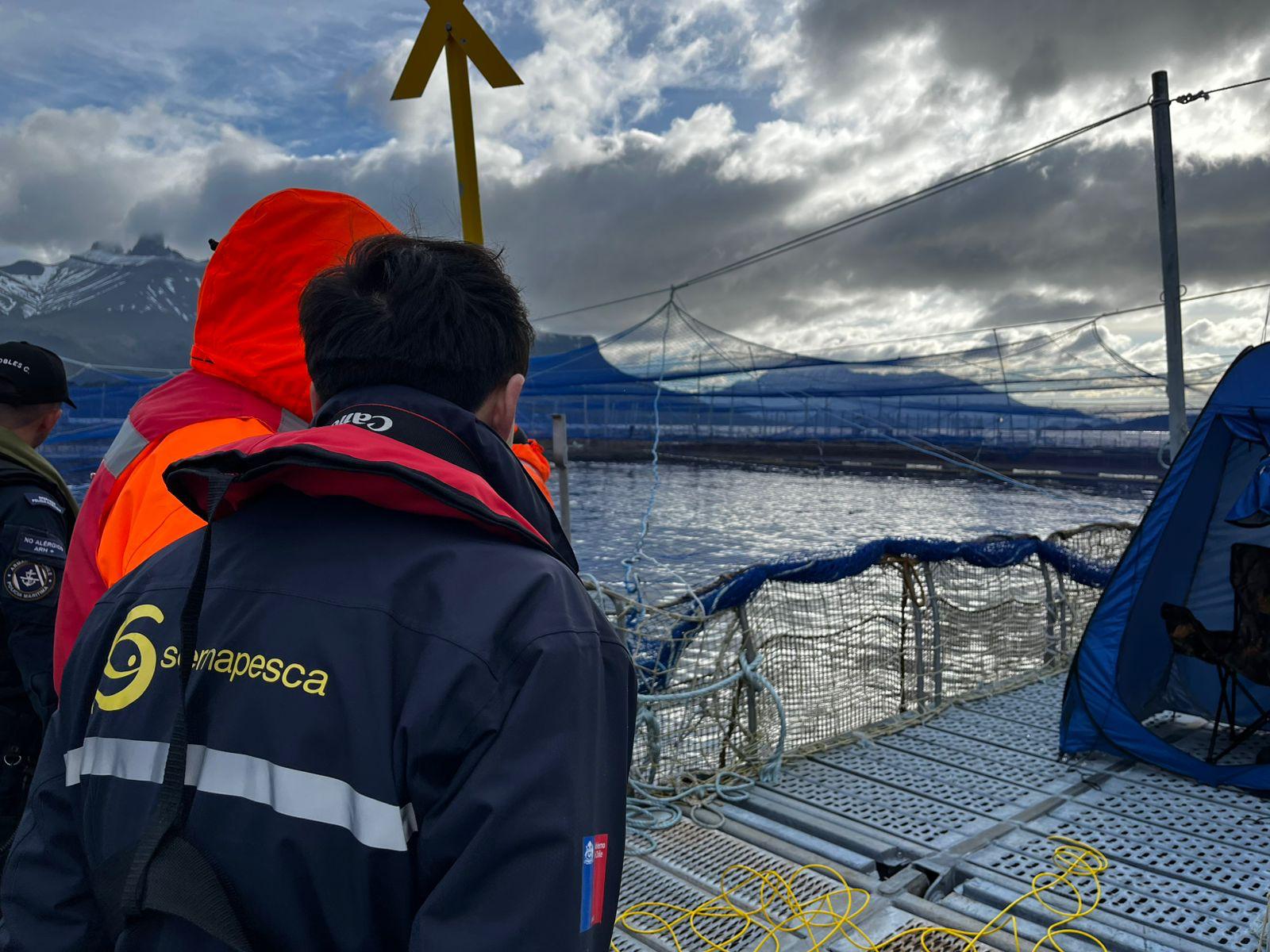
As part of the pre-alert procedure, the Service provided for a series of measures applicable to salmonid crop centres in the regions concerned. "The centers were instructed to implement environmental and/or oceanographic monitoring actions, such as daily review of phytoplankton indices and environmental and oceanographic variables such as sea temperature, salinity, fluorescence or chlorophyll and water turbidity; monitoring hours of dissolved oxygen and daily monitoring of fish behavior," Monica Rojas explained.
Other measures include coordinating the removal and disposal of dead fish from farms if mortalities occur, investigating the causes and submitting the findings. Farm operators also have ten days from publication of the resolution to provide the information needed to guide decisions.
It was also ordered to instruct and/or authorize the movement of live specimens, with the aim of preventing or reducing their mortality, for which purpose a series of requirements were established for the centres requesting the transfer, as for the centres that will be the destination of the fish and the conditions of the transfer operation. Finally, it was instructed to restrict the entry and maintenance of new hydrobiological species in the centers; and paralysing activities in the centers of cultivation, collection or fishing, which will be assessed on a case-by-case basis, depending on the development of the contingency.
The full text of the resolution, detailing the measures taken by the Service, can be found below. pressing here. In turn, the document is available in the web page Sernapesca.
*Featured image: Pedro Barra Léniz | Partnerfish | Aquaculture Directory.