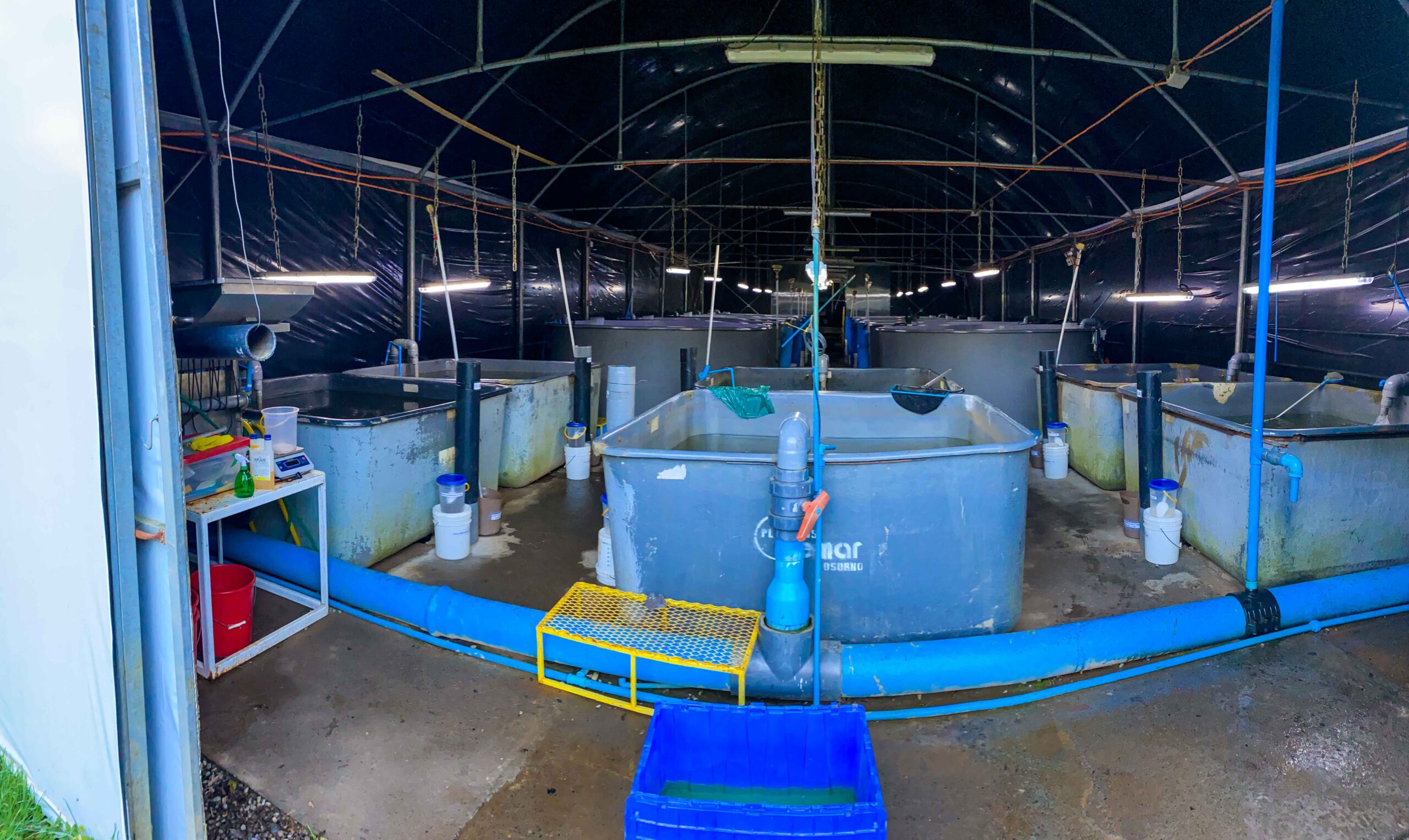
It is one of the six producers in the country that was awarded these resources and the only one in the region of La Araucania.
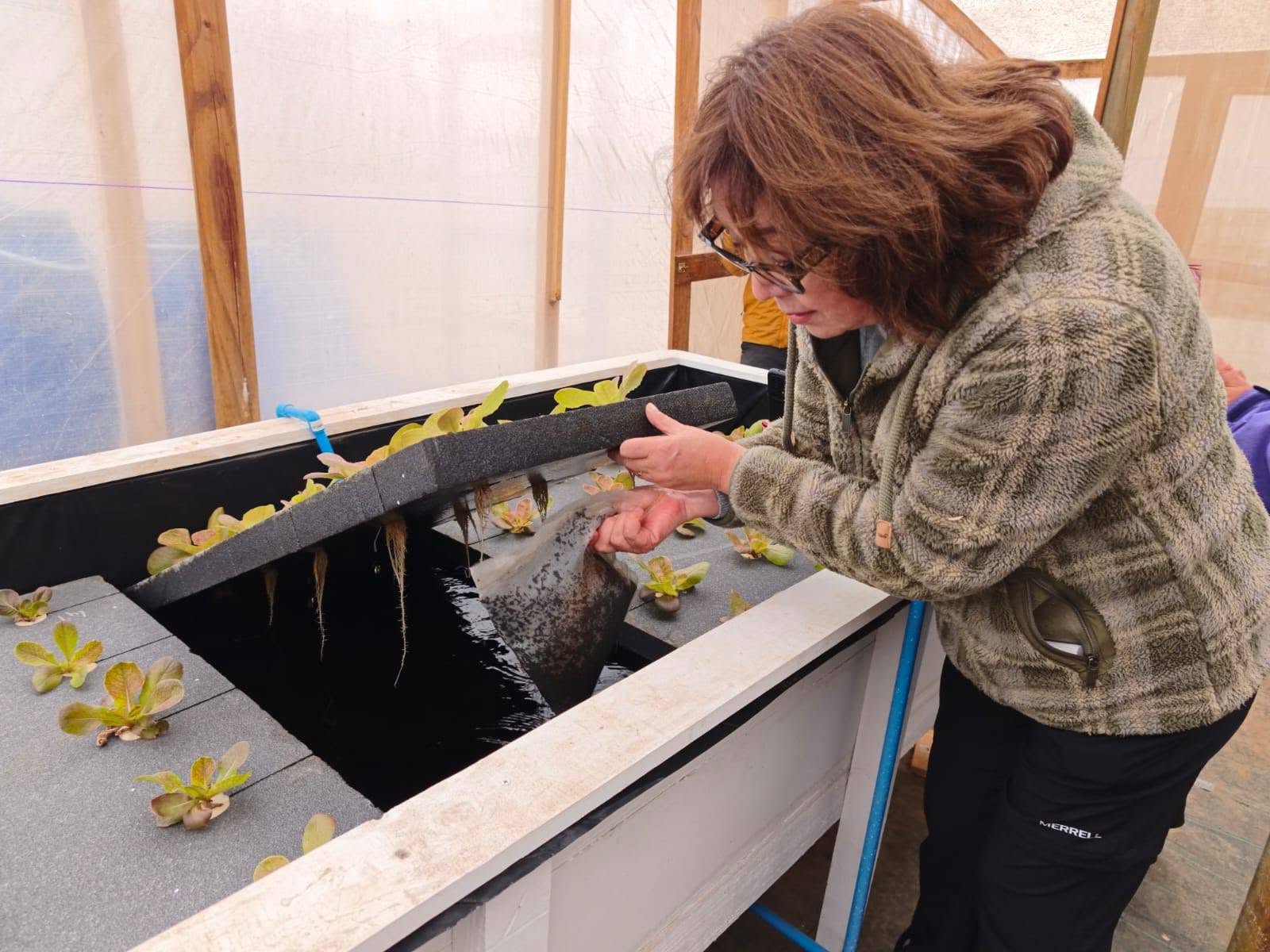
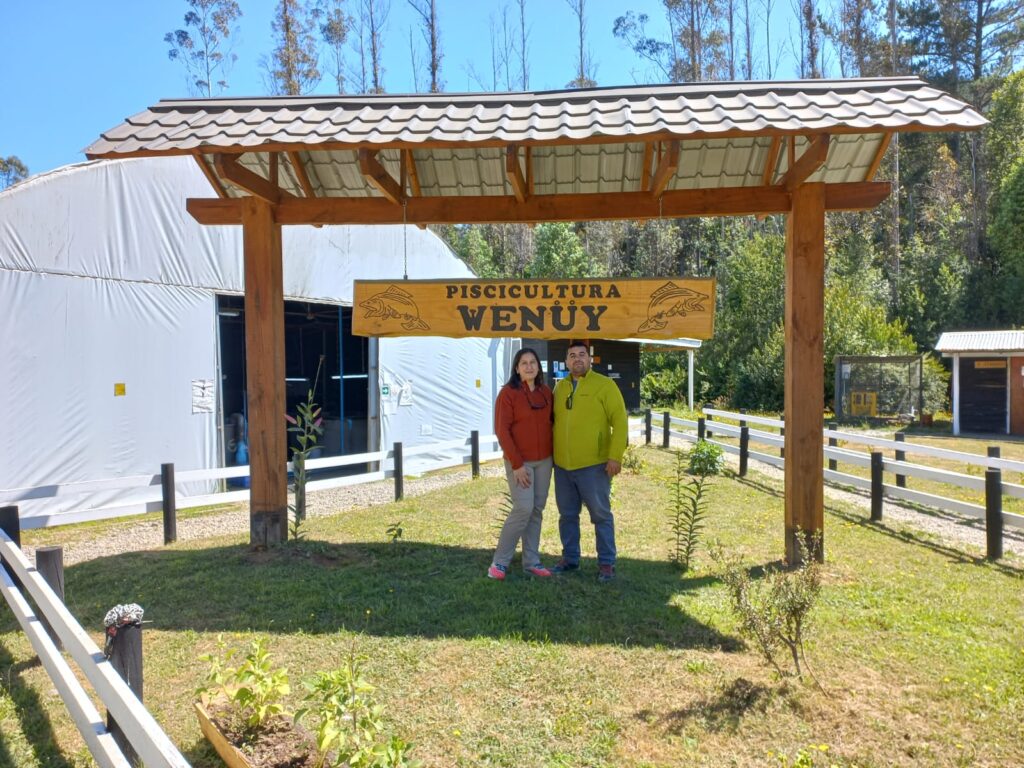
Yusari Gavilán Roa (44) is an aquaculture engineer, mother of three children and 18 years ago with her husband Marcelo Soto decided to undertake in Loncoche, province of Cautín, region of La Araucania, a crop on rainbow trout land (Rainbow trout).
Today, the little one family business, which began with twenty thousand young, works with about 200 thousand ova every month, it is the only local fish farming that continues to operate, of the more than fifteen that existed in the area, and it is one of the six centres of the country winners of the small-scale aquaculture fund granted by the National Institute for Sustainable Development of Artisanal Fisheries and Small-scale Aquaculture (Indespa) with about $ 30 million pesos to incorporate new technology to its productive process.
"Truchas are our battle horses," says Yusari, who confesses the excitement that it meant for her and her family to be awarded first time resources. Each month they receive ova from a supplier in the region who then market as four grams.
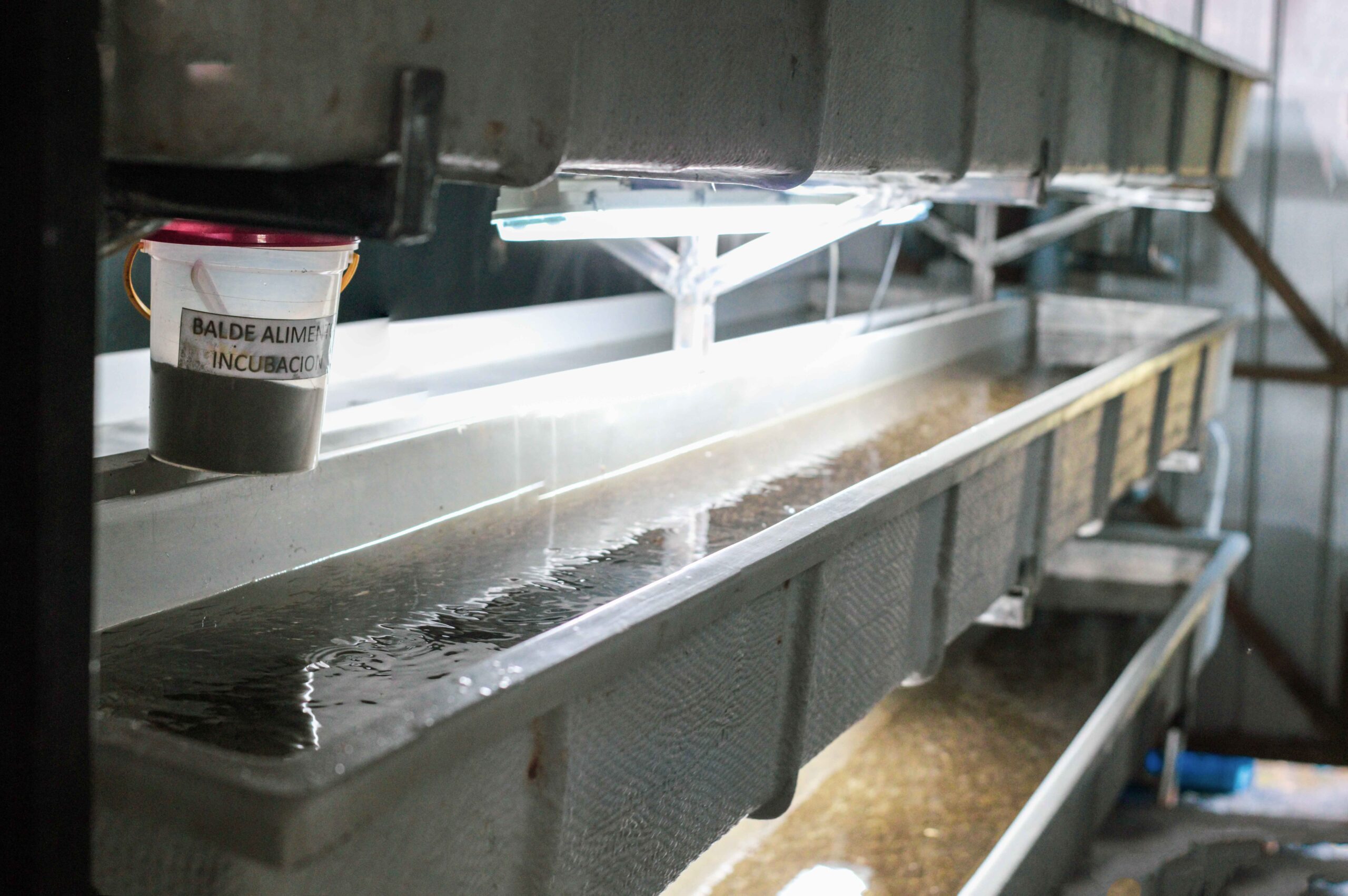
"We took about three to four months in the process. Part of it we sell to. laboratories, universities in Temuco (region of La Araucanía), Valdivia (region of Los Ríos) and Puerto Montt (region of Los Lagos) for research, and the other, goes for a company that is dedicated to the sale of trout in format pan size de 400 grams, without pigment and fillets", explains the acuicultora.
Water quality
The small-scale aquaculture fund of Indespa provided resources for near $600 million various small-scale crop centres in the country, and for the first time financed land-based centres, six in total at the national level, including the Wenüy fish farming of Yusari and his family, only selected in the region.
"I was running every year, but just this year the contest was differentiated for crops on land and is a tremendous opportunity. to improve what you have," says the producer.
As he explains, the resources will be used for the purchase of rotary filter that will help them maintain the quality of the waters of the estuary that supplies the center. "Being surrounded by forestry, in winter, after they make the first harvests, with the rains they go a lot of material to the estuary and the water is clouded, we are They cover the grids, there are weeks that cannot be fed, and with it more likely that we will be lengthened the process and sick fish. This filter gives us favors enormously because we can foresee and avoid these mishaps," he says.
Indespa's national director, Leonardo Llanos Huerta, stressed that the mission of the Institute is to promote the development of artisanal fisheries and also small-scale aquaculture (SPA): "APE is a world of opportunities not only at sea, but also on land, and in Chile there are hundreds of small and small aquaculture producers that They work day by day, doing small-scale cultivation that generates great value, with a more sustainable production model, which contributes to food security and allows high quality products."
For Yusari, this support is a engine to continue and also advance towards value aggregation. "There is no other system that can give us that amount of silver to buy a rotary filter as in the case of us. I'm I got excited. that day I saw the payroll because after several years we did it. Today we only make the first stage of frying, but I see many opportunities and diversification, opt for a smaller lot, take it to fatten up and give it added value to make, for example, smoked trout with species and offer a different product. Regardless of what it takes, you have to be persevering and these opportunities are greatly appreciated", concluded the representative of the Wenüy fish farming.