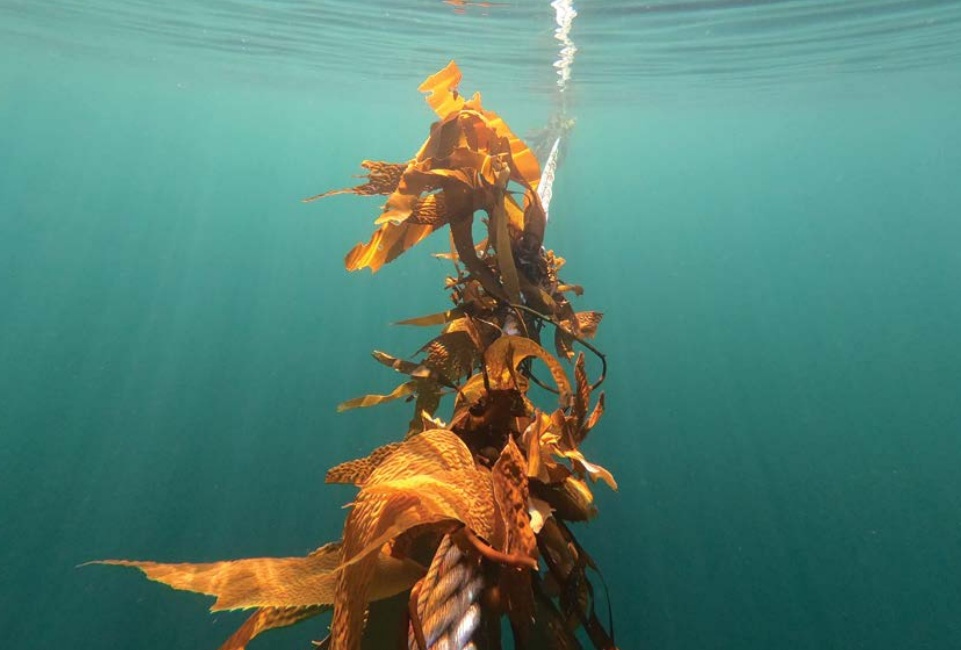
The Millennium Nucleus for Marine Algae Agronomy (MASH) continues to strengthen its presence in strategic forums on the sustainable development of the country, actively participating in the national document. Projects Chile 2050 and in the recent Sustainable Aquaculture Day: Challenges and Opportunities for Tierra del Fuego.
In the framework of the process Projects Chile 2050, driven by the Future Encounters Foundation and the Future Challenges Commission of the Senate of the Republic, researchers from Milenium Core MASH of the Los Lagos University, joined one of the twenty thematic tables, named Seaweeds and the Future of the Sea. In it they contributed their experience in applied research, sustainable management and marine bioeconomy. The general coordination from this meeting was in charge of the Dr. Pamela Fernández, and counted on the participation of Dr Alejandro Buschmann, the Dr. Carolina Camus, the Dr Marie Laure Guillemin and the Dr. Pedro Murúa.
The resulting document, Cross-cutting proposals for Chile 2050, highlights the relevance of blue bioeconomy, the Integrated Multitrophic Aquaculture (IMTA) and the productive development of macroalgae as pillars for a sustainable growth model based on science, innovation and territorial equity.
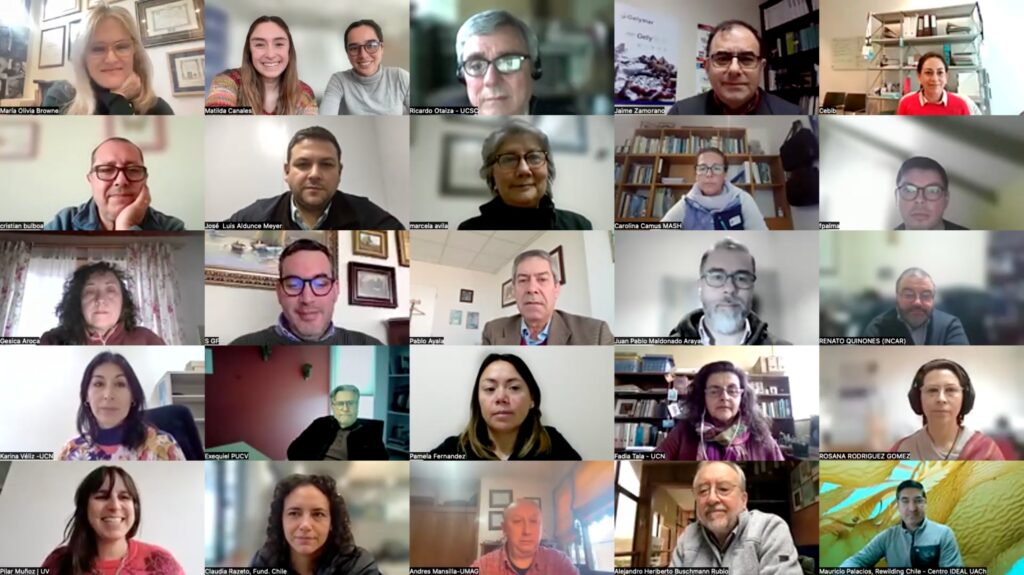
These themes, aligned with the core's lines of research, propose a country that exploits its marine potential to address climate change, diversify its productive matrix and strengthen coastal communities through regenerative cultivation practices.
Science and development in the extreme south
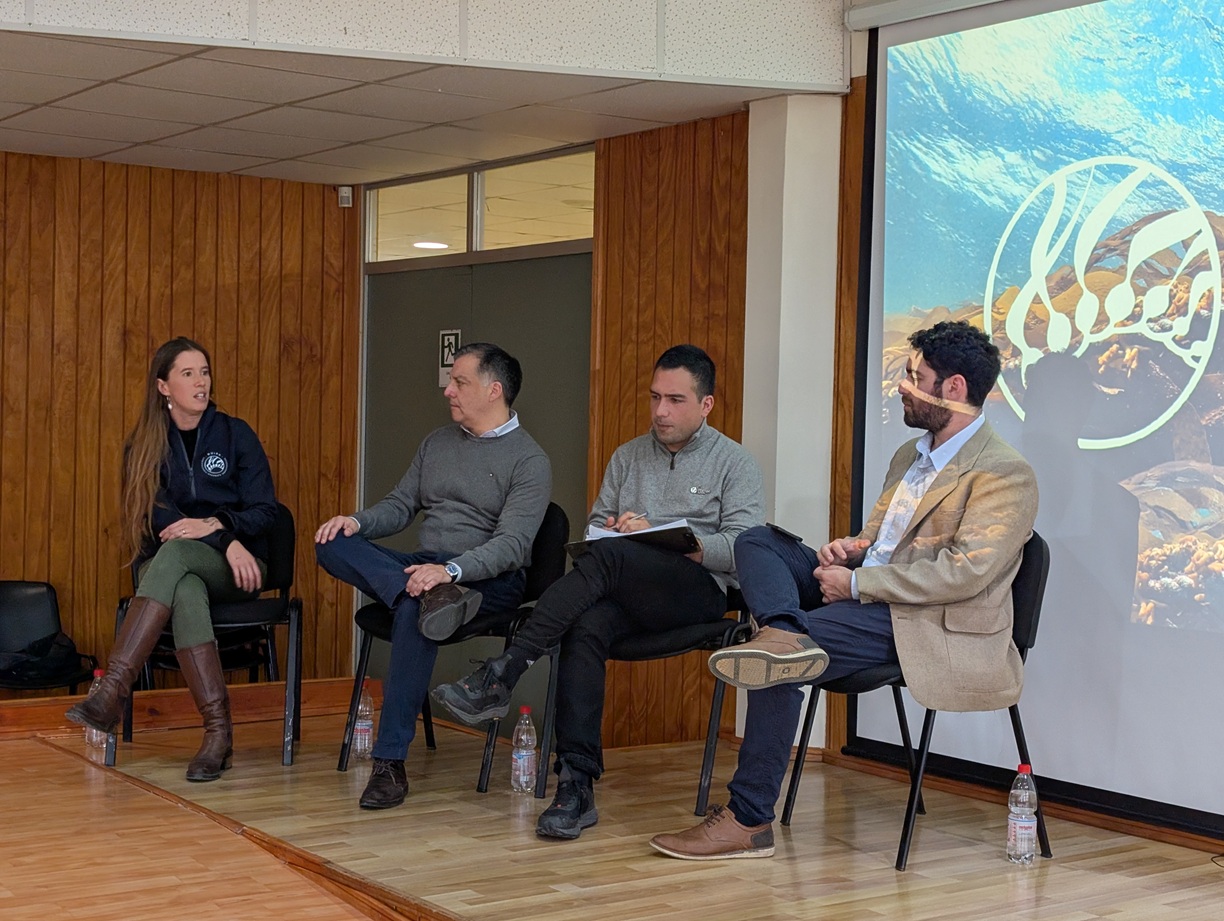
In the same line, the Dr. Camus, academic of the i~mar Center (Ulagos) and director of the Millennium Core MASH, recently participated in the Sustainable Aquaculture Day: Challenges and Opportunities for Tierra del Fuego, instance that sought create a space for academic and social exchange aimed at discussing alternative aquaculture models that integrate environmental sustainability and economic viability.
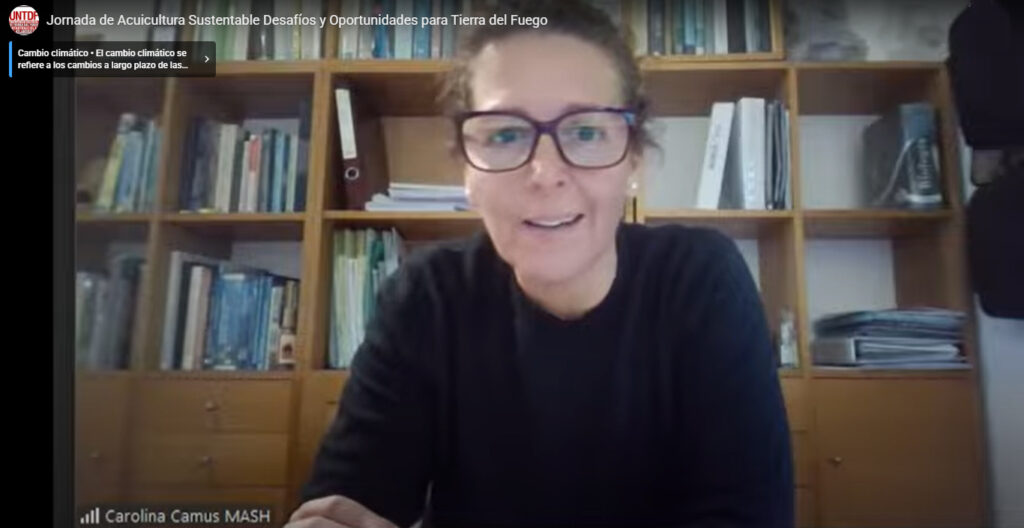
The researcher was an exhibitor in the block “Aquaculture and sustainable development: global trends and local challenges”, where he highlighted the ecosystem services offered by algae, the cultivation opportunities associated with other species and the challenges that the sector still faces to consolidate its economic viability.
MASH: science at the service of marine sustainability
The participation of the MASH core in spaces such as Projects Chile 2050 and the Day of Sustainable Aquaculture strengthens its commitment to the transfer of scientific knowledge to public policies and productive strategies that promote sustainable use of the sea as a source of life, food and local development.
Regarding this, Camus valued the participation of the Millennium Center MASH in spaces of decision on the future of the sea “because we believe that knowledge generated around macroalgae and multitrophic systems should become a concrete tool for moving towards more sustainable, inclusive and territorially adapted aquaculture. Chile has the opportunity to lead a true blue economybased on research, collaboration and respect for marine ecosystems.”
Since its creation, MASH has promoted interdisciplinary research on macroalgae, associated microbiomes and sustainable cultivation strategiesconsolidated as a national and international reference in marine agronomy and blue economy.