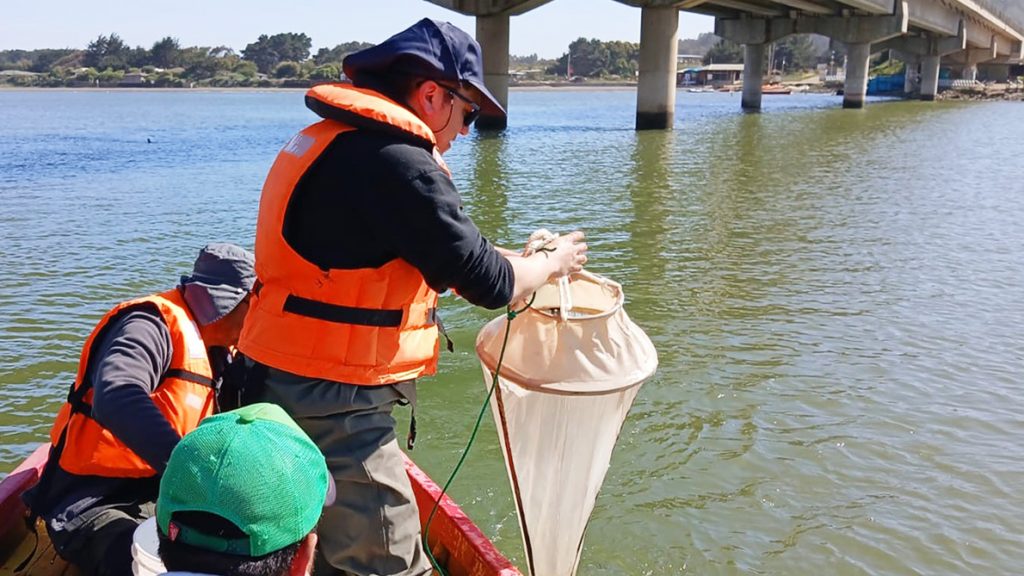
The fundamental objective of this project carried out by Fundación Chinquihue is to identify areas for the collection of seedlings of benthic resources.
In an early stage of field exploration is the project titled Study for the identification of collection areas for seed capture in the O'Higgins and Maule regions.
The initiative is funded by the Fisheries and Aquaculture Research Fund (FIPA) of the Fisheries and Aquaculture Subsecretariat (Subpesca) and the entity in charge of the execution of the project is Chinquihue Foundation.
The objective is to identify and select benthic resources of commercial interest, whose seed supply is through natural capture. Among these resources are the cholga (Aulacomya atra), the clam (Chilean mussel) and choro shoe (Choromytilus chorus), mainly.
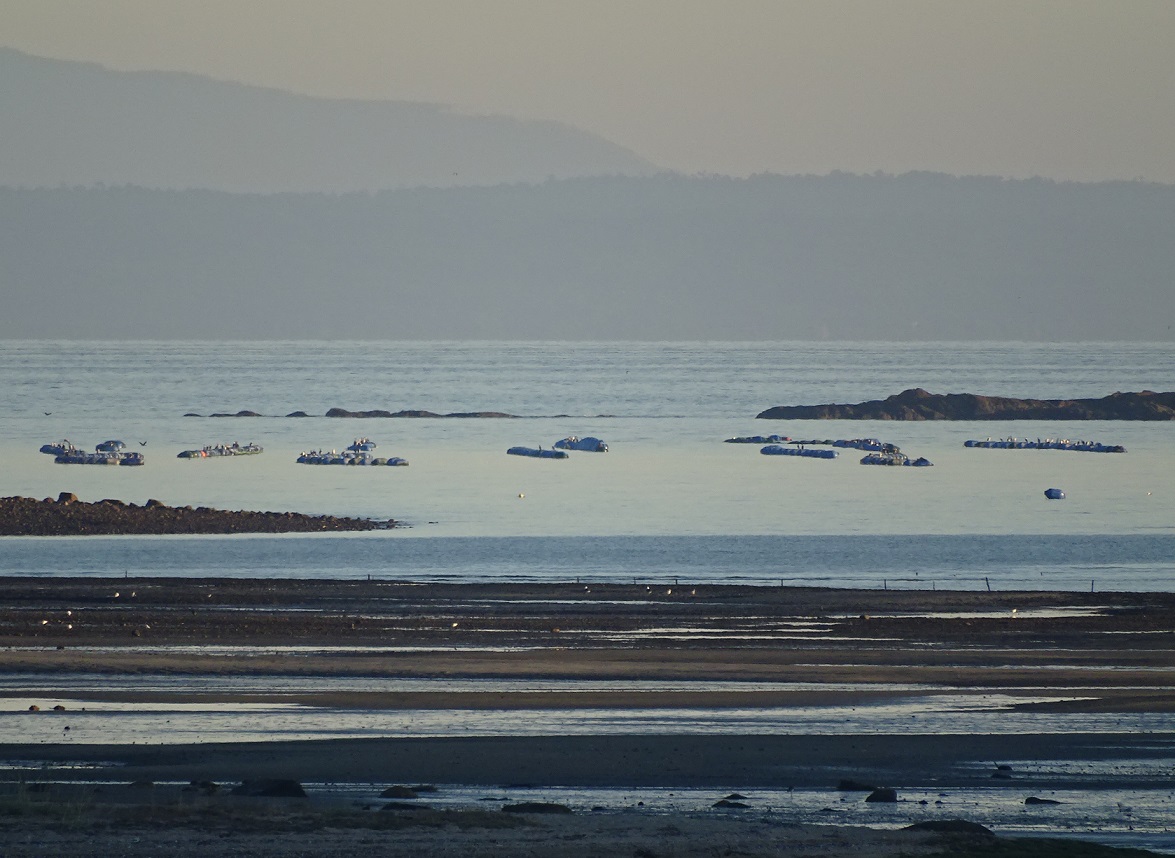
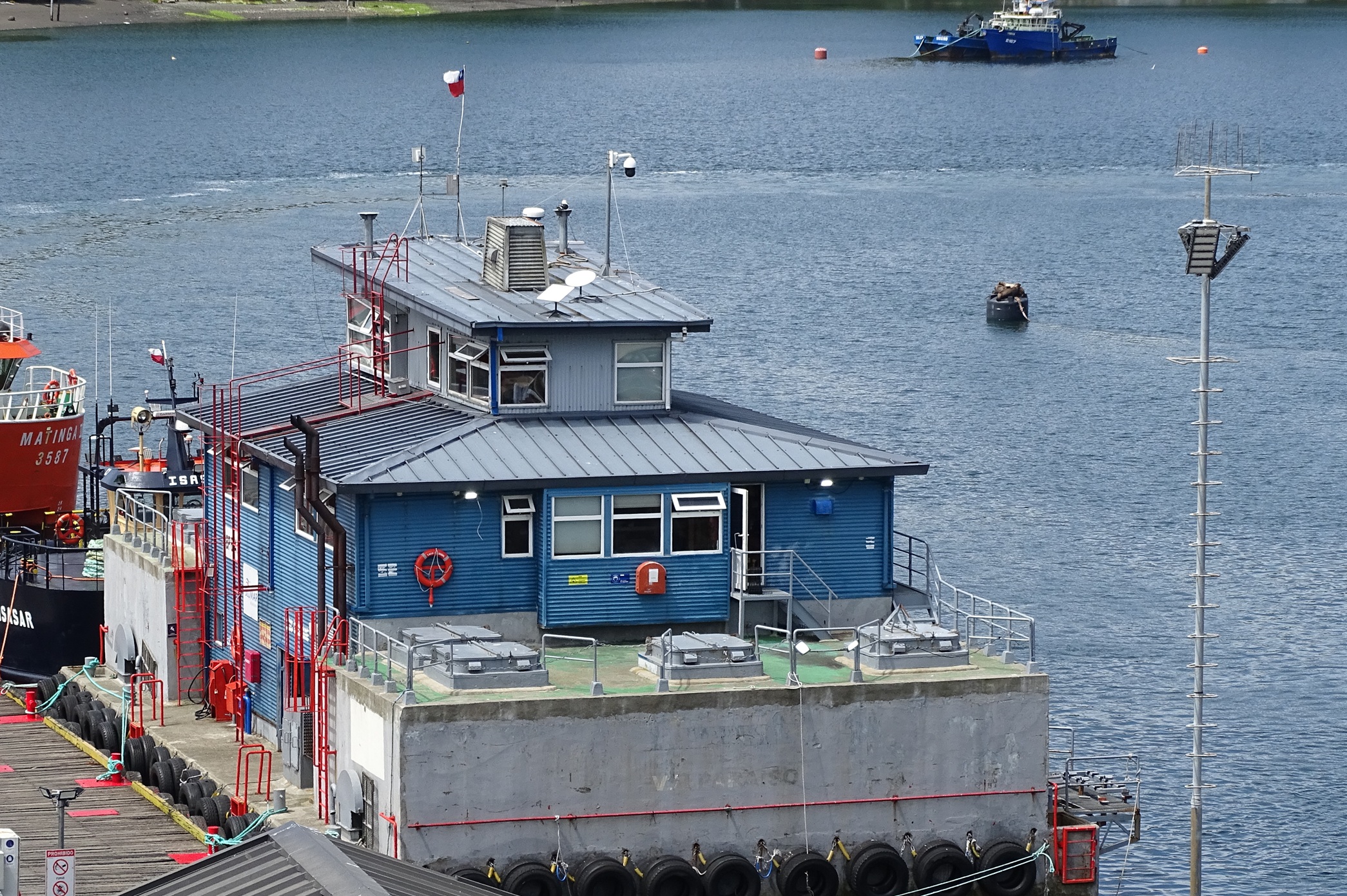
In this first field assessment, work was done on the Chovellen and Mataquito rivers, in the Maule region, and the Rapel River and Cáhuil Lagoon, in the O’Higgins region. In this way, water samples were taken for subsequent larval analysis at the Chinquihue Foundation, in the city of Puerto Montt, Los Lagos region.
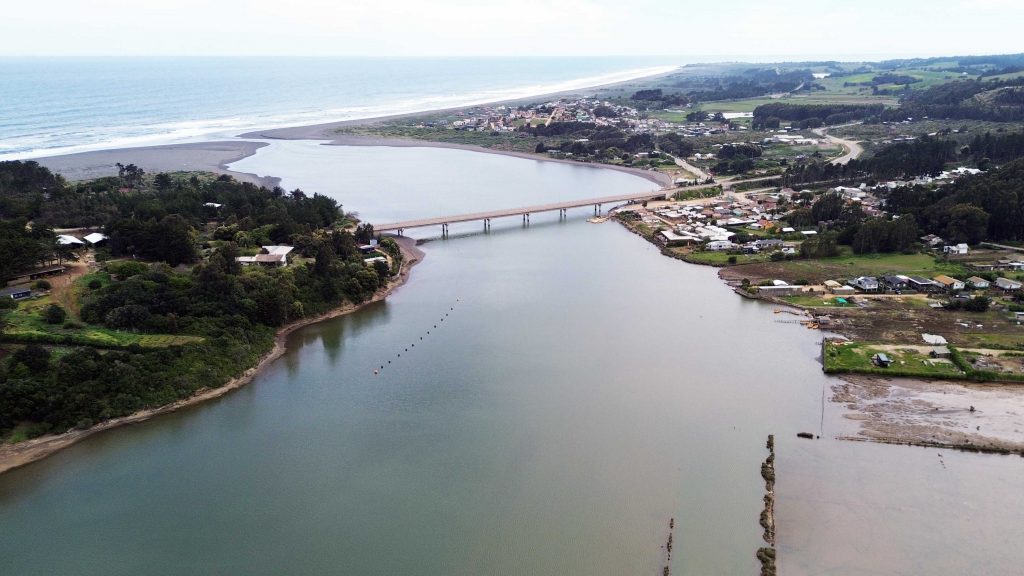
View of the Nilahue estuary, Pichilemu commune, O’Higgins region.
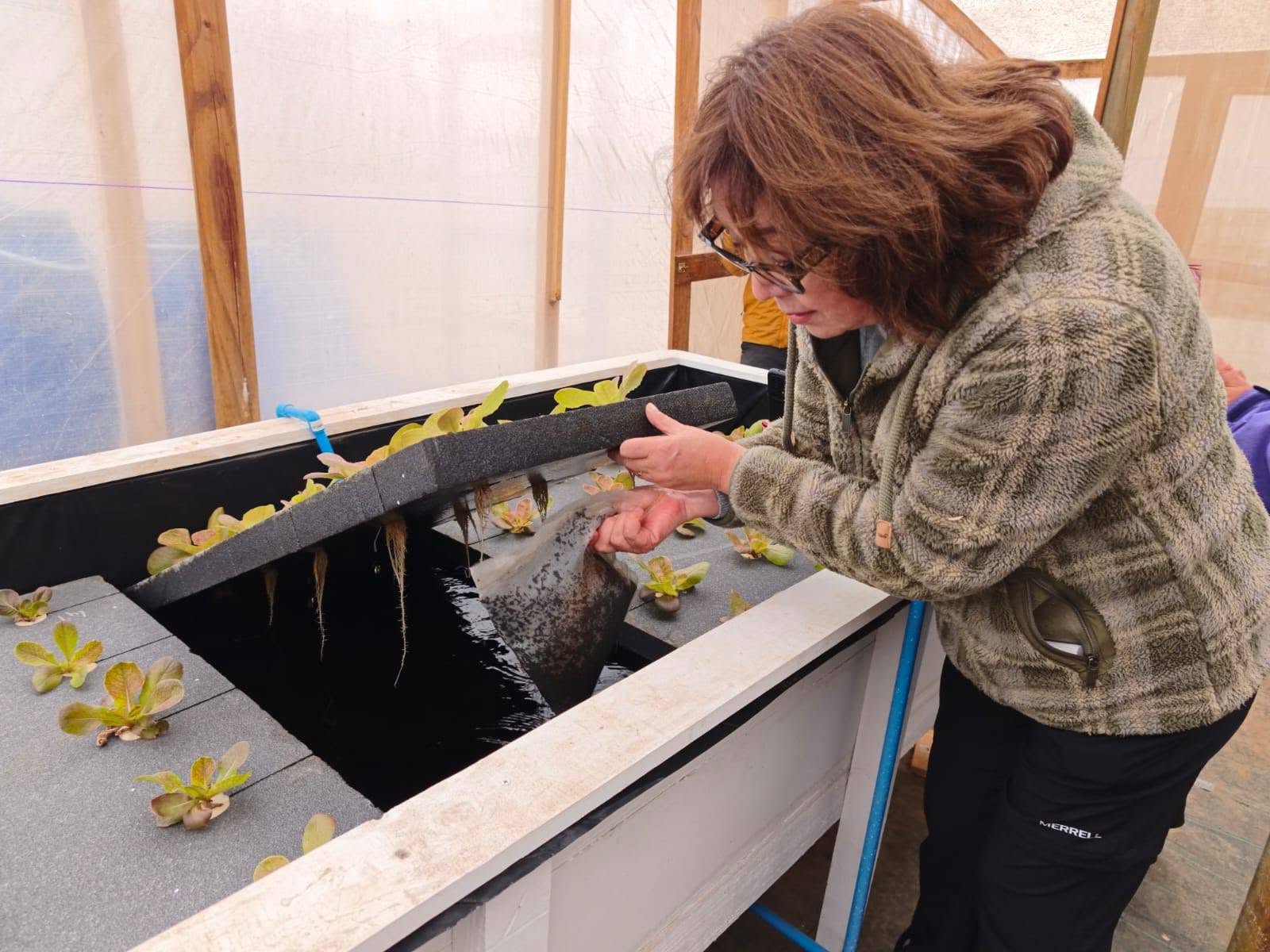
Marco Carvajal, professional of Fundación Chinquihue and director of the project, explained that these water sampling and subsequent laboratory analysis should be performed with a frequency of 15 days over twelve months, this in order to be able to know the frequency of the spawning: "It is very important to work all this time on the ground in order to close a cycle annual production and thus progress in one of the main expected results, which is to achieve the ability to capture seeds for their future fattens in aquaculture systems."
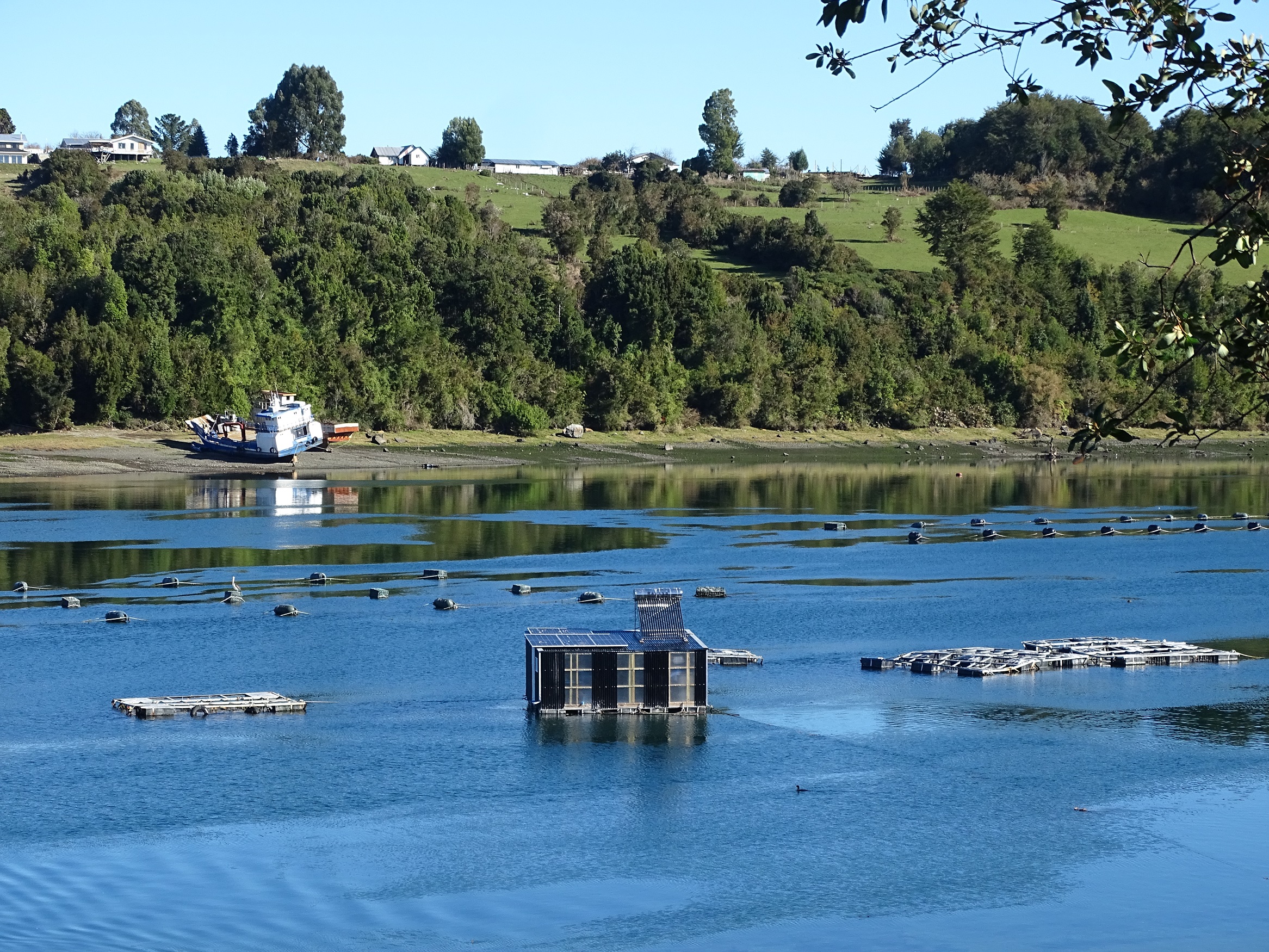
It will be worked in the context of this project with a series of organizations of the area, as well as with individuals, dedicated to the capture and fattening of benthic resources.
Carvajal said, on the same line, that "there has already been a approach and contact with organizations as the project envisages parallel work with these and their members. In addition, it is of relevance to be able to know requirements and projections as regards small-scale aquaculture in the territory."
The project will be extended around a year and a half, which once completed expects to identify and establish four areas for the collection of seeds of benthic resources of commercial interest in both regions.
*Photo credits: courtesy of Fundación Chinquihue.