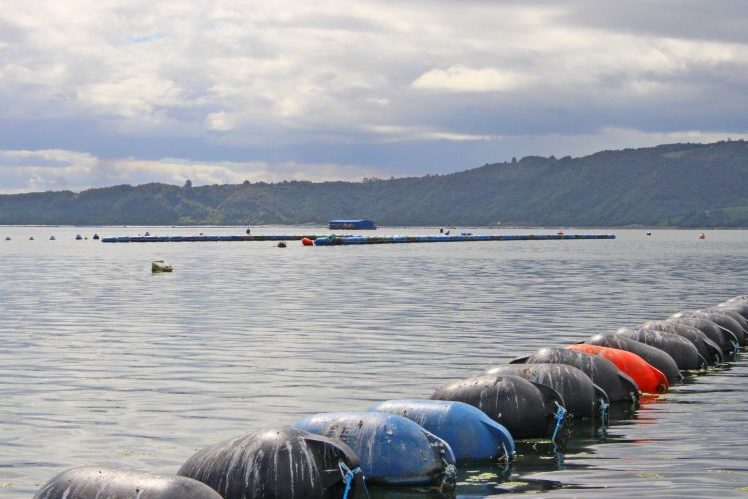
International experts analyzed strategies for the sustainable management of marine aquaculture, addressing key issues such as governance, access to spatial information and the conservation of ecosystems.
The principal researcher of the Interdisciplinary Center for Aquaculture Research (INCAR) which is sponsored by the University of Concepción (University of Chile), Dr. Doris Soto, participated together with 25 other world experts in a workshop on spatial planning of the marine aquaculture, which took place in the offices of the Food and Agriculture Organization of the United Nations (FAO) in Rome, Italy, between October 29 and 31.
FAO and other global and regional marine space management organizations have developed numerous initiatives and publications on spatial planning of aquaculture in the marine ecosystem (Peam), however, progress in implementing satisfactory spatial planning has been limited.
"Coastal marine ecosystems are vulnerable to pollution, habitat destruction and overexploitation of resources. Multiple human activities, including aquaculture, can bring even more in danger important and often significant ecosystem services fragilein addition to having a negative impact on the biodiversity. In recent years, marine aquaculture has become a promising economic sector because of its potential contribution to sustainable development. food securityeconomic development, employment and livelihood opportunities. However, the expansion of the sector must address issues relating to sustainability environmental issues, spatial conflicts and regulatory aspects. In order to meet these multiple challenges and promote the sustainable development of the sector, it is increasingly necessary to adopt management strategies integrated and forward-looking territory, key to the development and management of human activities that are effectively sustainable," explained Dr. Soto.
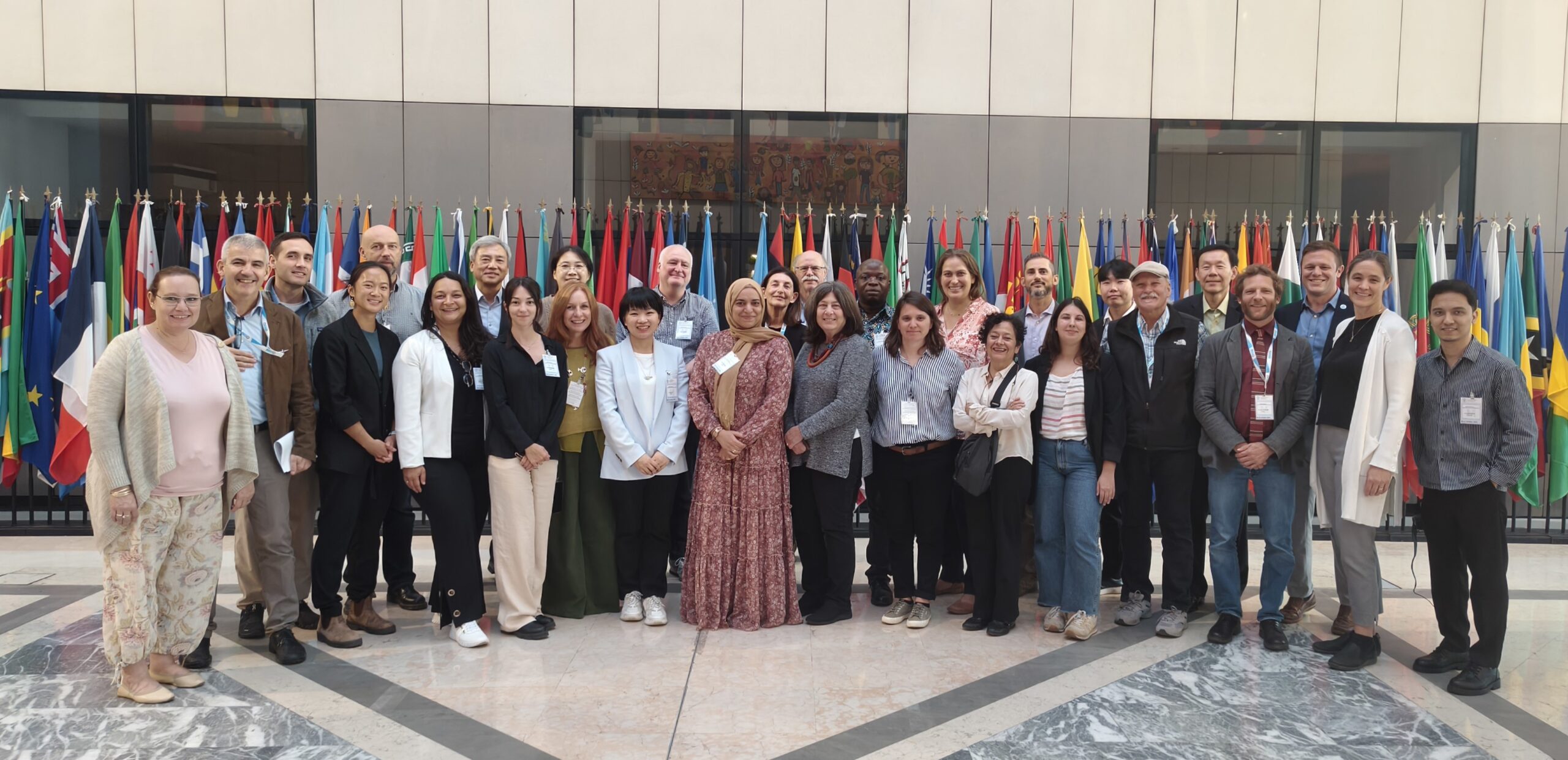
The experts addressed five areas priority attention and recommended actions for both FAO and countries and regional organizations around these five areas which include:
- Governance to support Peam, especially taking into account the coordination of institutions within and outside the aquaculture sector and public-private coordination.
- Improvements in the generation of and access to spatial information for a more effective Peam.
- Criteria and guiding elements for the allocation of marine spaces, joint use of marine space, consideration of land-to-sea interactions and adaptation to climate change.
- Building and expanding capacities for better management and implementation of the Peam.
- Marine space planning for aquaculture considering the conservation and restoration of ecosystems.
"As a result of the meeting, a proposal for road map and strategies for more effective spatial planning of marine aquaculture, its implementation and monitoring," concluded Dr. Doris Soto.
* Credits from the featured photo: INCAR Center.