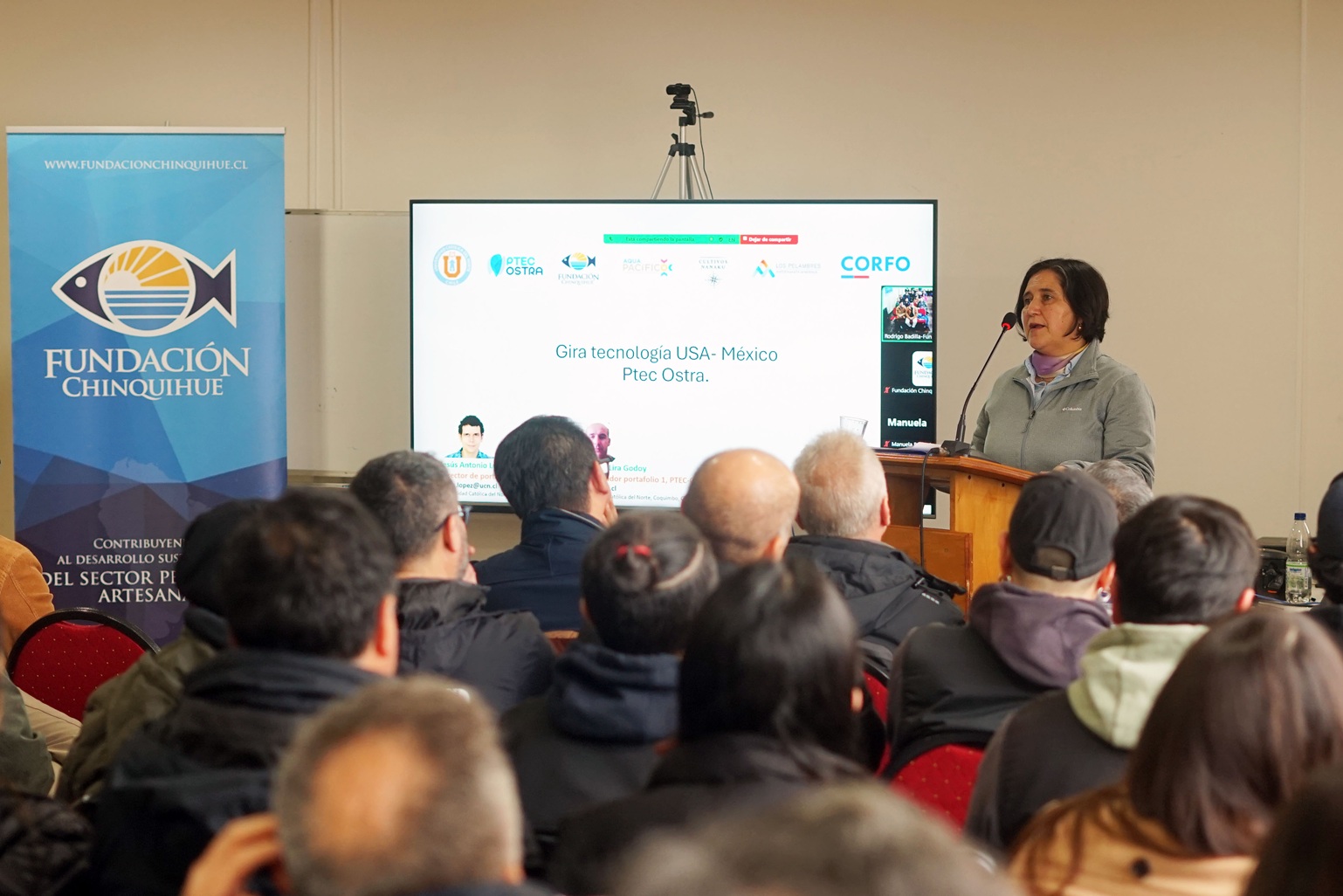
The meeting was called by the "Technological Program for the development and sustainable scaling of the cultivation of the Japanese oyster resource (Crassostrea gigas)", which is carried out by the Universidad Católica del Norte (UCN) and funded by the Corporation for the Promotion of Production, CORFO.
During two days and in two different points of the Los Lagos region, it was carried out the workshop called "Scope of the technological program for the cultivation of the Japanese oyster resource in Chile"
The meeting was held in the cities of Puerto Montt and Castro, and brought together local authorities, academics and small-scale aquaculturists who carry out their productive activities in the territory.
In the regional capital of Los Lagos, the meeting point was the Chinquihue Foundation, one of the co-executing entities of the programme, while in Chilota lands the workshop was held at the Ceduc UCN premises, located in the Nercón area of the Castreña commune.
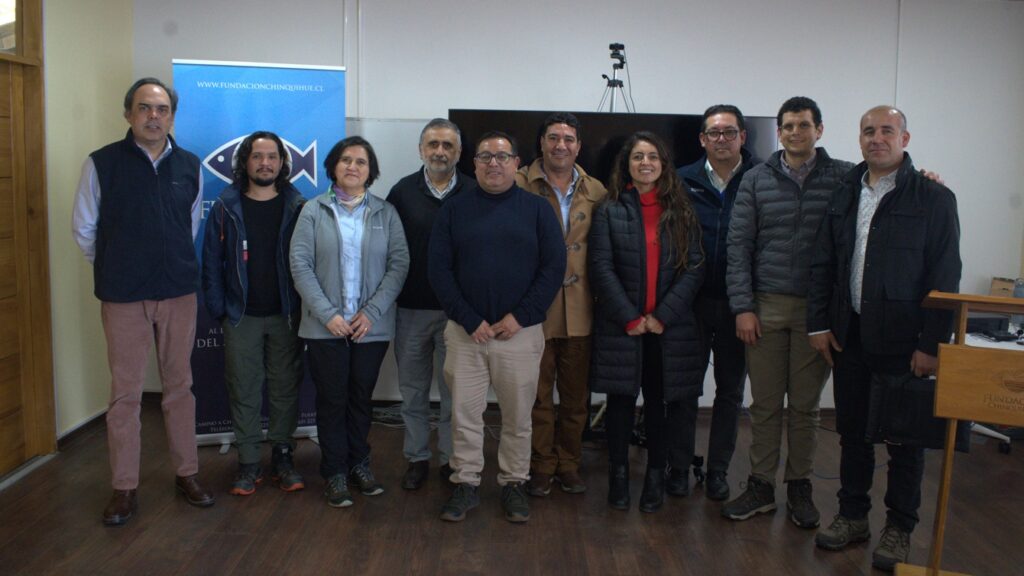
At the end of the activities, Niris Cortés, dean of the Faculty of Marine Sciences at the Universidad Católica del Norte, highlighted that "this workshop is key for the UCN and local producers, as it allows to show advances, receive feedback and motivate new actors to join the project. Moreover, the participation of institutions and public services reinforces how the different mechanisms of the State can enhance the initiative''.
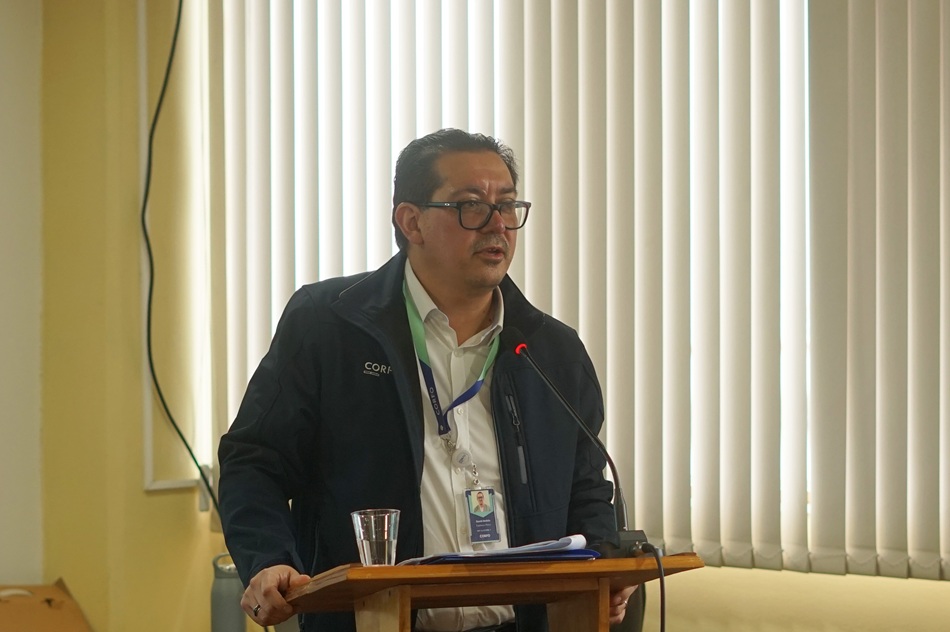
From the productive development field David Espinoza, regional deputy director of CORFO Los Lagos, stated: "We consider very important the work being carried out by the Japanese Oyster Technology Programme, in particular what is being developed in the Los Lagos region, with small aquaculturists, homologating the seeds, in order to have a homogeneous product for the market, but also the strengthening of the hatcheries, which in this particular case corresponds to the Chinquihue Foundation.
Javier Valencia, deputy manager of the area of Innovation and Development of Fundación Chinquihue, said that “the workshop was, from my point of view, a very useful instance to bring together those who are part of the research area with the users who are currently cultivating the oyster resource. These instances allow sharing information and knowledge to advance the necessary changes in the productive activity we seek strengthen.”
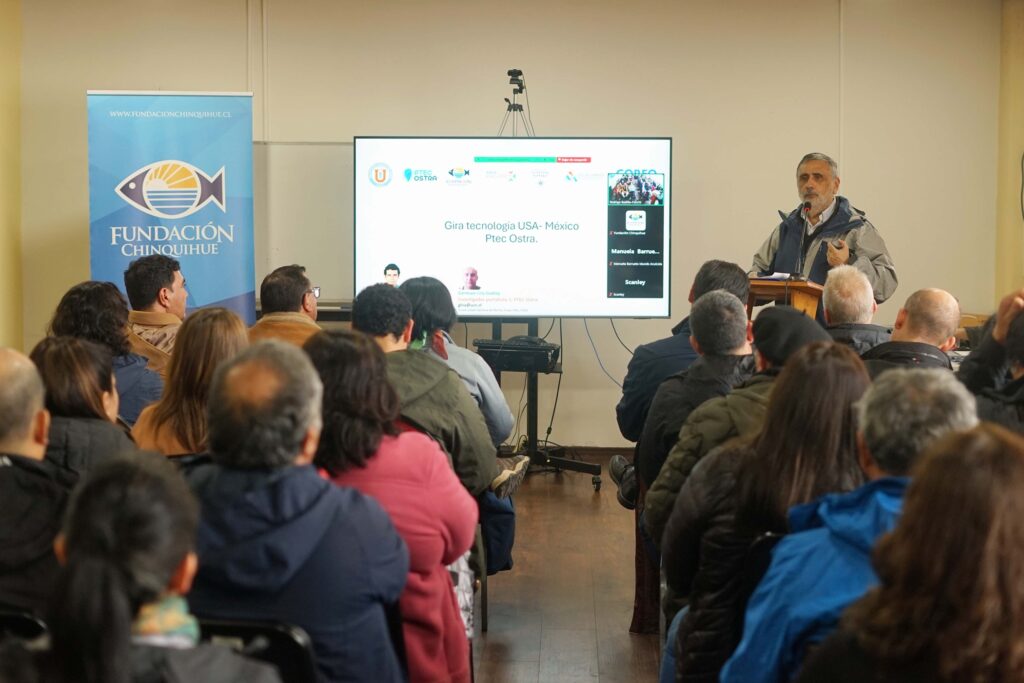
Also, Gonzalo Álvarez, alternate director of the program and director of stage N°2, dedicated to analysis of safety of the Japanese oyster, said: “The balance of the program is positive, since Portfolio 2 seeks to establish a baseline on pollutants that can affect the food safety of the Japanese oyster, such as marine toxins, heavy metals and microbiological aspects. An important point is the active participation of the beneficiaries, they themselves are taking the samples and soon we will have results that we can share with them.”
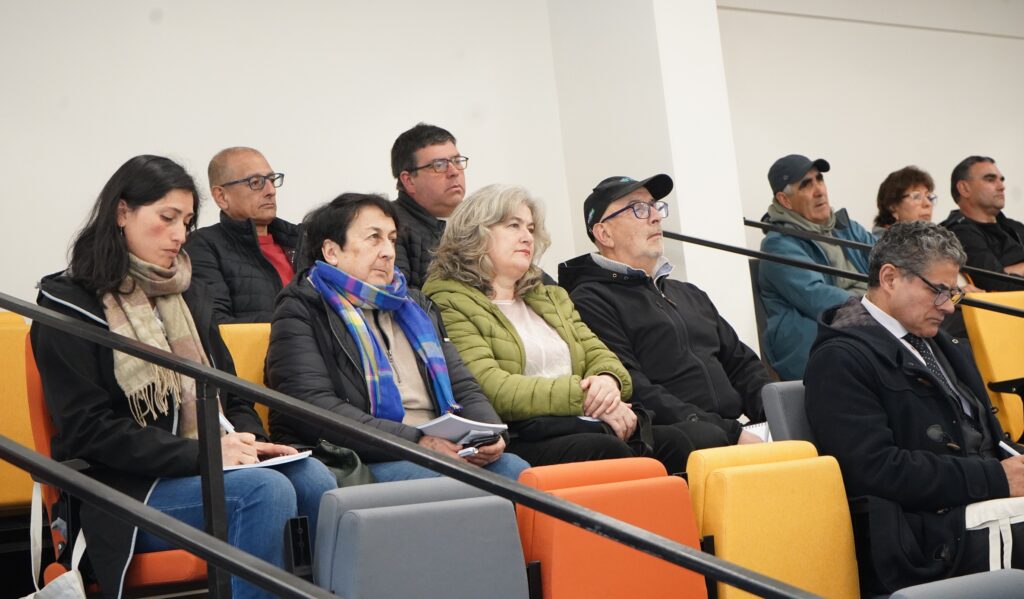
On the other hand, Daisy Carreño, in charge of Small-scale Aquaculture (SME) of the Undersecretary of Fisheries and Aquaculture, said that the Japanese Ostra PTEC is an initiative that is especially linked to small-scale aquaculture farmers, seeks to guarantee the production of quality seeds, ensure the safety of oysters and strengthen technical and commercial capacities through a collaborative management model. So the participation of institutions such as INDESPA, IFOP and SERCOTEC, together with our work in the Strategic Committee of the programme, reflects the inter-institutional effort to generate technical and productive capacities.
The vision of the producers was also present, Juan Carlos Elgueta, from the municipality of Calbuco, added that “these meetings are essential to clarify doubts, define the next steps and strengthen joint work. Knowing the recent tour of the program to the United States and Mexico was very valuable, because it allows us to identify new technologies to implement and thus continue developing the oyster growing industry in our area.
Programme
The workshop began with the respective words of welcome, which were led by the deputy director of CORFO Los Lagos, David Espinoza, the dean of the Faculty of Marine Sciences of the Catholic University of the North, Niris Cortés, the director of the PTEC Ostra Japan, Rodrigo Rojas and the deputy manager of the area of Innovation and Development of Fundación Chinquihue, Javier Valencia.
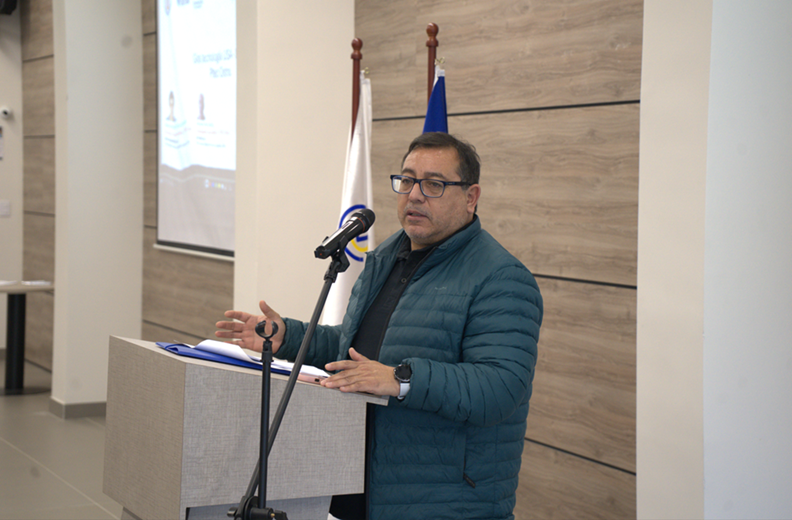
The program contemplated a series of exhibitions, which were initiated by Jesús López and Germán Lira, both professionals of the PTEC Ostra Japonesa, who presented the theme “Technological transfers in crops and hatchery Japanese oyster – advances 2024-2025”.
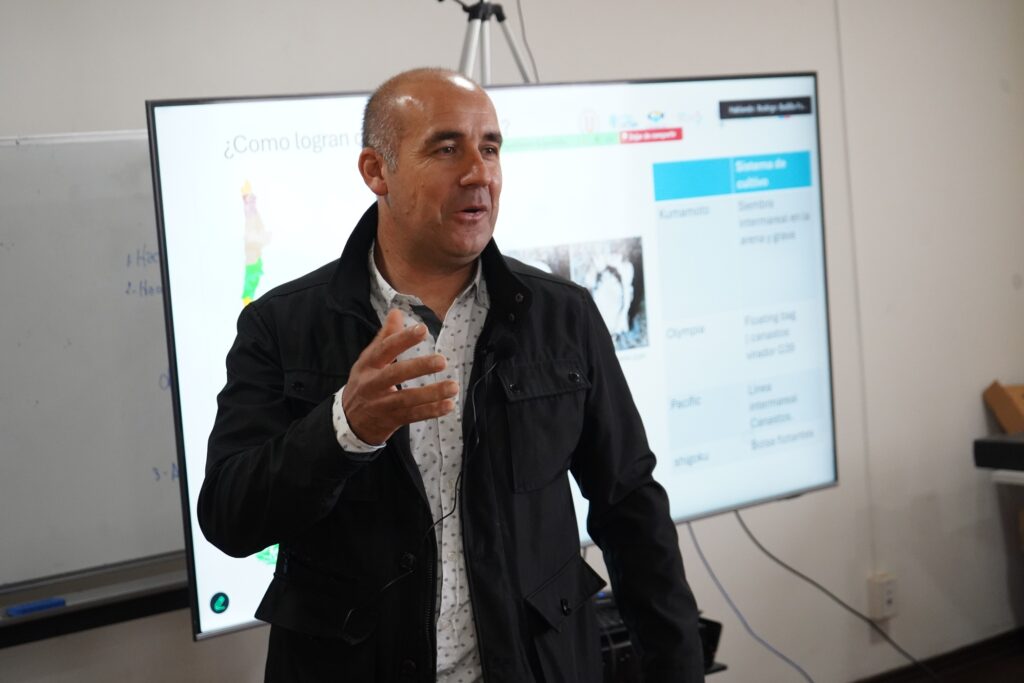
Then Daisy Carreño, a professional at the Management and Policy Unit of the Undersecretary for Fisheries and Aquaculture, SUBPESCA, continued, who presented “Rules applicable to small-scale aquaculture with a focus on species diversification”.
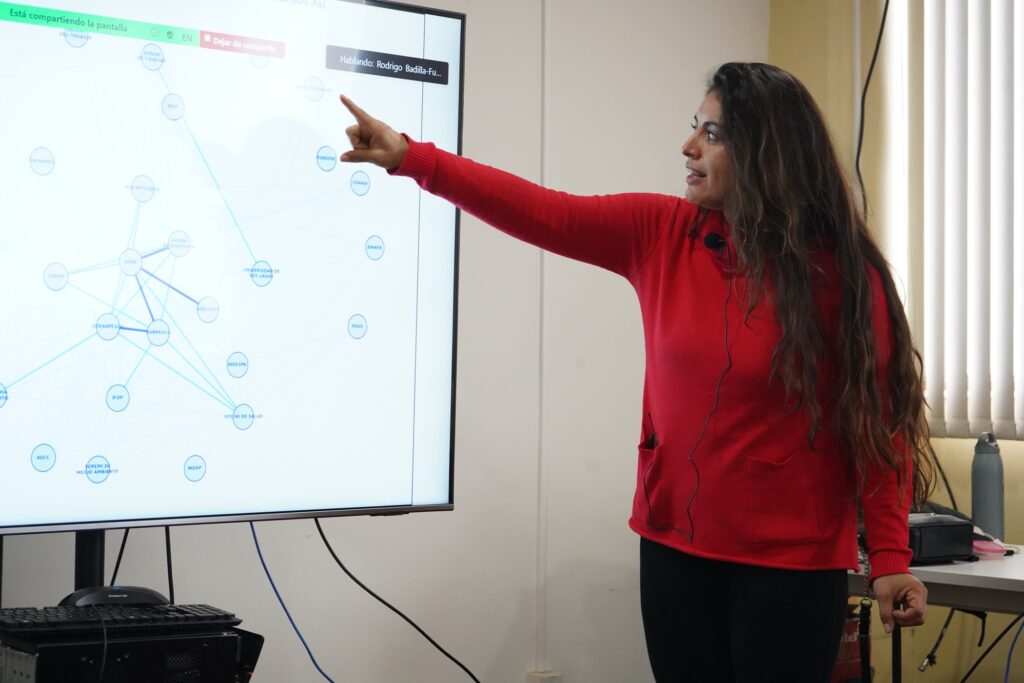
Under the title “Diversification bottom-up small-scale aquaculture (SAP) in estuaries in southern Chile: experimental Japanese oyster crops in areas of a milicultor tradition,” explained Carlos Velásquez, researcher at the Department of Restocking and Cultivation of the Institute of Fisheries Development, IFOP.
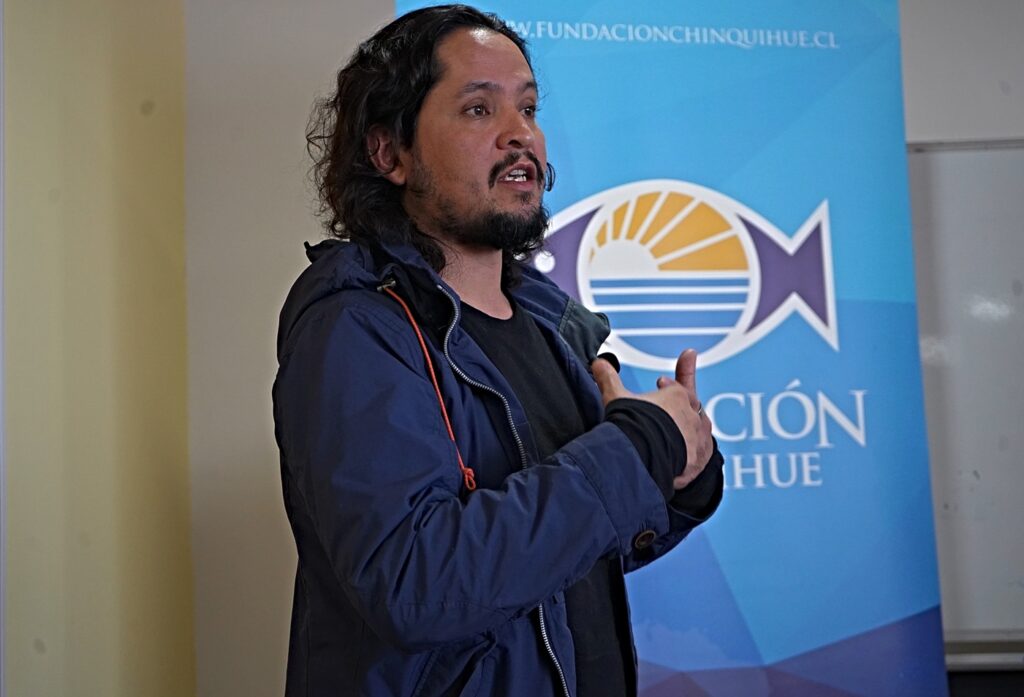
Karla Oñate, regional coordinator of the National Institute for Sustainable Development of Artisanal Fisheries and Small-scale Aquaculture, INDESPA, presented “APE Programme and its funding lines.”
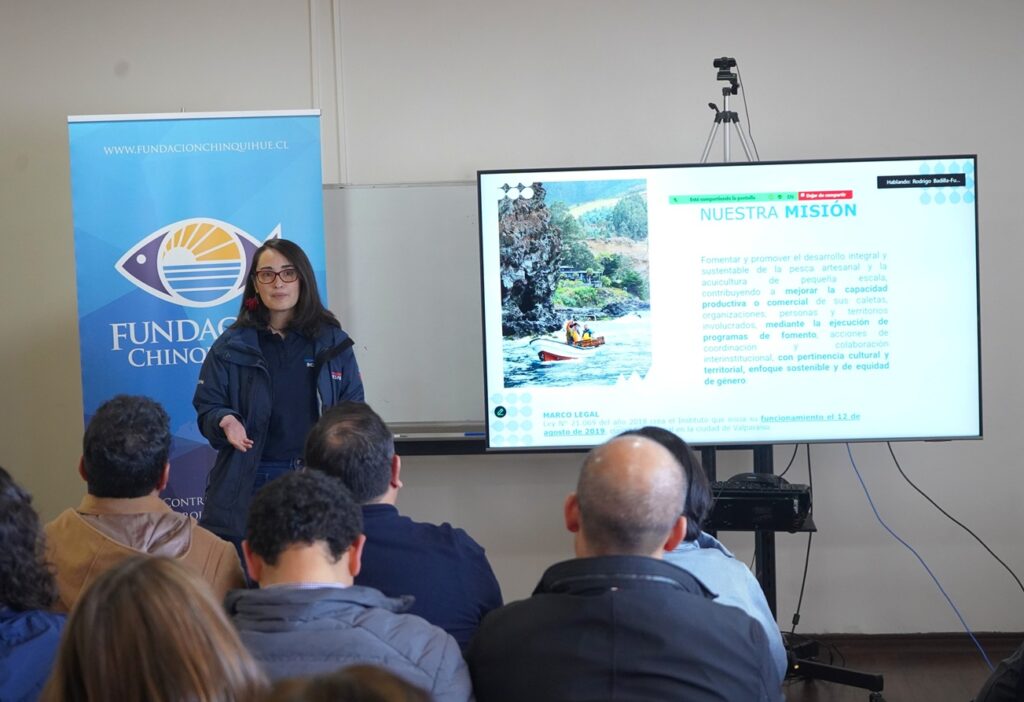
The round of exhibitions was completed by Mauricio Salas, Technical Cooperation Service Development Executive, SERCOTEC. His exhibition was titled “Programs of the institution linked to the association, program ‘Transfer cooperative entrepreneurship Los Lagos’”.
Following the realization of this workshop in Puerto Montt and Castro, the Technological Program for the Development and Sustainable Climbing of the Cultivation of the Japanese Ostra Resource will continue during 2025 strengthening its presence in the Los Lagos Region, with new instances of technological transfer and direct accompaniment to aquaculture producers. In this way, the Catholic University of the North reaffirms its commitment to promote the link between science and coastal communities, thus consolidating the joint work to diversify national aquaculture and in turn enhance local development.