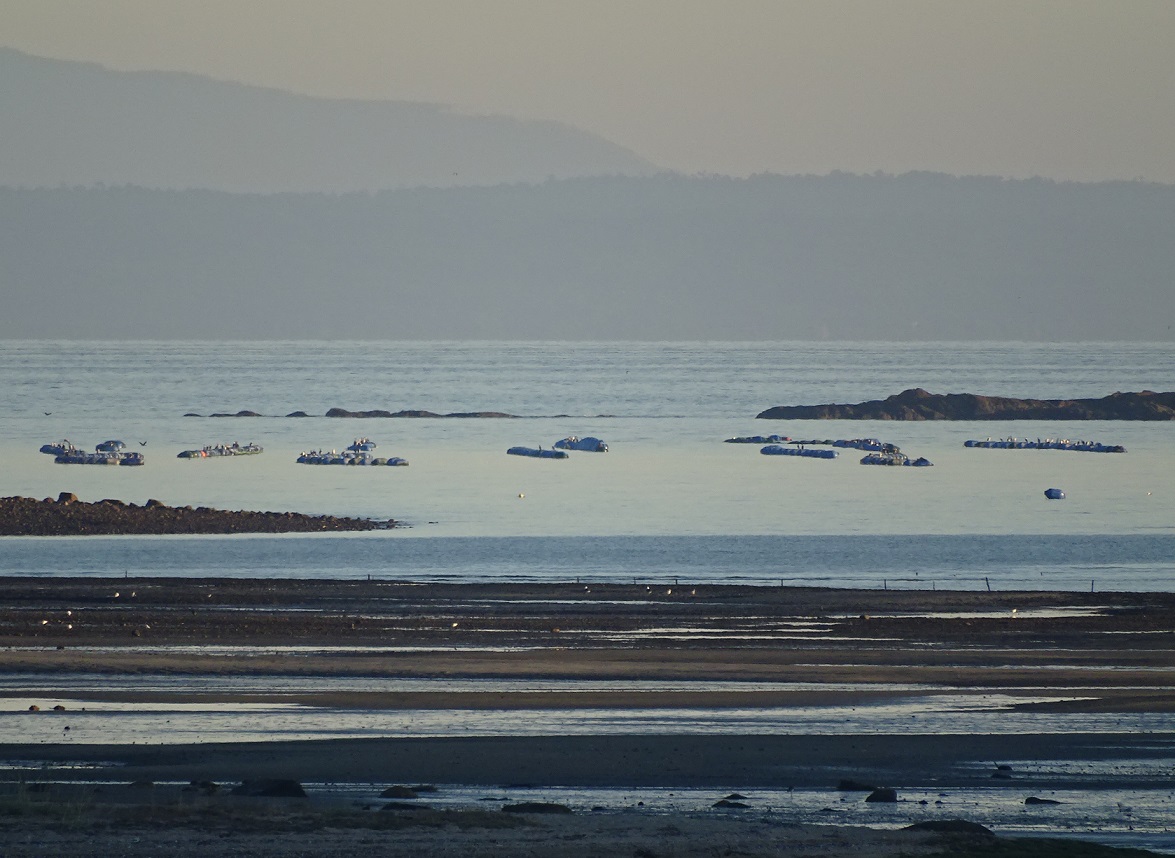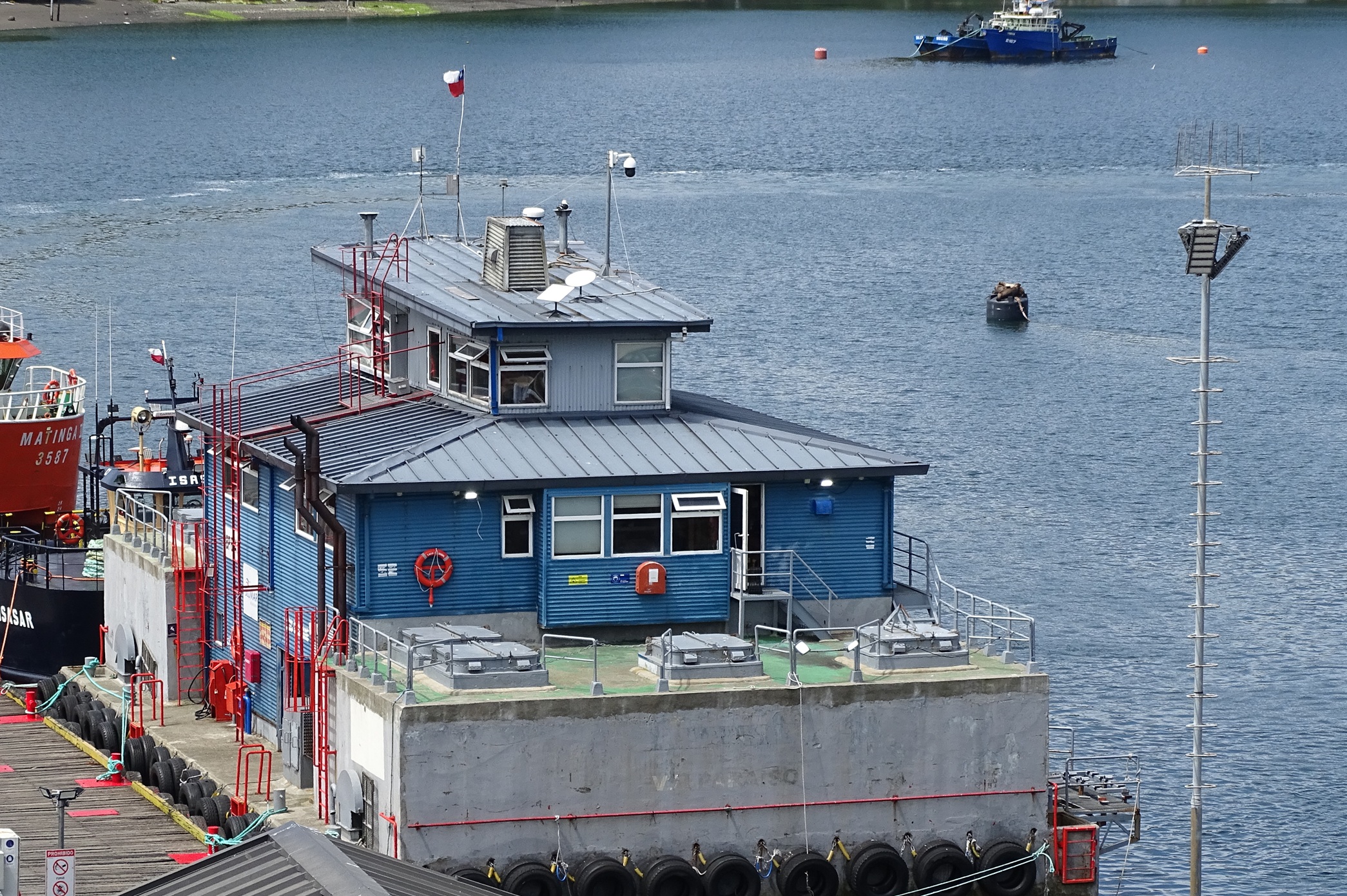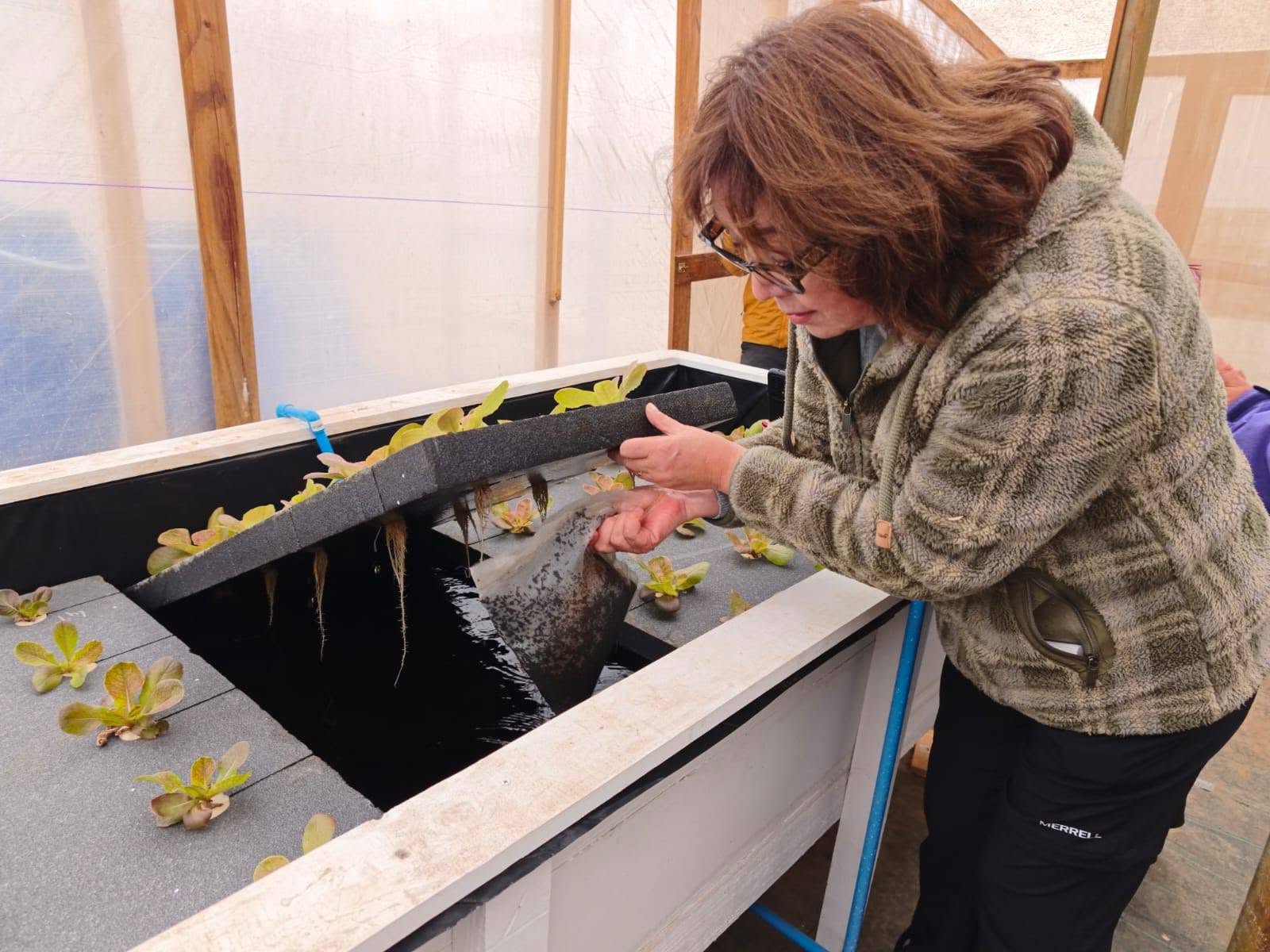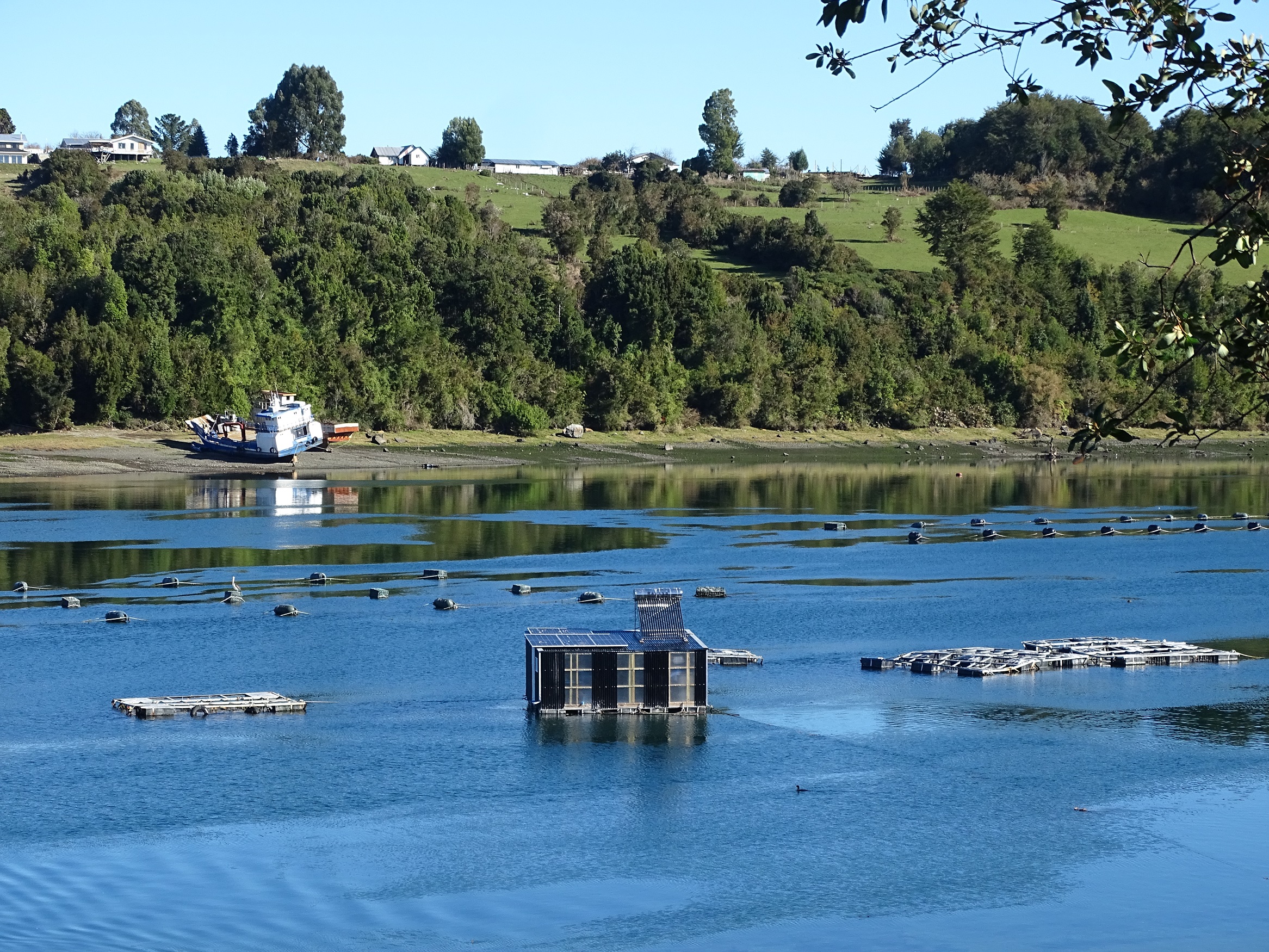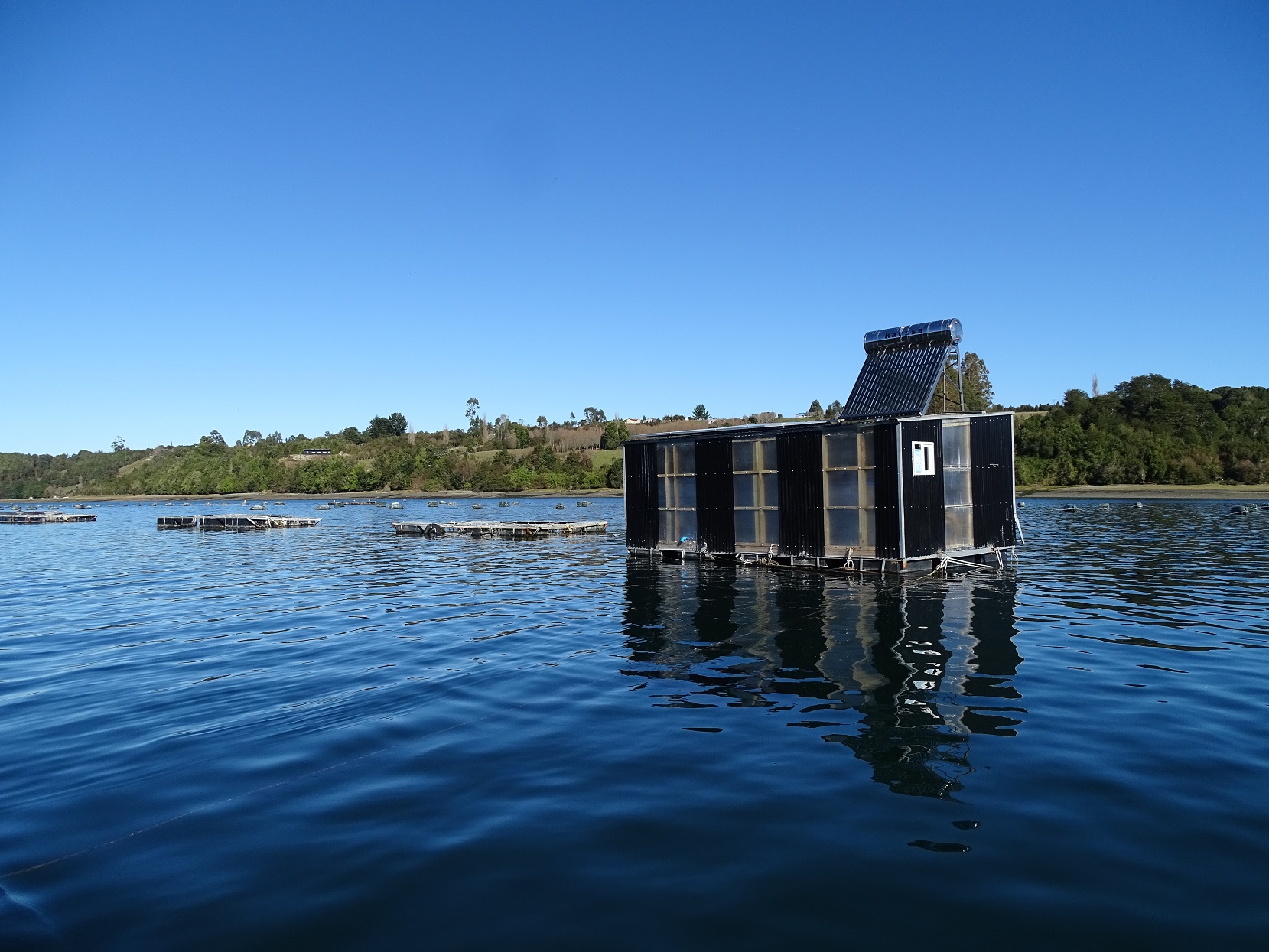
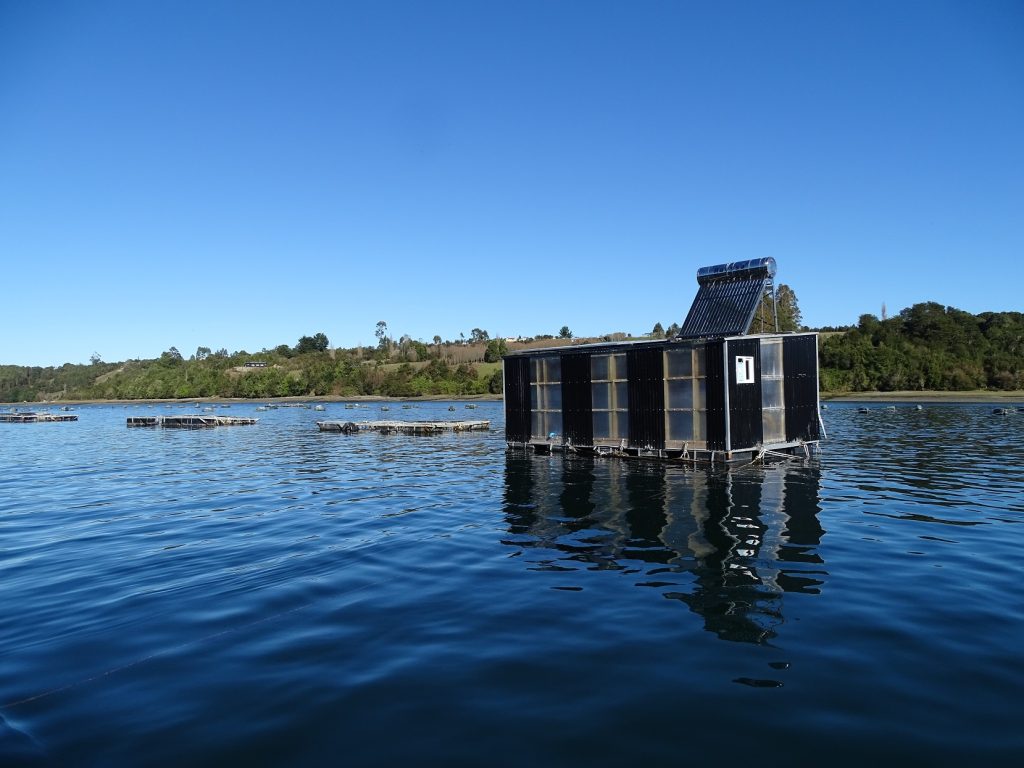
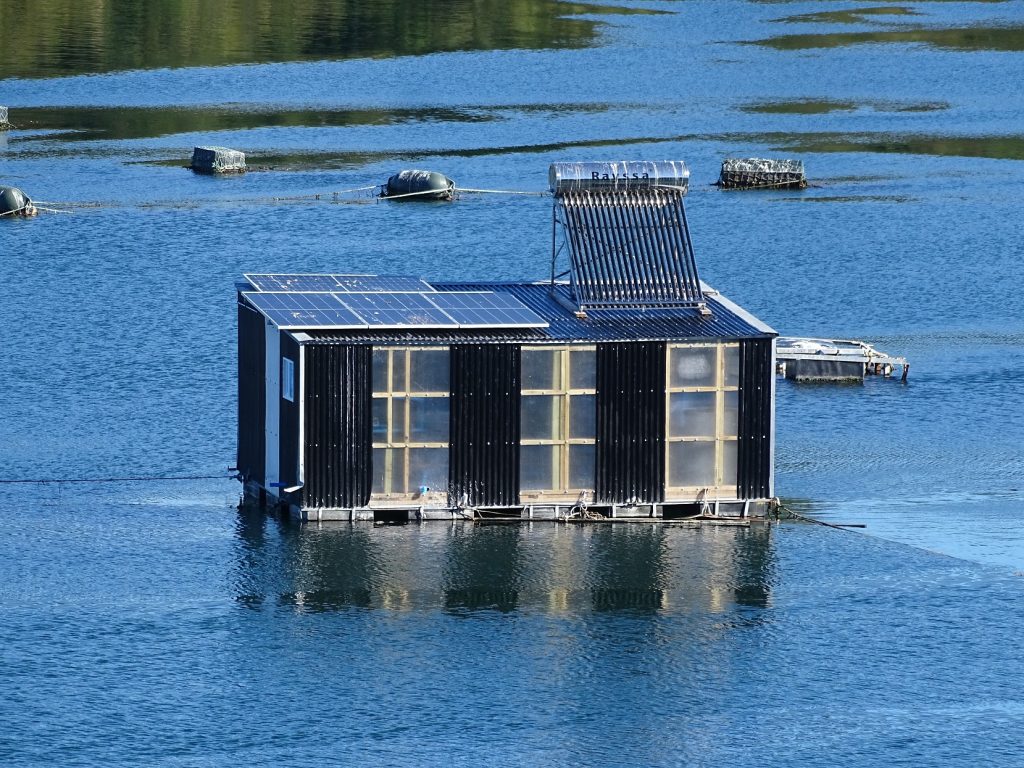
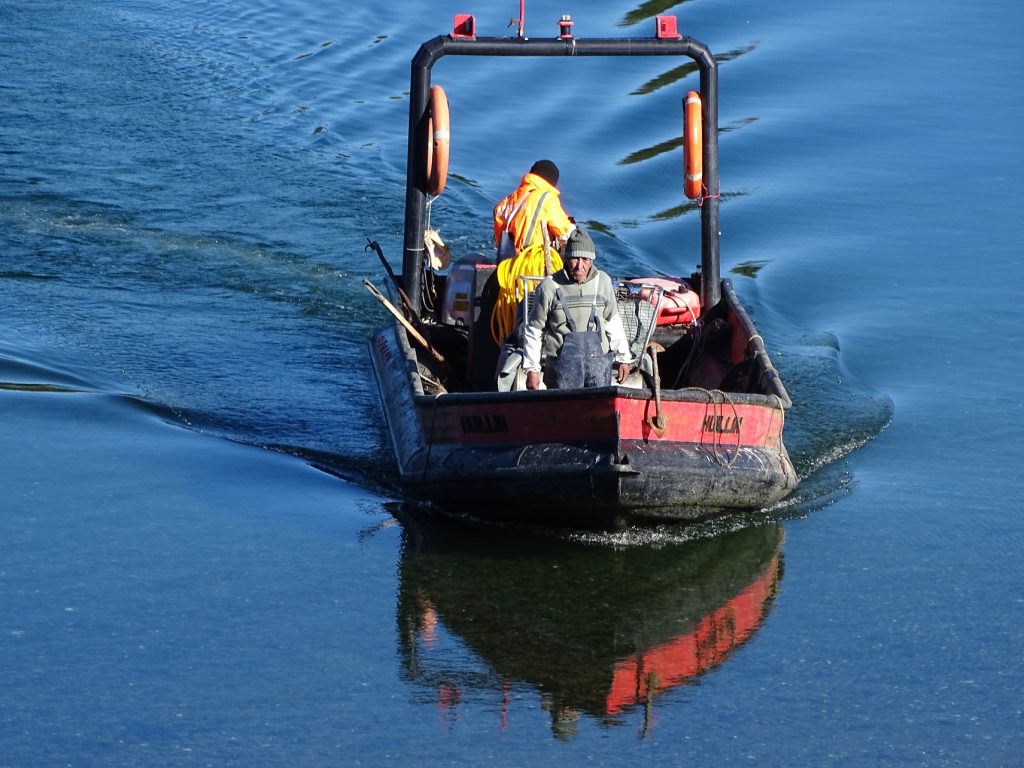
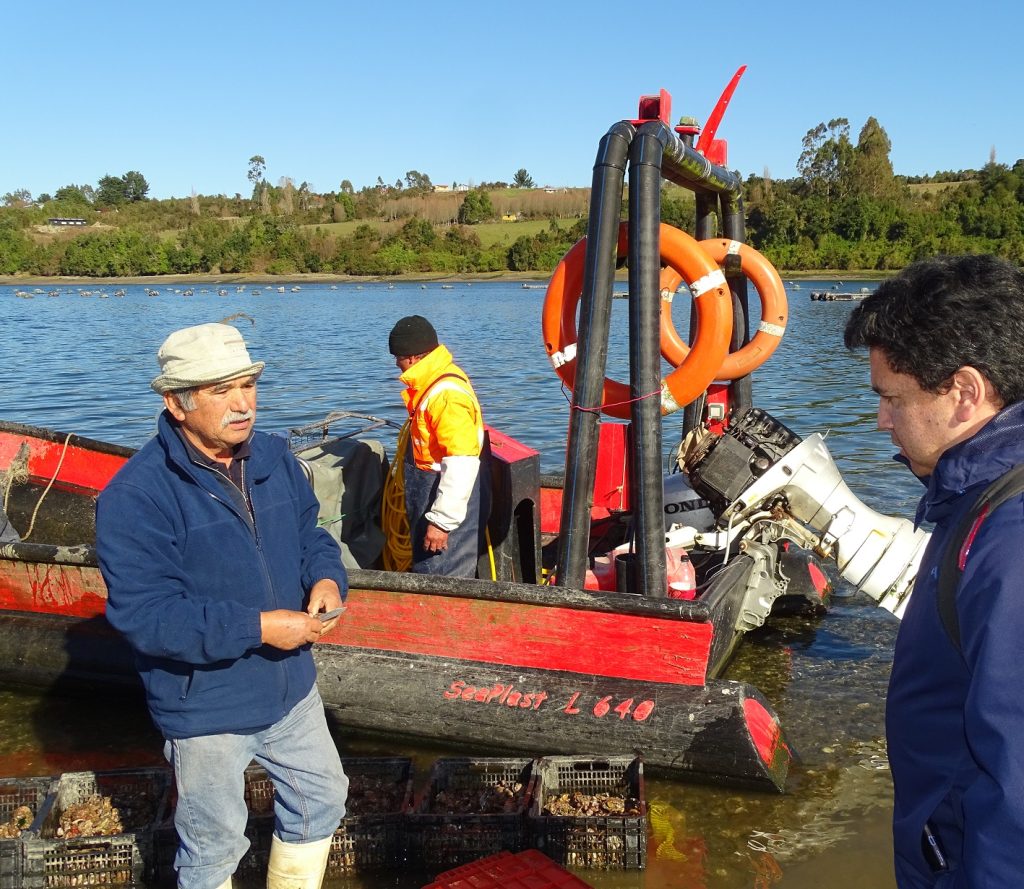
In May, part of the Partnerfish team visited and toured the facilities of Ostras Chile, a company that carries out mollusc farming in a privileged environment surrounded by pristine waters.
By Pedro Barra Léniz, journalist, director of Partnerfish.
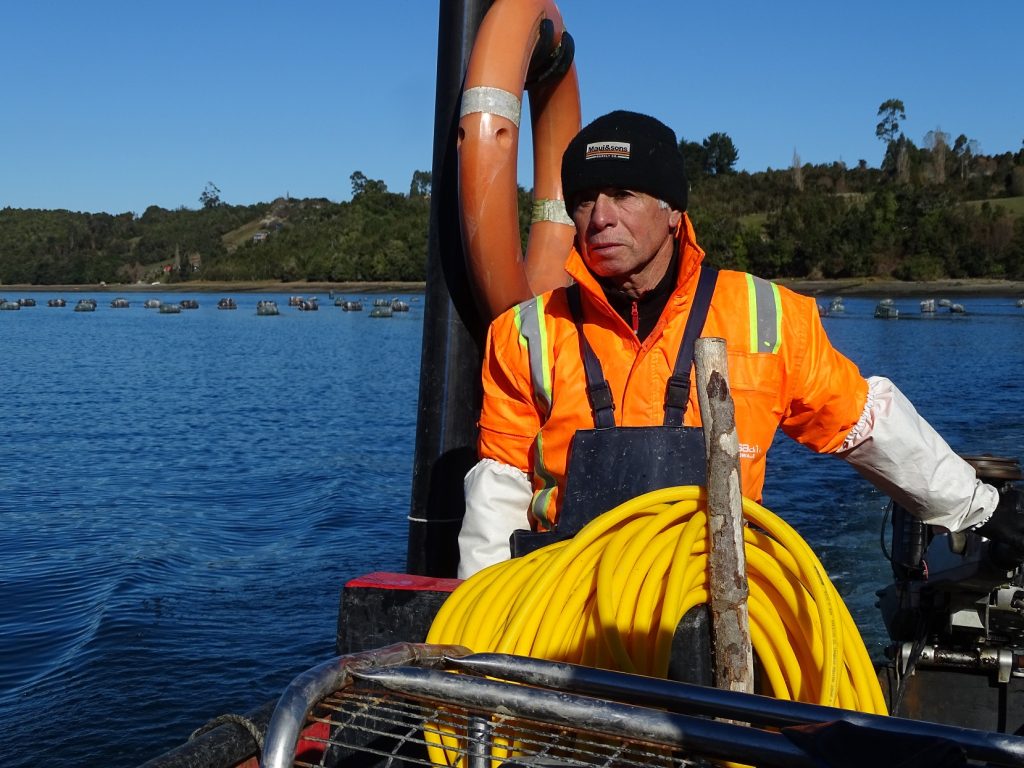
Alberto Paredes, a marine biologist with more than 50 years of shellfish farming experience, is one of the best-known oyster farmers in Chile and arguably in Latin America. Since the late ’60s he has put his knowledge to work in Chile, Argentina and Colombia. He also pursued specialist studies in Great Britain. “That was where I focused all my attention on how to become self-sufficient once go back to Chile. I did a postgraduate in marine biology and aquaculture focused on mollusc cultivation techniques," explains Mr Alberto, who after some years returned to Chile and began to apply all that knowledge, which has given him great fruits and satisfactions.
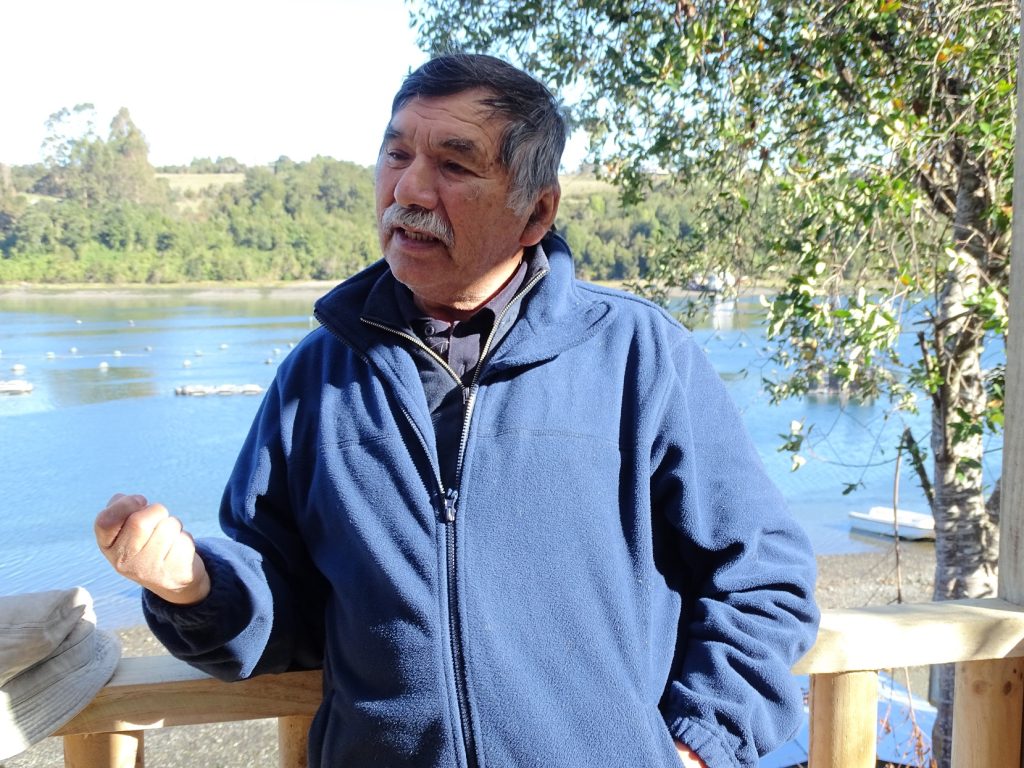
In our conversation, he recalled that after returning to Chile he spent 5 years in the ’80s on a United Nations project studying species such as sea urchins, Chilean abalone and oysters. “We concentrated most on sea urchins. We made great strides in methods for collecting seed and producing large quantities. That was where it stopped, and even today knowledge of the species has barely changed, Unfortunately, just like almost everywhere else. We have serious overexploitation problems and we are doing nothing to recover the resource," reflects the Calbucan producer.
After years of adventures in different places, he settled again in Calbuco, Los Lagos region, from where he comes, to set up an oyster farming center, which was a disastrous experience financially (he was scammed by a partner), but enriching in knowledge. "Sometimes you have the experience, but you don't know how to market it. And selling in a country like this has many aspects, which can make you fail," comments. However, he persisted with his idea and has achieved such advances that he was able to create his own cultivation system and today his oysters are present in the sales rooms of the Jumbo supermarket chain, as well as some restaurants in the capital.
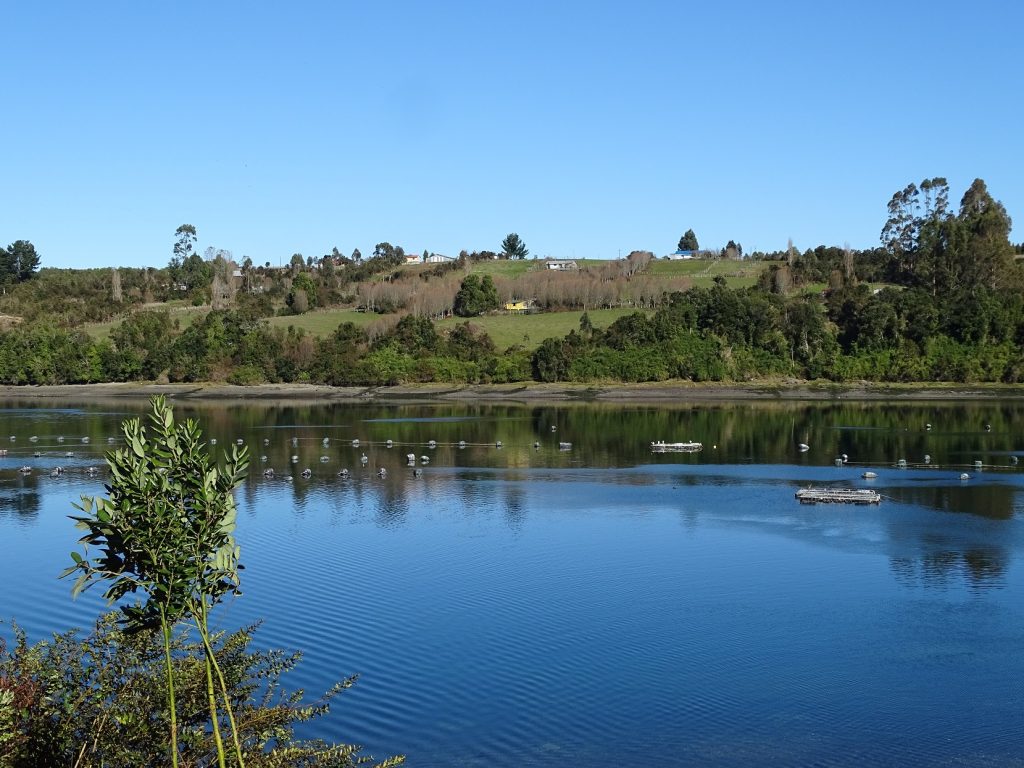
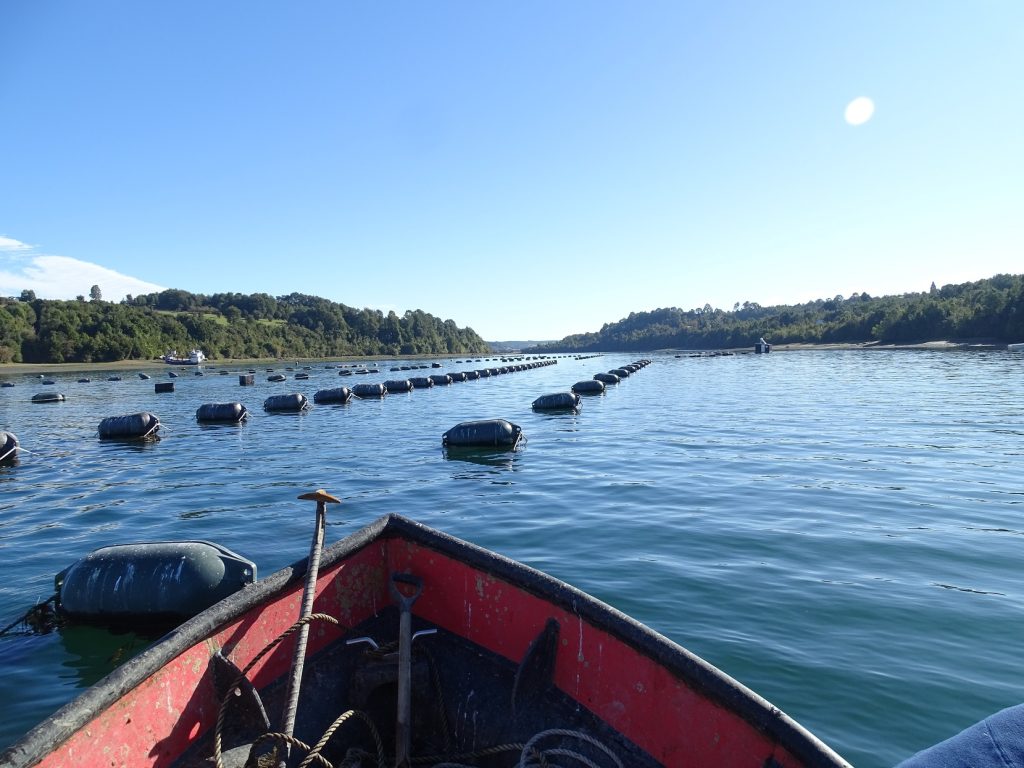
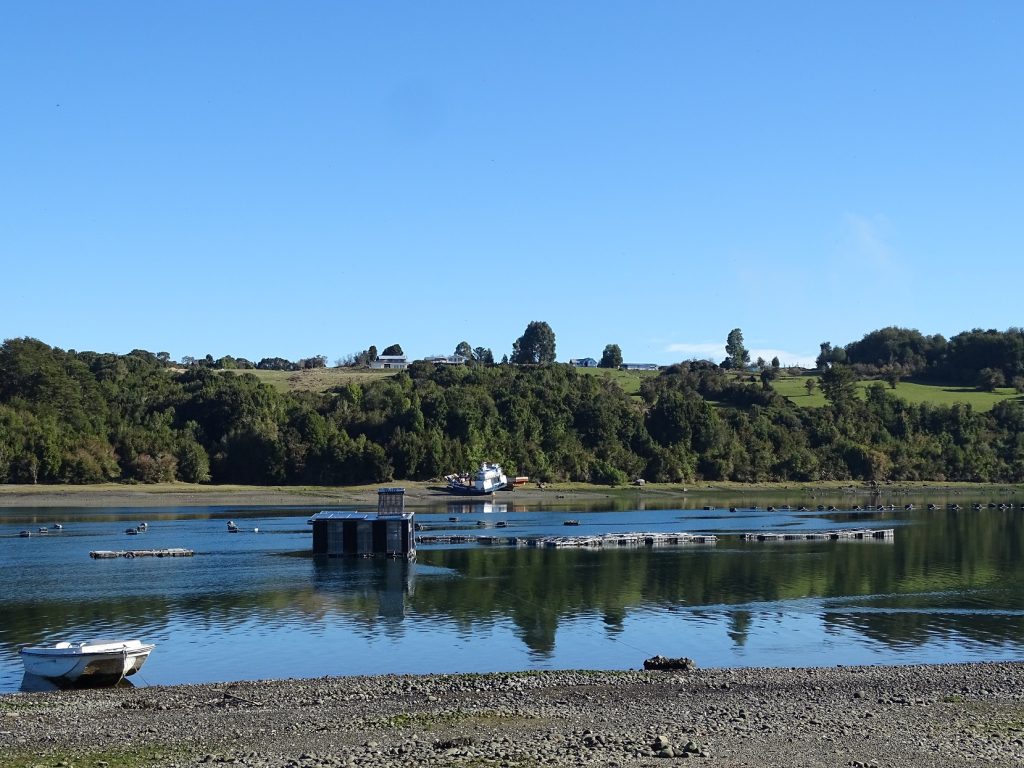
Currently, Alberto Paredes owns Ostras Chile, a company that cultivates Chilean oysters Chilean oyster and Japanese oyster Crassostrea gigas. Its production center is located in a privileged environment, on the banks of the Quihua canal, Daitao sector, municipality of Calbuco. The first thing that impresses when arriving at this place is the beauty of the landscape, in addition to its pristine waters, in which, in addition to oysters, it is possible to observe a variety of species, such as clams, choros, holgas, picorocos, piures and algae. “Small-scale aquaculture has many advantages that people does not see, like the biodiversity under the water,” says Paredes, who, through his venture, also gives work to several neighbors of the place.
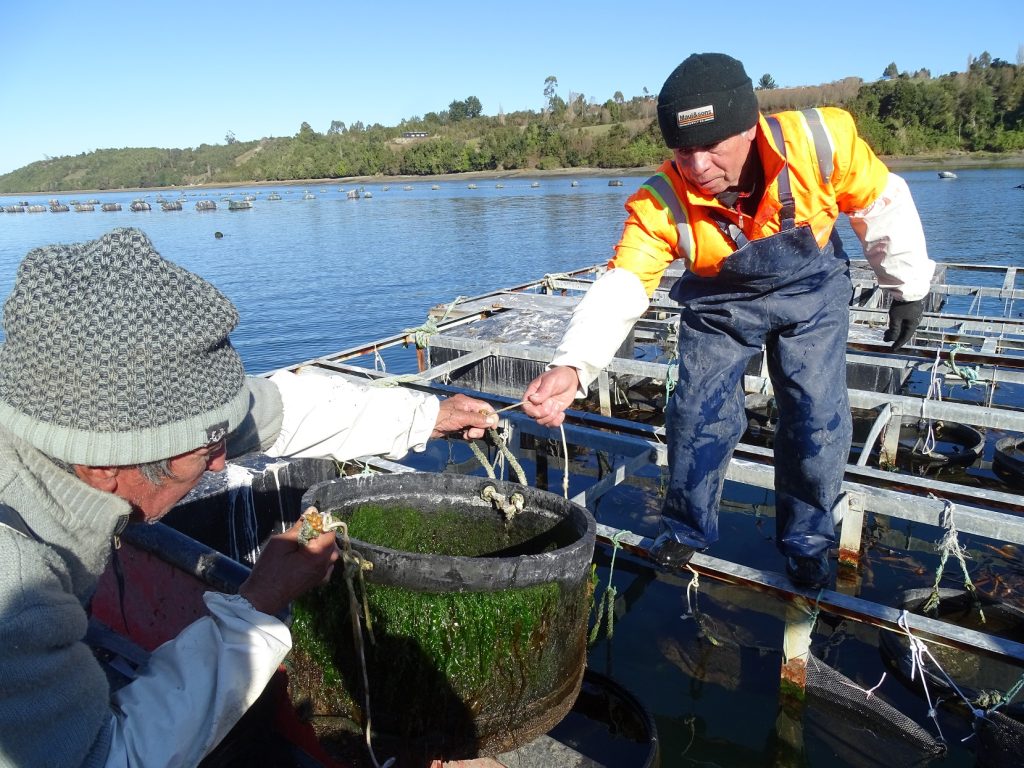
The cultivation of molluscs is not easy, since it requires a constant selection, cleaning and change of place of the specimens, which vary from container or substrate according to their growth and size. A relevant aspect is that this center has its own Chilean oyster seedling, which allows it to have continuity in its cycle, along with being able to supply other producers.
Own system
The oyster culture cycle begins with the seeds. Currently, Ostras Chile has 2,500 seed collectors, representing approximately 500,000 individuals. “It could produce more, but the subsequent sale is what complicates,” says Don Alberto, who also uses the shell of the holga as a substrate to fix the seed of the oyster.
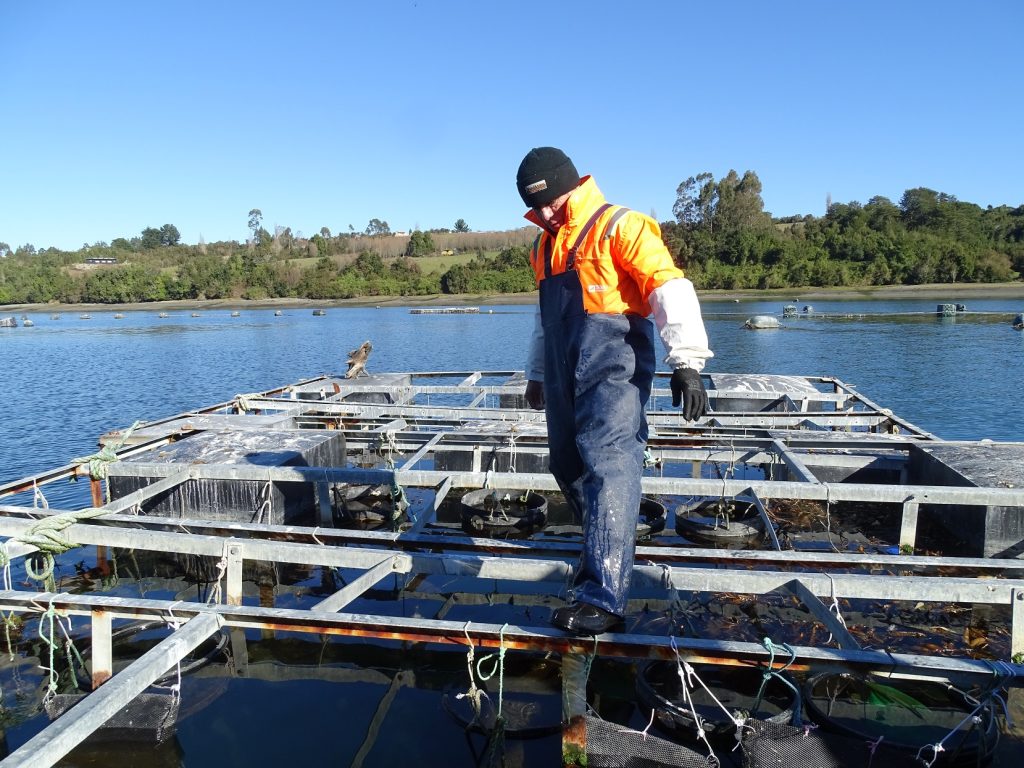
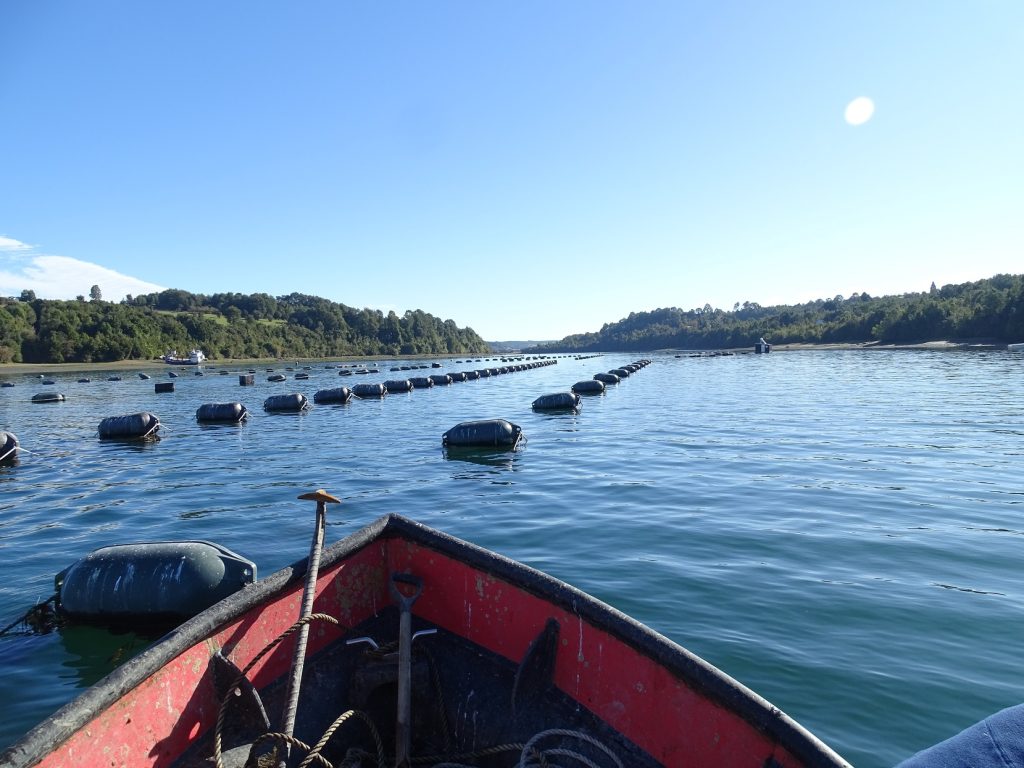
Each line has approximately 25,000 copies of these, while each tube or bag of forced flow, a system developed by Alberto Paredes himself, contains between 220 and 250 copies, which when reaching adult size remain in 120 units. That is, each double longline - or growing line - has between 250 and 300 bags, representing between 25,000 and 30,000 oysters to harvest.
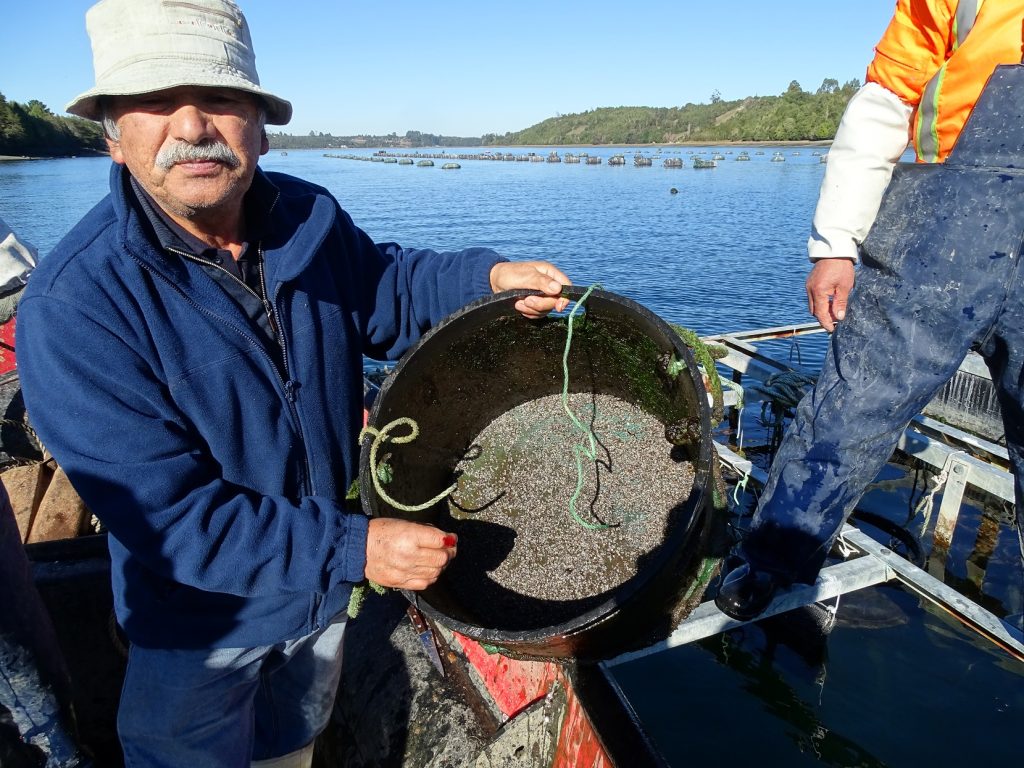
And although the majority of oyster crops use the cradle lantern system for the development of bivalve molluscs, such as ostiones centers, Ostras Chile created its own method for the growth of seeds with HDPE material, called “Peares system”, by the acuicultor himself. “That other system is more expensive and harder to clean. However, with this system, individuals grow faster, as water enters below. and comes out from above, moving both by the waves and by the currents,” explains Don Alberto. This system attracted considerable attention at an international ostriculture congress, held in France more than a decade ago (year 2012), so Paredes estimates that today it is also used in other oyster-producing countries.
Crop cycle
Two years and months, depending on each species, is what delays the entire oyster culture cycle. The first stage lasts about a year (seed), a second stage of fatting from another year, and then moving the specimens to smaller bags, where they grow another 5 months, approximately, until their harvest. However, the duration of the entire process varies between each species: approximately two years for the Japanese oyster, while the cycle can reach almost three years in the case of the Chilean oyster.
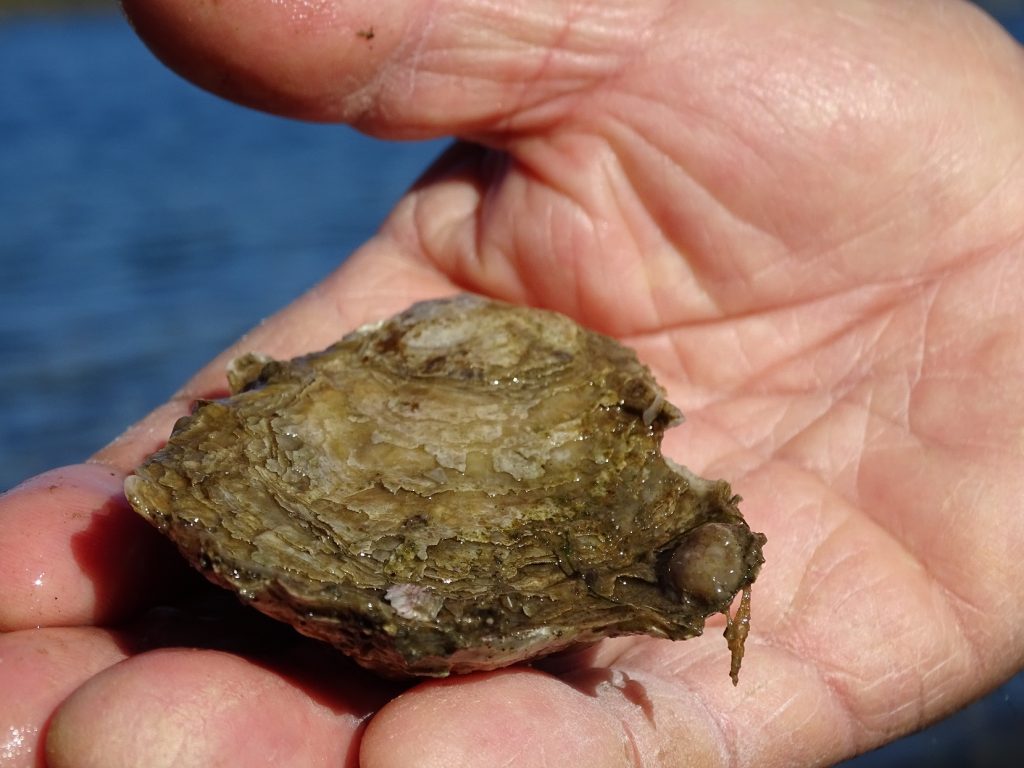
In this way, today Ostras Chile has an annual production of approximately 150,000 to 200,000 Japanese oysters, while in Chilean oyster between 200,000 and 300,000 units. As for the meat-weight of the oysters that Alberto Paredes grows, it goes between 8 and 10 grams, while the gross weight goes between 25 and 30 grams the Chilean oyster. “Crop oyster has a huge advantage in meat-weight, as it has 30% more than the bank’s natural,” says the acuicultor professional.
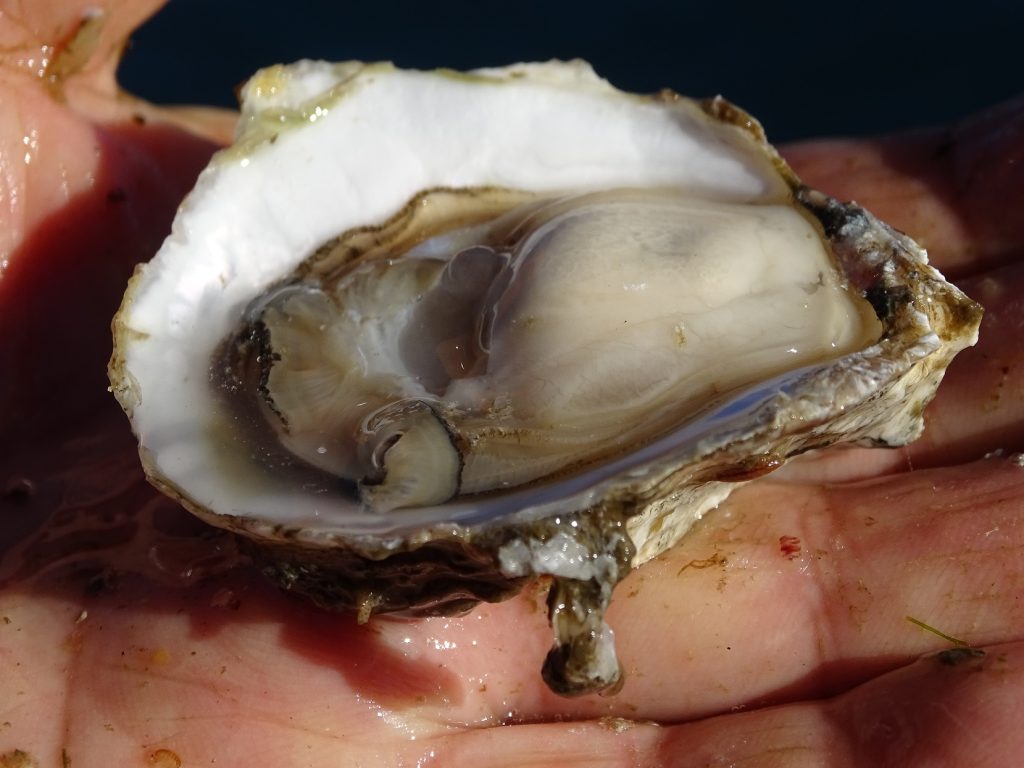
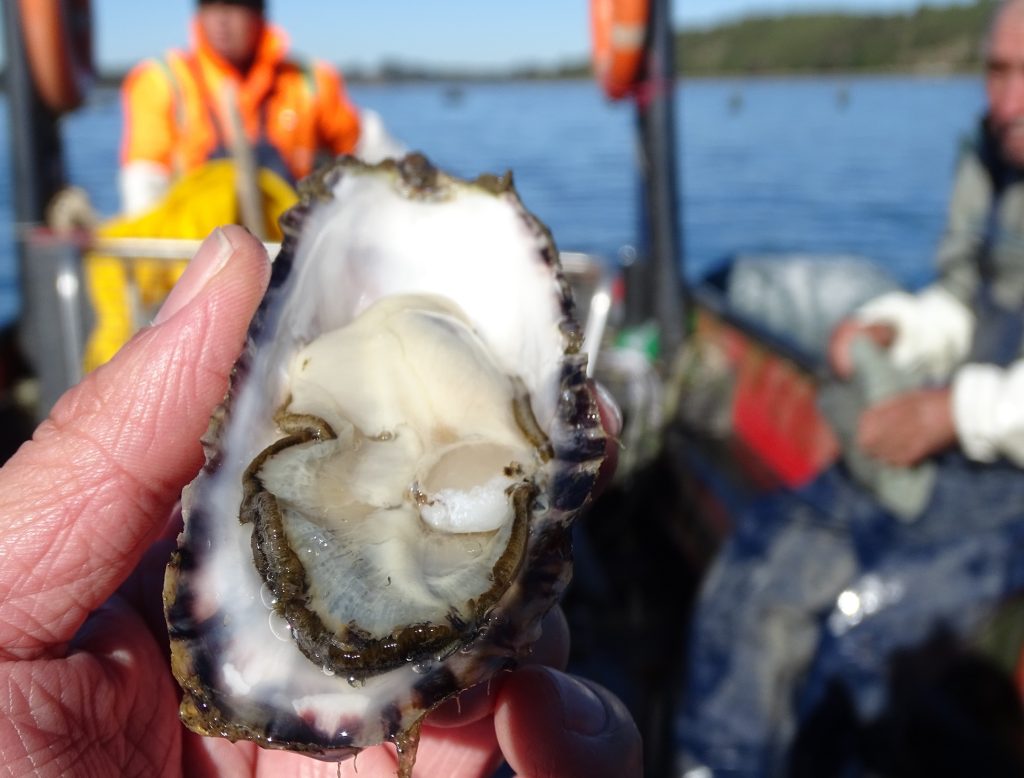
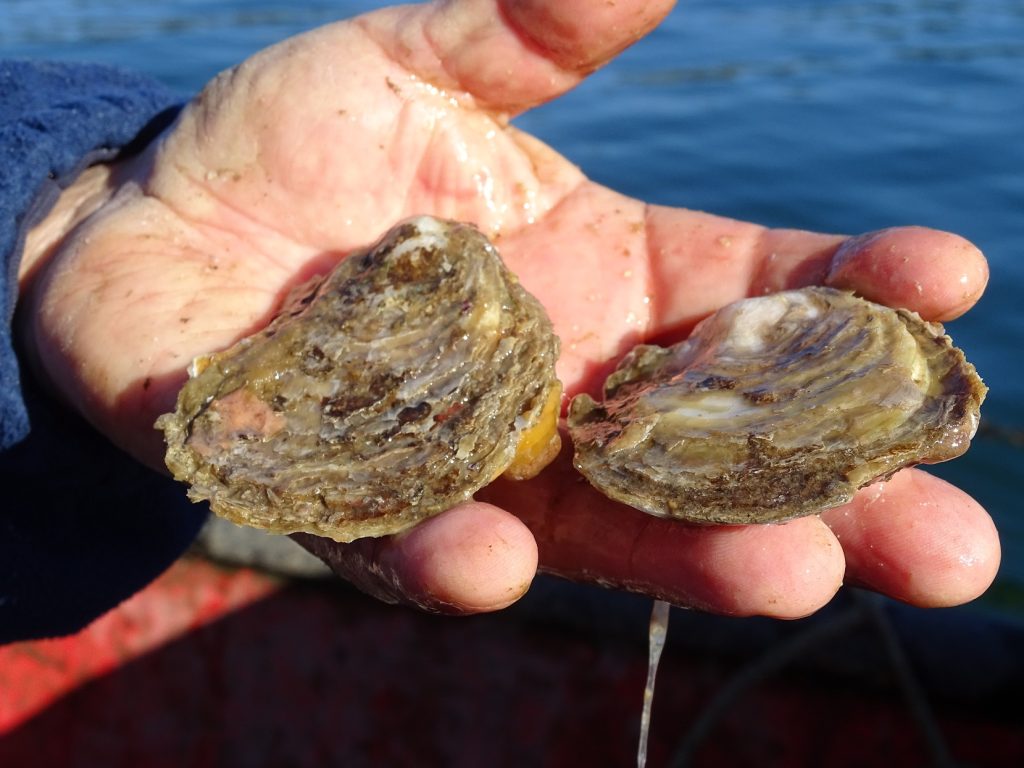
Thus, currently, it has weekly sales of between 2,000 and 4,000 copies in each species (Japanese oyster and Chilean oyster), delivering to a distributor of Santiago, in addition to a third that delivers to Jumbo supermarkets.
The importance of recovery of the remedy
Despite the success of the cultivation model achieved by Paredes himself, at the point of effort and perseverance, he still has several longings to fulfill. Among them, the recovery of the Chilean oyster as a hydrobiological resource. “It is important that an effort be made from authority with the Chilean oyster. We have to restore native species to natural banks, as they are doing in Europe and the United States, where they are doing this kind of initiatives incorporating a billion seeds into natural environments,” he stresses, amid an interesting conversation after the visit to his growing center.
According to the specialist, Chilean oyster seed production technology is developed and “one million seeds can be produced from year to year, and the following year ten, thirty or fifty million without any problems. This makes the resource feasible to restore, immediately.” “Aquaculture has a social economic component, to develop coastal communities and to recover natural resources, since it is extracted but not recovered", while claiming that aquaculture can be "an important way to produce healthy foods, but it is important that this be done by minimizing the impact on the environment in the place where the activity takes place."
Alberto Paredes is critical in pointing out that someone has to take responsibility - to encourage the restoration of natural banks and small scale aquaculture - "since the State does not do it or does it on a very low scale with artisanal fishermen. What do we get out of distributing 20,000 to 30,000 seeds to a group of 20 people? Very little is achieved,” stressing that small-scale repopulation experiences do not They have a lot of impact.
As to the relevance of recovering natural banks, it warns of the urgency of their realization, given the overexploitation to which the Chilean oyster is subjected. "Recent studies show the healthy benefits that this resource has, as well as its role in the environment, since recent research supports that it would be more interesting than algae in its help of the environment," emphasizes Paredes.
In the view of the marine biologist, the main benefit of the restoration of natural banks lies in the fact that, by incorporating seed, this helps to increase the biodiversity of the place, since it is also transformed into food for other species. “In this sense, the mollusc farming industry is more sustainable than that of fish,” stresses the acuicultor, whose productive center is characterized by the purity of the waters around it and the quality of their oysters.
This results in the exquisite taste of its products, which can be perfectly consumed to the natural, without lemon or other additives, which it was possible to check literally “up the boat”. A no minor aspect is that no chemicals are used in the process, while the variety and quantity of hydrobiological species present in the environment, account for the quality of the waters where the breeding centre is located. Oysters Chile.
The dream of taking seafood to vulnerable sectors
Cuffs, hedgehogs, clams and choritos. They are some of the species that also occur almost naturally around the cultivation of Ostras Chile. And Alberto Paredes, its owner, has an idea to take these products to the most vulnerable sectors. “But for that I need a truck specially equipped for that. Years ago I was in the city of Padua, Italy, and I could see how vans sold seafood to people who do not have access by distance,” says the ostrictor, who argues that the State should have a greater incentive to make this kind of initiative a reality.