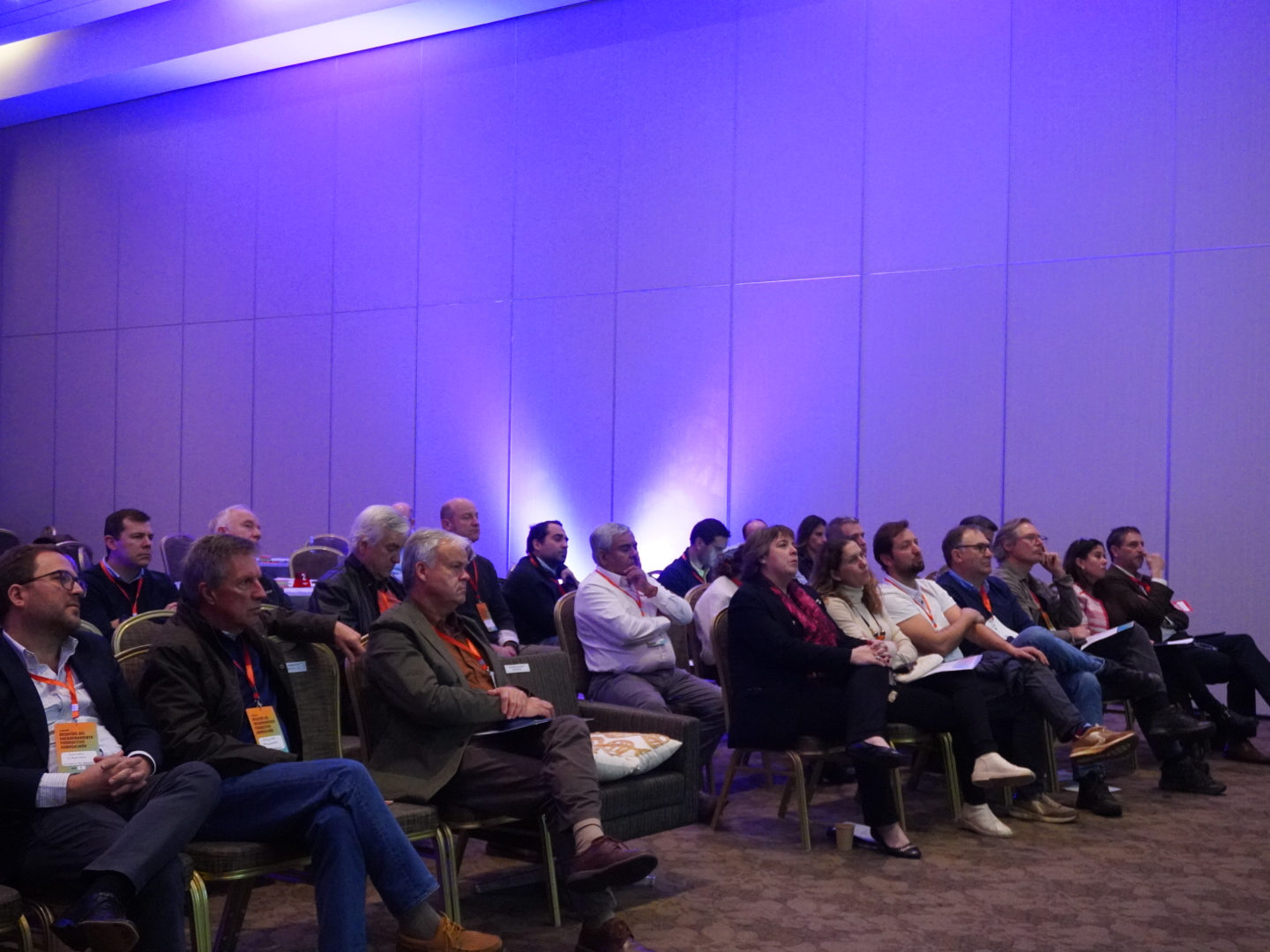
The objective of the activity was to move from the strategic conversation to concrete actions to strengthen the development of suppliers, applied innovation and the generation of greater added value for Chile, connecting national agricultural capacities with the needs of salmon farming.
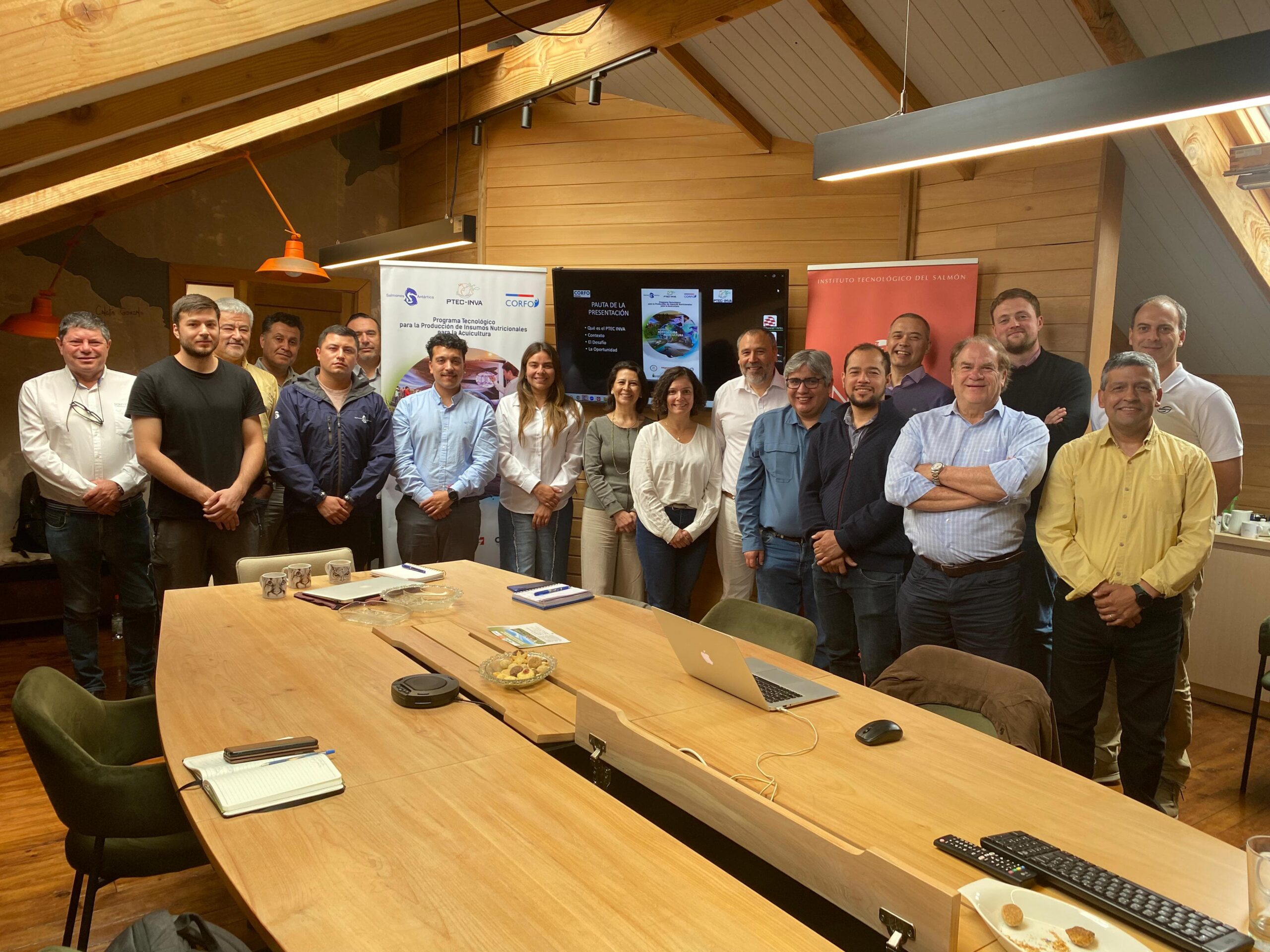
In Osorno, the Salmon Council together with the SNA, SOFO, SAGO and CAS, held the workshop “Challenges of Agrosalmon Production Chain”, a day developed within the framework of this alliance, which brought together representatives of agriculture, salmon farming, guilds, government authorities and the innovation sector, to identify concrete opportunities for collaboration between agriculture and one of the country's main food chains.
The focus of the meeting was to move from the strategic conversation to concrete actions to strengthen the development of suppliers, applied innovation and the generation of greater added value for Chile, connecting national agricultural capacities with the needs of salmon farming.
The day featured exhibitions by Eduardo Renner, president of SOFO; Alejandro Santana, regional governor of Los Lagos; Loreto Seguel, executive president of the Salmon Council; Rosario Navarro, president of SOFOFA; Jean Paul Veas, executive director of CeTA; and Gonzalo Villanueva, head of the Sustainable Productive Development Division of the Ministry of Economy.
In addition, the forum included presentations by Alejandra Bustamante, director of Applied Studies of the Salmon Council, and Carlo Rojas, executive secretary of SOFO, who addressed the origin of the Agrosalmón alliance and the path taken to articulate a common agenda to create value between the two productive sectors. In addition to this was the presentation by Mauricio Magnasco, co-founder of the Grain Agricultural Cooperative, who gave a analysis of the agricultural production scenario in Chile.
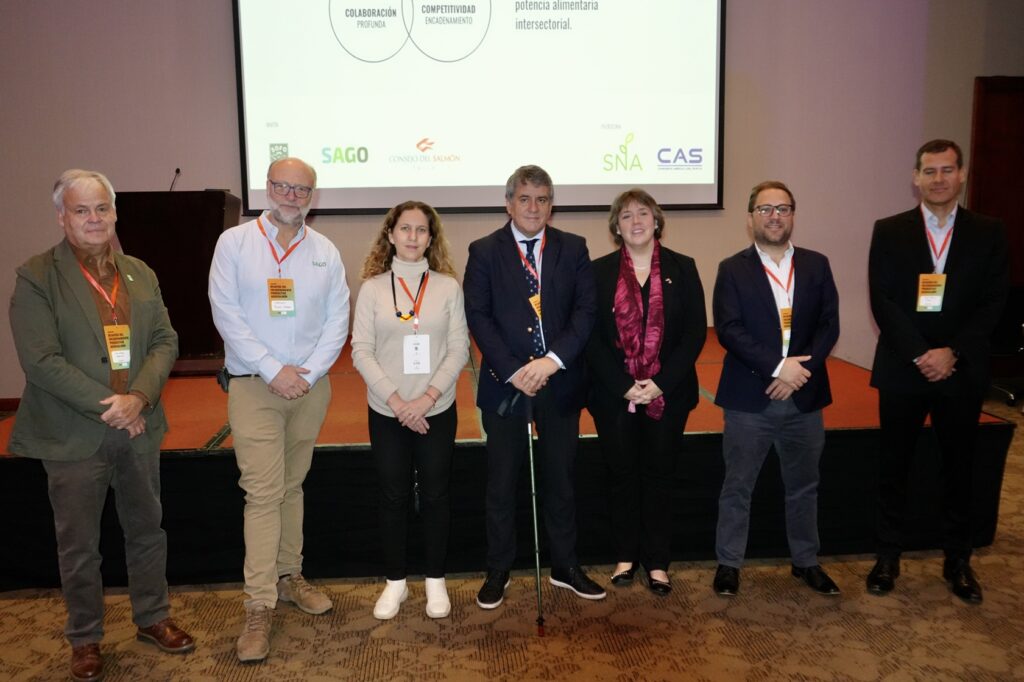
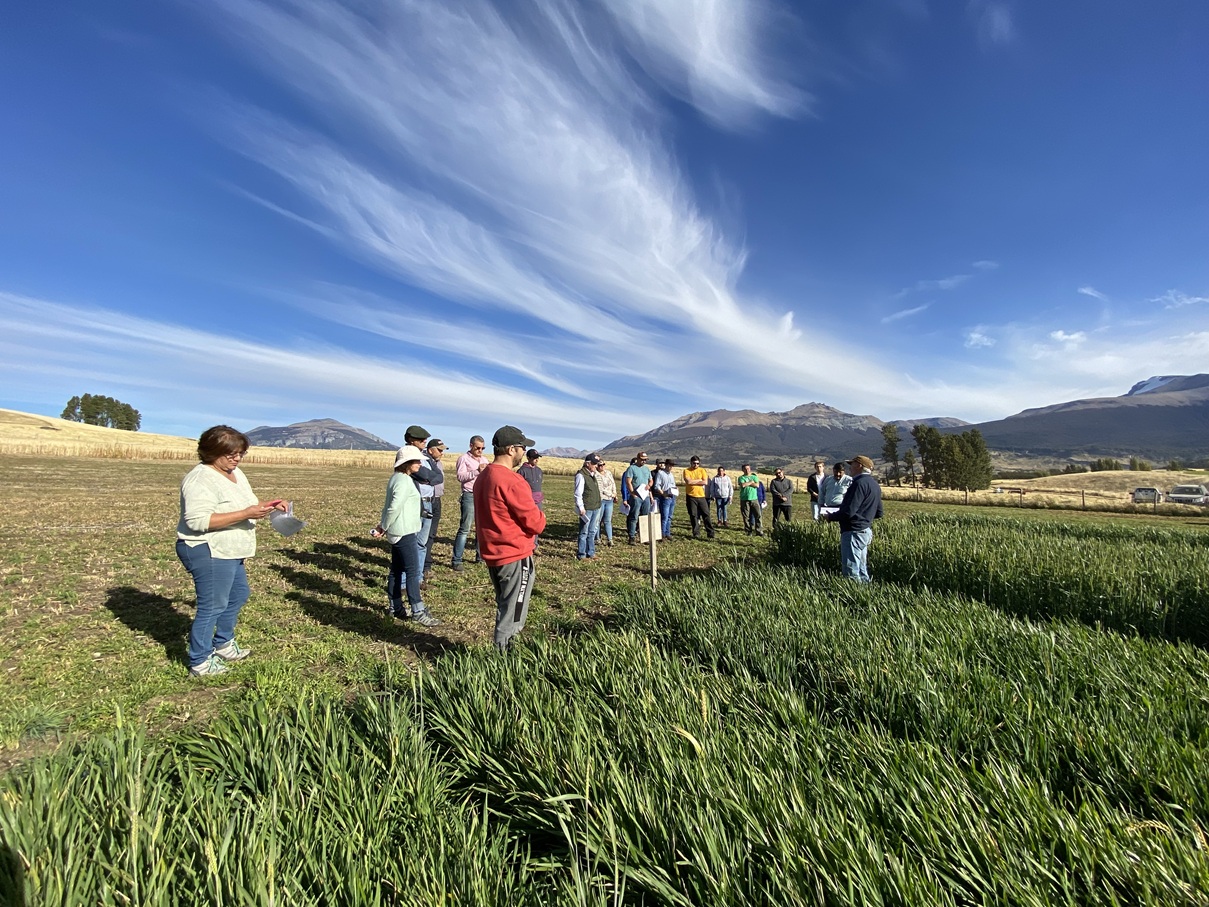
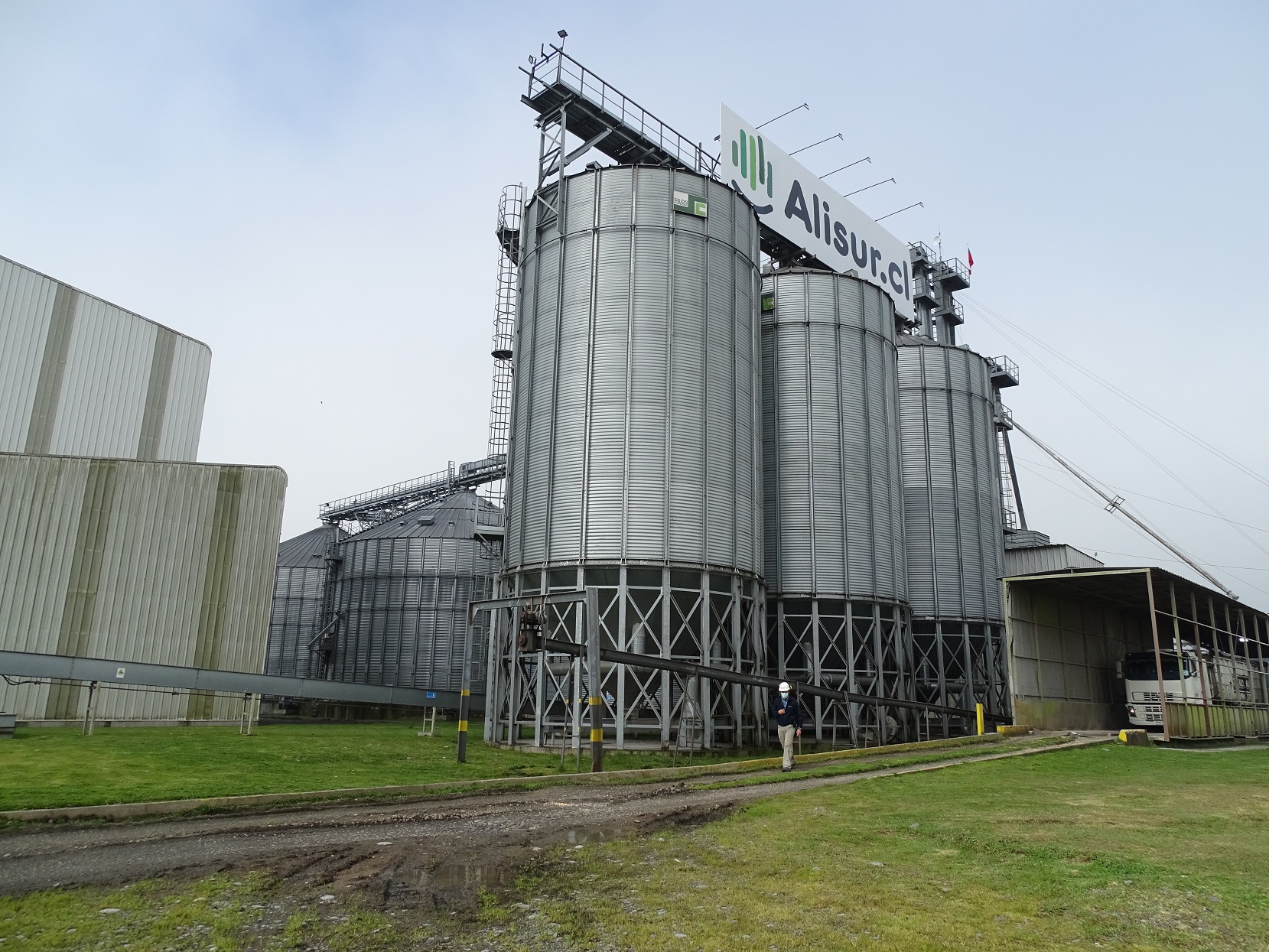
During the meeting, the participants addressed the potential that exists to progressively link part of the inputs used in salmon feeding with national agricultural capacities, considering that a relevant part of this matrix -60% - comes from grains such as wheat, soy, canola or raps. In this context, Agrosalmón seeks a concrete way of collaboration that not only looks at supply, but also at sophistication. production, innovation, traceability and the creation of greater added value from the regions of La Araucanía, Biobío, Los Lagos, to provide food for the salmon industry.
The Executive President of the Salmon Council, Loreto Seguel, stressed that this agenda represents a concrete opportunity to look at the productive development of Chile from a logic of collaboration between strategic sectors.
“Agrosalmon is not just an alliance between agriculture and salmon farming. It is an agenda that talks about how Chile can better connect its productive capacities. We have a salmon industry that competes in the most demanding markets in the world and an agricultural sector with tradition, knowledge and territorial presence. Chile has a lot to gain when its strategic sectors stop looking at each other and begin to build a future together,” said Seguel.
Along the same lines, Eduardo Renner, president of SOFO, relieved the role that the agricultural world can play in this new phase of intersectoral work, especially from regions with productive experience and installed capacities.
“Southern agriculture has a lot to contribute to this conversation. We have producers, territorial knowledge and a history linked to food production. The challenge is to transform this experience into new opportunities for chaining, innovation and productive development, understanding that collaboration with salmon farming can open up relevant spaces for the country’s agricultural future,” said Renner.
For his part, Hermann Rusch, Director of Public Affairs of SAGO A.G., highlighted the joint work of the main food chains in southern Chile "Today making this link, starting to look for the things that unite us to produce better quality food, is a very relevant step. It is the beginning of a work that we hope will show substantive progress,” he said.
The workshop also had the participation of Rosario Navarro, president of SOFOFA, who addressed the importance of strengthening collaboration among productive sectors to advance towards a more sophisticated, competitive and connected economy with global opportunities.
“Chile needs to look at its productive capacities in an integrated way. The future of industry is not built from isolated sectors, but from more collaborative value chains, with innovation, technology and long-term vision. Agrosalmón is a concrete example of how different sectors come together to boost new development and growth opportunities for the country,” said Navarro.
In addition to this, Gonzalo Villanueva, head of the Sustainable Productive Development Division of the Ministry of Economy, referred to the role of public-private articulation in enabling processes of productive transformation with national impact.
“The Agrosalmón alliance is directly linked to the objectives of the Sustainable Productive Development policy, because it aims to transform the national productive matrix to grow better. Here is a concrete opportunity to boost new productive capacities and accompany, from the State, an agenda that allows us to scale up solutions, strengthen value chains and generate sustainable growth for Chile,” he said.
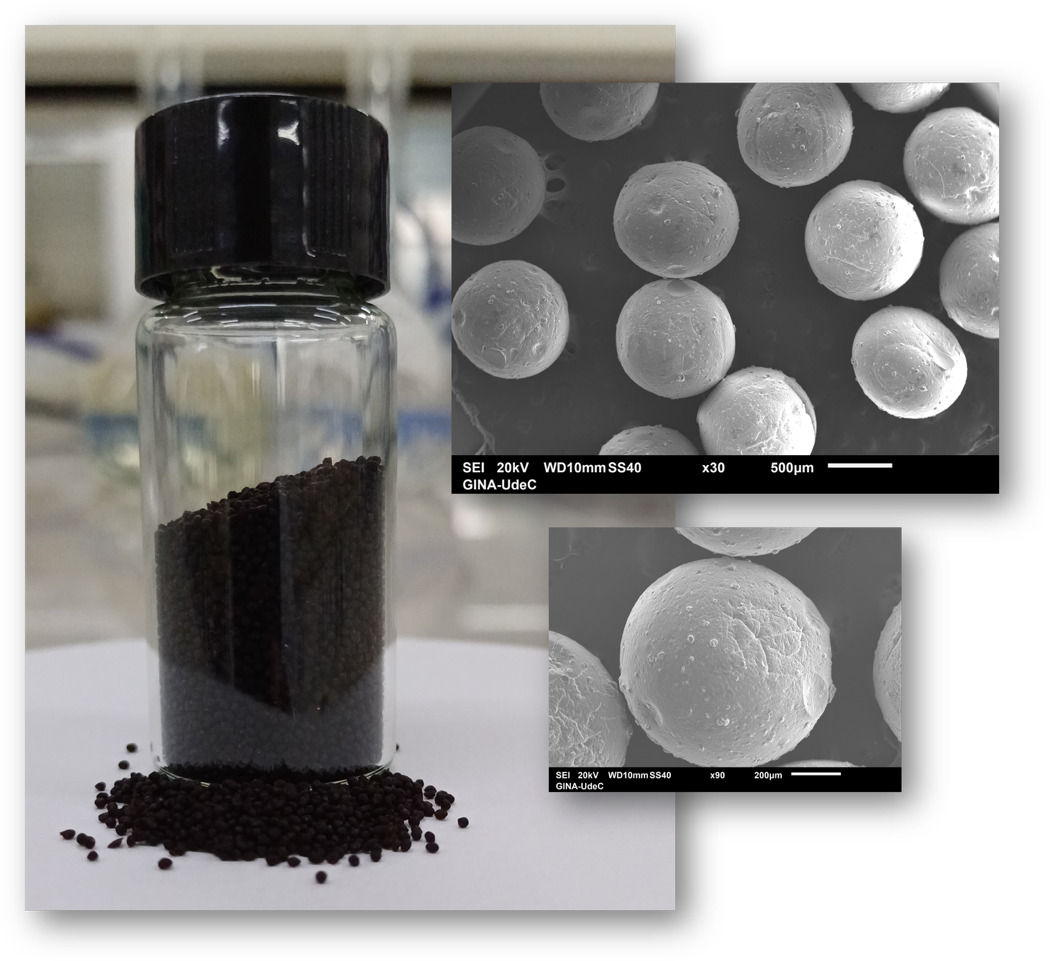
For his part, Jean Paul Veas, CEO of CeTA, addressed the role of applied innovation and technological development to advance from ideas to prototypes and concrete solutions that allow boosting the potential of chaining.
“For an agenda like Agrosalmón to advance, it is key to prototipar, test and validate solutions. Applied innovation makes it possible to bridge gaps, generate evidence and transform opportunities into concrete models of productive collaboration. Here there is a very relevant space to connect technology, food and regional capabilities,” Ves explained.
During the conference, workshops were also held to identify areas of action, gaps and preliminary agreements between the participating actors. These talks allowed progress in a common view on how to connect the capacities of Chilean agriculture with salmon farming, projecting a work agenda that strengthens local suppliers, applied innovation and new opportunities for productive development for Chile.