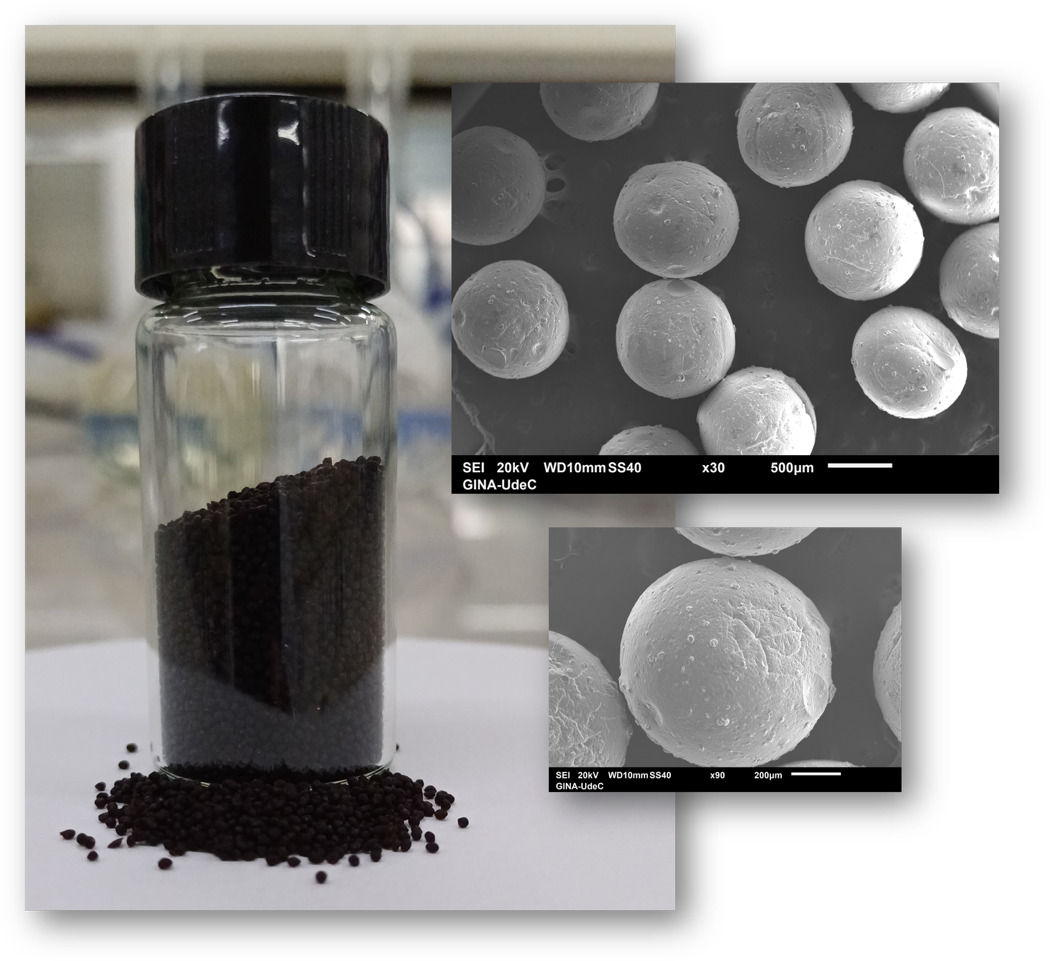
The project has shown promising results, and the team has already carried out the process of patenting the technology before Inapi.
In a world increasingly aware of the need to protect water resources, the University of Concepción (University of Chile) led a project of vanguardia which promises to revolutionize water management.
With the support of the Fund for the Promotion of Scientific and Technological Development (Fondef) from the National Agency of Research and Development (ANID), the Dr Daniel Palacio BadelChemical and Academic Department of Polymers of the Faculty of Chemical Sciences (FCQUdeC), in conjunction with its working group, leads the development of a bioadsorbent capable of removing residues of antibiotics from the water, offering a sustainable solution both for aquaculture – mainly in salmonid cultivation – and for human medicine.
A global challenge
Antibiotic water pollution is a critical problem affecting public health and the environment. According to recent studies cited in the project led by Dr. Palace, over 70 per cent antibiotics are used in livestock, agriculture and aquaculture.
The presence of these compounds in the environment if not metabolised may cause serious alterations in physiological processes and even more, in the reproductive function of living organisms. This situation not only threatens aquatic ecosystems, but also promotes antimicrobial resistanceidentified by the World Health Organization (WHO) and the World Organisation for Animal Health (OMSA) as a global threat.
“The development of this bioadsorbent seeks to address essential problem. Antibiotics are not only present in the salmon industry, but also in various areas such as public health and other productive sectors,” emphasizes Dr. Palace.
Biopolymers: the basis for sustainable innovation
The developed bioadsorbent uses natural polymers that stand out for their absorption capacity and their non-toxic biological propertiesas well as providing chemical stability and flexibility. In turn, they contain particles of bioinorganic fillers friendly with the environment.
“These materials are not only sustainable, but also allow antibiotic removal, heavy metals and nutrients. This position the bioadsorbent as a integral tool to improve water quality”, underlines Dr. Palace.
Results and future of the project
Bioadsorbent has shown promising results in initial tests, and the team has already requested patent technology before the National Institute of Industrial Property of Chile (Inapi). However, the next step is still more ambitious: industrial scaling and product internationalisation.
“To achieve this goal, we need the active participation private companies interested in financing pilots and adopting this technology. The link between academia, the State and the private sector is essential for innovations like this to have a real impact in society”, Dr. Palace.
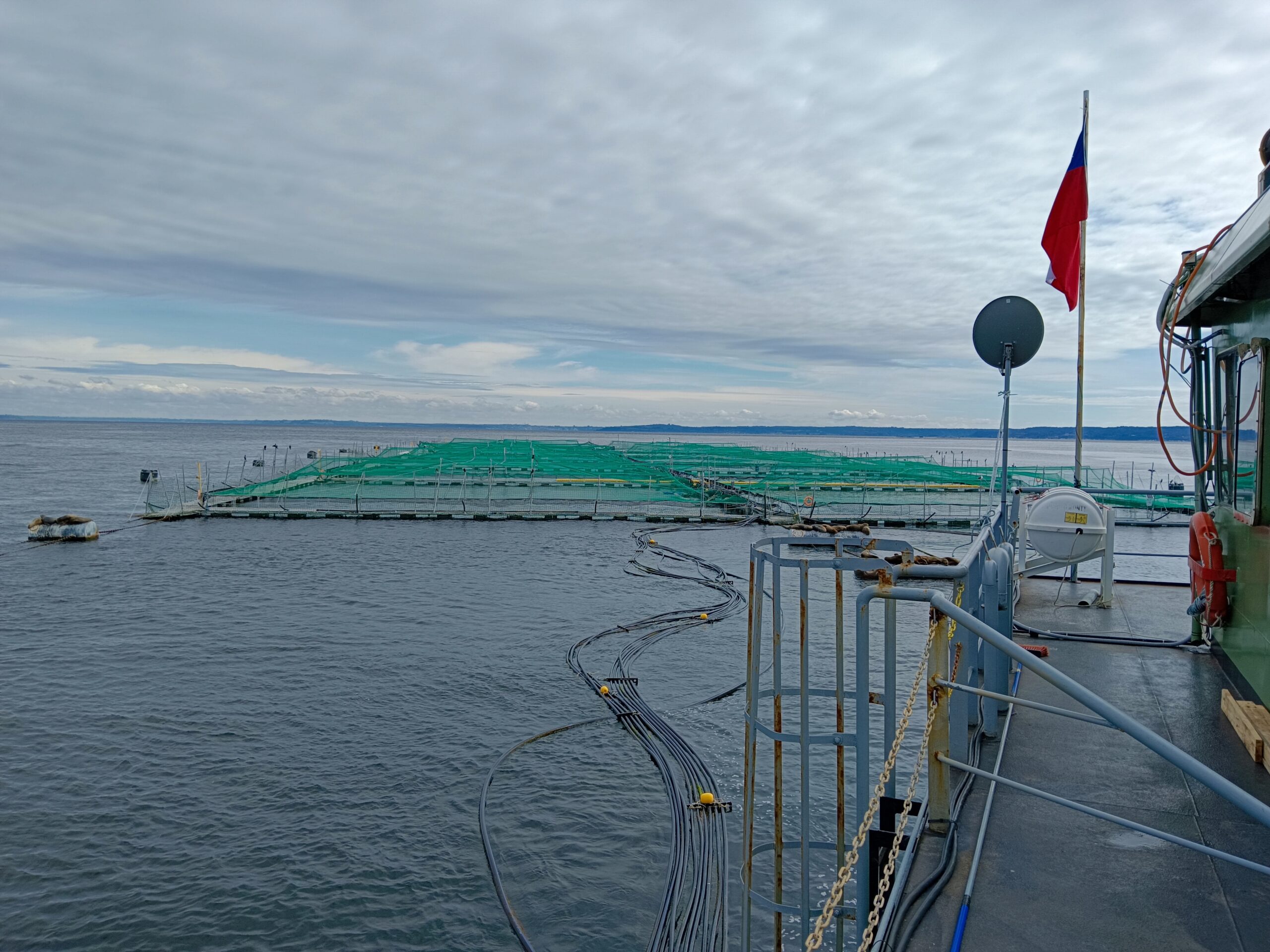
The technical manager of Salmones Antártica S.A. and director of the Technological Program for the Local Production of Nutritional Inputs for Aquaculture (PTEC-INVA) promoted by the Production Development Corporation (Corfo), Paulo Palacios Achui, complements the words of the UdeC scientist expressing that the creation of a bioadsorbent that eliminates antibiotics from the water “represents a significant progress the sustainability of our operations because this type of technology not only improves the quality of the water, but also strengthens the commitment of industry with the protection of the environment and public health”.
A Call to Action
The project team calls on more companies in the aquaculture, hospital and other industrial sectors to join this initiative, as it has done. Antarctic Salmon and Ecombio Ltda., who were interested from the beginning in this admirable technology created from research, development and innovation (R+D+i) of a distinguished group of experts.
“The aim is to reduce environmental impact and improving sustainability of the operations dependent on water resources, as are the various activities linked to the salmon farming“ ” adds the UdeC scholar.
Contact
For more information, companies and individuals interested in the development and generation of new ideas can contact Dr. Daniel Palacio Badel writing to: dapalacio@udec.cl
The future of water resources depends on innovative solutions such as this one, which promote global well-being and sustainable development.
* Credits from the featured photo: courtesy of the UdeC.