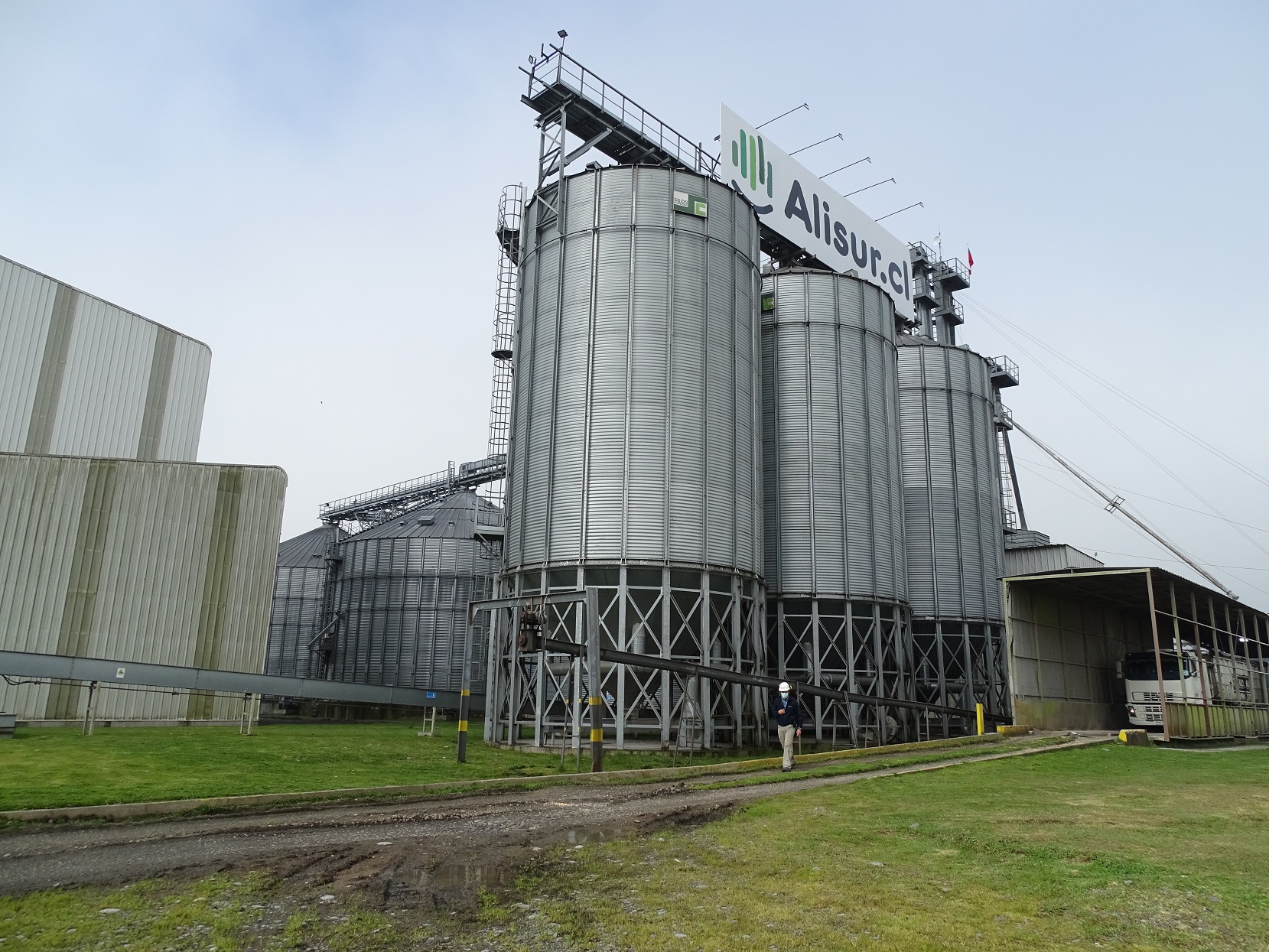
The meeting is part of the collaboration agreement signed last year between the Salmon Council, the Temuco Agricultural Promotion Society (SOFO), the National Agricultural Society (SNA) and the Southern Agricultural Consortium (CAS), which has added a new member: the Osorno Agricultural and Livestock Society (SAGO).
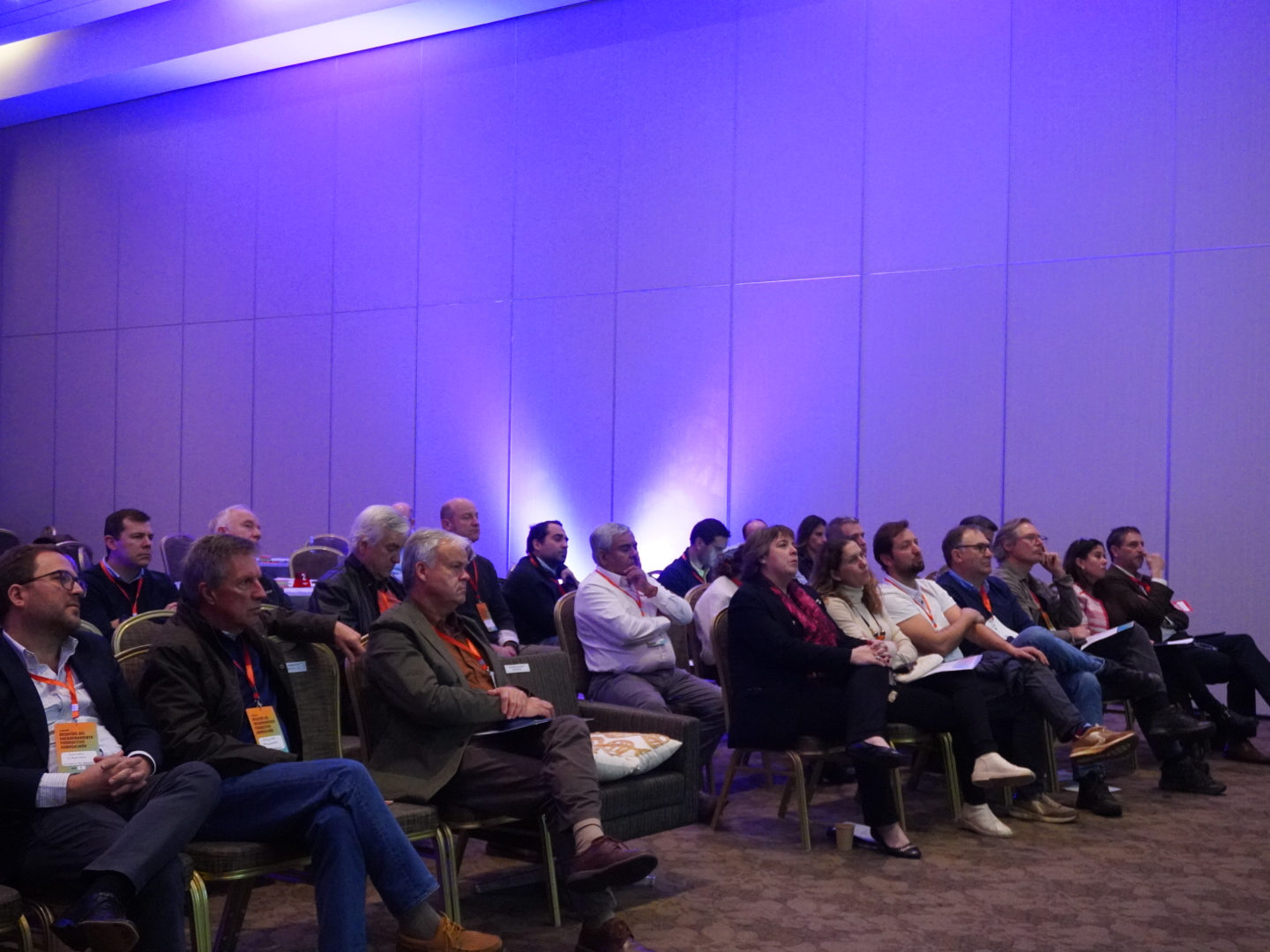
With the aim of reinforcing the link between the agricultural sector and the salmon industry, the Salmon Council participated in the 2nd seminar "Agro-salmon integration: a chain with a future", held on Tuesday June 17 at the Casino Club de Rodeo Recinto SAGO, in Osorno.
The initiative is part of the collaboration agreement signed in 2024 between the Salmon Council, the Temuco Agricultural Development Society (SOFO), the National Agricultural Society (SNA) and the Southern Agricultural Consortium (CAS), which has added a new member: the Osorno Agricultural and Livestock Society (SAGO), which joins the strategic alliance between salmon farming and agriculture, opening a concrete path towards a productive chain virtuoso.
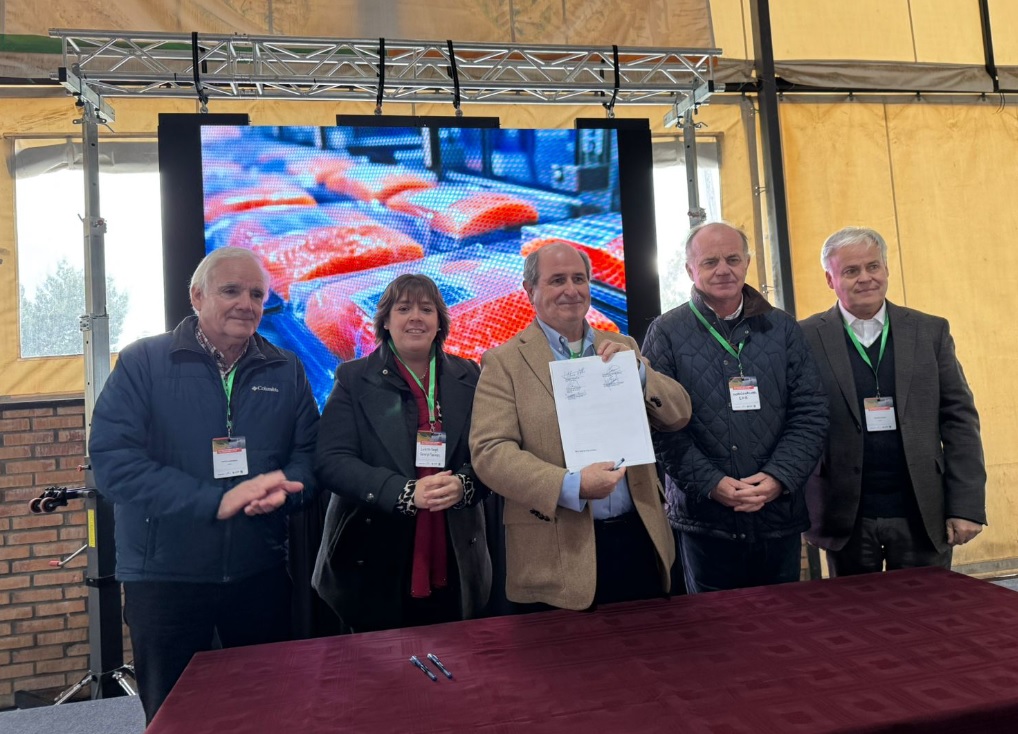
At the meeting - where various authorities participated, headed by Loreto Seguel, executive president of the Salmon Council, Antonio Walker, president of the National Society of Agriculture, Gastón Caminondo, president of the Southern Agricultural Consortium and Eduardo Renner, president of the Temuco Agricultural Promotion Society, successful integration cases between both sectors were presented and a discussion was held with food companies, where the industry's outlook was shared and topics such as market trends, regulatory framework, and innovation and biotechnology relevant to competitiveness were addressed.
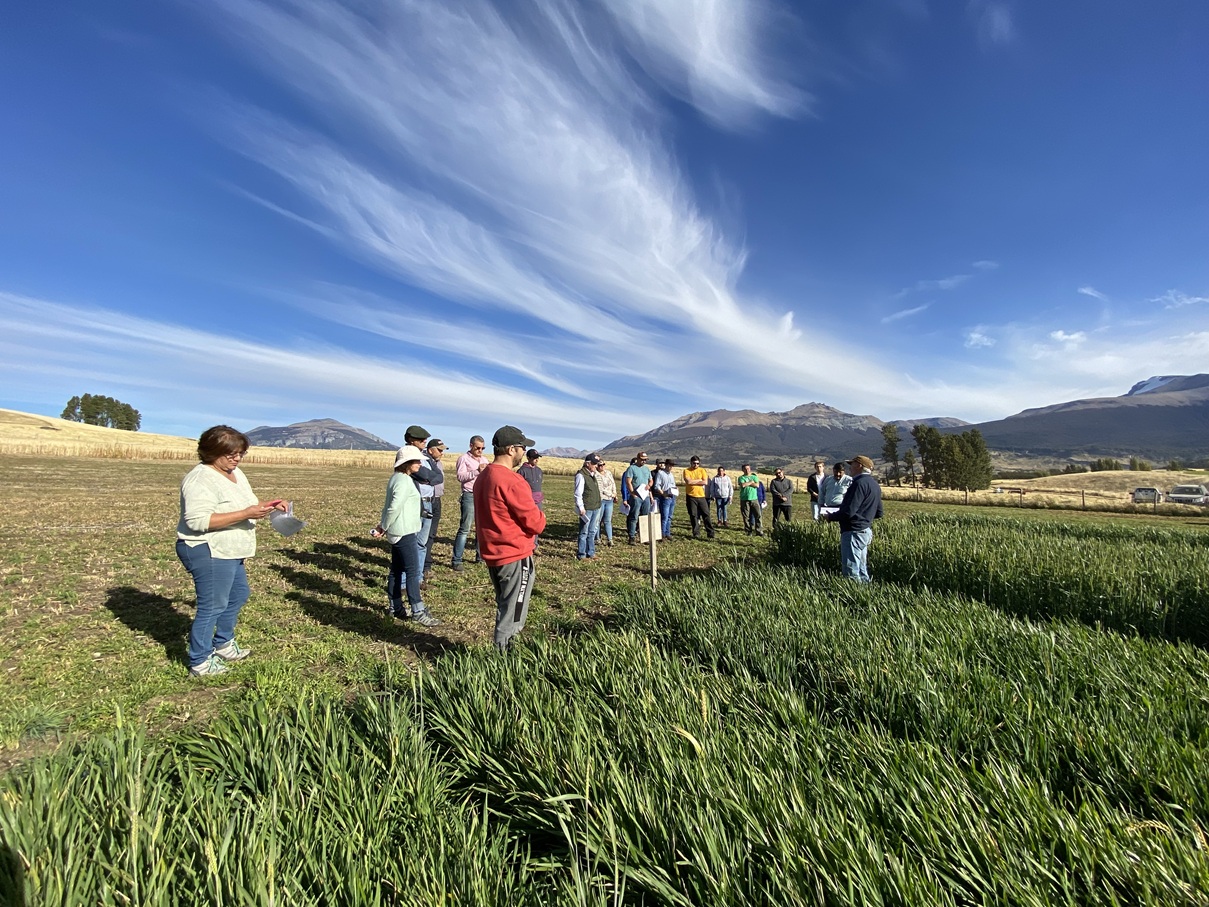
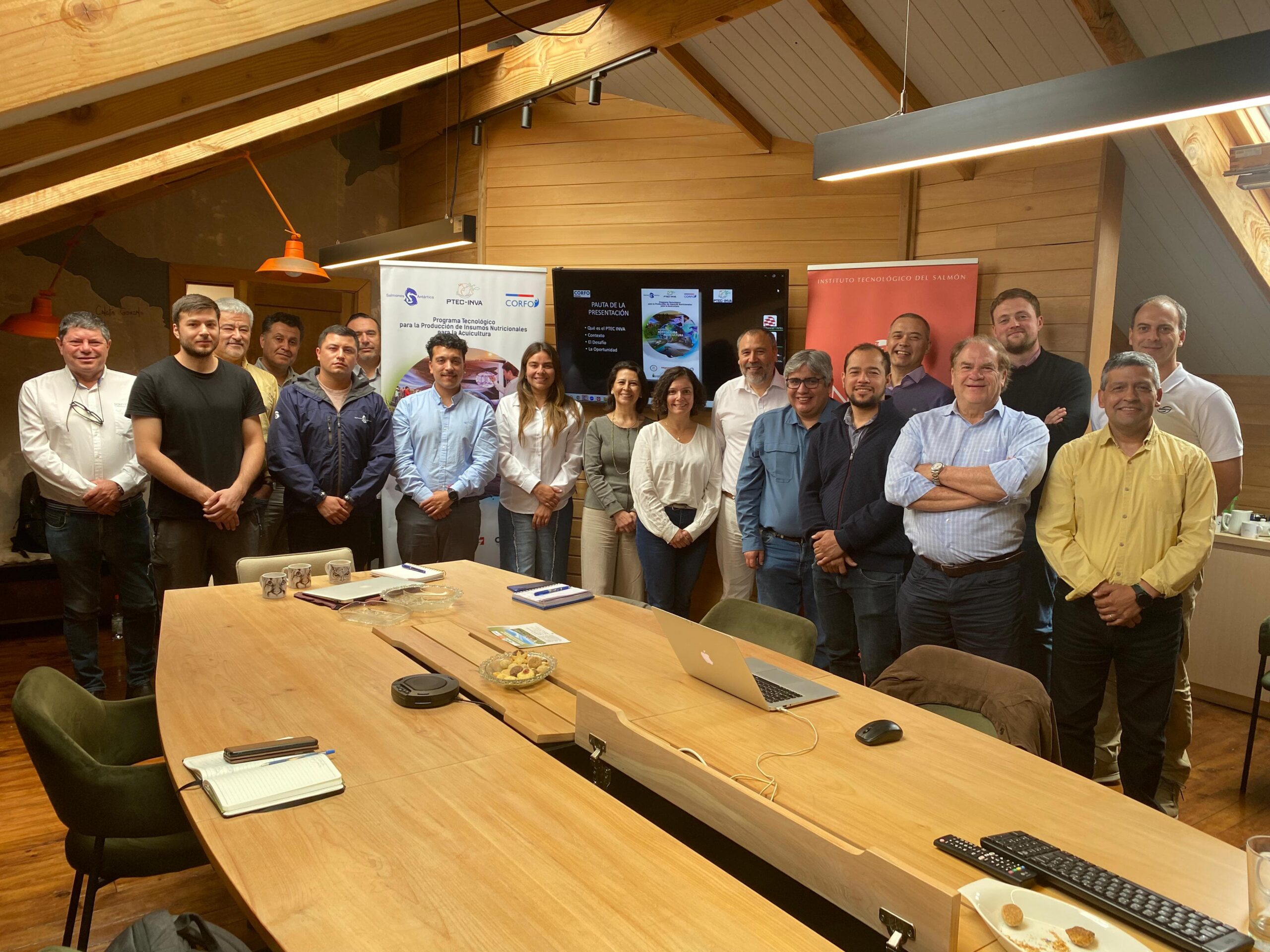
In addition, during the event the launch of the Agro-Salmon Board was finalized, which will focus on establishing a public-private coordination channel to plan joint actions, identify productive opportunities and enhance various activities in the coming months, including meetings, field work, technical visits, etc.
We believe that the union between salmon farming and agriculture is fundamental to building not only a better country, but a better south of Chile. We are very happy to participate and work together with different guilds, integrating our different productive sectors. We are sure that this is how Chile is built and above all, this is how we can project a sustainable salmon farming industry that is not only the second most exported product of the country, but that is "national pride," said Loreto Seguel, executive president of the Salmon Council, the trade association that brings together five major producing companies operating in the southern sea, AquaChile, Australis, Cermaq, Mowi and Salmones Aysén.
The executive stressed that Chilean salmon farming supports more than 70 thousand jobs and accounts for 17.6% of GDP in the three far southern regions. It also has strong ties to agriculture. “Some 60% of our salmon feed comes from crops such as wheat, soybeans, canola or rapeseed. Many of these crops are imported, but we forget that we also grow large quantities in our own soil, particularly in three other regions: Araucania, Maule and Biobío. This alliance seeks to unite both sectors to generate local jobs and to boost regional economies. By activating these synergies that share the productive vocation, sustainability and territorial roots, we are building a national industry of great value and that favours cooperation over competition,” he said.
For his part, Antonio Walker said that “this alliance not only benefits the salmoniccultor regions, but also opens new opportunities for Biobío, La Araucanía and Los Ríos, uniting two key sectors for our economy: agriculture and salmon farming. As the world's second largest salmon producer, Chile has great growth potential, which will have a transformative impact on the countryside. In order to achieve this, the working together, with agriculture supplying the crops the industry needs and the goal of planting 200 thousand additional hectares in Chile. This vision of sound, legitimate growth brings together sea and land, science and tradition. It gives Chile the opportunity to think big, strengthen local talent and lead a sustainable industry.”
Likewise, Eduardo Renner, president of SOFO, said that “when a little over a year ago we signed the collaboration agreement between our organizations, we did so with a very clear idea: agriculture and salmon farming in the south cannot continue to advance on separate paths. It unites the field, unites the work, and also unites us with the same need to continue to grow with a vision of the future.”
Similarly, he added that this partnership set ambitious goals such as generating knowledge sharing, seeking new business opportunities, boosting technological development, working together in research, and looking at regulatory issues with a common voice. “Today we come to talk about solutions, successful experiences, concrete partnerships and how we can transform challenges into shared opportunities,” he said.
Meanwhile, Gastón Caminondo, president of CAS, said that with this agreement it is clear that this is the way forward for salmon farming and southern agriculture: a path of collaboration, dialogue and shared vision. “Working together, with transparency and respect, not only strengthens integration among our sectors, but also drives the development of our local communities and economies,” he said.
He added that “the remaining challenge is to continue deepening, with conviction and commitment. Because I have no doubt that this union will not only be a great contribution for both sectors, but also for the future of southern Chile.”
Finally, Ricado Montesinos, president of SAGO, said that “salmon farming helps diversify and strengthen production. By increasing demand for crops such as rapeseed for oil, it creates opportunities to expand other strategic crops such as wheat. If we reach 100 thousand hectares of rapeseed, that could translate into 100 thousand hectares of high-yielding wheat. Today we have only 50 grand. To advance in the modernization of our laws, we will be able to boost the production of many other grains and strengthen the competitiveness of the agricultural sector.”