The collaboration with the World Organization for Animal Health, the productive sector and the development of the center of reference in antimicrobial management led by the Faculty of Veterinary and Animal Sciences (Favet) position the House of Study as a reference in the generation of knowledge and in the strengthening of capacities in aquaculture health in the region of the Americas.
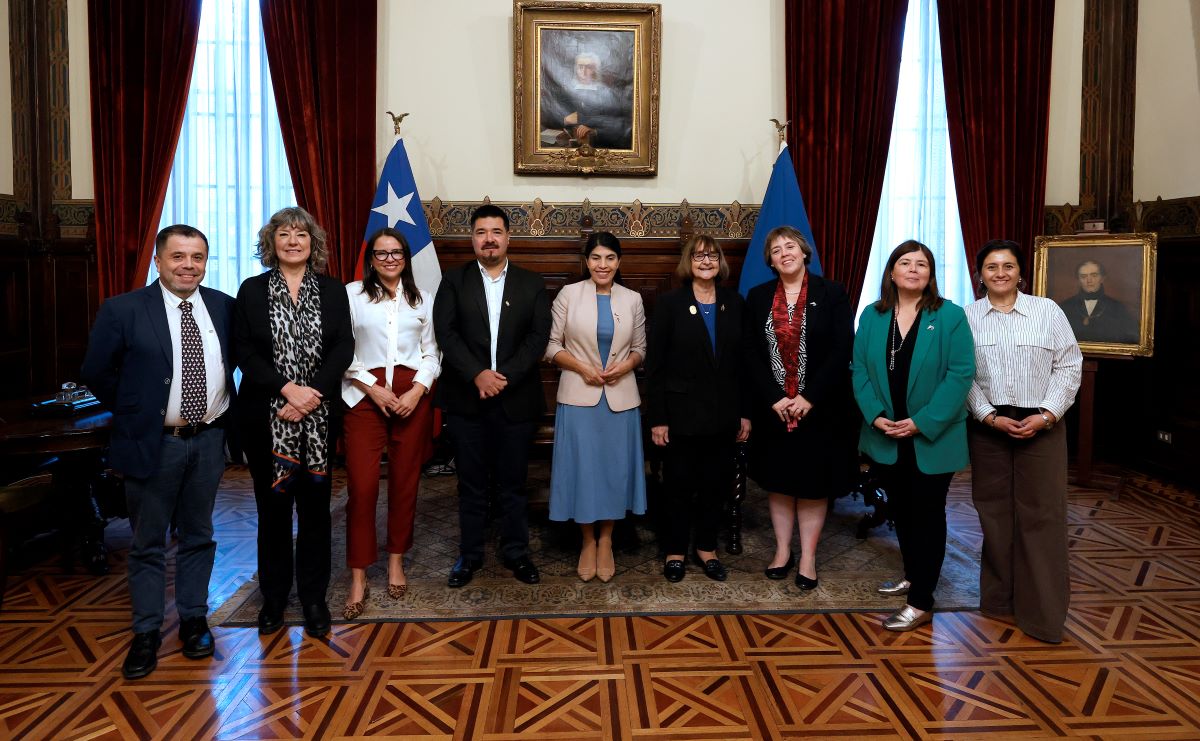
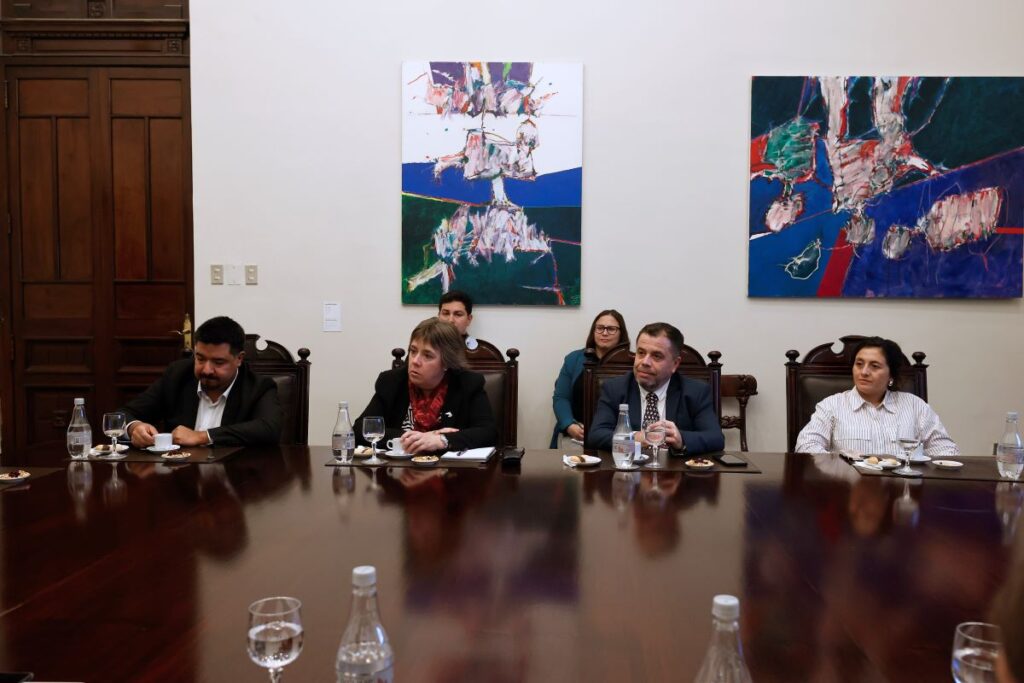
In a meeting led by the Rector Rosa Devés, and which had as a special guest the Minister of Science, Technology, Knowledge and Innovation, Ximena Lincolao, the University of Chile reaffirmed its commitment to scientific development, international cooperation and the sustainability of aquaculture, highlighting the strategic role of the Faculty of Veterinary and Animal Sciences (Favet) in the articulation of high-level initiatives impact on the country and the region.
The meeting, held at the Central House, also brought together university authorities, representatives of the scientific and productive sectors, with the aim of removing the collaboration agreement with the World Organisation for Animal Health WHOA, the work of the CASA Collaborating Center (Center for Antimicrobial Stewardship in Aquaculture) and the public-private strategic alliance with the Salmon Council.
Favet's position as a reference in research, training and connection with the environment in the field of animal health and aquaculture is based on a solid path of generating relevant scientific knowledge, training of highly specialized professionals and active coordination with public, private and community actors.
“As the Faculty of Veterinary and Animal Sciences of the University of Chile, we have taken on the challenge of leading in animal health and aquaculture from research, training and linking with the environment. The partnership with the Salmon Council and the contribution of our Collaborating Centre CASA of the WHOA reflect an effective collaboration model that is consolidated today as a case of success at the national level,” said Dr. José Manuel Yáñez, Dean of Favet.
Through interdisciplinary initiatives, applied research projects and updated academic programmes, the faculty contributes to the sustainable development of the sector, addressing key challenges such as animal health and welfare, food safety, productive sustainability and adaptation to new health and environmental scenarios. This leadership is reinforced by its ability to transfer knowledge, influence public policies and promoting spaces of collaboration that strengthen the link between academia and industry, thus consolidating its role as a strategic actor at the national and international levels.
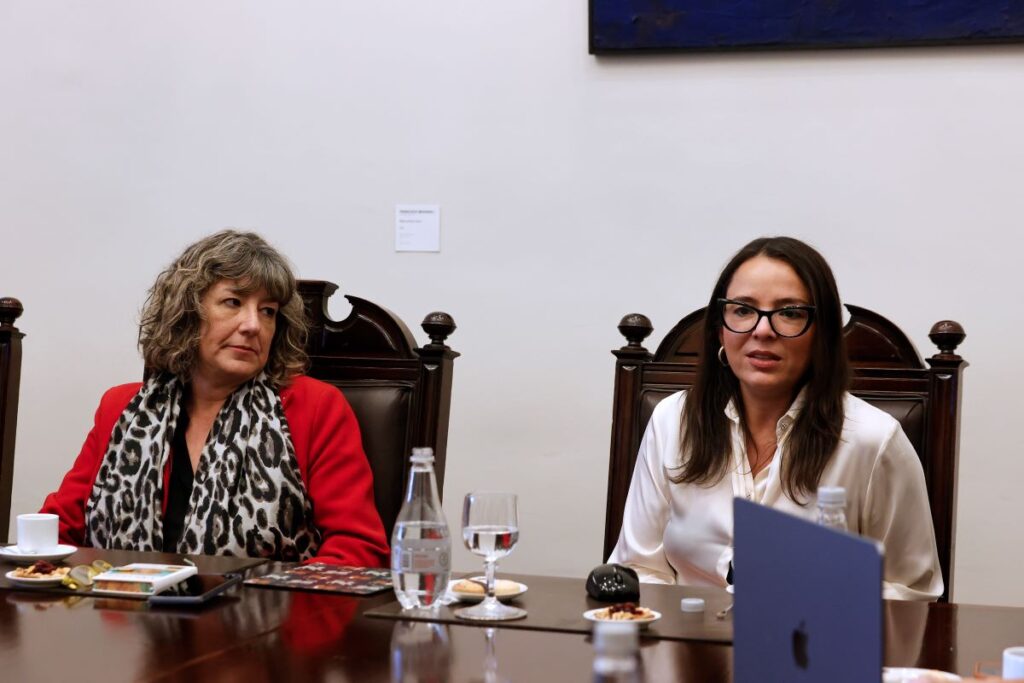
In this context, part of the team of the CASA Collaborating Center, composed by Dr. Alicia Gallardo, researcher and chair of the WHOA Committee on Sanitary Standards for Aquatic Animals, and Dr. Javiera Cornejo, its executive director and tenured professor at Favet, highlighted that this is a pioneering initiative in the Americas aimed at strengthening capacities in aquatic animal health and promoting the prudent use of antimicrobials, in line with international standards.
“This partnership has been particularly successful in promoting research and technical-scientific cooperation between academia, public services, the productive sector and WHOA. It has allowed us to articulate capacities, generate applied knowledge and advance in concrete solutions of high impact for the health challenges of aquaculture,” said Dr. Javiera Cornejo.
The meeting also made it possible to learn about the lines of work of the Salmon Council, a union association that brings together the main salmon producing companies operating in the southern south of the country: AquaChile, Australis, Cermaq, Mowi, Salmones Aysén and Ventisqueros, with presence in the regions of Los Lagos, Aysén and Magellan.
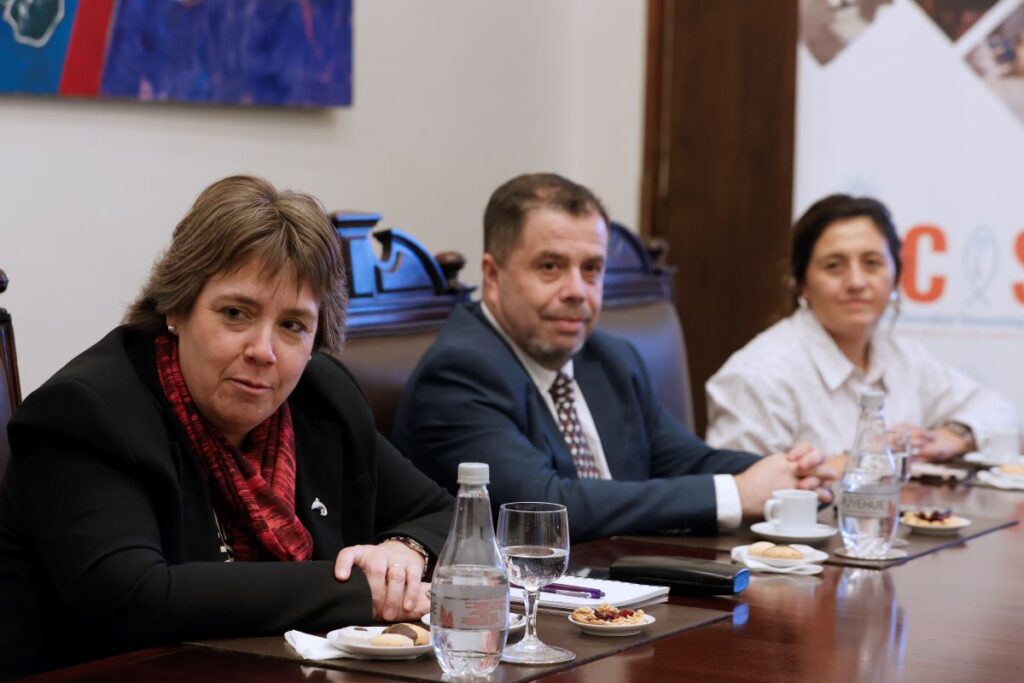
Its executive president, Loreto Seguel, put in value the strategic alliance that the association maintains with the University of Chile, through the Collaborating Center CASA, noting that “our commitment is to promote and facilitate the development of science, supporting the academy and strengthening spaces of public-private collaboration that allow to advance with evidence, international standards and look of the future. The alliance with Favet and CASA reflects precisely that path, connecting the technical and productive knowledge of Chilean salmon farming with applied research, to promote good practices and contribute to the sustainable development of aquaculture.”
The link between the University of Chile and the Salmon Council was formalized through a collaboration agreement, signed in 2023, with the aim of advancing international standards, applied research and good practices, focusing on critical challenges such as reducing antimicrobial resistance and the sustainability of the sector. This alliance was ratified last year as part of the visit of the Director General of the WHOA, Emmanuelle Soubeyran, to strengthen technical and strategic cooperation with the Regional Representation for the Americas on key issues for aquatic animal health and welfare.
International position in aquaculture health
During the meeting, Dr. Marcela Lara as Regional Officer in Aquatic Animal Health for the Americas, consolidating the international projection of the work developed by the University of Chile in alliance with the Salmon Council, as the specialist is a researcher at the CASA Collaborating Center and an advisor to the association.
“Aquaculture is a strategic pillar for food security and economic development in the Americas, but it faces increasingly complex health challenges that require a coordinated response across countries. In my role as Regional Officer in Aquatic Animal Health at WHOA, we are promoting the construction of a regional strategy that will align health standards, strengthen emergency management, and use responsible for antimicrobials and animal welfare, considering the diversity of aquaculture species grown on the continent. The objective is to consolidate a concrete proposal that strengthens health governance and positions the region with a common voice in the face of the global challenges of the future,” explained Dr. Lara.
Minister Lincolao appreciated the role of academia in generating knowledge and its impact on strategic sectors of the country. It also proposed further strengthening the partnership with public services and private companies for the development of applied research, technological innovation and evidence-based solutions that respond to the current challenges of animal health and aquaculture.
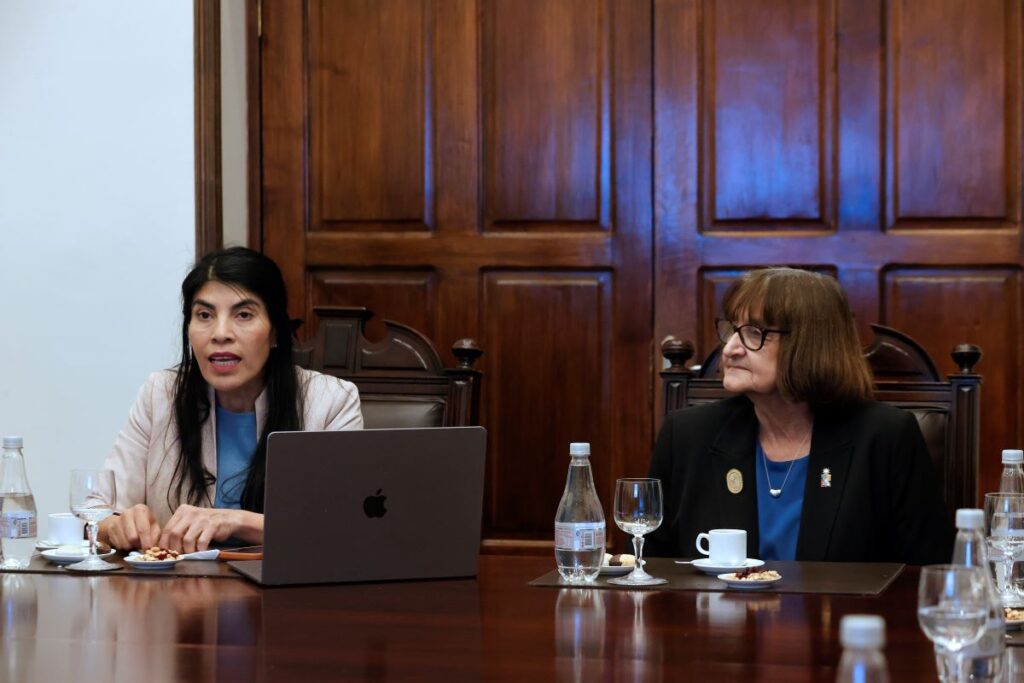
“The appointment of Dr. Marcela Lara Fica is very good news for Chile, because it demonstrates the concrete impact that collaboration between academia, the public sector, industry and international organizations can have. From the Ministry of Science, we will continue to promote partnerships that connect knowledge with the country's strategic challenges, strengthen our science and innovation capabilities and project talent. Chile to the world,” said the Secretary of State.
The meeting was also attended by Carlos Orellana, head of the Division of Animal Protection of the Agricultural and Livestock Service (SAG) and delegate of Chile to WHOA; Alejandra Bustamante, director of Applied Studies of the Salmon Council; and Javiera Durán, head of the Science and Society Division (S) of the Ministry of Science, Technology, Knowledge and Innovation.
The meeting concluded with a call to deepen collaboration between the University of Chile, international organizations and the productive sector, consolidating Favet as a key actor in the generation of applied scientific knowledge and in the promotion of responsible and evidence-based aquaculture.