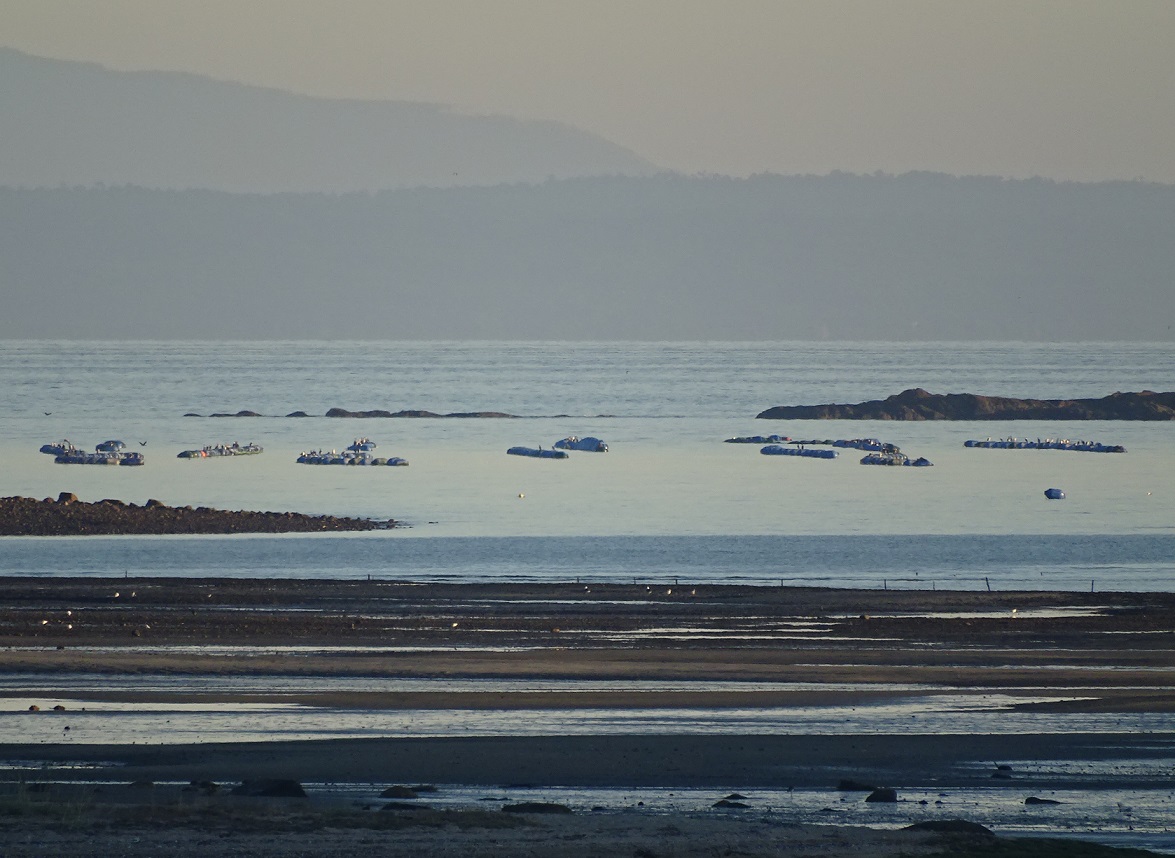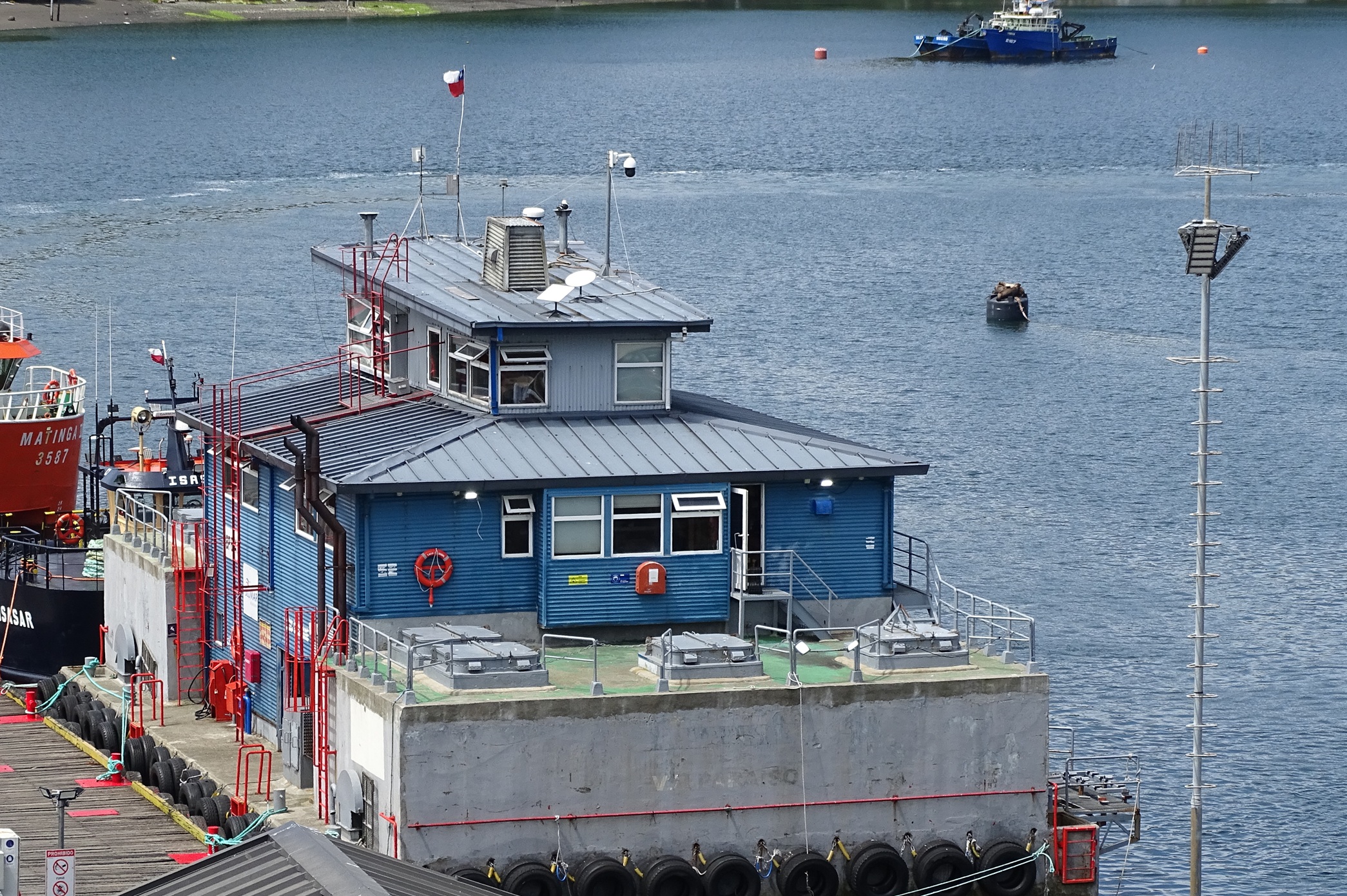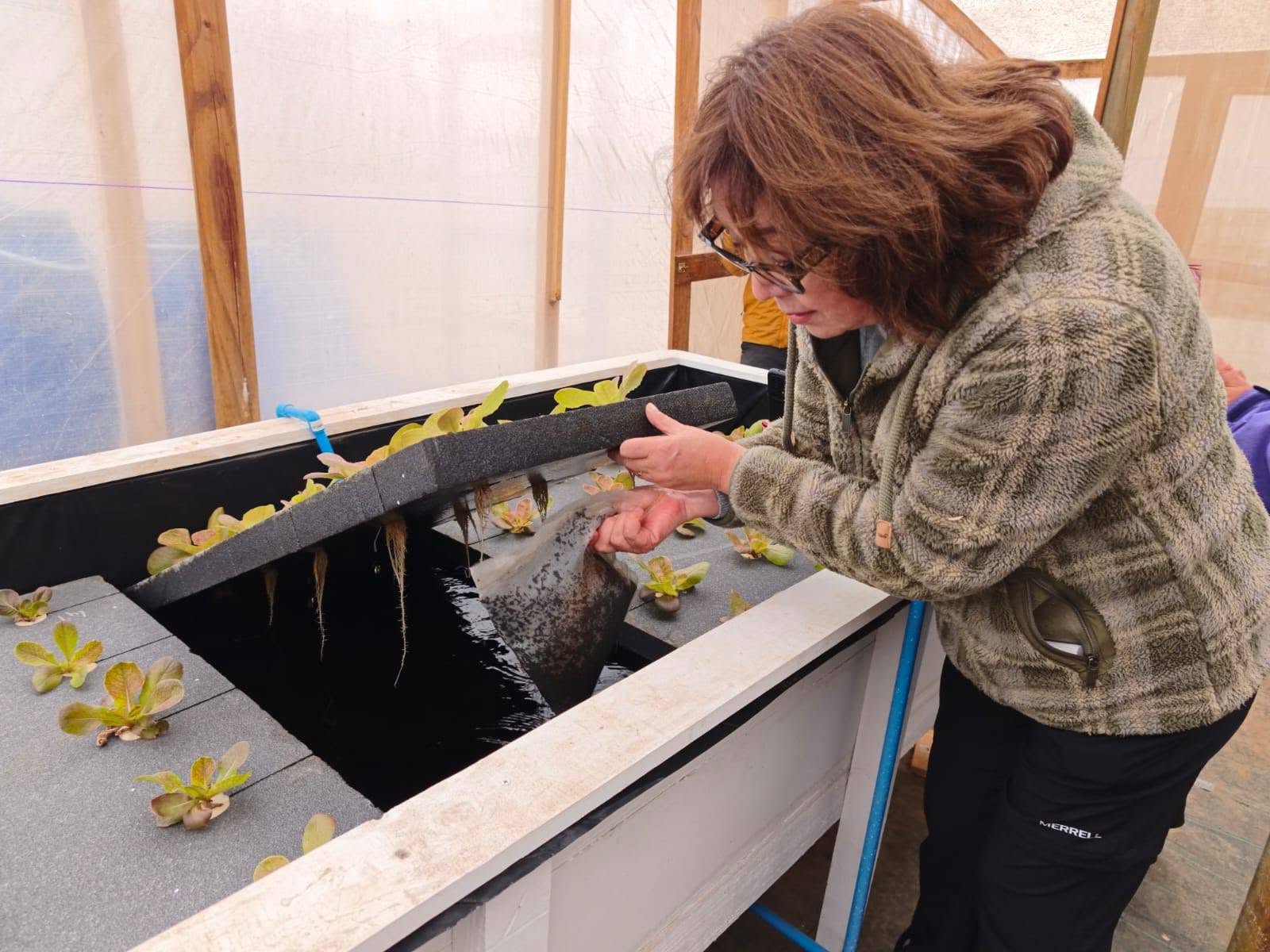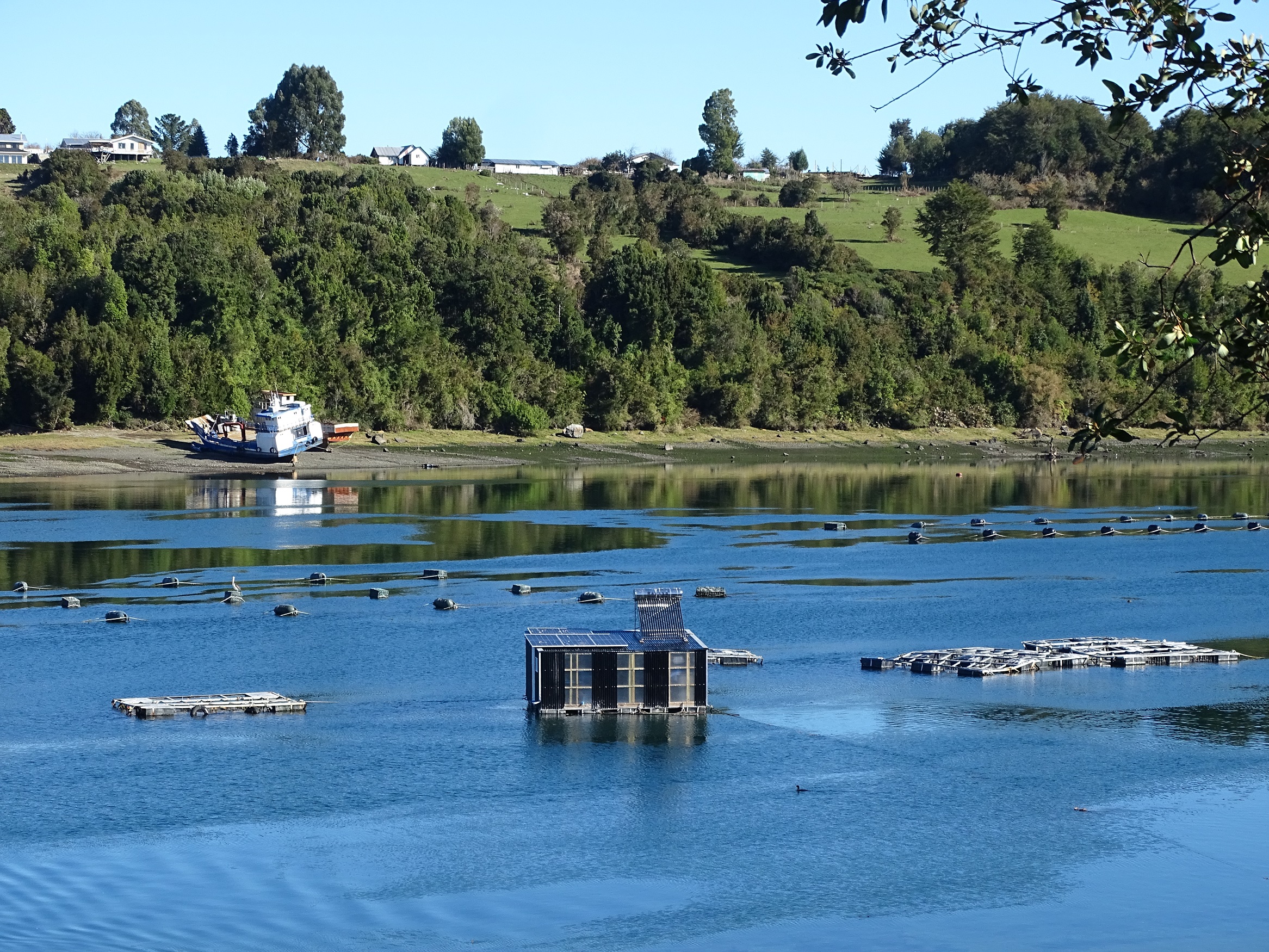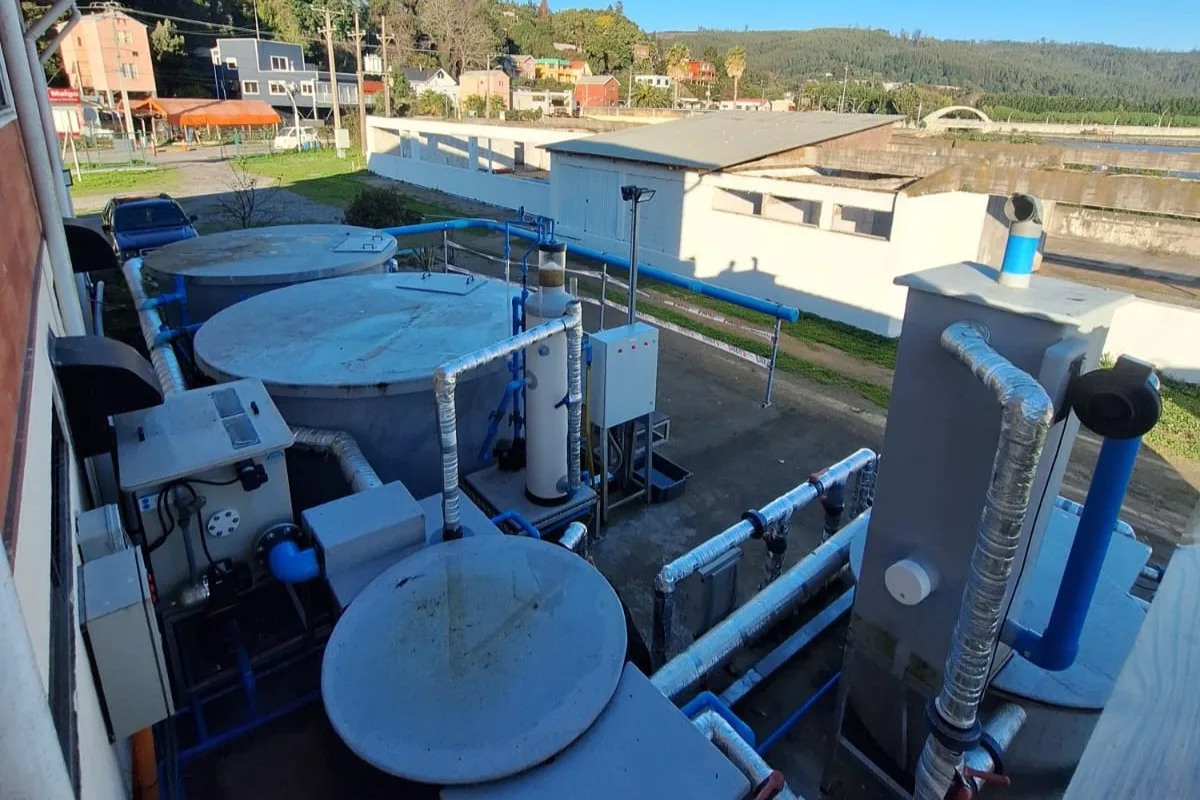
The validation of facilities for the maintenance of specimens and the implementation of standardized protocols for the nutrition and development of fish in captivity are part of the main achievements of the project.
After several years of scientific work, a team of researchers from the University of Concepción achieved milestones that position the country in a leading situation for the future cultivation of deep-sea cod (Dissostichus eleginoides), a symbolic species of the subantarctic waters and highly demanded in international markets.
Experts have managed to establish a breeding stock of deep-sea cod and set up key protocols for its maintenance and development in captivity. “What we have is a relevant biological capital, consisting of a stock of deep-sea cod that are alive, stable and healthy., that are feeding, growing and sexually maturing", summarized the Director of the initiative and academic of Department of Oceanography, Ariel Valenzuela Saldías.
Dissostichus eleginoides It is an exclusive species of the subanthartic waters of the southern hemisphere and is located along the Pacific and Atlantic coasts at depths of between 50 and three thousand and 800 meters. It is highly valued internationally for the quality of its meat and its nutritional properties (it is high in omega 3 and omega 6), so it is known as the white gold of the sea.
On the basis of the initiative, concluded in May, a validated infrastructure to house and maintain specimens captured from the natural environment in optimal conditions of captivity, as well as standardized protocols for their nutrition and development.
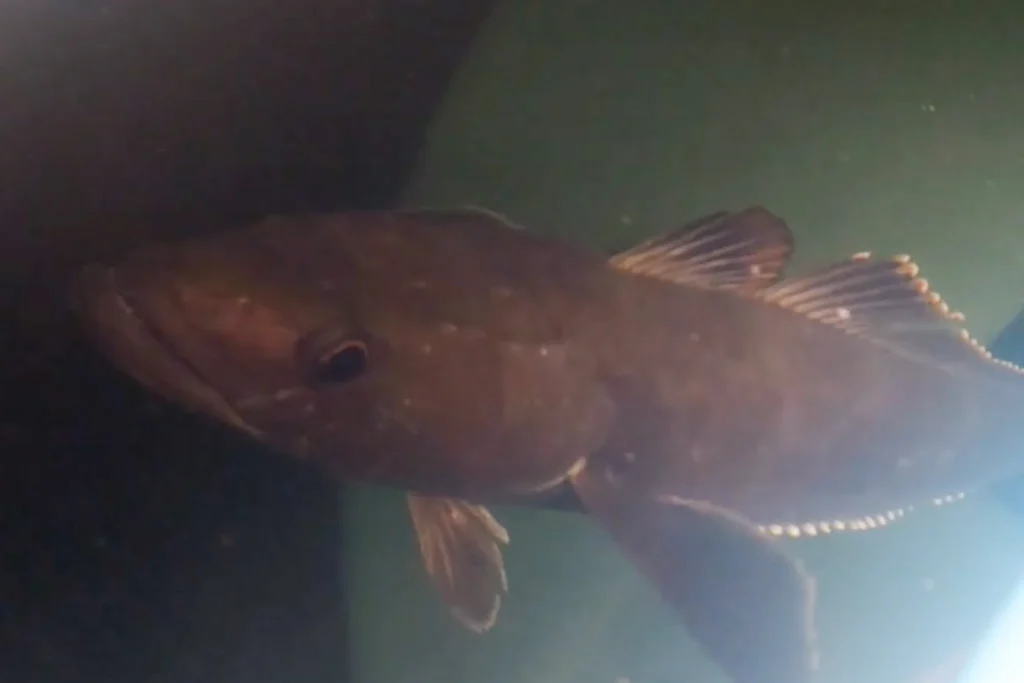
The cods - collected at more than one thousand 200 meters of depth in the surroundings of Santa Maria Island - showed a acclimatization successful post capture, with a full adaptation to the ponds on land.
“We achieved 100% survival,” said Valenzuela, who is responsible for the Laboratory of Fish and Aquatic Pathology, the operational center of research.
Individuals - who live in the installations implemented at the Ditato Marine Biology Station - show growth levels that exceed by more than 20% the rates described in the literature.
It has also been observed that progressive advances of specimens towards reproductive maturity, according to measurements of individual physiological indicators, such as ultrasounds, biopsies, hormonal profiles, among others.
In this way, the UofC has managed to consolidate a breeding fish plant that, they could have their first spawning in the spring, as Valenzuela advanced.
Own mark
All these advances lay the foundation for the future development of a new crop in Chile based on a “premium” resource, whose value is between 40-45 dollars per kilo in international markets.
“It’s a fish of very high value,” Valenzuela said, clarifying that this species has no relation to northern cod, with which it is often confused on a commercial level.
In fact, he said that the product originating in our country has a kind of brand name: chilean seabass.
The projections of a crop are auspicious in the context of a limited supply, by restrictions imposed on fishing to protect the resource; an increasing global demand and a trade name that distinguishes Chilean cod.
The national fishery has faced strong pressure in recent decades, going from extraction 35 thousand tons in mid-1990 to five thousand in recent years, so the development of the crop represents a strategic opportunity for the country.
“Advanced cultivation in captivity would not only open up new scientific opportunities, but also evaluate sustainable alternatives to diversify national aquaculture and contribute to the responsible management of this fishery flagship of the southern end of the planet,” said the researcher.
More funding
Deep-sea cod lives in extreme environments of temperature and depth, which have given it unique biological characteristics to be considered in its retention in captivity and eventual cultivation.
For example, unlike species such as salmon, which thrive between 10 and 15 degrees, cod requires temperatures close to 4 or 6 degrees.
“Even with these temperatures, where metabolism should be slower, growth rates have shown to be even better than those of a salmon,” he said.
All this involves enormous technological challenges that the research team has managed to arrive at the establishment of a technological package with validated and scalable knowledge in a cropping system.
The research faces a problem of resource limitation, due to the fulfillment of the period of implementation of the Fondef project that hinders the continuity of the studies to advance a new aquaculture for Chile.
According to Valenzuela, the complete development of a crop requires a time horizon of at least two decades, but the knowledge and capabilities generated in the project allow to significantly shorten this time, he pointed out.