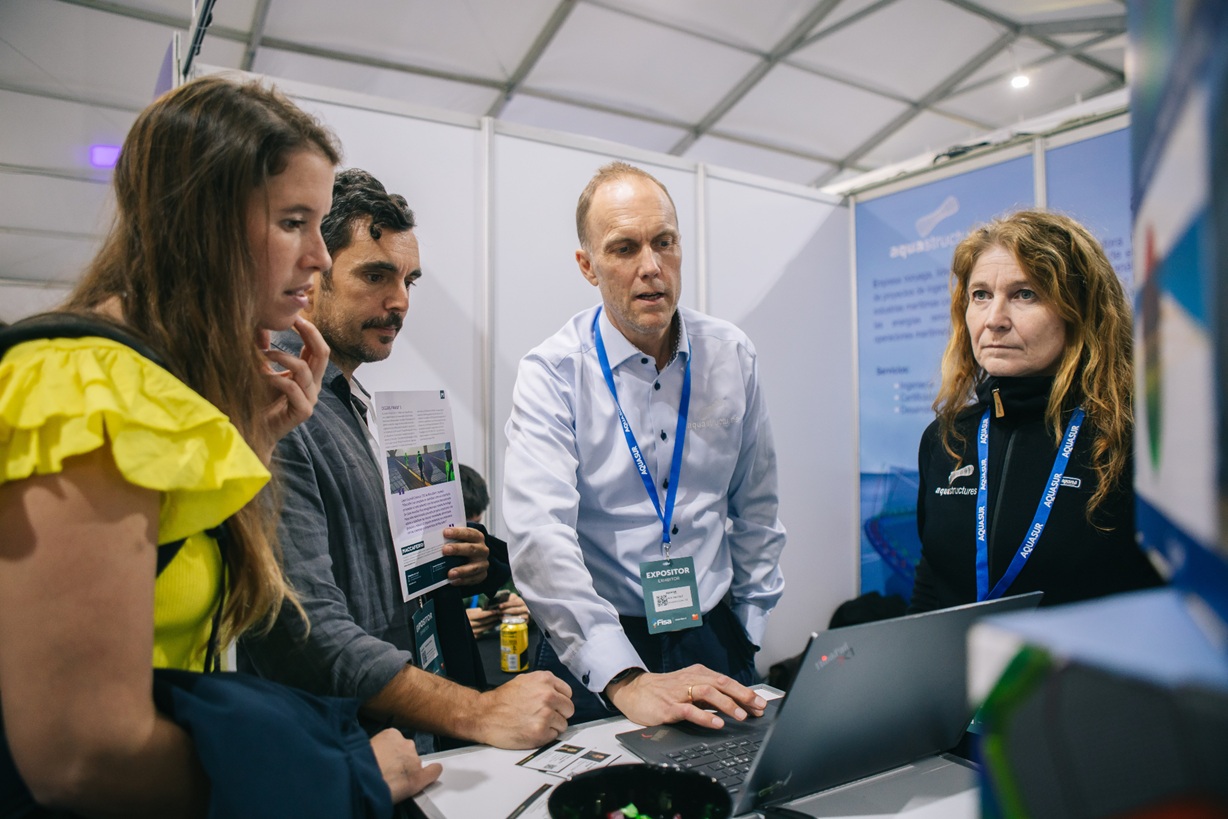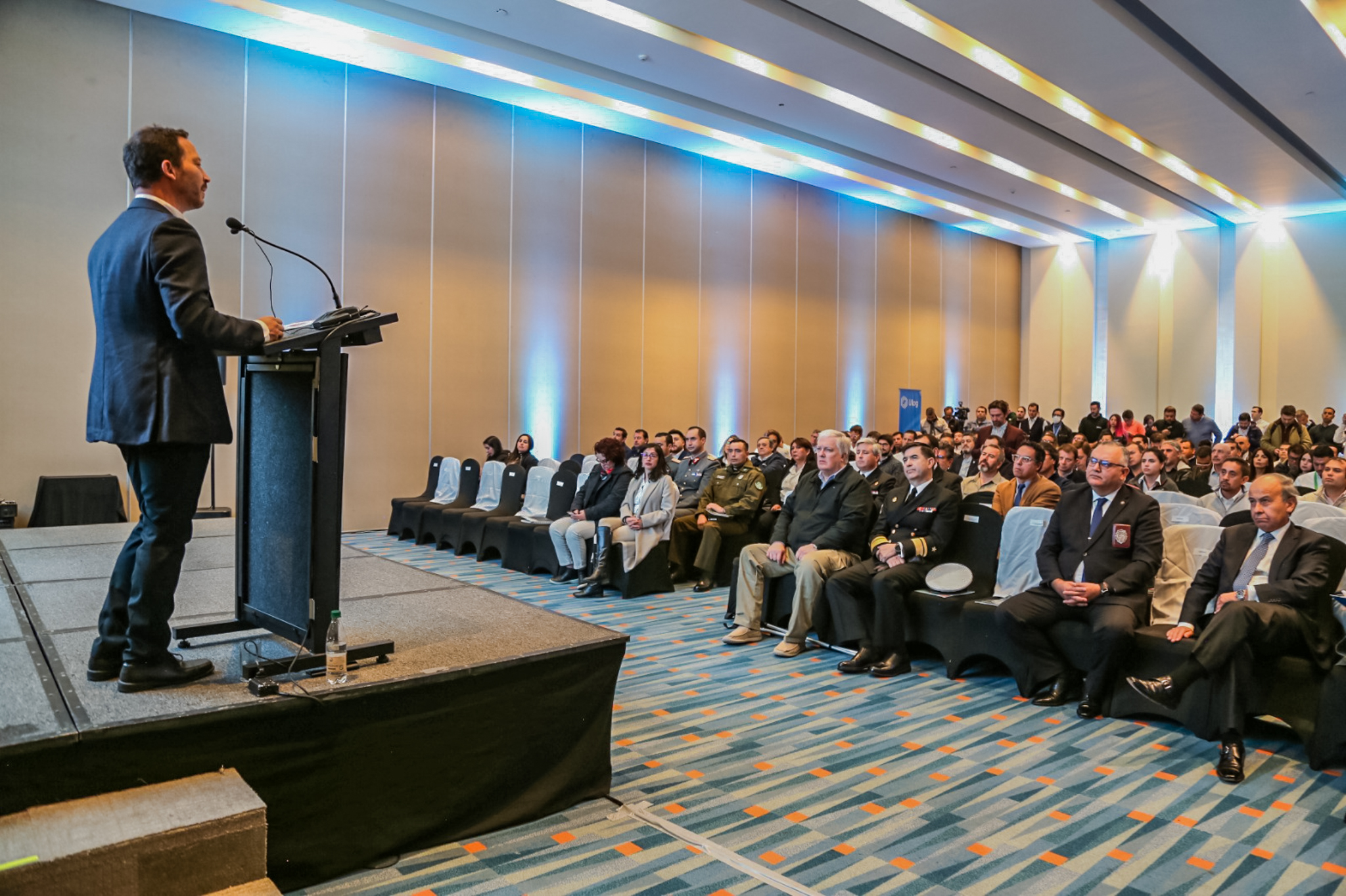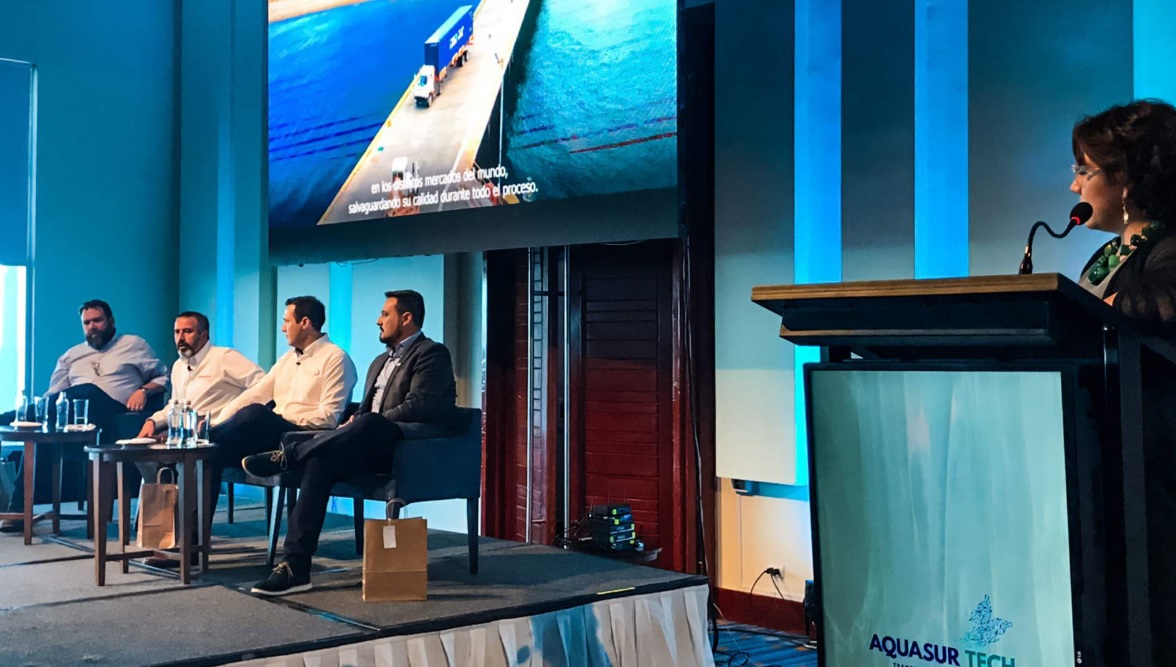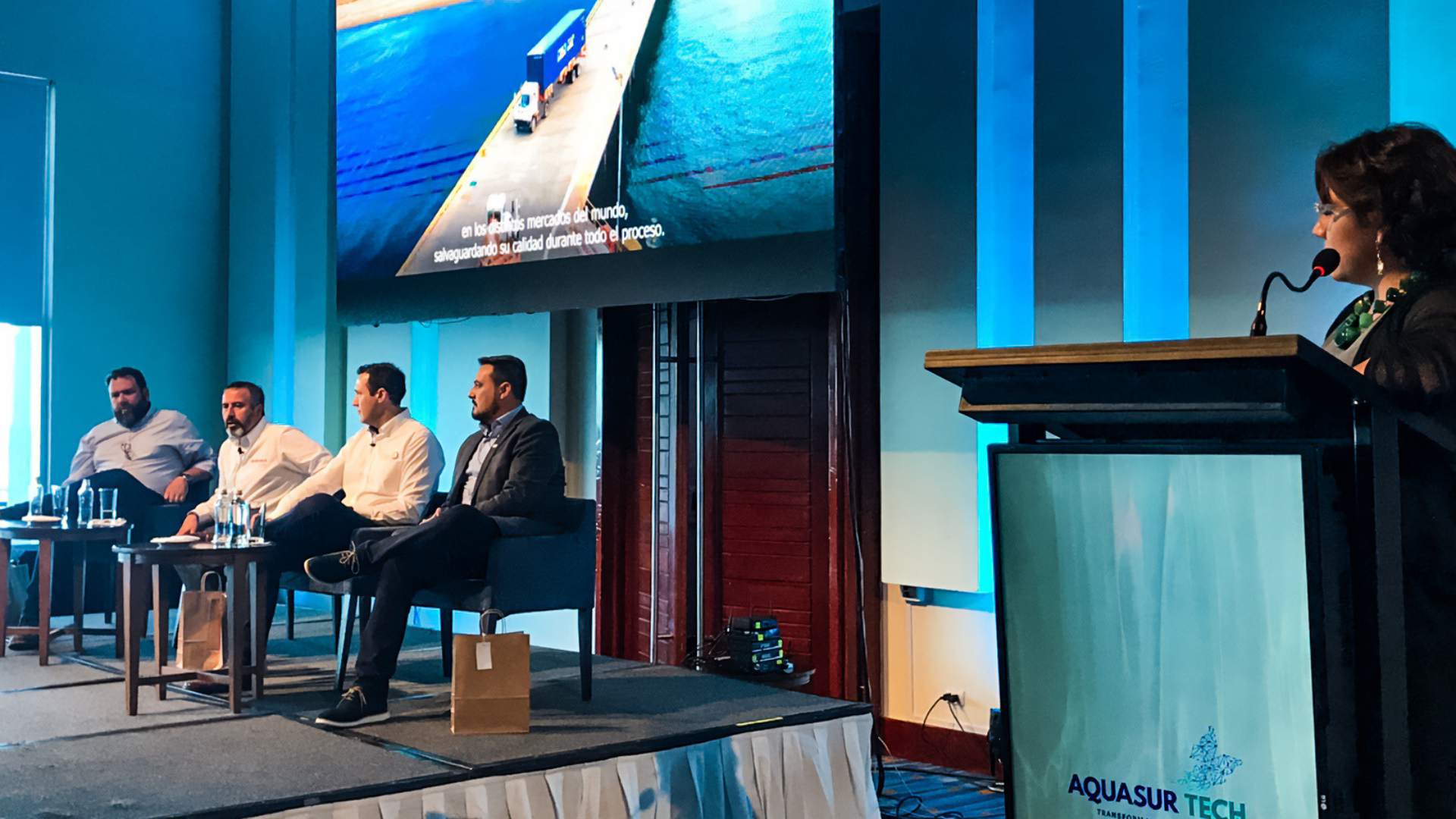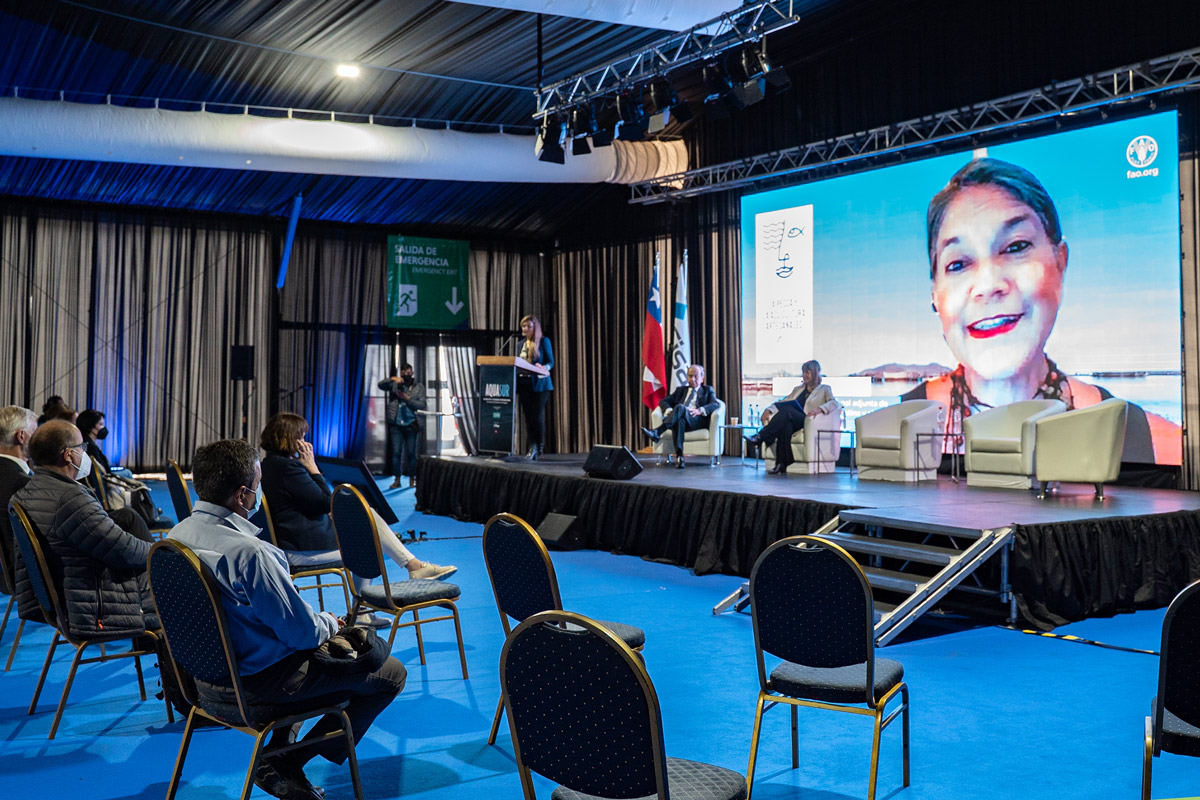
They presented the challenges of the sector, its future development and the new technologies needed to achieve a more sustainable industry. At the same time, the official start of the International Year of Small-scale Fisheries and Aquaculture was announced.
The Undersecretary of Fisheries and Aquaculture of Chile, Alicia Gallardo; together with the Corporate Affairs Manager of Fisa, Rodrigo Lobo; to the Deputy Director of the Bill and Melinda Gates Foundation, Samuel Thevasagayam, and to the Deputy Director of the Food and Agriculture Organization of the United Nations (FAO, by its acronym in English), Audum Lem, launched the "International AquaSur Blue Trilogy Congress: Ocean, Aquaculture and" Society, feeding the future", sponsored by DNB Bank.
Within the framework of the fair, which is taking place until this Friday 4 March in the city of Puerto Montt, Los Lagos region, Chile, Undersecretary Gallardo used the opportunity to launch the International Year of Small-scale Fisheries and Aquaculture (IYAFA 2022), proclaimed by the United Nations (UN), which aims to promote sustainability through public policies and programmes.
Today (Thursday 3 March) we have launched the International Year of Small-Scale Fisheries and Aquaculture, through the relationships between the seven principles promoted by the FAO and our Undersecretariat with the large aquaculture. The challenge is to bring together large aquaculture with small aquaculture and artisanal fishing, and thus fulfill the objective of sustainable development, food security and to bring these important resources of "fish and aquaculture to every home in the world," highlighted the Undersecretary Gallardo.
See » [FOTOS] Moments ago in Puerto Montt: The International AquaSur 2022 Fair has started
In the framework of the congress opening, the corporate affairs manager of Fisa highlighted that "The International Year of Aquaculture and Artisanal Fishing reveals the importance of aquaculture for global food security and the relationships that must exist between the various actors in the use of the sea, to face the challenges of the future and develop more sustainable systems and economies," said Lobo.
The director of the Bill & Melinda Gates Foundation, Samuel Thevasagayam, added that "over the last few decades, the aquaculture sector has been the food production category with the highest growth rate in the world. But we need this development to continue in a sustainable and viable way in order to ensure fish supply for future generations."
In turn, the regional representative for Latin America and the Caribbean of the FAO, Eve Crowley, emphasized that "people engaged in aquaculture and artisanal fishing contribute significantly to food security and nutrition, to the eradication of poverty, and to the sustainable use of natural resources. For this reason, social awareness and taking action are crucial, to provide them with support to strengthen their capacities." and incorporate them into the territorial development agendas of each country.”
According to FAO figures, aquaculture and artisanal fisheries generate more than 2.8 million direct jobs and three times the same amount in indirect jobs in Latin America and the Caribbean. Of these, almost 90 per cent are linked to artisanal fishing and at least 16 per cent of the work associated with extractive fishing is carried out by women.
Themes
During the international congress, the themes of “Sustainability and innovation”; “Technology and human capital: the changes that are coming”; and “Goodness and health, a One Health perspective” were addressed.
In the first module, “Sustainability and Innovation”, Marcio Castro, who is FAO’s Senior International Trade Fisheries Officer, discussed global production, trade and recent trends in fishery and aquaculture products, and transformations for a sustainable ocean economy.
“Aquaculture continues to play a major role and remains a fundamental pillar in each country’s economy. Our projection is that total fish production will grow to 204 million tons by 2030, increasing by 15% compared to 2018. To maintain it, sustainable aquaculture development and effective fisheries management will be key,” said Castro.
In module 2, “Technology and human capital: the changes that are coming,” Katie Thomas, co-founder and operations director (COO) of Blue Lion Labs, explained on the impact and objectives of sustainable development; and the development of new aquaculture technologies in the world. In the same way, he gave an analysis on the growth and innovation of the sector and its advantages.
“Within the aquaculture industry, there is a technological integration that continues to change. Today we have sensors that allow to verify parameters such as water quality, and there is the integration of exploration robots to visualize the fishing process and the movement of nets underwater. The technology is gradually being automated with better tools for the development of the aquaculture and fisheries market,” said Thomas.
Read more » At AquaSur: Launch of a new company to connect the industry
Similarly, this panel addressed topics such as the performance of protein producers in a world that demands sustainability; climate change; and the human factor needed to succeed.
Already in the third module, topics of well-being were discussed, where presentations were focused on the contribution of aquaculture to human well-being and the protection of natural resources; blue food and how to contribute to achieving more equitable and sustainable food systems; and finally, there was the presentation on “PROBLUE: healthy oceans, healthy economies and healthy communities”.
Read more » Aquaculture program in high energy zones continues to progress in Chile
*Credits of the featured photo: Fisa.