"The relationship with CORFO and the co-executors has always been constructive," is one of the points emphasized by the legal representative of the Oceanic Aquaculture Consortium SpA.
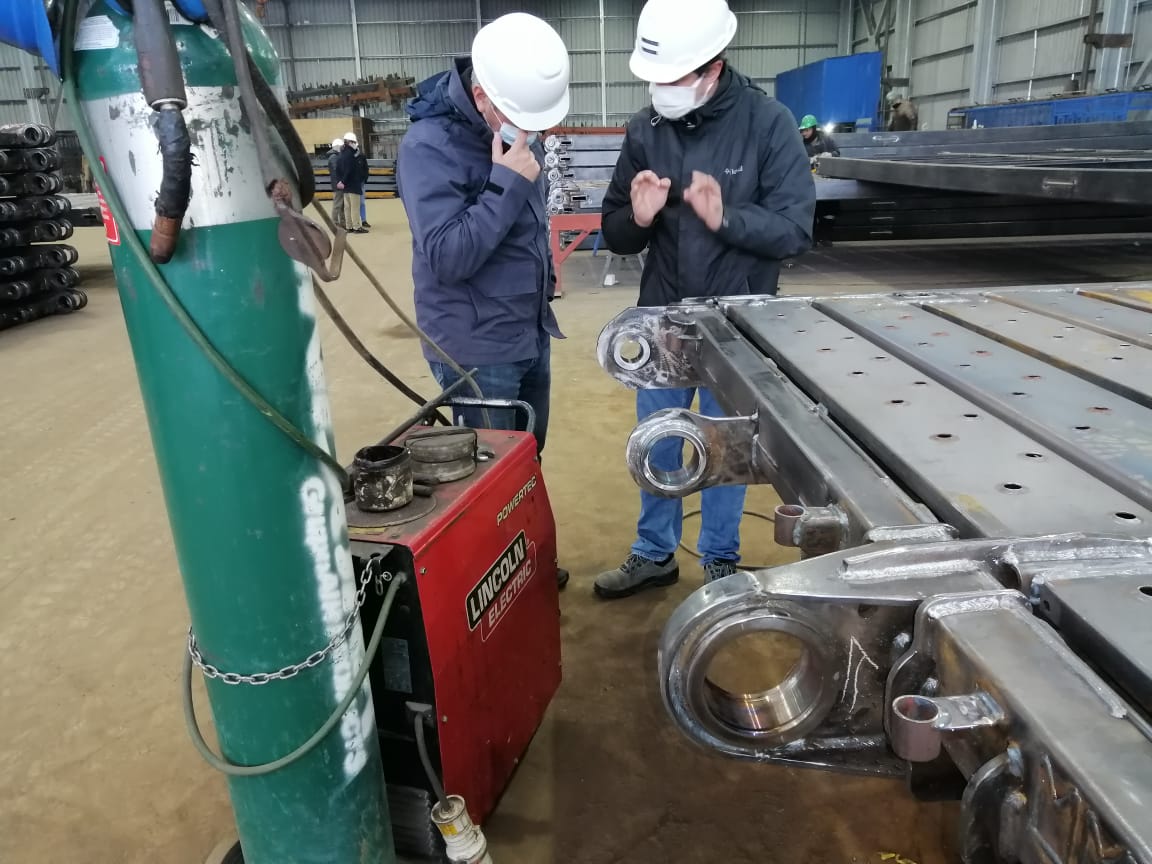
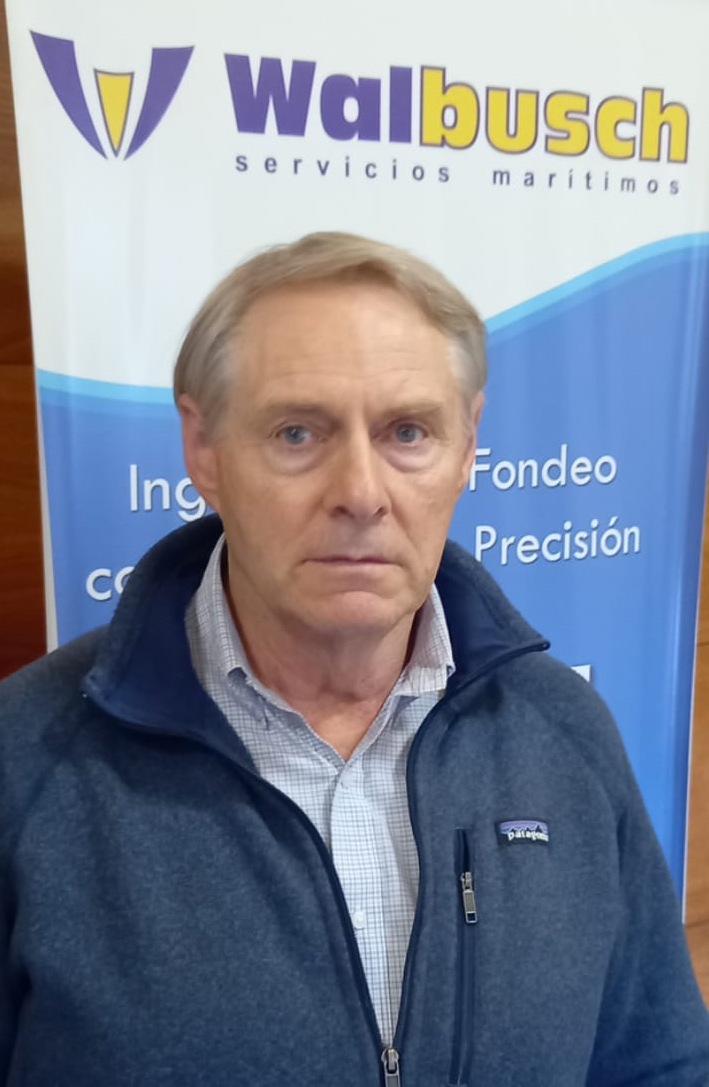
Walter Buschmann Schirmer is the founder of Walbusch S.A., a supplier of Chile’s aquaculture-fisheries industry, which together with Aquarov, AST Networks and Marina Tornagaleones Farm – Marine Farm (GMT) is one of the co-executors of the consortium that was born from the Strategic Technological Programme for the Development of Oceanic Aquaculture (PTECAO) of the Production Development Corporation (CORFO), and that seeks to boost aquaculture in exposed or high energy areas.
He has felt a great passion for diving and marine life, which led him at a very early age to make his professional foray as a diver, working on offshore oil extraction platforms (offshoreby its name in English).
By the mid-nineties, the business had begun providing maritime services to the emerging aquaculture industry with two vessels of its own, aiming from the outset to help professionalise the sector.
Then, in 2001, Walbusch S.A., already formed, was the first company to build its own specialized ships to provide services to aquaculture.
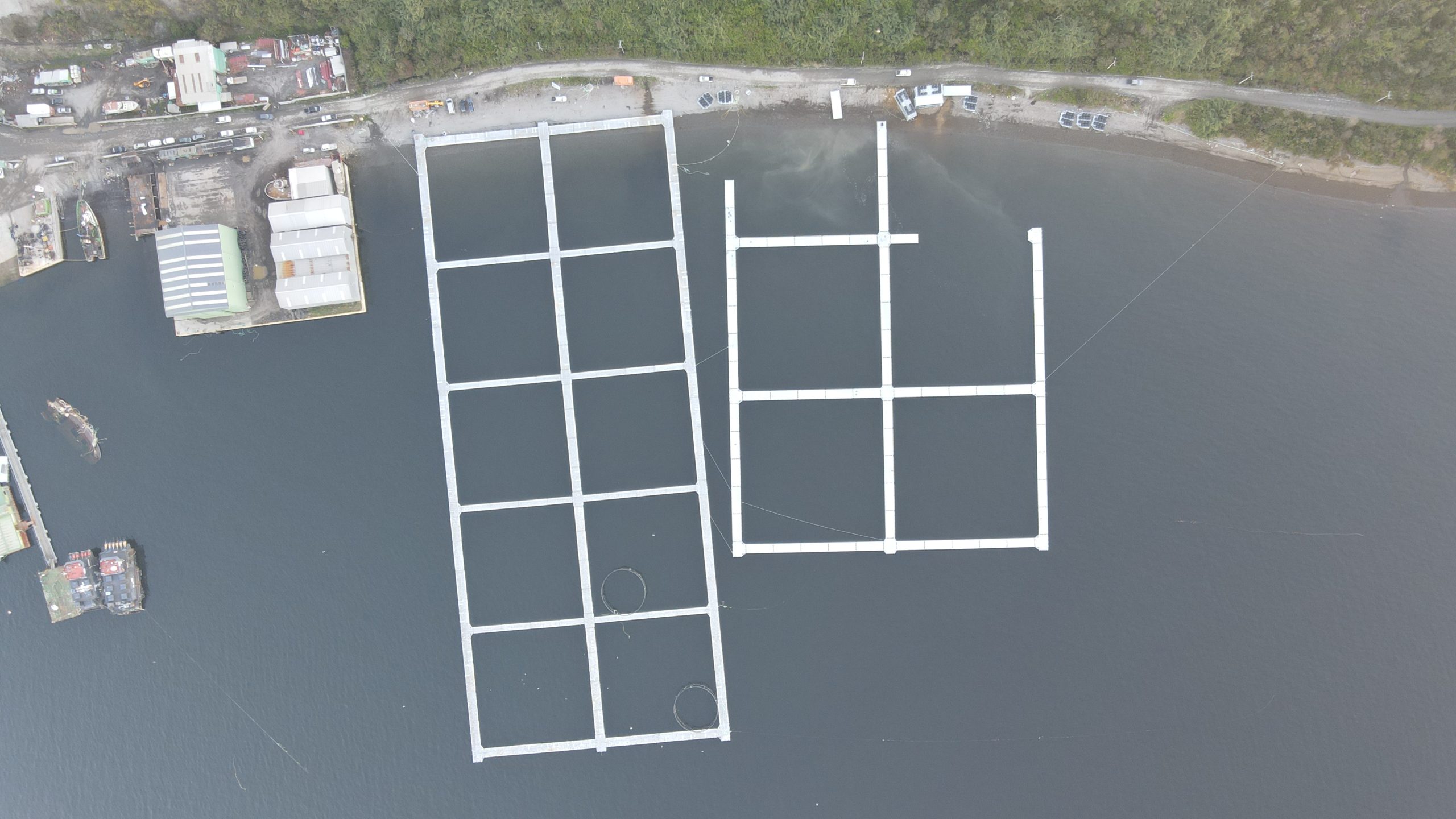
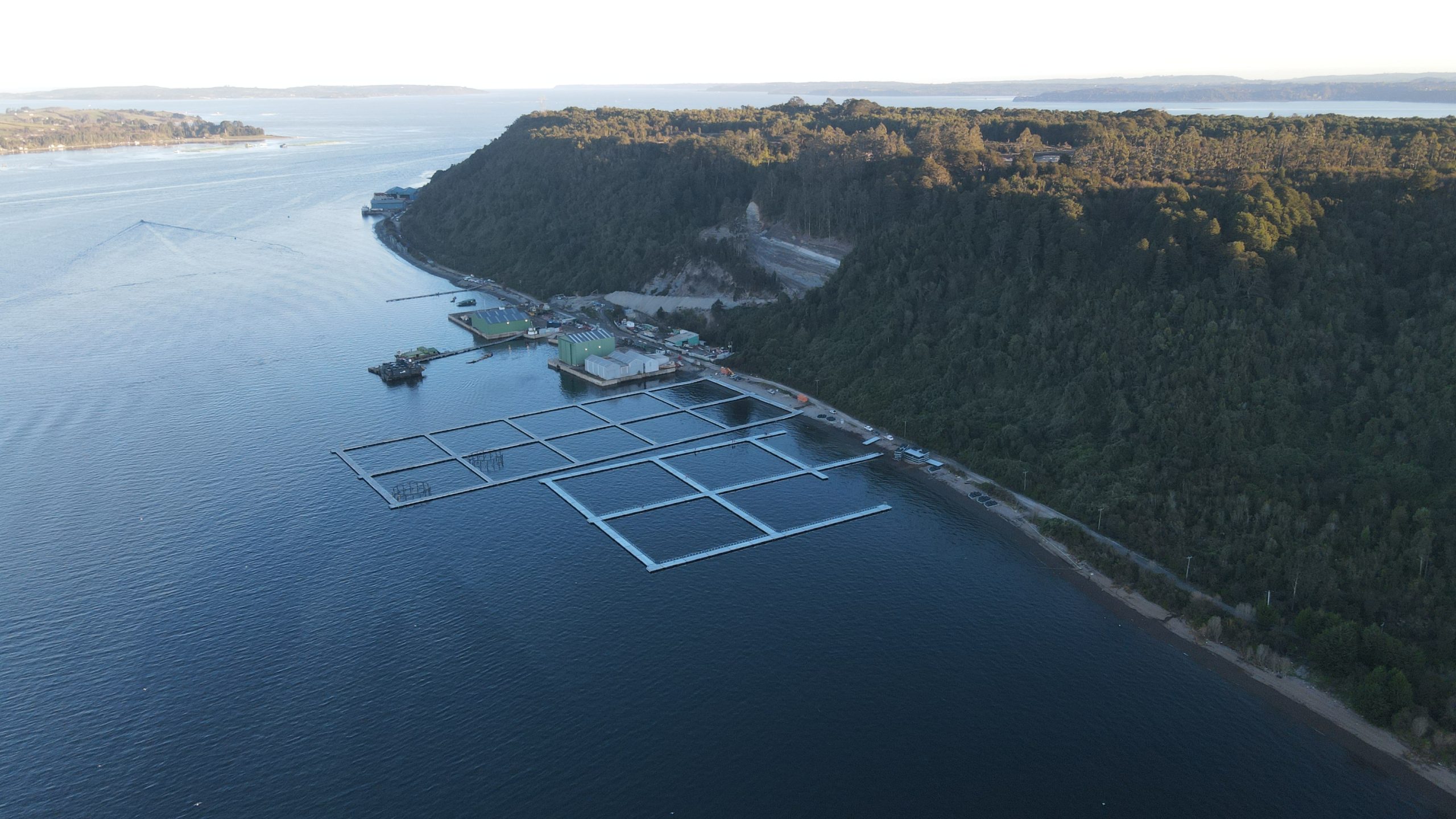
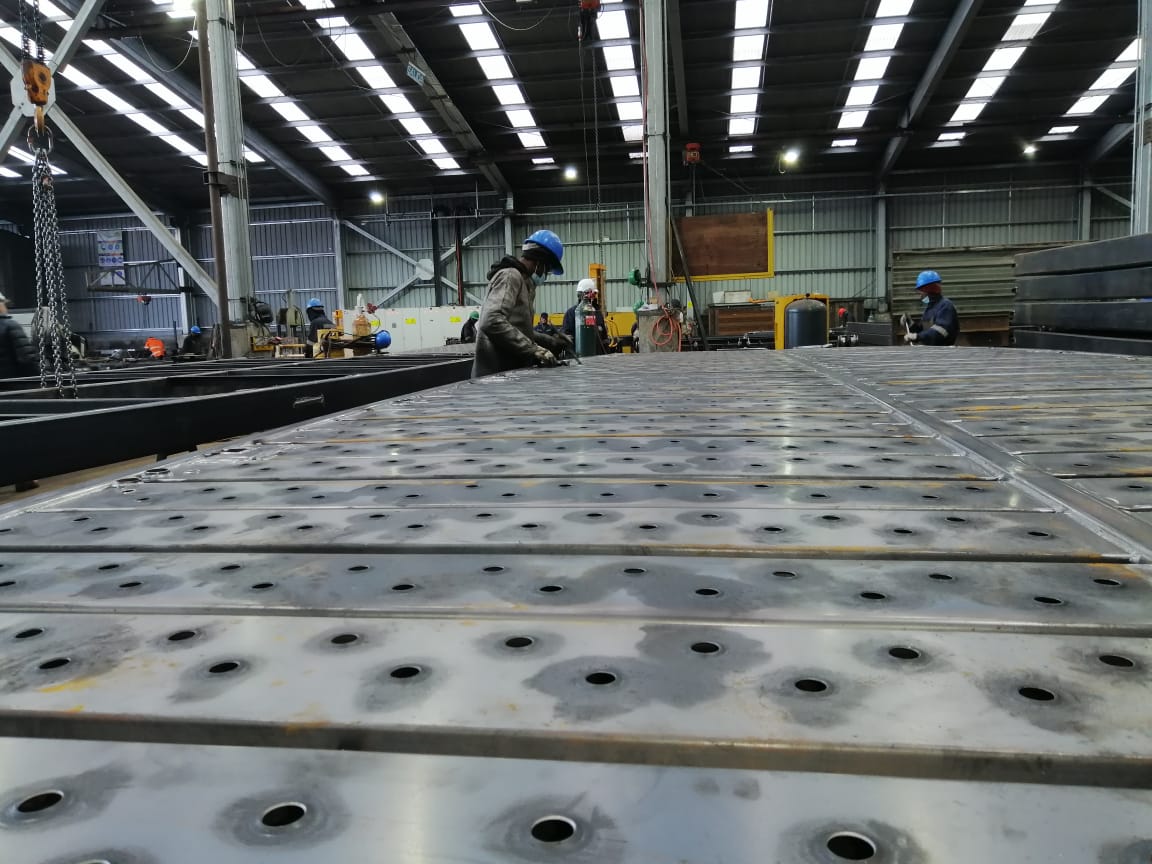
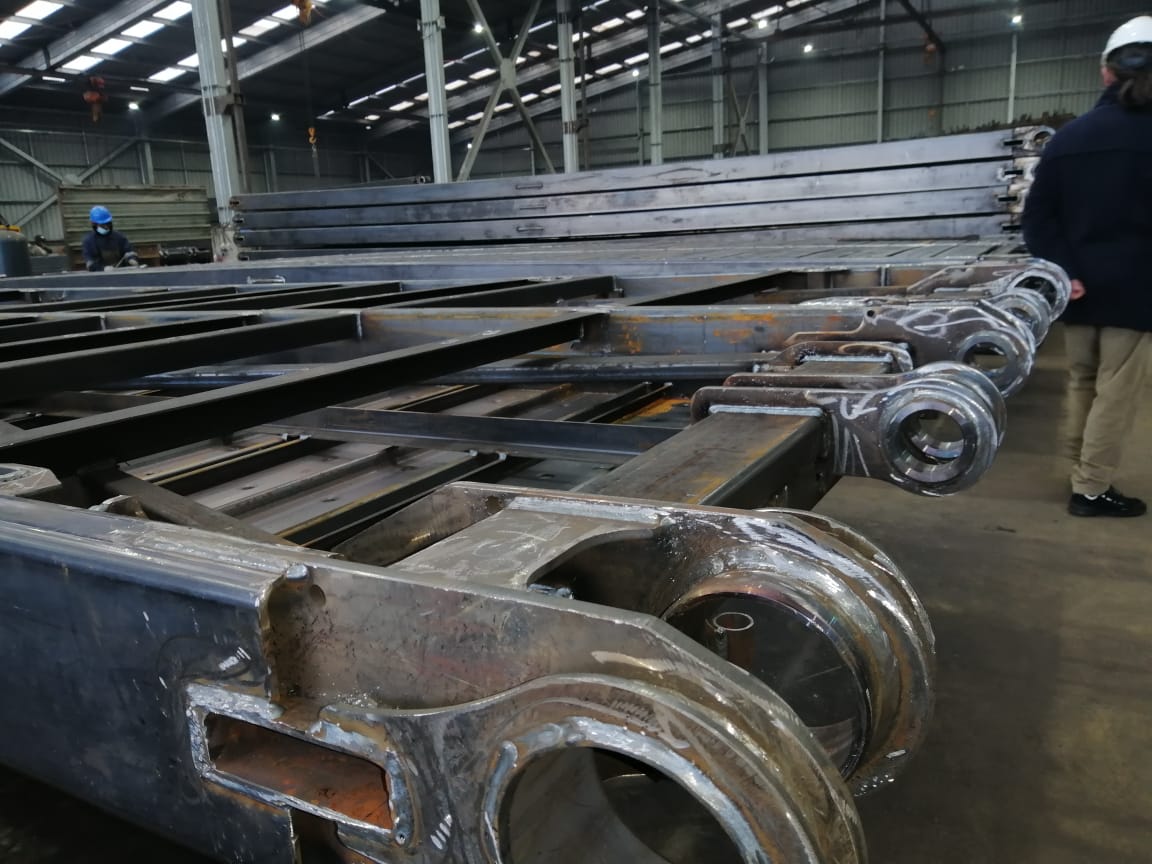
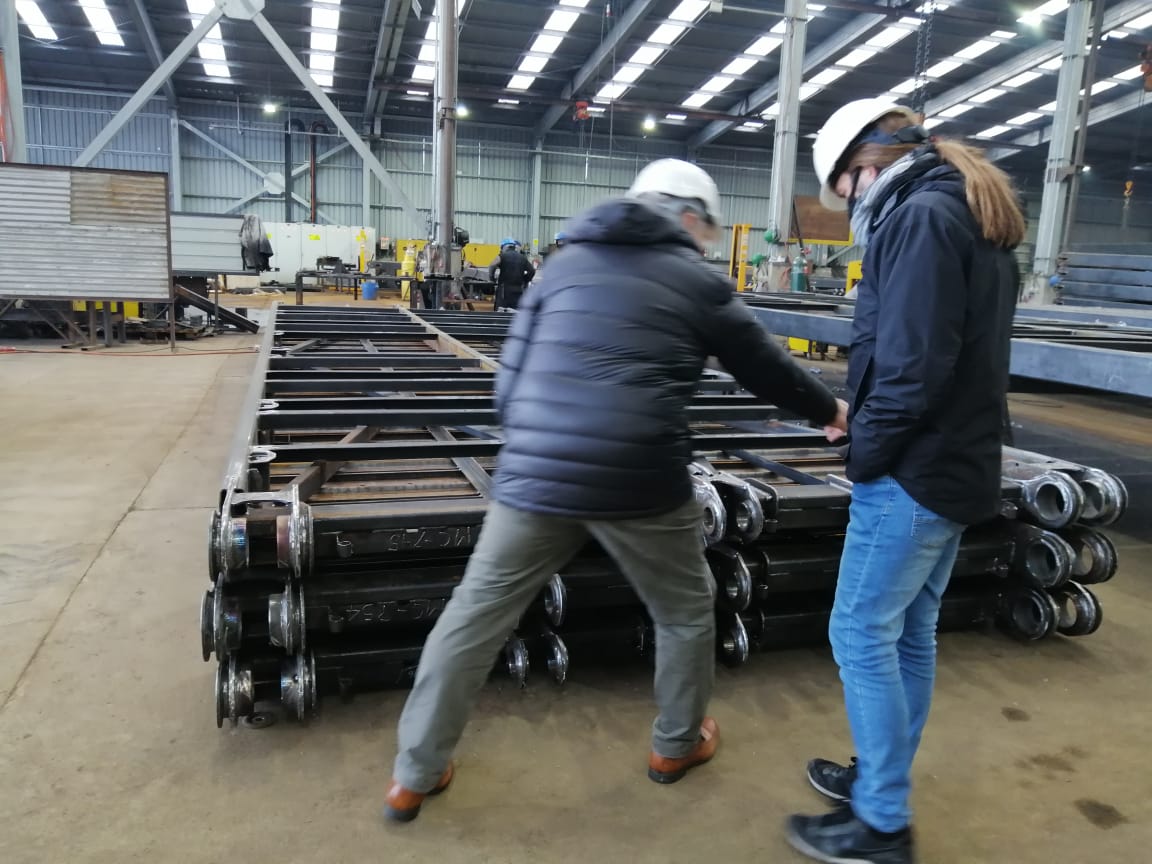
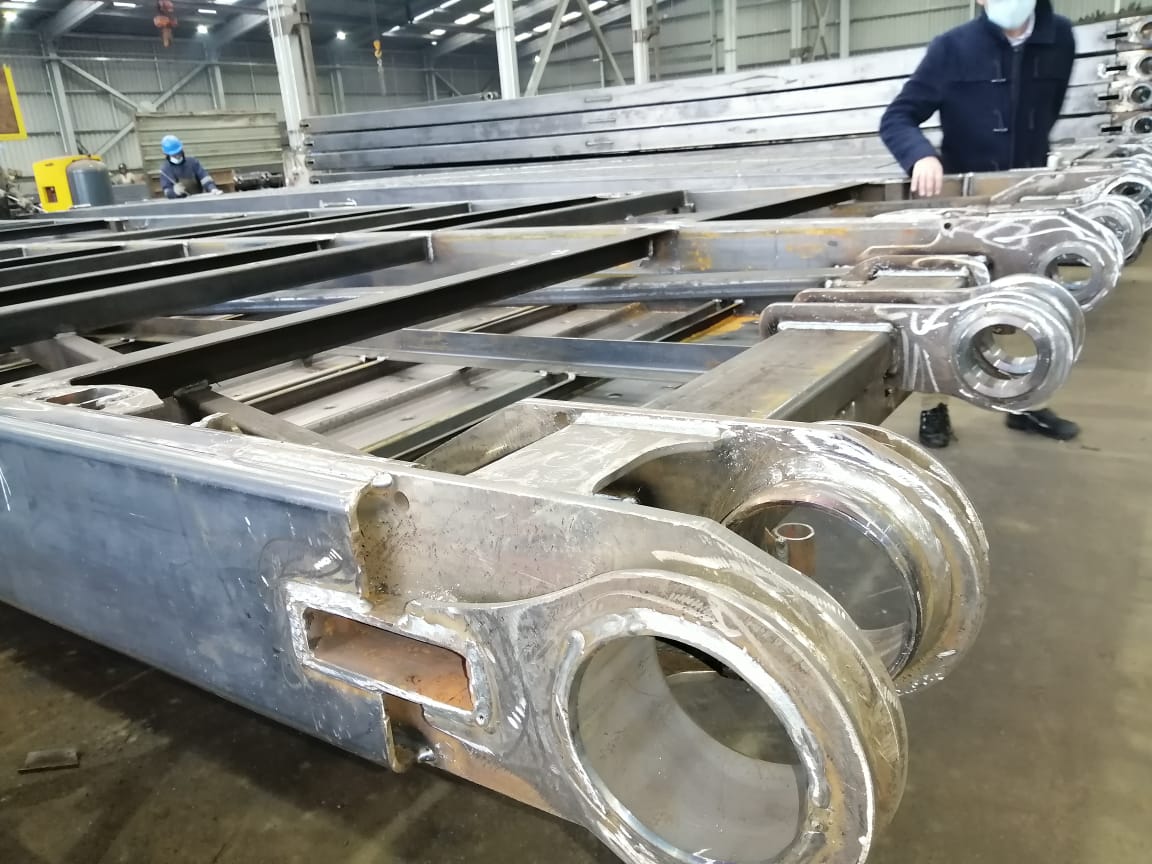
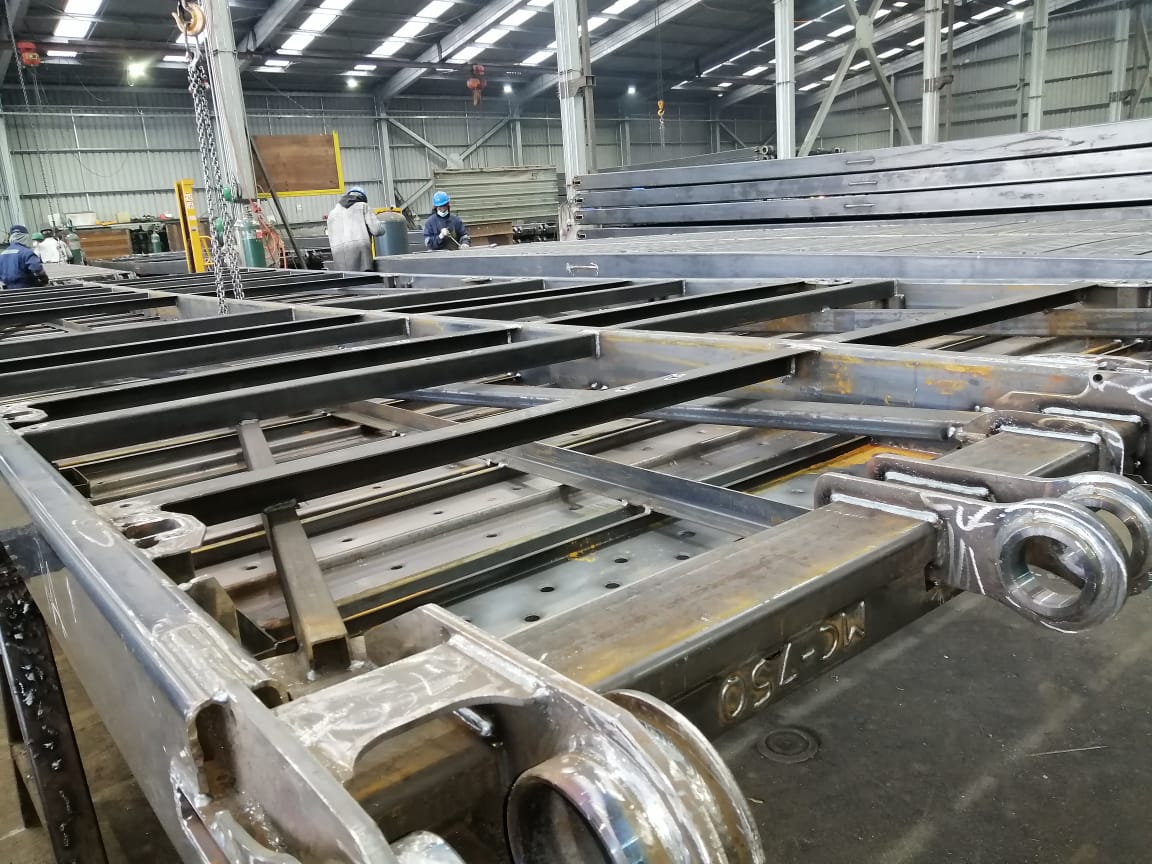
Buschmann reports that the first innovations began by designing and building more efficient anchors. The changes in the materiality and design of anchoring lines and their decomposition of forces buoys followed. In recent years, they have specialized in strengthening and continuing the Department of Engineering and Projects, focusing much of the work on developing naval artifacts (balsas) for areas. exposed and special support designs for fish containment nets. The latter is complemented by own oceanography studies, which is very relevant information for a correct design and modeling of the computational memories.
"While the latest developments in the designs of naval artifacts (balsas) were born looking for animal welfare, in areas with greater oceanographic and meteorological exposure, conforming to environmental regulations", he begins by detailing Walbusch S.A.'s helmsman in this interview.
What motivated them to participate in the CORFO program that seeks to boost aquaculture in exposed or high-energy areas, also called PETECAO?
We are characterized by constant development of innovations aimed at lowering costs in the production process.
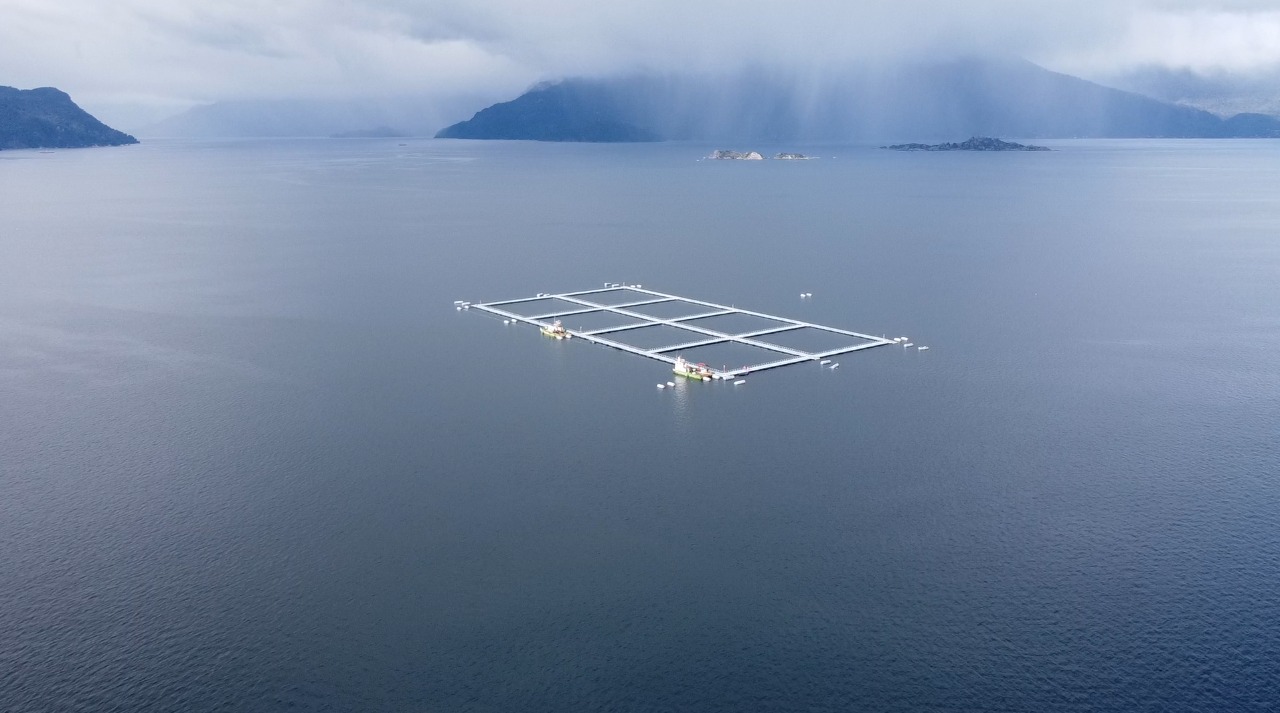
The CORFO program coincided with very complicated times for the salmon industry, when we applied to the technological consortium where we proposed a development that we were already working on, which sought to improve profitability by increasing the size and volume of the crop rafts and thereby reducing by half the square meters of networks with all the benefits that this achieves in the sanitary part and productive performance. In addition to increasing resistance of naval devices (balsas) to improve structural safety.
What relevance do they consider to be of AquaSur fair for you and the industry in terms of developing new businesses and technologies related to the cultivation of hydrobiological species in exposed or high-energy areas?
We consider that this type of fairs are always very important for the exchange of experiences of different activities and suppliers, and an important point of commercial encounter.
Read more » [FOTOS] Moments ago in Puerto Montt: The International AquaSur 2022 Fair has started
Specifically, what Walbusch products, services and/or technologies are made available to PETECAO? In the same vein, how much of the company's funding goes to research, development and innovation (R & D & I), both for this CORFO programme and at the general level?
Mainly professionalism and commitment to those who have trusted us. In material terms: anchoring systems; anchoring lines; force decomposition buoys; naval devices; culture rafts; design of aerial networks and perimeter fences; design of fish containment nets; reticulated volume stabilizers in the nets; among others.
In relation to R & D & I funding, it is difficult to determine, as the company always seeks to innovate and develop in all its areas.
Are these technologies patented?
Yes, the vast majority.
What is your assessment of the progress made by the Programme and the relationship that has been established with both CORFO and the various co-executors?
This development is meeting their expectations and is leading us to face new and important challenges. Meeting the goals and achieving the goals is very challenging when there are many industry actors waiting for the final results and then incorporating them into their activities, which widens the borders to all. And the relationship with CORFO and the co-executors has always been constructive.
- PRESS HERE TO REVISE THE GRANTS FOR THE PROGRESS OF THE OBJECTIVES OF THE PETECAO.
How important is it for you as a company that the State, in this case through CORFO, engages with the private sector to generate funds for development? In the same context, what value do you find that it has to include academia and science, as it has happened with the Technical University Federico Santa Maria (USM) and its antifouling painting without heavy metalsand also with the Universidad Austral de Chile (UACh) through its testing channel?
The best reflection of a society developed and integrated into three fundamental economic-productive-academic pillars. It strengthens a healthy and growing economic ecosystem that gives and gives opportunities to all actors in their respective areas of our society.
In his words and within the framework of the same CORFO program, what is the significance of the milestone of passing the fish to the 80-by-80-meter cage in the “Quillaipe” cultivation center of the GMT salmonicultor?
This is a challenge transformed into a very important milestone for us. It should be remembered that the first cages of 80 by 80 were installed in the Gulf of Corcovado (it is located at the limit of the regions of Los Lagos and Aysén) that has 3.5 knots of current and waves that border the 5 meters of height.
What are the actual projections and scopes that ocean aquaculture in Chile can have from the Program?
Two years ago, I was skeptical of being able to grow in the ocean area of our region. Today, with the progress we have made, I see it perfectly feasible.
Read more » In Chile: The program that seeks to lay the foundations for ocean aquaculture
You may also be interested in » They deliver the largest aquaculture concession offshore of the world